Virginia Early and Late Turkey Period Rules
Trying to make sense of Virginia's spring turkey season can feel like you're reading two different rulebooks, especially when you see references to "early" and "late" periods. It's a common point of confusion for new and even seasoned hunters alike, leading to missed opportunities or, worse, unintended violations. This guide is here to clarify those distinct regulations, break down why they exist, and help you strategize effectively for both parts of Virginia's spring gobbler season.
Understanding Virginia's Spring Turkey Season Philosophy
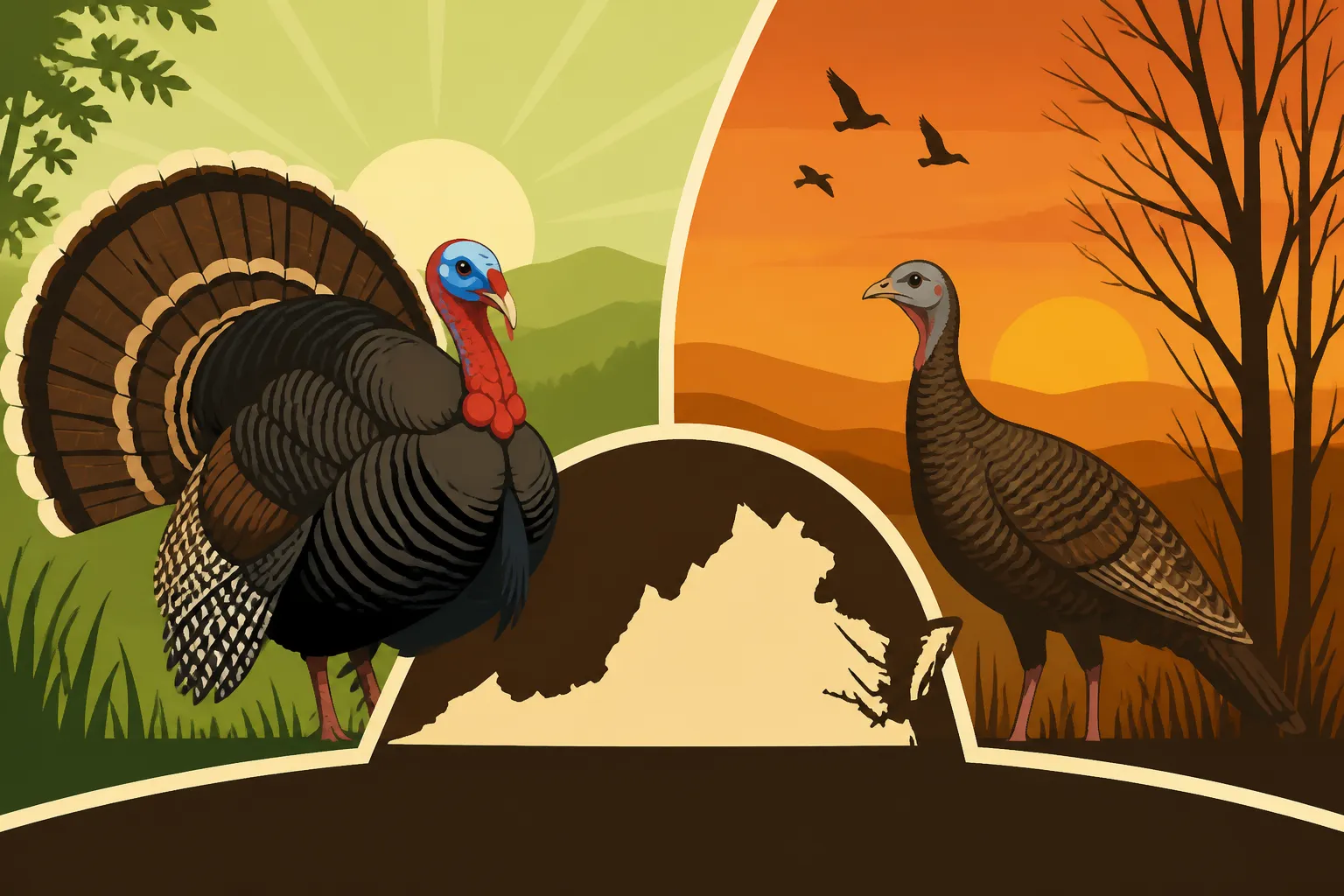
Virginia's approach to spring turkey hunting isn't a single, continuous season like some other game. Instead, it's thoughtfully segmented into two distinct periods: an "early" period and a "late" period. This isn't just arbitrary scheduling; it's a strategic move by the Virginia Department of Wildlife Resources (DWR) designed to manage harvest pressure, account for different stages of the turkeys' breeding cycle, and provide diverse opportunities for hunters across the Commonwealth. The underlying goal is to balance hunter success with the long-term health and stability of Virginia's wild turkey population.
Think of it like this: the DWR is trying to give hunters a fair shake while also letting the birds do their natural thing. In the early part of the season, gobblers are often still very much focused on establishing dominance and breeding, making them a bit more predictable. As the season progresses into the later period, hens are typically nesting, and gobblers might become a bit more wary or "henned up," requiring different tactics. Understanding this biological backdrop is key to appreciating why the rules shift.
This segmented approach also allows for different types of hunting experiences. The early period often favors those who enjoy calling birds off the roost, while the later period might call for more patience and strategic run-and-gun tactics. It's a system that caters to the diverse landscapes and hunting traditions found across Virginia, from the dense mountain forests to the sprawling Piedmont farmlands and the coastal plains. For a complete overview, be sure to check out the broader Virginia Spring Turkey Season Rules.
The Rationale Behind the Split Seasons
The primary reason for splitting the season is to effectively manage the wild turkey population and the hunter experience. In the early spring, gobblers are typically very vocal and responsive to calls, actively seeking hens for breeding. This is when they are most susceptible to hunting pressure. By limiting hunting hours in this initial phase, the DWR aims to allow a significant portion of breeding activity to occur unimpeded, ensuring strong reproduction. It’s a conservation measure that recognizes the crucial role of adult gobblers in the breeding cycle. Without these limitations, an intense, all-day hunting pressure right at the peak of breeding could potentially impact future turkey numbers, especially if bad weather or other factors make birds even more vulnerable.
Furthermore, these regulations consider hunter ethics and safety. Concentrated hunting pressure can lead to crowded woods, which isn't ideal for safety or the quality of the hunting experience. By subtly altering the rules between periods, the DWR encourages a more distributed effort, both geographically and temporally. This helps maintain the quality of the hunt and ensures that hunters can pursue gobblers under conditions that reflect the natural behavior of the birds as the spring progresses. It's a dynamic management strategy designed to keep our turkey numbers healthy and our hunting tradition thriving.
Regional Variations and Exceptions
While the general framework of early and late periods applies statewide, it's absolutely crucial to remember that Virginia is a diverse state, and some local exceptions and nuances can exist. Always, and I mean always, consult the most current Virginia DWR hunting regulations for the specific county or Wildlife Management Area (WMA) you plan to hunt. What's legal in Fairfax County might not be in Tazewell County, and vice versa. For example, some WMAs might have specific sign-in requirements or even different season dates, particularly for special quota hunts.
Another key variation involves youth and apprentice hunters. Virginia often sets aside a special Virginia Youth and Apprentice Turkey Weekend which typically occurs before the general spring season opens. This provides a fantastic opportunity for mentors to introduce new hunters to the sport without the added pressure of a crowded season. These specific youth dates have their own rules regarding hunting hours and bag limits that differ from both the early and late periods of the general season. Always double-check these dates and rules if you're planning on taking a youth or apprentice hunter afield. Ignoring these local or specific rules can quickly turn an exciting hunt into a regrettable experience, so diligence is paramount.
Navigating the Early Turkey Period Rules
The early turkey period in Virginia is often eagerly anticipated by hunters who love to hear the woods come alive at dawn with gobbling. This phase typically kicks off in early to mid-April across much of the state, though dates can vary slightly year to year and by specific region. It’s characterized by a unique set of rules, particularly concerning hunting hours, that differentiate it significantly from the later period. This initial window capitalizes on the turkeys' early spring breeding behavior, where gobblers are often more responsive and actively seeking hens.
Many hunters find success during this period by focusing on roost hunting strategies, trying to intercept birds shortly after they fly down from their night roosts. The birds haven't been pressured much yet, and their natural instincts are strong. However, this responsiveness is exactly why the DWR imposes specific limits, ensuring a sustainable harvest and allowing birds to continue their natural breeding cycles. It's a balancing act designed to give hunters a chance while protecting the population.
Early Period Hunting Hours Explained
The most defining feature of Virginia's early turkey period is the strict limitation on hunting hours. During this initial phase of the spring season, hunting is only permitted from one-half hour before sunrise until 12:00 noon. This midday closure is a critical regulation that many hunters, especially those new to Virginia, sometimes overlook. It means that once the clock strikes noon, you must be packed up and heading out of the woods, even if you're actively working a bird. This midday break provides a crucial respite for the turkeys, allowing them to resume their natural activities, including breeding, without constant human interference.
The rationale is clear: by cutting off hunting at noon, the DWR ensures that the majority of the day is left undisturbed for the birds. This lessens overall hunting pressure and allows gobblers to continue breeding activities in the afternoon. It also helps distribute hunting effort, as hunters must focus their energy on the prime morning hours. Successfully navigating this period means being efficient and strategic with your morning hunt, making the most of those first few hours when gobblers are most vocal and active. It's a rule that takes some getting used to, but it's vital for the health of our turkey population. For more details on this, you can refer to Virginia Early Turkey Period Closing Time.
Strategies for the Morning-Only Window
Given the strict morning-only hunting hours, your strategies for the early period need to be razor-sharp and focused. This isn't the time for a leisurely stroll into the woods at 9 AM. You need to be in position well before first light, ready to capitalize on those crucial early-morning gobblers. Many successful hunters prioritize Roost Hunting Virginia Gobblers during this period. This involves scouting before the season to locate roost trees, then setting up quietly nearby, listening for the first gobble, and calling to a bird while he's still on the limb or as he pitches down. The anticipation of hearing that first tree gobble in the predawn darkness is what many of us live for.
Once a bird is on the ground, the clock is ticking. Aggressive calling can sometimes work, but often, a more patient approach is needed to coax a bird into range before the noon deadline. Decoy placement becomes even more critical, as you need to quickly establish a setup that will draw a gobbler in without giving him too much time to hang up. If your initial setup doesn't pan out, don't be afraid to make a quick move to another location you've scouted, trying to intercept a gobbler on his travel route before the midday bell rings. This period demands efficiency and quick decision-making. Don't waste precious minutes!
| Feature | Early Turkey Period (General) | Late Turkey Period (General) |
|---|---|---|
| Hunting Hours | Half-hour before sunrise until 12:00 noon | Half-hour before sunrise until sunset |
| Typical Dates | Mid-April (e.g., April 13-26, check DWR for exact year) | Late April/May (e.g., April 27 – May 18, check DWR) |
| Gobbler Behavior | Often vocal, establishing dominance, actively seeking hens | More "henned up," less vocal, can be more wary/pressured |
| Optimal Tactics | Roost hunting, aggressive early calling, fast setups | Run-and-gun, patient calling, shock gobbling, mid-day ambushes |
| Pressure Level | Moderate to High (due to excitement and fresh birds) | Moderate (can vary by location, pressured birds are common) |
| Bag Limit | Same as late period, within season total | Same as early period, within season total |
Maximizing Success During the Late Turkey Period
As Virginia's spring turkey season transitions into the "late" period, typically beginning in late April and extending through most of May, the hunting dynamics undergo a significant shift. The most notable change is the extension of hunting hours, offering hunters a much longer window each day to pursue gobblers. This period is often characterized by different turkey behavior; many hens are now incubating nests, which can make gobblers seem "henned up" or less responsive as they are tending to their mates. However, don't mistake this for a lack of opportunity. The late season can be incredibly rewarding for patient and adaptable hunters.
This extended opportunity can also mean facing birds that have been called to and spooked multiple times. Public lands especially will have seen their share of orange vests and camo patterns. This means your tactics need to evolve from the early season's more direct approach. You'll likely encounter birds that are warier, requiring more finesse, subtle calling, and a willingness to cover more ground. It's a test of perseverance, but the rewards are often memorable.
All-Day Hunting Hours and What They Mean
The hallmark of the late turkey period in Virginia is the extension of legal hunting hours. During this phase, you are permitted to hunt from one-half hour before sunrise until sunset. This is a significant change from the early period's noon cutoff and fundamentally alters how you can plan your day afield. No longer are you racing against a midday clock; instead, you have the full day to locate, pursue, and hopefully harvest a gobbler. This flexibility is a huge advantage, allowing for mid-day scouting, long walks, and the ability to capitalize on afternoon gobbling activity. You can learn more about these extended hours in Virginia Late Turkey Period Hours.
This all-day hunting opportunity opens up a range of new strategies. If a morning bird hangs up, you have the option to back out, reposition, and try again later in the day. You can take a break for lunch, explore new areas, or simply sit tight in a likely travel corridor, patiently waiting for a bird to come through. It also means you might need to carry more supplies – water, snacks, extra layers – to comfortably spend a full day in the woods. While the birds might be harder to strike, the extended hours provide ample opportunity for dedicated hunters to put in the time required for success.
Late Season Tactics and Persistence
With the extended hours and potentially warier birds, late season tactics often revolve around persistence and adaptability. The "run-and-gun" approach, where you cover significant ground, stopping frequently to call and listen for a response, can be incredibly effective. This allows you to locate those less vocal gobblers that might not be sounding off from the roost. Be prepared for some serious hiking, especially if you're hunting public land. For strategies tailored to public ground, check out Run-and-Gun Turkey Tactics on Public Land. When you do get a response, you might need to quickly close the distance to set up before the bird loses interest or moves off.
Patience also becomes a virtue in the late season. Gobblers that were once eager to charge into a setup might now hang up at a distance, circling or approaching cautiously. This is where subtle calling, using soft clucks and purrs, can sometimes entice a wary bird that has heard every aggressive yelp under the sun. Decoys, especially lone hen or jake decoys, can still be effective, but their placement and realism become even more crucial. Don't be afraid to sit in one spot for an hour or two in a known strutting zone or travel corridor; sometimes, a quiet ambush is the best strategy for a bird that thinks he's seen it all. Hunting Turkey Tactics for Piedmont Field Edges often requires this kind of patient, observant approach, especially later in the season.
Gear and Tactics for Both Season Segments
Regardless of whether you're chasing gobblers in the early or late period, having the right gear and a solid understanding of fundamental tactics will drastically improve your odds. While specific approaches might shift with the season, the core essentials remain constant. From your shotgun setup to the calls you carry, making informed choices can mean the difference between tagging a bird and going home empty-handed. Virginia's diverse terrain, from the steep ridges of the Blue Ridge to the flat farmlands of the Piedmont, also influences what gear and tactics are most effective.
Remember, turkeys have exceptional eyesight and hearing, so your camouflage, movement, and sound discipline are paramount. Investing in quality gear that stands up to the rigors of the spring woods will serve you well across both season segments. Furthermore, practice with your calls and shotgun before the season begins; there's nothing worse than fumbling a call or missing a shot when a gobbler finally commits.
Shotgun and Choke Choices
Your shotgun is your primary tool in the turkey woods, and choosing the right setup can make a substantial difference. While any shotgun legally capable of firing shotshells can technically be used, most dedicated turkey hunters opt for a 12-gauge or 20-gauge, often with a dedicated turkey choke. A turkey choke is designed to constrict the shot pattern much tighter than a standard modified or full choke, delivering a denser pattern of pellets to the turkey's head and neck area at longer ranges. When considering your Turkey Shotguns and Chokes, think about your comfort with recoil and the distances you typically shoot.
Modern tungsten super shot (TSS) loads have revolutionized turkey hunting, offering incredible density and penetration, allowing for smaller gauges like the 20-gauge or even .410 to be incredibly effective. Regardless of your gauge or load choice, patterning your shotgun before the season is non-negotiable. Shoot various loads and choke combinations at 20, 30, and 40 yards to understand exactly how your gun performs. You want a dense pattern of at least 100 pellets in a 10-inch circle on a turkey head target at your maximum ethical shooting distance. This practice ensures you know your effective range and can make a clean kill when the moment of truth arrives.
Essential Calls and Decoys
Carrying a variety of calls is crucial for adapting to different turkey moods and situations throughout both the early and late seasons. A good starting point for Turkey Calls Worth Carrying in Virginia typically includes a mouth diaphragm call, a slate or pot call, and a box call. Mouth calls are excellent for hands-free operation, allowing you to keep your shotgun mounted and ready. Slate and box calls offer realistic hen sounds and can be particularly effective for striking gobblers at a distance or coaxing in wary birds with softer, nuanced notes. Learning to make a variety of calls—yelps, clucks, purrs, cuts, and cackles—will make you a more versatile hunter.
Decoys can also be powerful tools, especially for bringing a gobbler the last critical yards into shotgun range. A simple hen decoy or a jake decoy can be enough to trigger a gobbler's aggressive instincts, but their effectiveness can vary significantly. In the early season, when gobblers are more dominant, a jake decoy paired with a hen can sometimes seal the deal quickly. Later in the season, with more pressured birds, a single, realistic hen decoy might be less intimidating and more effective. Be mindful of Decoy Placement for Pressured Virginia Birds, always setting them up where you have a clear shot and can avoid shooting toward another hunter. Using mapping tools like GoHunt can help you identify areas with good visibility for decoy setup, ensuring you have a safe and effective spread.
Clothing and Concealment
Virginia's spring weather can be notoriously unpredictable, ranging from frosty mornings to warm, humid afternoons, often within the same day. Layering your hunting clothing is key to staying comfortable and focused. Start with a moisture-wicking base layer, add insulating layers like fleece or wool, and top it off with a waterproof and windproof outer shell. You'll likely be shedding and adding layers throughout the day, especially if you're covering a lot of ground in the late season.
Beyond comfort, concealment is paramount in turkey hunting. Turkeys have incredible vision, detecting even the slightest movement. Full camouflage, including face masks or paint and gloves, is essential. Choose patterns that match the natural vegetation of your hunting area, whether it's the open hardwoods of the mountains or the brushy edges of the Piedmont. Breaking up your outline is more important than blending perfectly, so look for camo patterns with a mix of light and dark elements. Always remember Virginia's blaze orange regulations when walking to and from your hunting spot; however, once you're set up for turkey hunting, the blaze orange requirement is suspended. This is crucial for both safety and effective concealment.
Reporting Your Harvest and Other Important Reminders
Harvesting a wild turkey is an exhilarating experience, the culmination of scouting, calling, and patience. But the work doesn't stop once the bird is on the ground. Virginia has specific regulations for reporting your harvest, and adhering to these rules is just as important as knowing the season dates and bag limits. Proper reporting is not just a formality; it provides crucial data to the DWR, allowing them to monitor turkey populations, assess harvest trends, and make informed management decisions that ensure the future of turkey hunting in the Commonwealth.
Beyond reporting, several other reminders are essential for a safe, ethical, and legal turkey hunt. From respecting property boundaries to understanding the statewide bag limit, being a responsible hunter means knowing and following all regulations. Remember, the privilege of hunting in Virginia comes with the responsibility to uphold its traditions and conservation efforts.
Mandatory Harvest Reporting
In Virginia, all harvested turkeys, both spring and fall, must be reported to the DWR. This is a mandatory requirement for all hunters. You have two primary ways to report your harvest:
- Online: Through the DWR's Go Outdoors Virginia website or mobile app. This is often the most convenient method. The GoHunt app can also provide quick access to these reporting features.
- By Phone: Calling a toll-free number provided by the DWR.
The reporting deadline is typically within a certain timeframe after the harvest, often by midnight on the day of the kill. Failure to report your harvest is a violation and can result in penalties. When reporting, you'll need information such as the county of kill, the type of land (public or private), and details about the bird (e.g., beard length, spur length, approximate weight). This data helps the DWR track regional harvest numbers and overall population health, which directly impacts future season structures and bag limits. Always ensure you have your hunting license and big game tags readily available, as you'll need your customer ID when reporting.
Bag Limits and License Requirements
Before you even step foot in the turkey woods, ensure your license and tags are in order. To legally hunt turkeys in Virginia, you generally need a valid Virginia hunting license and a Big Game Harvest Record (which typically comes with your license). Make sure you understand the Virginia Spring Turkey Bag Limit. For spring turkey, the statewide bag limit is one bearded turkey per day, with a season limit of two bearded turkeys. However, only one of those two may be taken during the first week of the general spring season. This specific weekly restriction during the early period is another mechanism to spread out harvest pressure and protect gobblers during peak breeding.
Remember, a "bearded turkey" includes gobblers and any hen that might possess a beard, though bearded hens are relatively rare. You cannot take a turkey that does not have a beard. Always carry proof of your license and big game tags while hunting. Whether it's a physical copy or stored digitally on your phone via the Go Outdoors Virginia app, you need to be able to produce it if requested by a DWR Conservation Police Officer. Also, if you're hunting on certain public lands like WMAs, an additional WMA access permit might be required, so always check those specific regulations. Ensure you've completed your Virginia Hunter Education Requirements if you fall into the category that needs it.
Ethical Hunting and Conservation
Beyond the rules and regulations, ethical hunting practices are paramount. This means ensuring a clean, humane kill by only taking shots within your effective range and aiming for the head and neck. It also means showing respect for the land, leaving no trace, and being a good steward of wildlife. Part of this respect involves understanding the Virginia Turkey Season Closing Date and adhering to it strictly. We are all beneficiaries of a rich hunting heritage, and it's our responsibility to ensure it thrives for future generations.
If you're hunting on private land, always secure permission beforehand and be clear on any specific rules the landowner might have. If you're on public land, be mindful of other hunters. Turkey hunting involves a lot of calling, and sometimes hunters can inadvertently call each other in. Always identify your target positively and be 100% sure it's a legal turkey before pulling the trigger. Never shoot at sound or movement alone. Our DWR works tirelessly to manage game populations; by following regulations and practicing ethical hunting, we contribute directly to their success and the health of Virginia's wild places.
Disclaimer
The information provided in this guide is for general informational purposes only and is not a substitute for the official Virginia Department of Wildlife Resources (DWR) hunting regulations. Hunting laws and regulations can change frequently. Always consult the most current Virginia DWR regulations before hunting. It is the hunter's responsibility to know and obey all applicable laws.