Mandatory Testing Inside a Virginia DMA
Navigating the ever-evolving regulations surrounding deer hunting in Virginia can feel like a full-time job, especially when new challenges like Chronic Wasting Disease (CWD) emerge. It's frustrating to harvest a deer only to realize you're unsure about the next steps due to a specific management area. This guide is here to demystify the mandatory testing requirements within Virginia's CWD Management Areas (DMAs), ensuring you understand your role and contribute effectively to the health of our deer herd.
Understanding Virginia's Chronic Wasting Disease Management Areas
Hunting in Virginia offers incredible opportunities, but with that privilege comes the responsibility to understand and adapt to regulations designed to protect our wildlife. Chronic Wasting Disease (CWD) has introduced a new layer of complexity, leading to the creation of CWD Management Areas (DMAs) where specific rules, including mandatory testing, come into play. It's a lot to keep track of, and frankly, it can be a bit overwhelming trying to figure out which rules apply where.
What Exactly is Chronic Wasting Disease?
Let's start with the basics. Chronic Wasting Disease is a neurological disease that affects cervids – that's deer, elk, and moose. It's caused by abnormal proteins called prions, and it's always fatal. Imagine a disease that slowly, inexorably, wastes away an animal until it can no longer function. That's CWD. These prions can be shed by infected animals through saliva, urine, and feces, and they can persist in the environment for a very long time, making it incredibly challenging to manage once it takes hold in an area. There's no cure, no vaccine, and it’s a serious threat to the long-term health and stability of our deer populations, which is why the Virginia Department of Wildlife Resources (DWR) takes it so seriously.
The frustrating part for us hunters is that an infected deer can look perfectly healthy for a long time, sometimes for years, before showing any symptoms. By then, it's already shedding those prions into the environment. This silent spread is what makes early detection and rigorous management protocols so crucial. It’s not just about the deer you might harvest this season; it's about safeguarding the future of deer hunting in Virginia for generations to come. We all want to keep our herds healthy, and CWD is a major concern that requires a collective effort.
How DMAs Are Established and Why They Matter
When CWD is detected in a new area, the DWR acts swiftly to contain its spread and monitor its prevalence. This is where DMAs come in. A DMA is essentially a geographic zone established around known CWD positive cases. Think of it as a containment strategy, drawing lines on a map to concentrate management efforts where the disease is present. These areas aren't arbitrary; they are meticulously mapped based on scientific data, deer movement patterns, and often encompass multiple counties or parts of counties. It's important to remember that these boundaries can shift as more information becomes available or as the disease spreads or is contained. Understanding these zones is paramount, and if you hunt anywhere near one, you need to be dialed in. For a broader overview, you can learn more about Virginia's Four Chronic Wasting Disease Areas.
The rules within these DMAs are often more stringent than general statewide regulations. This is because the DWR needs to gather as much data as possible to understand the disease's prevalence, how it's spreading, and whether their management strategies are effective. Your participation in mandatory testing isn't just a regulatory hurdle; it's a vital part of this scientific effort. Without the data provided by hunters, the DWR would be largely blind to the true scope of the problem. So, while it might feel like an extra step after a successful hunt, it's a direct contribution to preserving the future of hunting in our state. The stakes are high, and every hunter's cooperation makes a real difference.
The Mandate: When and Where Testing Becomes Required
So, you've punched your tag – congratulations! Now comes the critical part if you've been hunting in one of Virginia's CWD Management Areas. The DWR has specific requirements for reporting and testing deer harvested within these zones, and it's absolutely crucial to know when and where these mandates apply to avoid any issues. This isn't just a suggestion; it's a legal requirement designed to protect our cherished deer resource.
Identifying Mandatory Testing Zones and Species
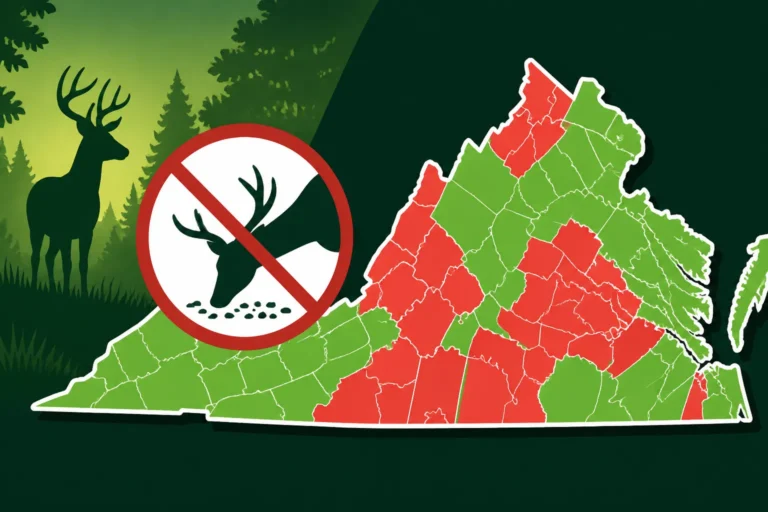
The DWR explicitly designates certain areas as DMAs, and within these boundaries, all deer harvested during specific seasons must be tested for CWD. Currently, Virginia has four DMAs, with DMA1 in the Shenandoah Valley being the most established and encompassing the largest number of CWD-positive cases. Knowing which counties fall into these zones is your first step. For example, in DMA1, which has seen the most CWD activity, counties like Clarke, Frederick, Shenandoah, Warren, and parts of Augusta, Fauquier, and Loudoun are affected. You can dive deeper into specific regional rules for areas like DMA1 Shenandoah Valley Rules to get a clearer picture.
It's not just about knowing the counties; it's also about knowing when the testing is mandatory. Generally, mandatory testing applies to all deer harvested during the firearms seasons, and often during the muzzleloader and archery seasons as well, depending on the specific DMA and the year's regulations. The DWR will publish detailed maps and lists of affected counties and mandatory testing dates annually. Before you head out, check the current Virginia hunting regulations or the DWR website. Tools like the Scouting With the Virginia DWR App can also be invaluable for quickly pulling up current regulations and DMA boundaries right from your phone, even if cell service is spotty. It's your responsibility to be informed, and getting this information before you hunt is key.
Navigating the Mandatory Check-In Process
Once you've harvested a deer in a mandatory testing zone, the next step is to get it to a DWR-approved CWD sampling station. This isn't like your typical voluntary check station; there are specific protocols. You must report your deer harvest through the DWR's online system, by phone, or via the Go Outdoors Virginia mobile app, just as you would any other deer. However, for a deer taken in a DMA, the clock starts ticking for getting it sampled. You typically have a set timeframe – often within 24 or 48 hours – to present the head of the deer at a designated station.
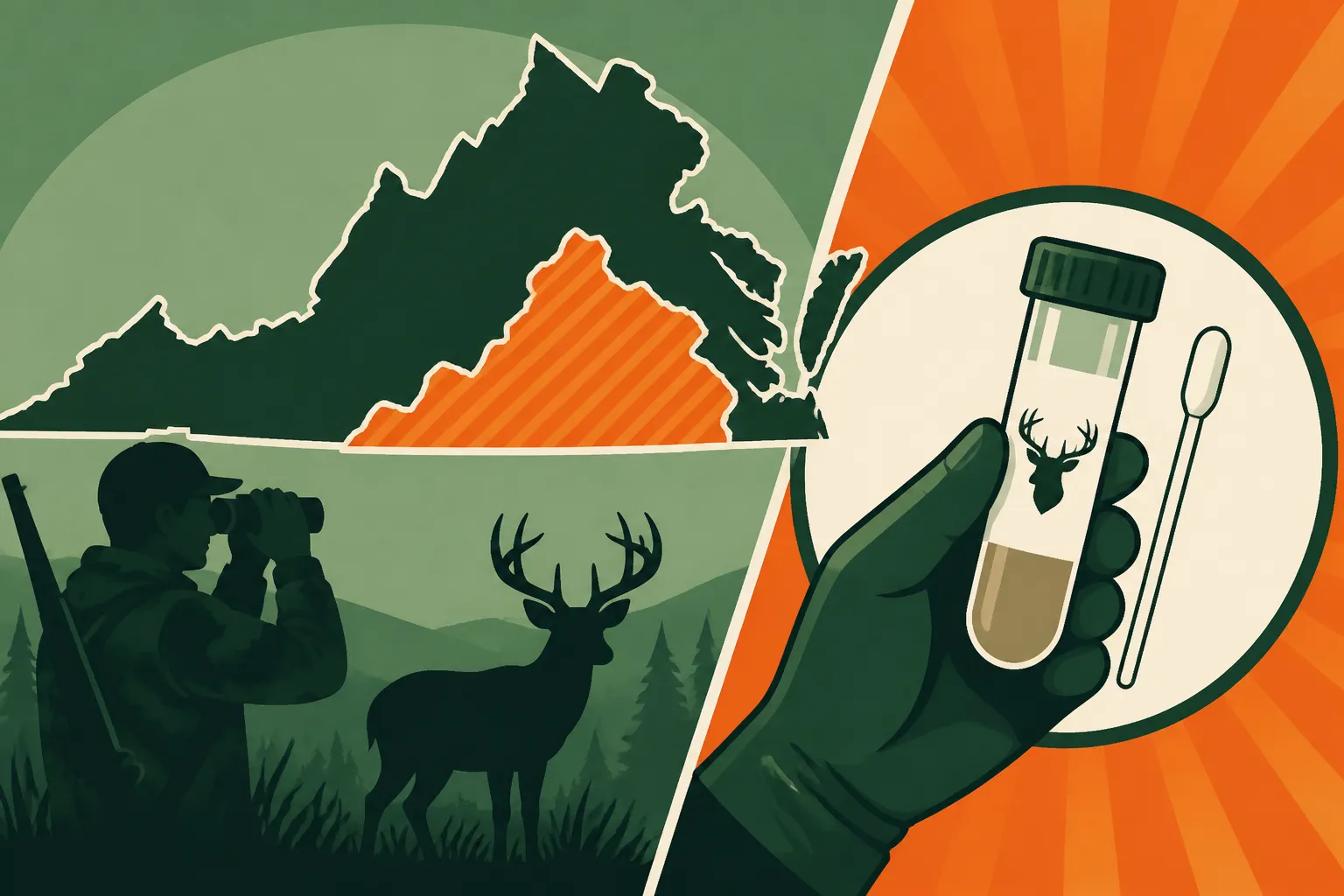
These sampling stations can include DWR offices, specific freezer drop-off locations, or mobile stations deployed during peak hunting weekends. The DWR usually partners with local businesses or even establishes temporary sites to make it as convenient as possible for hunters. The process usually involves providing your license information, the deer's harvest tag number, and identifying the exact location of the kill. DWR staff or trained volunteers will then remove a lymph node sample from the deer's head. It's quick, generally painless, and doesn't impact your ability to process the meat. Remember, the goal here is data collection, not to inconvenience you, though it can certainly feel like an extra task after a long day in the field. To find one near your hunting spot, consult the DWR's interactive map or information about Finding a Virginia CWD Sampling Location.
Here's a quick look at typical requirements within a CWD Management Area:
| Requirement | Description |
|---|---|
| Species Affected | White-tailed deer (and occasionally other cervids if present). |
| Geographic Scope | Within designated CWD Management Area (DMA) boundaries, often covering multiple counties or parts thereof. |
| Mandatory Season(s) | Typically all firearms seasons, often extending to archery and muzzleloader seasons as well. Always check current regulations. |
| Reporting Deadline | Usually within 24-48 hours of harvest, after initial online/phone harvest reporting. |
| Carcass Movement | Strict rules apply. Only certain parts of the carcass (boned-out meat, cleaned skull, hide) can leave the DMA without a negative test result. |
| Testing Procedure | Submission of the deer's head (or specific lymph node sample) at a DWR-approved station for laboratory analysis. |
| Results Notification | Hunters are typically notified by email or can check results online within a few weeks. |
Your Role as a Hunter: Steps for Compliance and Contribution
It’s easy to feel like these regulations are just another layer of bureaucracy, but truly, they are our best defense against CWD devastating our deer herds. As hunters, we are on the front lines, and our active participation in these mandatory testing programs is absolutely vital. Think of it as a direct way to contribute to the health of the very resource we cherish.
Preparing for a CWD Test Check Station
Before you even step foot in a DMA, preparation is key. First, ensure you've thoroughly reviewed the current DWR regulations, paying close attention to the specific rules for Virginia's Eighteen CWD Counties or any DMA you plan to hunt. Know the boundaries. A great way to do this is to utilize mapping applications like GoHunt, which often have DWR public land and DMA overlays that can help you understand exactly where you are in relation to these zones. Having the DWR regulations booklet or the Go Outdoors Virginia app handy on your phone is non-negotiable.
Once you harvest a deer within a DMA, you'll need to report it as usual. But then, be prepared to transport the head (with at least two inches of neck attached) to a sampling station. This means you might need a cooler or a dedicated bag to keep the head clean and manageable until you can get it to a check station. Make sure your vehicle is ready to handle this. It’s a good idea to identify the closest CWD sampling stations to your hunting area before you hunt, so you have a plan. The DWR website usually provides an interactive map with these locations and their operating hours. Some stations might be staffed only on weekends, while others offer self-service drop-off freezers, so knowing this ahead of time will save you a headache.
Interpreting Your Test Results and Carcass Rules
After dropping off your deer's head for testing, the DWR will process the sample, and you'll typically be able to access the results online within a few weeks. They usually assign a unique identification number to your sample at the check station, which you can use to track the results on the DWR website. Receiving a negative result is, of course, the best outcome. It means your deer showed no detectable signs of CWD, and you can enjoy your venison with peace of mind.
However, if your deer tests positive for CWD, the DWR will contact you directly. While it's certainly not the news any hunter wants to hear, it's crucial data for disease management. They will provide guidance on what to do next. This is also where the Virginia Carcass Movement Restrictions come into play. Regardless of your test results, there are strict rules about moving deer carcasses out of a DMA. Generally, only deboned meat, hides, cleaned skull plates with antlers, and taxidermy-ready capes can leave a DMA without a negative test result. This is a critical measure to prevent the geographical spread of CWD. Violating these carcass movement rules, even unknowingly, can lead to fines and penalties. So, even if you plan to process your deer at home outside the DMA, ensure you understand these restrictions and adhere to them strictly. GoHunt tools can also help visualize these zones, making it easier to plan carcass transportation.
Beyond the Mandate: Why Hunter Participation is Critical
While the mandatory testing within DMAs can feel like an extra step or a bit of a burden, it's truly a testament to the dedication of Virginia's hunting community. Your participation goes far beyond just ticking a box; it's a profound contribution to the long-term health of our cherished wildlife and the future of hunting itself.
Protecting Virginia's Deer Herd Long-Term
CWD poses a genuine threat to the sustainability of Virginia's deer population. If left unchecked, the disease can significantly reduce deer numbers and impact the overall health of the herd. When you comply with mandatory testing, you’re providing the DWR with vital scientific data. This data helps them understand the prevalence of the disease, track its spread, and evaluate the effectiveness of their management strategies. Every sample collected helps paint a clearer picture of CWD's footprint in Virginia, allowing the DWR to make informed decisions that benefit all hunters and the deer themselves. For instance, knowing How Many Deer Tested CWD-Positive in 2025-26 directly informs policy and management.
Think about it: who is better positioned to monitor the health of the deer herd than the hunters who are out in the field, observing, and harvesting animals? You are essentially the DWR's eyes and ears on the ground. Your cooperation in testing, adhering to carcass movement restrictions, and reporting sick animals helps to mitigate the spread of CWD, protecting both the deer in your local woodlot and the broader Virginia population. This collective effort ensures that we continue to have robust and healthy deer to pursue for generations to come, something we all want. The future of White-Tailed Deer Across Virginia rests in our hands, too.
Utilizing Resources and Staying Informed
Staying informed about CWD regulations and developments is an ongoing responsibility for every hunter. The DWR is constantly updating its information, and new DMAs can be established, or existing ones modified, as the disease evolves. Make it a habit to check the DWR website before each hunting season, especially if you hunt near known CWD zones. Sign up for DWR newsletters or follow their social media channels to get the most up-to-date information directly.
Beyond official channels, platforms like GoHunt can offer additional resources, including mapping overlays that highlight DMA boundaries and potential check station locations, helping you visualize these critical areas in real-time. Don't be afraid to reach out to DWR staff if you have questions or concerns. They are there to help and understand that these regulations can be complex. Educating yourself and staying proactive is not just about compliance; it's about being a responsible steward of Virginia's wildlife. Knowing about Virginia Wildlife Disease Monitoring programs can empower you to contribute meaningfully and ensure the health of the resource we all love.
Disclaimer
The information provided in this guide is for general informational purposes only and is not intended as legal advice. Hunting regulations, including those related to Chronic Wasting Disease (CWD) and CWD Management Areas (DMAs), can change frequently. Hunters are solely responsible for consulting the most current Virginia Department of Wildlife Resources (DWR) regulations and laws before participating in any hunting activities. Always verify specific dates, locations, and requirements with official DWR sources.