Virginia Duck Daily Bag Limit
Navigating the ever-changing landscape of waterfowl regulations can feel like trying to hit a fast-flying teal in a crosswind – confusing, frustrating, and often leaving you scratching your head. Many of us have stood in the blind, second-guessing if that last mallard was a hen or a drake, or wondering if we’ve hit our pintail limit for the day. This guide aims to clear up the confusion surrounding Virginia’s daily duck bag limits, breaking down the rules so you can hunt confidently and stay compliant.
Understanding Virginia’s Waterfowl Zones and Seasons
Before we even get to how many ducks you can bag, it's absolutely crucial to understand that Virginia isn't just one big hunting area. The Virginia Department of Wildlife Resources (DWR) divides the state into specific waterfowl zones, and your daily bag limit, along with season dates, can hinge entirely on which zone you're hunting in. This regional approach is designed to manage waterfowl populations effectively based on migration patterns, habitat availability, and local bird numbers, which can vary significantly across the Commonwealth.
Why Different Zones Exist
Think about it: the vast Chesapeake Bay and its tributaries host different bird populations and migration dynamics compared to, say, a small inland farm pond in the Piedmont. Waterfowl movements are incredibly complex, influenced by weather, food sources, and breeding success far to the north. Establishing distinct zones allows wildlife managers to tailor seasons and bag limits to these localized conditions. It prevents overharvest in areas where certain species might be less abundant while allowing for more liberal seasons where populations are robust. This is why you'll often see distinct opening and closing dates, even for the same species, depending on your geographic location.
Key Virginia Waterfowl Zones
Virginia generally operates with three primary waterfowl zones that impact duck hunting:
- The Coastal Zone: This typically encompasses areas east of I-95, stretching all the way to the Atlantic Ocean, including the Eastern Shore and the major tidal rivers like the James, York, and Rappahannock. This zone is a major migration corridor and wintering ground for a vast array of ducks, from dabblers like mallards and black ducks to divers like scaup and canvasbacks.
- The James River Zone: This is a specific, often smaller zone, usually defined by the tidal portion of the James River itself. Historically, it’s had unique regulations to protect specific wintering populations or manage hunting pressure in a heavily used waterway.
- The Back Bay/Currituck Sound Zone: Located in the southeastern corner of Virginia, bordering North Carolina, this zone covers a unique brackish water ecosystem. It's renowned for its historical importance to waterfowl, especially snow geese and various duck species, and often has very specific regulations tied to regional management efforts with North Carolina.
It’s vital to consult the latest DWR regulations annually for the exact boundaries and dates for each of these zones, as they can sometimes be adjusted. You can find more comprehensive information on Virginia's waterfowl zones and season dates in a dedicated guide like Virginia Waterfowl Zones and Seasons.
The General Daily Duck Bag Limit
Alright, let's get down to brass tacks: what's the magic number? For the vast majority of duck species in Virginia, there is a general daily bag limit of 6 ducks. This isn't just a simple "any 6 ducks" rule, though. This overarching limit has crucial species-specific sub-limits nested within it, which is where many hunters get tangled up. You can't just shoot six mallards if only two hen mallards are allowed, for instance. It's a combination game, and knowing your birds is half the battle.
The goal here is conservation. The DWR, in coordination with the U.S. Fish and Wildlife Service, sets these limits to ensure sustainable populations for future generations of hunters and wildlife enthusiasts. These numbers are based on population surveys, breeding success, habitat conditions, and harvest data collected over many years.
To give you a clearer picture, here’s a breakdown of the typical daily limits for common duck species you might encounter in Virginia. Remember, these are within the overall 6-duck limit, unless otherwise specified for certain species groups like mergansers or coots.
| Species Group | Daily Bag Limit (within 6-duck aggregate) | Notes |
|---|---|---|
| Mallards | 4 total | Max 2 hen mallards |
| Wood Ducks | 3 | Distinctive, often found in timbered swamps and creeks |
| Black Ducks | 2 | Often wary, found in coastal marshes and tidal rivers |
| Pintails | 1 | Long-necked, elegant dabbler |
| Canvasbacks | 2 | Large, diving duck with a distinctive profile |
| Redheads | 2 | Diving duck, males have a bright red head |
| Scaup (Bluebills) | 2 (during most of the season) | Diving duck, often found in large rafts; limit can change mid-season |
| Mottled Ducks | 1 | Similar to hen mallard, found in coastal areas |
| Northern Shovelers | 2 | Distinctive large, spatulate bill |
| Gadwalls | 2 | Gray-bodied dabbler with a white speculum |
| Wigeon (American) | 2 | Dabbler with a white patch on the wing |
| Other Dabbling Ducks | Varies, typically 6 (aggregate) | Includes species like green-winged teal, blue-winged teal, etc. |
| Other Diving Ducks | Varies, typically 6 (aggregate) | Includes species like ring-necked ducks, buffleheads, goldeneyes |
| Mergansers | 5 total | Separate aggregate limit, max 2 hooded mergansers |
| Coots | 15 total | Separate aggregate limit |
This table is a typical representation, but it is not a substitute for checking the current year's DWR regulations, which can always change. For the full spectrum of waterfowl regulations, including goose limits, it's always a good idea to review the Virginia Duck and Goose Bag Limits for the current season.
Specific Species Limits and Important Regulations
Understanding the overall bag limit is one thing, but the devil is truly in the details when it comes to specific duck species. Misidentifying a bird in the air or on the water can lead to exceeding a species-specific limit, even if you’re under the general 6-duck aggregate. This is where a hunter’s field identification skills really shine, or, conversely, can get them into trouble.
Mallards and Wood Ducks
These are two of the most commonly harvested duck species in Virginia, and they come with specific nuances.
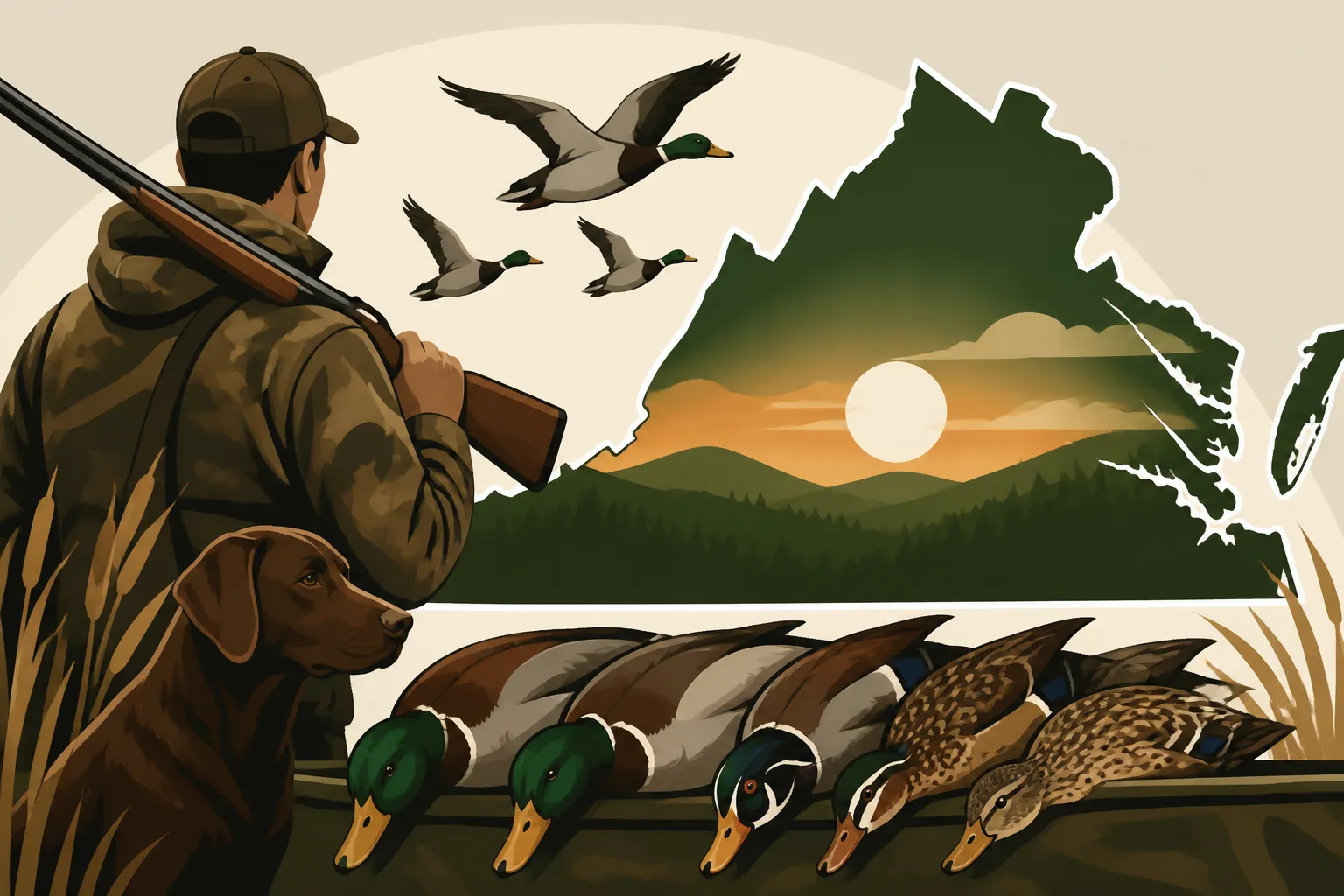
- Mallards: While you can typically take up to 4 mallards as part of your 6-duck daily limit, there's a crucial restriction: you can only harvest a maximum of 2 hen mallards. This regulation is in place because hen mallards are vital for reproduction. Removing too many females can have a disproportionate impact on the next breeding season's population. Differentiating between drakes (males) and hens (females) is usually straightforward, with drakes having that iconic green head. However, in certain lighting or at long distances, it can be tricky. Always err on the side of caution if you're unsure. The vibrant drakes are often the first to grab our attention, but those quieter hens are the backbone of the population.
- Wood Ducks: These stunningly beautiful ducks are often found in wooded swamps, beaver ponds, and timbered creeks throughout Virginia. Their bag limit is typically 3 per day. They're often early fliers, moving at dawn and dusk, and provide exhilarating, fast-paced shooting in tight quarters. Their habitat preferences mean you might not encounter them in open bay settings as often as you would other species, but they are a highly prized bird for many hunters. Learning about Wood Ducks in Virginia Swamps can give you an edge in finding them.
Black Ducks, Pintails, and Canvasbacks
These species often carry lower bag limits, reflecting their conservation status or specific population dynamics. Missing an identification can quickly lead to a violation.
- Black Ducks: The elusive and wary American black duck has a typical daily limit of 2. These birds are highly sought after by many hunters for their challenging nature and excellent table fare. They prefer coastal marshes and brackish water, often mixing with mallards but usually maintaining a greater distance from blinds. Their dark plumage and lack of a bright speculum are key identifiers.
- Pintails: With their long, elegant necks and distinctive pointed tail feathers (especially in drakes), pintails are a beautiful sight. Their limit is usually 1 per day. This low limit underscores their sensitive population status, making accurate identification critical. A pintail drake is almost unmistakable, but hens can be harder to pick out of a mixed flock.
- Canvasbacks: Known as the "king of ducks" to many for their size, speed, and flavor, canvasbacks are powerful diving ducks with a distinct wedge-shaped head and long slope from bill to crown. Their daily limit is typically 2. They prefer large open bodies of water, like the Chesapeake Bay, where they feed on submerged aquatic vegetation. Finding Mallards and Divers on the Chesapeake Bay will often mean you're in canvasback territory, too. These lower limits for black ducks, pintails, and canvasbacks serve as a clear reminder that not all ducks are created equal in the eyes of conservation.
Scaup and Sea Ducks
These groups of ducks often have specific season dates and separate limits, adding another layer of complexity.
- Scaup (Bluebills): Both greater and lesser scaup are typically grouped, and their daily limit can fluctuate, sometimes even within a season. It might be 2 per day for most of the season, but always check current regulations as it has been known to be higher or lower depending on federal frameworks. Scaup are diving ducks often found in large rafts on bigger water bodies. Their distinctive white wing stripe (more prominent on greater scaup) helps identify them in flight.
- Sea Ducks: This category includes species like surf scoters, white-winged scoters, black scoters, and oldsquaw (long-tailed ducks). In Virginia, sea ducks have a completely separate daily bag limit, typically 5 per day, with no more than 4 of any one species. Furthermore, sea ducks usually have their own designated hunting zones and season dates, which are often different from the general duck season. These birds are typically found in the open ocean or large bay areas, and hunting them often involves specialized boats and tactics. You can learn more about Hunting Chesapeake Bay Diving Ducks if this unique hunting experience calls to you.
Mergansers and Coots
Often overlooked but still part of the waterfowl bag, mergansers and coots have their own generous limits.
- Mergansers: These fish-eating ducks (common, red-breasted, and hooded mergansers) have a combined daily bag limit of 5, with a sub-limit of no more than 2 hooded mergansers. Hooded mergansers, with their striking crests, are popular with hunters.
- Coots: These "marsh hens" are technically not ducks but are often hunted alongside them, especially in marshy areas. They have a generous daily bag limit of 15. They make excellent table fare if properly prepared.
Reporting and Identification
The importance of accurate species identification cannot be overstated. Not only is it crucial for staying within legal bag limits, but it also contributes to responsible hunting. If you’re unsure, it’s always better to pass on a shot than to risk a violation or, worse, misidentifying and shooting a protected bird. The Virginia DWR provides excellent resources, including field guides and online identification tools, to help hunters sharpen their skills. You can also refer to the annual DWR Waterfowl Digest. Keeping track of your harvest for reporting is also vital, and apps like GoHunt can help you log your birds and ensure you're within your limits for the day. This data helps the DWR track Virginia Duck Harvest Numbers and informs future season setting.
Important Waterfowl Regulations Beyond the Bag
While knowing your bag limit is paramount, there are several other critical regulations that every Virginia duck hunter must understand and adhere to. Overlooking these can lead to fines, license revocation, and a tarnished reputation for all hunters.
HIP Certification and Federal Duck Stamp
These two items are non-negotiable for anyone hunting migratory birds in Virginia, including ducks.
- HIP Certification: The Harvest Information Program (HIP) is a federal program that requires all migratory bird hunters to register annually. It's free and helps the U.S. Fish and Wildlife Service gather crucial harvest data, which is essential for managing migratory bird populations. You must certify that you intend to hunt migratory birds, even if you only hunt once. It’s essentially a survey, and it takes minutes to complete when you buy your license online. Learn more about Virginia HIP Certification for Bird Hunters.
- Federal Duck Stamp: This is a federal requirement for all waterfowl hunters 16 years of age or older. The Federal Migratory Bird Hunting and Conservation Stamp, commonly known as the "Duck Stamp," costs money, and 98% of the proceeds go directly to conserving wetland habitats for migratory birds. It's an investment in the future of waterfowl hunting. You must physically sign the stamp across the face and carry it with you while hunting. Get all the details on the Virginia Federal Duck Stamp Requirement.
Nontoxic Shot and Ammunition Rules
These rules are in place for environmental protection and safety.
- Nontoxic Shot: This is a federal mandate for waterfowl hunting, and it applies nationwide. You must use nontoxic shot for all waterfowl hunting in Virginia. This means lead shot is strictly prohibited. Common nontoxic alternatives include steel, bismuth, and tungsten-alloy shot. The goal is to prevent lead poisoning in waterfowl and other wildlife that might ingest spent shot pellets. It's a critical regulation that every hunter must follow. For more on this, see Where Nontoxic Shot Is Required in Virginia.
- Ammunition Capacity: Your shotgun must be plugged to limit its capacity to no more than three shells total (one in the chamber, two in the magazine) while hunting waterfowl. This is another long-standing federal regulation designed to prevent overharvest.
Shooting Hours and Retrieval
Ethical hunting practices are enshrined in regulations regarding legal shooting hours and the retrieval of game.
- Shooting Hours: In Virginia, legal shooting hours for waterfowl are generally from one-half hour before sunrise to sunset. Always check an accurate sunrise/sunset table for your specific location on the day you plan to hunt. Shooting outside these hours is a serious violation.
- Retrieval: Hunters are legally and ethically obligated to make every reasonable effort to retrieve all downed birds. This means having a dog, a boat, or other means to get to birds that fall in the water or thick cover. Leaving downed game to waste is not only unethical but also illegal. This rule reinforces the respect we should have for the animals we pursue.
Navigating Complexities and Staying Compliant
The intricate web of waterfowl regulations can be a lot to take in, especially for new hunters or those venturing into a new zone. But with a bit of diligence and the right resources, staying compliant and enjoying your hunt is entirely achievable.
Checking Daily Updates and Resources
The absolute best way to stay on top of Virginia's duck bag limits and other regulations is to make checking the official sources an annual ritual.
- Virginia DWR Website and Digest: The Virginia Department of Wildlife Resources (DWR) website is your primary source for the most current regulations. Each year, they publish a comprehensive Waterfowl Digest, available online and at license vendors, which outlines all season dates, bag limits, and specific rules for each zone. This digest is your bible for the waterfowl season.
- Mobile Apps: Modern technology can be a huge asset. Apps like GoHunt, along with the official Virginia DWR app, can often provide real-time access to regulations, identify your current zone, and even help with species identification. Many hunters use these tools for mapping and navigating public lands, but they are also invaluable for carrying digital copies of regulations in the field, even when cell service is spotty. The DWR app, for instance, is also great for Scouting With the Virginia DWR App. Remember, while these apps are incredibly helpful, the official DWR website and printed digest are the final authority.
Common Mistakes to Avoid
Even seasoned hunters can sometimes make mistakes. Being aware of the most common pitfalls can help you steer clear of violations.
- Misidentification: This is probably the number one reason hunters exceed species-specific bag limits. That "extra mallard" might turn out to be a black duck or a pintail when retrieved, pushing you over the limit. Take your time, learn your ducks, and if you're not 100% sure, don't take the shot. Practice identifying ducks in flight and on the water before and during the season.
- Forgetting Requirements: It's easy to get excited for opening day and overlook the essentials. Did you sign your Federal Duck Stamp? Is your HIP certification current? Is your shotgun plug in place? Double-check these before you head out.
- Not Checking Zone-Specific Dates and Limits: Assuming the statewide regulations apply everywhere is a mistake. As discussed, Virginia's zones have distinct seasons and sometimes slightly different rules. Always confirm the specific dates and limits for the exact zone you plan to hunt.
- "Party Hunting" Misunderstanding: While you can hunt with friends, each hunter is responsible for their own bag limit. You cannot pool your combined limits to allow one person to shoot more than their individual daily limit, even if the total doesn't exceed the sum of everyone's limits.
By understanding these regulations, preparing thoroughly, and exercising good judgment, you can ensure a safe, enjoyable, and legal waterfowl season in Virginia. Respect for the resource and adherence to the law are cornerstones of our hunting heritage.
Disclaimer
The information provided in this guide is for general informational purposes only and is not a substitute for the official regulations issued by the Virginia Department of Wildlife Resources (DWR) and the U.S. Fish and Wildlife Service. Hunting regulations are subject to change annually. Always consult the most current official DWR Waterfowl Digest and federal regulations before hunting.