Crop Damage Hogs Cause in Virginia
It's incredibly frustrating for farmers and landowners in Virginia when feral hogs invade their fields, leaving a path of destruction that can decimate harvests and compromise livelihoods. These intelligent, prolific pests aren't just a nuisance; they pose a severe threat to agricultural operations across the Commonwealth. This guide dives deep into the specific types of crop damage caused by feral hogs, the financial burdens they impose, and the strategies Virginia is employing to combat this growing menace.
The Scourge of Feral Hogs in Virginia Agriculture
The presence of feral hogs, also known as wild pigs or wild boars, is a deeply concerning issue for Virginia’s agricultural community. What might seem like isolated incidents of crop damage are actually symptoms of a much larger, insidious problem that’s rapidly expanding. These animals are highly adaptable, incredibly resilient, and possess a remarkable ability to reproduce at an alarming rate, making them a formidable foe for anyone trying to cultivate the land.
A Growing Problem Across the Commonwealth
While once considered a more localized issue, particularly in the southwestern counties or parts of the Tidewater region where they might have established themselves from previous releases or escapes, feral hogs are now showing up in more and more places across Virginia. We've seen an increase in reports from the Piedmont and even further north. Their expansion is often tied to river bottoms and areas with dense cover, but their ability to travel significant distances in search of food and shelter means no agricultural area is truly safe. Landowners and farmers who've never dealt with them before are suddenly finding their fields torn up overnight, a clear sign that the problem is no longer confined to specific historical strongholds. The Virginia Department of Wildlife Resources (DWR) views these animals as an invasive species, and for good reason – their unchecked spread threatens not just crops, but native wildlife and ecosystems too. Their intelligence and nocturnal habits make them incredibly difficult to track and control, often leading to a cycle of frustration for those trying to protect their valuable fields.
Beyond Just One Field: Ecosystem-Wide Disruption
The destruction wrought by feral hogs extends far beyond the immediate crops they consume or damage. Their constant rooting and wallowing behaviors have a ripple effect that destabilizes entire ecosystems. When hogs churn up soil, they disrupt the delicate balance of microorganisms, alter soil composition, and increase erosion, especially on sloped terrain or near waterways. This can lead to increased sediment runoff into streams and rivers, degrading water quality and impacting aquatic life. Think about a farmer’s meticulously planned crop rotation or a pasture that’s been carefully managed for years; a sounder of hogs can undo months, even years, of effort in a single night. This ecological disruption isn't just an inconvenience; it can lead to long-term soil health issues, making future planting more challenging and less productive, and can even facilitate the spread of invasive plant species by distributing their seeds through their travels.
Types of Crop Damage Caused by Feral Hogs
If you've ever walked through a field after a sounder of feral hogs has passed through, you understand the sheer devastation. It's not just a nibbled ear of corn; it's a scene of chaos, as if a rototiller ran wild through the night. The damage is extensive and multifaceted, hitting farmers where it hurts most: their yield, their soil, and their peace of mind.
Rooting and Tilling: The Obvious Destruction
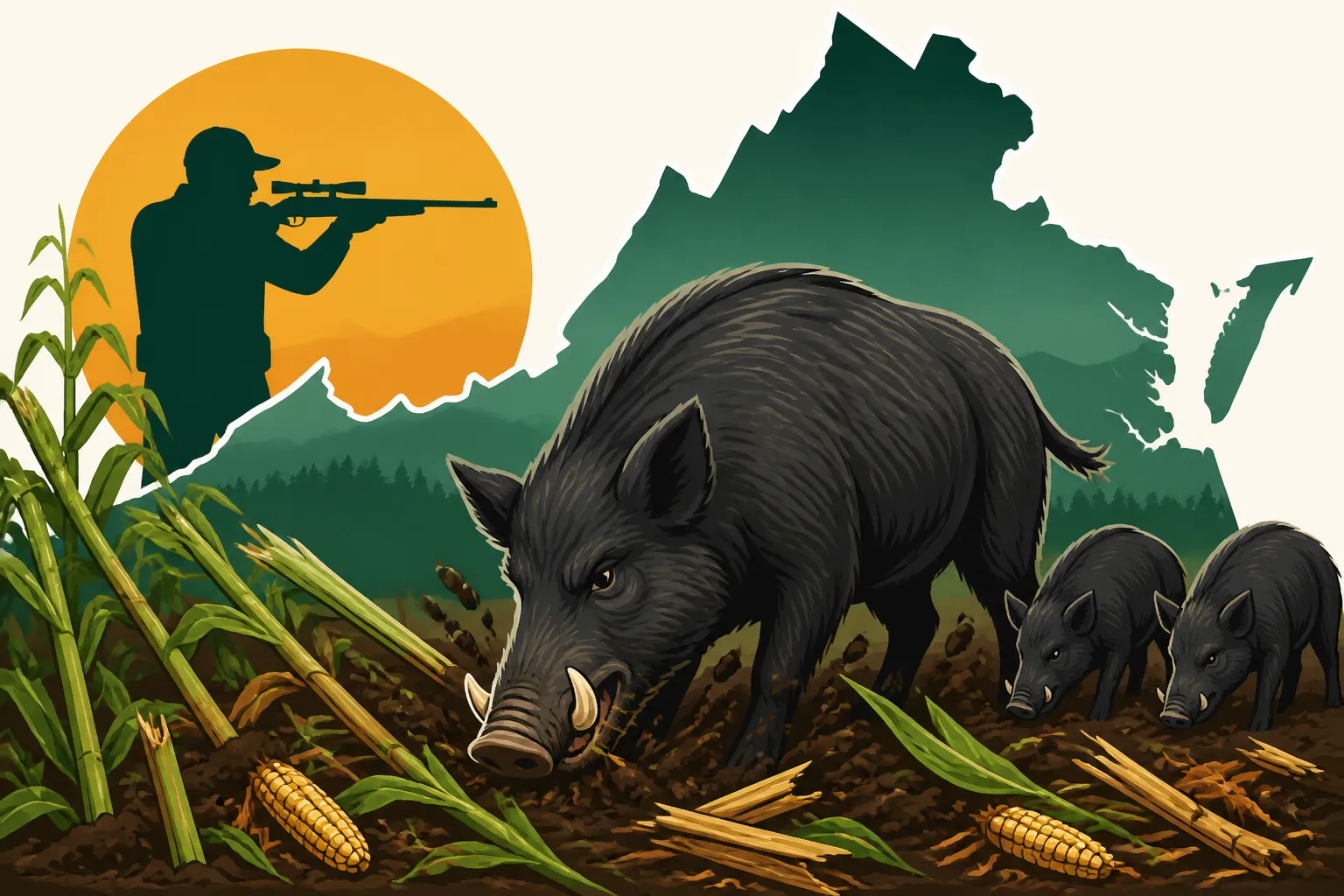
The most recognizable and widespread form of damage caused by feral hogs is their incessant rooting. These animals possess incredibly strong snouts, almost like a natural plow, which they use to dig aggressively into the soil in search of roots, tubers, grubs, and other invertebrates. When they engage in this behavior, they completely overturn large sections of ground, leaving behind a characteristic "tilled" appearance, but without any of the benefits of actual agricultural tilling. This rooting action uproots nascent plants, destroys carefully prepared seedbeds, and exposes fragile root systems to the elements, effectively killing off vast portions of a crop before it even has a chance to mature.
Imagine waking up to find a perfectly uniform row of soybean sprouts or newly emerged cornstalks transformed into a jagged, uneven wasteland of disturbed earth. This isn't just about losing the individual plants; it’s about the wasted effort and resources that went into planting them. Farmers often find their irrigation lines severed, the soil structure compromised, and the topsoil dispersed, making it difficult for remaining plants to thrive and setting the stage for increased erosion. Crops like corn, peanuts, soybeans, sweet potatoes, and even hayfields and pastures are particularly vulnerable to this kind of ground disturbance. The immediate visual evidence of rooting often signifies far greater underlying problems for the farmer.
Direct Consumption and Contamination
Beyond tearing up the ground, feral hogs are also voracious eaters that will directly consume a wide variety of crops. They aren't picky, and their diets are highly opportunistic. While they love to root for subterranean treats, they'll just as readily feast on standing crops, especially as they mature. Picture a field of ripening corn: hogs will break stalks, pull down ears, and gorge themselves, often damaging far more than they actually eat simply through their feeding frenzy. Sweet potatoes, watermelons, pumpkins, and various other fruits and vegetables are prime targets, often being eaten right off the vine or out of the ground.
The problem doesn't stop at direct consumption. Feral hogs are notorious for contaminating crops with their feces, urine, and general unsanitary behaviors. They often wallow in wet areas or around water sources within fields, spreading pathogens and parasites. This contamination can render entire sections of a crop unsalable, even if the plant itself wasn't directly eaten. For example, a patch of commercial produce like melons or leafy greens could be deemed unfit for human consumption due to the risk of disease transmission from hog waste. This secondary damage impacts not only the quantity harvested but also the quality and marketability of the remaining crop, leading to further financial losses for the farmer.
Damage to Infrastructure and Equipment
The destructive reach of feral hogs extends beyond the plants themselves, frequently impacting essential farm infrastructure and equipment. When these animals continually root and wallow, they don't just disturb the soil; they can actively undermine fence lines, causing expensive repairs or allowing livestock to escape. Irrigation systems are particularly vulnerable. Exposed hoses, drip lines, and even PVC pipes can be gnawed on, crushed, or severed by rooting hogs, leading to significant water loss, system failures, and the need for costly replacements and repairs during critical growing periods.
Furthermore, the uneven terrain left behind by extensive rooting creates dangerous conditions for farm machinery. Tractors, combines, and other equipment can sustain damage from jarring impacts, broken axles, or punctures to tires when driven over deeply disturbed and rutted ground. This isn't just an inconvenience; it can lead to expensive repair bills, equipment downtime during crucial harvesting windows, and even pose a safety risk to operators. The costs associated with these infrastructure and equipment repairs often go unnoticed when initially calculating crop losses, but they add another layer of financial burden to the farmer already struggling with direct yield reduction.
Economic and Operational Impact on Virginia Farmers
The ongoing battle against feral hogs is more than just a nuisance for Virginia's agricultural community; it's a significant drain on their finances and an added layer of operational complexity. Farmers dedicate immense resources, time, and effort into cultivating their land, and to see it undone by an invasive species is both disheartening and economically devastating.
Financial Losses from Yield Reduction and Quality Degradation
The most immediate and obvious impact of feral hog damage is the direct financial loss incurred from reduced crop yields. When acres of corn are rooted up, soybean plants are destroyed, or peanut fields are dug over, that's revenue literally vanishing from the farmer's ledger. This isn't just about the portion of the crop that’s consumed; it’s about the plants that are damaged beyond recovery, the seed that doesn't germinate due to soil disturbance, and the overall decrease in productivity across affected areas. Consider a farmer with a contract to deliver a certain tonnage of a specific crop. If hogs reduce their harvest by 20% or even 50% in heavily impacted areas, they might struggle to meet their commitments, potentially incurring penalties or losing future business opportunities.
Beyond the sheer volume lost, there's the issue of quality degradation. As mentioned earlier, contamination by hog feces and urine can render an otherwise healthy crop unmarketable. Even if the contamination isn't extensive enough to warrant a total write-off, the extra labor involved in sorting and cleaning damaged produce, or the lower price fetched for compromised goods, further erodes profitability. For Virginia farmers already operating on tight margins, these losses can be the difference between a successful season and one that puts their entire operation at risk. The psychological toll of watching one's hard work literally be torn apart overnight also can't be understated, adding a layer of stress to an already demanding profession.
Increased Management Costs and Labor
Addressing a feral hog problem isn't cheap or easy; it demands significant investment in both time and money, adding considerable operational overhead. Farmers often find themselves having to divert resources from other critical tasks to implement control measures. This can include purchasing and deploying expensive trapping systems like corral traps or drop nets, which require regular maintenance and monitoring. The cost of bait for these traps can also add up, especially when continuous baiting is necessary to habituate sounders. Farmers might need to invest in night vision or thermal optics for scouting and hunting if they choose to pursue that avenue, adding another layer of expense.
Furthermore, the labor involved in managing hogs is extensive. Setting up and checking traps, repairing damaged fences, walking fields to assess new rooting, and coordinating hunting efforts all consume valuable time that could otherwise be spent on planting, cultivating, or harvesting. For many family farms, this means working even longer hours, often late into the night, just to keep the hogs at bay. Tools like the Virginia DWR App can help identify general areas for scouting, but the on-the-ground reality of dealing with these pests is a constant, labor-intensive battle. If a farmer employs specialized hog control services, those costs can run into the thousands, further diminishing already strained budgets. The ongoing nature of the problem means these aren't one-time expenses but recurring costs that can significantly impact a farm's long-term sustainability.
Mitigating Feral Hog Crop Damage
Confronting the relentless damage caused by feral hogs requires a multi-pronged approach. There’s no single magic bullet, and what works effectively often involves a combination of strategies, persistence, and often, collaboration. Virginia landowners are constantly seeking the most effective ways to protect their investments from these destructive invaders.
Trapping Strategies and Best Practices
Trapping is widely considered one of the most effective methods for reducing feral hog populations and, consequently, mitigating crop damage. The key isn't just to catch one or two individuals, but to remove entire "sounders" – the family groups that hogs live in. This is where large-scale, smart trapping systems shine. Corral traps, which are large enclosures with remotely triggered gates, are particularly effective because they can capture multiple hogs at once. Drop nets, also often remote-triggered, serve a similar purpose, quickly capturing a whole group. The use of advanced game cameras that can send real-time alerts to a smartphone, often through integrated platforms or specialized apps, can be incredibly helpful for monitoring these traps.
The success of any trapping operation hinges on a few best practices. First, extensive pre-baiting is crucial. This involves consistently placing bait (like fermented corn) in and around the trap site for several days or even weeks before setting the trap to allow the entire sounder to become comfortable feeding there. Second, strategic placement is vital; traps should be located in areas of known hog activity, such as travel corridors, wallows, or areas showing fresh rooting. Third, continuous monitoring, either in person or remotely, is essential to ensure humane capture and timely removal of trapped animals. Ignoring these steps often leads to "trap shyness" where hogs learn to avoid traps, making future efforts much harder. For more in-depth guidance, hunters and landowners can refer to resources like Trapping Virginia Feral Hogs for detailed techniques and regulations.
Exclusion Fencing and Repellents
While trapping aims to remove hogs, exclusion methods focus on preventing them from entering sensitive areas in the first place. Fencing, particularly electric fencing, can be a highly effective barrier around high-value crops or smaller, vulnerable plots. A multi-strand electric fence, with wires positioned at varying heights to deter hogs of all sizes, can be a significant deterrent. It's important that the bottom wire is very close to the ground, as hogs are expert at rooting underneath obstacles. Regular maintenance is key to ensure the fence remains charged and free of vegetation that could cause shorts. While the initial investment in robust fencing can be substantial, it can be a worthwhile long-term solution for protecting specific areas.
Chemical repellents, on the other hand, generally offer a more limited and short-term solution for widespread hog control. There are some products designed to deter wildlife, but hogs are notoriously intelligent and adaptable. While a repellent might offer temporary relief in a small, localized area, its effectiveness across large agricultural fields or over extended periods is often minimal. Hogs quickly learn to ignore unfamiliar scents or tastes if their motivation for food is high enough, especially if food sources are scarce elsewhere. Therefore, repellents are rarely considered a primary solution for severe crop damage but might be used as a supplementary measure in very specific, low-pressure situations.
Regulated Hunting and Virginia's Approach
Hunting plays a critical role in feral hog management in Virginia, especially when combined with other methods. The Virginia Department of Wildlife Resources (DWR) classifies feral hogs as an invasive species, which means they are not considered a game animal and can be hunted year-round on private land with landowner permission. This broad allowance for control reflects the urgency of managing their populations. Landowners and hunters alike can contribute to this effort. For those wondering about the specifics, resources like Virginia Feral Hog Regulations or Virginia's Year-Round Hog Rule on Private Land provide clear guidelines.
Hunters often seek out these animals, not just for the challenge but also for the opportunity to help landowners. Night hunting, particularly with the aid of thermal or night vision optics, is proving to be a highly effective method, as hogs are primarily nocturnal. Virginia allows for Night Hunting Hogs With Lights on Private Land under specific conditions, which can be a game-changer for reducing hog numbers. While hunting alone may not eradicate a deeply entrenched sounder, it can significantly reduce populations and instill a level of pressure that makes hogs more wary and less likely to frequent open agricultural fields during daylight hours. This sustained pressure from hunting, especially when targeting entire sounders, is an essential component of a comprehensive management strategy for Virginia's Year-Round Feral Hogs.
Long-Term Consequences and Community Efforts
The relentless activity of feral hogs doesn't just impact a single harvest; it leaves a lasting mark on the land and poses a complex challenge that often demands more than individual action. Understanding these long-term ramifications underscores the importance of a broader, more collaborative approach.
Soil Degradation and Water Quality Issues
The extensive and continuous rooting behavior of feral hogs has profound long-term consequences for soil health. Their digging actions disrupt the natural soil structure, breaking down soil aggregates and compacting the ground in some areas while loosening it excessively in others. This disruption leads to increased erosion, as topsoil, rich in nutrients, is easily washed away by rain or blown by wind. Over time, this can significantly reduce soil fertility, making it harder for future crops to establish strong root systems and absorb essential nutrients. Farmers might find themselves needing to invest more in fertilizers and soil amendments to counteract this damage, adding yet another layer of cost.
Furthermore, the impact on water quality is a serious concern. As hogs disturb soil, they facilitate the runoff of sediment into nearby streams, rivers, and ponds. This increased sedimentation can harm aquatic habitats, reduce water clarity, and carry agricultural chemicals and hog waste into water sources. The wallowing behavior of hogs, where they create muddy depressions, also contributes to localized water contamination, acting as breeding grounds for bacteria and parasites that can then spread to other wildlife or even livestock. This widespread contamination impacts not only agricultural interests but also broader environmental health, affecting everything from drinking water sources to recreational fishing and native aquatic biodiversity.
Collaborative Management and Hunter Involvement
Given the pervasive nature of the feral hog problem and its far-reaching consequences, individual efforts, while important, are often insufficient to achieve sustainable control. Effective management almost always requires a collaborative approach involving landowners, agricultural communities, local government agencies, and the hunting community. Sharing information about hog sightings, damage hotspots, and successful control methods among neighbors can lead to more coordinated and impactful efforts. A sounder that is pushed off one property might simply move to an adjacent one, making a unified front much more effective.
Hunter involvement is particularly crucial. Many hunters are eager to help control these destructive animals and possess the skills and equipment to do so effectively. Landowners who are experiencing hog damage should consider reaching out to local hunting clubs or individuals who specialize in hog hunting. Establishing clear lines of communication and permission for access, such as understanding the nuances of Getting Private Land Permission in Virginia, can create a powerful partnership. Agencies like the Virginia DWR often encourage such collaborations and can provide guidance on control methods. By working together, sharing resources, and adopting a community-wide strategy, we stand a much better chance of reducing the devastating crop damage and long-term ecological impact caused by feral hogs in Virginia.
Here's a quick look at common crop types and the unique ways feral hogs tend to damage them:
| Crop Type | Primary Damage Mechanism(s) | Specific Impact |
|---|---|---|
| Corn | Rooting, direct consumption, breaking stalks | Uprooted seedlings, ears eaten off stalk, stalks flattened/damaged, contamination |
| Soybeans | Rooting, trampling, consumption of pods/plants | Entire fields flattened in patches, young plants uprooted, reduced pod development |
| **Peanuts | Extensive rooting, direct consumption of pods | Severe disturbance of soil, entire plants dug up, significant yield loss |
| Sweet Potatoes | Heavy rooting, consumption of tubers | Tubers dug up and eaten, extensive soil disturbance, unmarketable remaining crop |
| Hay/Pasture | Rooting, wallowing, trampling, soil compaction | Destroys forage quality, uneven ground for machinery, reduced palatability for livestock |
| Watermelons/Melons | Direct consumption, trampling, contamination | Fruits chewed/destroyed, vines broken, contamination rendering fruits unsaleable |
| Small Grains (Wheat, Oats) | Rooting young plants, trampling, consumption of grain heads | Reduced stand density, patches flattened, grain consumed or contaminated |
Disclaimer
Please note that hunting regulations, seasons, and licensing requirements can change. Always consult the most current Virginia Department of Wildlife Resources (DWR) regulations before engaging in any hunting activities. The information provided here is for general guidance and educational purposes only.