How Many Ducks Winter on the Chesapeake Bay
Many hunters and wildlife enthusiasts across Virginia gaze out over the vast expanse of the Chesapeake Bay in winter, wondering just how many ducks truly call this incredible estuary home during the colder months. It’s a question that can feel overwhelming, given the sheer size of the Bay and the dynamic nature of migratory birds. This guide aims to pull back the curtain on this annual phenomenon, exploring why the Chesapeake Bay is such a critical wintering ground, the challenges of estimating waterfowl populations, and the key species you're likely to find there.
The Chesapeake Bay: A Waterfowl Mecca
The Chesapeake Bay isn't just a large body of water; it's a vibrant, productive ecosystem that has served as a crucial wintering habitat for millions of migratory waterfowl for millennia. Its unique geography and ecological richness create an irresistible draw for ducks traveling down the Atlantic Flyway.
Why the Bay Attracts So Many Ducks
Imagine flying thousands of miles from the Arctic tundra or the boreal forests of Canada, battling harsh winds and exhausting your energy reserves. What you'd be looking for is a place with abundant food, relatively mild weather, and safe places to rest and escape predators. The Chesapeake Bay offers all of this in spades. Its expansive shallow waters, vast marshes, and associated agricultural lands provide an incredible buffet of aquatic vegetation, invertebrates, fish, and waste grain. This rich smorgasbord is critical for ducks needing to refuel and maintain their body condition through the lean winter months.
Beyond food, the Bay's sheer size and intricate network of coves, estuaries, and islands offer a diverse range of habitats. Diving ducks, with their penchant for deeper water and submerged vegetation, find ample room to forage. Dabbling ducks, which prefer shallower waters and emergent vegetation, can spread out across the extensive tidal marshes and flooded timber. The relatively milder climate compared to their northern breeding grounds also means less energy is expended just staying warm, allowing birds to focus on feeding and resting. It's a natural oasis at the end of a long, arduous journey.
General Trends in Wintering Duck Numbers
It’s tempting to ask for a single, definitive number of ducks that winter on the Chesapeake Bay, but the reality is far more fluid and complex. Waterfowl populations are inherently dynamic, influenced by everything from breeding success on their northern nesting grounds to local habitat conditions and prevailing weather patterns during migration. One year might see an influx of certain species due to a severe cold snap farther north, pushing birds south earlier and in greater numbers. Another year, a mild winter might mean many ducks never make it all the way down to Virginia, choosing to stop in more northern states where conditions remain favorable.
What we do know are general trends and long-term averages. Historically, the Chesapeake Bay has wintered a significant percentage of the entire Atlantic Flyway's waterfowl population, often hosting over a million birds at peak times. While this number can fluctuate dramatically season to season and vary widely by specific species, the Bay remains an indisputably vital wintering area. Hunters paying attention to these trends, perhaps by checking resources like GoHunt or state wildlife agency reports, can better understand what to expect each season.
Understanding the Numbers: Challenges and Estimates
Pinpointing an exact number of ducks wintering on the Chesapeake Bay is a bit like trying to photograph every star in the night sky – an impossible task for a single observer. The challenges are numerous, but wildlife agencies employ robust methods to provide valuable estimates and track trends.
The Difficulties of Counting Migratory Birds
Imagine trying to count millions of birds, some of which are constantly moving, diving, or hidden in dense marsh grass, across an area as vast and convoluted as the Chesapeake Bay. This is the monumental task faced by wildlife biologists. Traditional aerial surveys, while incredibly effective, have their limitations. Birds can be obscured by weather, dense cover, or simply be too spread out to count accurately from an airplane flying at a consistent altitude. Plus, birds don't stay put; they move between feeding and roosting areas, sometimes even flying to different parts of the Bay or even nearby river systems on a daily basis.
Furthermore, different species behave differently. A large raft of scaup might be relatively easy to spot on open water, but a scattered group of black ducks feeding in a tidal creek among the reeds is much harder to enumerate. These factors mean that any "count" is always an estimate, based on standardized methodologies designed to provide consistent, comparable data over time, rather than a precise census of every single duck. It's about understanding the big picture and the direction populations are heading.
Annual Surveys and Data Sources
Despite the challenges, state and federal wildlife agencies like the Virginia Department of Wildlife Resources (DWR) and the U.S. Fish and Wildlife Service (USFWS) conduct annual waterfowl surveys that are absolutely essential. These surveys typically involve aerial observers flying predetermined transects across the Bay and its tributaries, counting visible waterfowl. This data is then compiled and analyzed to generate population estimates for various species and to track long-term trends. These surveys usually happen during the peak wintering period, often in January, when most migratory birds have settled into their wintering grounds.
The numbers produced from these surveys, while estimates, are invaluable. They inform management decisions, help set hunting regulations, and provide hunters and conservationists with a clear picture of the health of waterfowl populations. While specific real-time numbers are rarely released daily, these annual reports offer a critical snapshot. Hunters can use platforms that integrate public data, like GoHunt, to help visualize historical trends and understand the broader ecological picture affecting the birds they pursue. This kind of information helps us all become more informed stewards of these amazing resources. You can often find detailed breakdowns in documents like Virginia Duck Harvest Numbers and insights into Virginia Waterfowl Migration Timing.
Key Duck Species Wintering on the Bay
The Chesapeake Bay is a diverse habitat, attracting a wide array of duck species, each with its own preferences for food and environment. Understanding these preferences can give you a better idea of where to find certain birds.
Diving Ducks: Canvasbacks, Redheads, and Scaup
The deep, open waters and rich beds of submerged aquatic vegetation (SAV) of the Chesapeake Bay are a haven for diving ducks. These birds, unlike their dabbling cousins, typically dive completely underwater to find their food, which often consists of bay grasses, small clams, snails, and other invertebrates.
- Canvasbacks: Often considered the "king of ducks" by many waterfowlers, canvasbacks are particularly fond of the Bay's ample supply of wild celery and other SAV. They form large, distinctive rafts on open water, especially in the deeper, less disturbed sections of the Bay. Virginia is an incredibly important wintering ground for canvasbacks, sometimes hosting a significant portion of the entire continental population. Their numbers can be quite impressive, especially in certain years when northern feeding grounds freeze up.
- Redheads: These striking diving ducks also favor the Bay's SAV beds but often prefer slightly shallower, brackish waters than canvasbacks. They're strong swimmers and divers, feeding on similar vegetation and invertebrates. While perhaps not as numerous as scaup, redheads are a cherished sight on the winter Bay and contribute significantly to the overall diving duck population.
- Scaup (Greater and Lesser): Often collectively referred to as "bluebills," scaup are typically the most numerous diving ducks on the Chesapeake Bay. They are highly gregarious, forming massive rafts of thousands of birds on the open water. While they'll eat SAV, they are also heavy consumers of small clams and mussels, often found in the Bay's bottom sediments. These birds are resilient and can be found across many parts of the Bay, often in impressive concentrations that can blacken the water surface. Their presence is a hallmark of the Bay's winter waterfowl scene, and hunters often target them in specific areas detailed in guides like Hunting Chesapeake Bay Diving Ducks.
Dabbling Ducks: Mallards, Black Ducks, and Wigeon
Dabbling ducks, also known as puddle ducks, prefer shallower waters where they can "tip up" to feed, rather than fully submerging. They are often found in marshes, tidal creeks, flooded agricultural fields, and the fringes of the main Bay, where they feed on seeds, grains, aquatic insects, and vegetation.
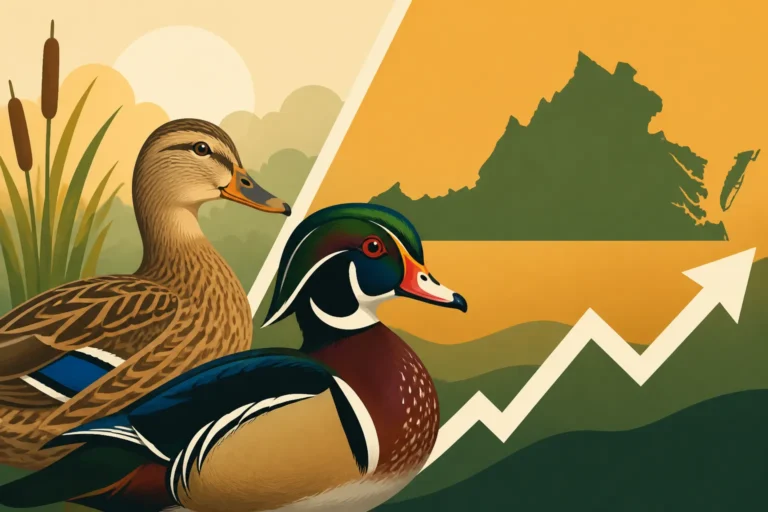
- Mallards: Everyone's favorite greenhead, the mallard, is a ubiquitous sight across Virginia, and the Chesapeake Bay region is no exception. While they'll use the Bay itself, you'll often find them concentrated in the freshwater and brackish marshes that fringe the main body, as well as in flooded timber and agricultural fields nearby. They're highly adaptable and can be found almost anywhere there's water and food, making them a primary target for many waterfowlers.
- American Black Ducks: These wary ducks are native to the Atlantic Flyway and are strongly associated with coastal marshes and tidal estuaries. The Chesapeake Bay provides essential habitat for black ducks, particularly in the more secluded and undisturbed marsh systems. They have a preference for natural foods found in these environments and are often considered a more challenging and rewarding bird to hunt due to their keen senses and cautious nature. Their survival is closely tied to the health of these sensitive coastal habitats.
- American Wigeon: Known for their distinct "whistle" call, wigeon are agile dabblers that often graze on submerged vegetation, sometimes even stealing food from diving ducks! They frequent shallow marshes, impoundments, and open water areas with plenty of aquatic plants. The Bay provides excellent wintering grounds for wigeon, and they are often found in mixed flocks with other dabblers.
Other Notable Waterfowl Visitors
While ducks often steal the show, the Chesapeake Bay is also a critical wintering ground for other waterfowl, notably geese and sea ducks.
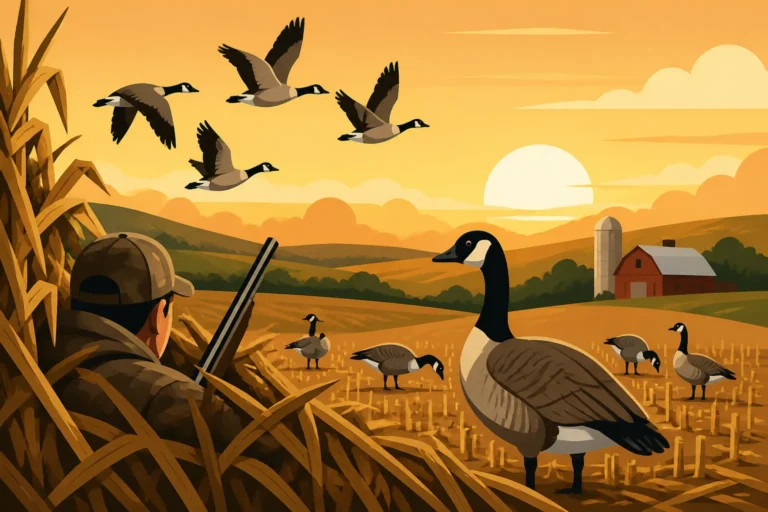
- Canada Geese: Resident and migratory Canada geese are abundant across the Bay region. While many geese are now year-round residents, significant numbers of migratory birds still join them during the winter, utilizing agricultural fields surrounding the Bay, as well as open water and marsh areas. Their deep honks are an iconic sound of the Virginia winter landscape. You can learn more about these birds in articles like Virginia Resident Canada Goose Population.
- Snow Geese: These beautiful white geese descend upon the Eastern Shore in immense numbers, often forming massive flocks that can literally blanket agricultural fields. They primarily feed on waste grain and roots, and their presence is a spectacular, if sometimes noisy, sight. Their migration patterns and feeding habits make them a unique challenge for hunters. For those interested in goose hunting tactics, there's Early Goose Season Tactics in Virginia.
- Sea Ducks (Scoters, Oldsquaws/Long-tailed Ducks): While not typically considered "Bay ducks" in the same way dabblers and divers are, certain sea ducks do utilize the open waters of the lower Chesapeake Bay, particularly closer to the mouth of the Bay and the ocean. Scoters and long-tailed ducks are robust birds that feed heavily on shellfish and are incredibly hardy, braving the roughest conditions the Bay can offer.
Factors Influencing Wintering Duck Populations
The number of ducks that choose to spend their winter on the Chesapeake Bay isn't static; it's a dynamic figure influenced by a complex interplay of environmental factors, both local and far-reaching. Understanding these influences can shed light on why some years feel more abundant than others.
Habitat Conditions and Food Availability
At the heart of any waterfowl population's decision to winter in a particular area is the availability of food and suitable habitat. For the Chesapeake Bay, this means the health of its submerged aquatic vegetation (SAV) beds, the abundance of aquatic invertebrates, and the productivity of surrounding agricultural lands. A robust growth of wild celery, sago pondweed, and other bay grasses provides crucial forage for diving ducks like canvasbacks and redheads. When these grass beds decline due, for example, to poor water quality, sedimentation, or disease, the Bay's carrying capacity for these species is directly impacted.
Similarly, the quality and quantity of tidal marshes and flooded impoundments directly affect dabbling ducks. These areas provide seeds, insects, and protective cover. Drought conditions can reduce available wetland acreage, while heavy rainfall can flood fields, making waste grain more accessible. Land-use changes around the Bay, such as agricultural development or urbanization, also play a significant role. Hunters often use tools like GoHunt to scout areas and identify zones with healthy habitat, which is key to finding concentrations of birds.
Weather Patterns and Migration
The weather conditions both up north and within Virginia itself are colossal drivers of how many ducks arrive and stay on the Chesapeake Bay. A mild winter across the northern states and Canada might mean that many ducks don't feel the need to migrate as far south. They can find open water and sufficient food in states like Pennsylvania or New York, resulting in fewer birds pushing down to Virginia. This can be frustrating for hunters in Virginia hoping for a strong showing.
Conversely, a severe cold front that rapidly freezes over lakes and rivers to the north can push a massive influx of ducks down the Atlantic Flyway in a short period. When bitter winds and ice force birds out of their northern haunts, the relatively warmer, ice-free waters of the Chesapeake Bay become an irresistible refuge. This often leads to a "boom" in waterfowl numbers, creating exciting hunting opportunities and spectacular wildlife viewing. Sustained cold weather throughout the winter then helps to hold these birds on the Bay, as they are less likely to reverse migration.
Hunting Pressure and Conservation Efforts
While the Bay supports a large number of wintering ducks, hunting pressure and ongoing conservation efforts also factor into population dynamics and distribution. Regulated hunting, with scientifically determined bag limits and season lengths (like those outlined in Virginia Duck and Goose Bag Limits), ensures that harvest levels are sustainable and do not negatively impact long-term populations. Hunters, through their license fees and purchases of stamps like the Federal Duck Stamp, are actually primary funders of waterfowl conservation and habitat restoration projects.
Conservation groups and state agencies are continually working to restore habitat, improve water quality, and create refuges where ducks can rest undisturbed. These protected areas are vital, offering sanctuary from disturbance and allowing birds to conserve energy. The combination of responsible hunting management and dedicated conservation work helps to ensure that the Chesapeake Bay remains a vital link in the Atlantic Flyway, supporting healthy populations of wintering waterfowl for generations to come. Understanding zones and rules, such as those covered in Virginia Duck Zone Boundaries, helps hunters participate responsibly.
Wintering Duck Species and Their Chesapeake Bay Habits
To give you a clearer picture, here's a brief overview of some common wintering ducks on the Bay and their typical feeding habits and locations.
| Duck Species | Primary Feeding Habit | Preferred Chesapeake Bay Locations |
|---|---|---|
| Canvasback | Diving for submerged aquatic vegetation (SAV) | Deeper, open waters of the main Bay, large tributaries with SAV |
| Redhead | Diving for SAV, some invertebrates | Shallower, brackish waters, especially with grass beds |
| Scaup | Diving for small clams, mussels, some SAV | Large rafts on open Bay waters, deeper tidal creeks |
| Mallard | Dabbling for seeds, grains, aquatic insects | Freshwater and brackish marshes, flooded timber, agricultural fields |
| Black Duck | Dabbling for seeds, insects, marine worms | Secluded tidal marshes, brackish impoundments, oyster beds |
| American Wigeon | Dabbling/grazing on SAV, seeds, insects | Shallow marshes, impoundments, open water near vegetation |
| Canada Goose | Grazing on grasses, waste grain | Agricultural fields, open water, large ponds |
| Snow Goose | Grazing on waste grain, roots | Large agricultural fields, particularly on the Eastern Shore |
Disclaimer
This article is for general informational purposes only and does not constitute professional advice. Laws, prices and regulations vary by location and change over time. Consult a qualified professional for guidance on your specific situation.