Reporting a Sick Animal in Virginia
It’s a sight that can stop you dead in your tracks, pulling at your heartstrings and sparking a natural concern: a wild animal that just doesn't look right. Maybe it's a deer stumbling in a field, a turkey acting disoriented, or a fox with an alarming loss of fur. Encountering a sick or injured animal in Virginia can be unsettling, leaving you wondering what to do and if you should even intervene. This guide will walk you through why reporting these sightings is vital, what signs to look for, and the correct steps to take, ensuring you help Virginia's wildlife safely and effectively.
Why Reporting a Sick Animal is Crucial for Virginia's Wildlife Health
When you spot an animal that appears sick or injured, your first instinct might be to help, or perhaps to simply avoid it. However, reporting these observations to the right authorities is one of the most impactful things a concerned citizen or hunter can do. It's not just about that individual animal; it’s about the health of entire local populations and, sometimes, even the broader ecosystem.
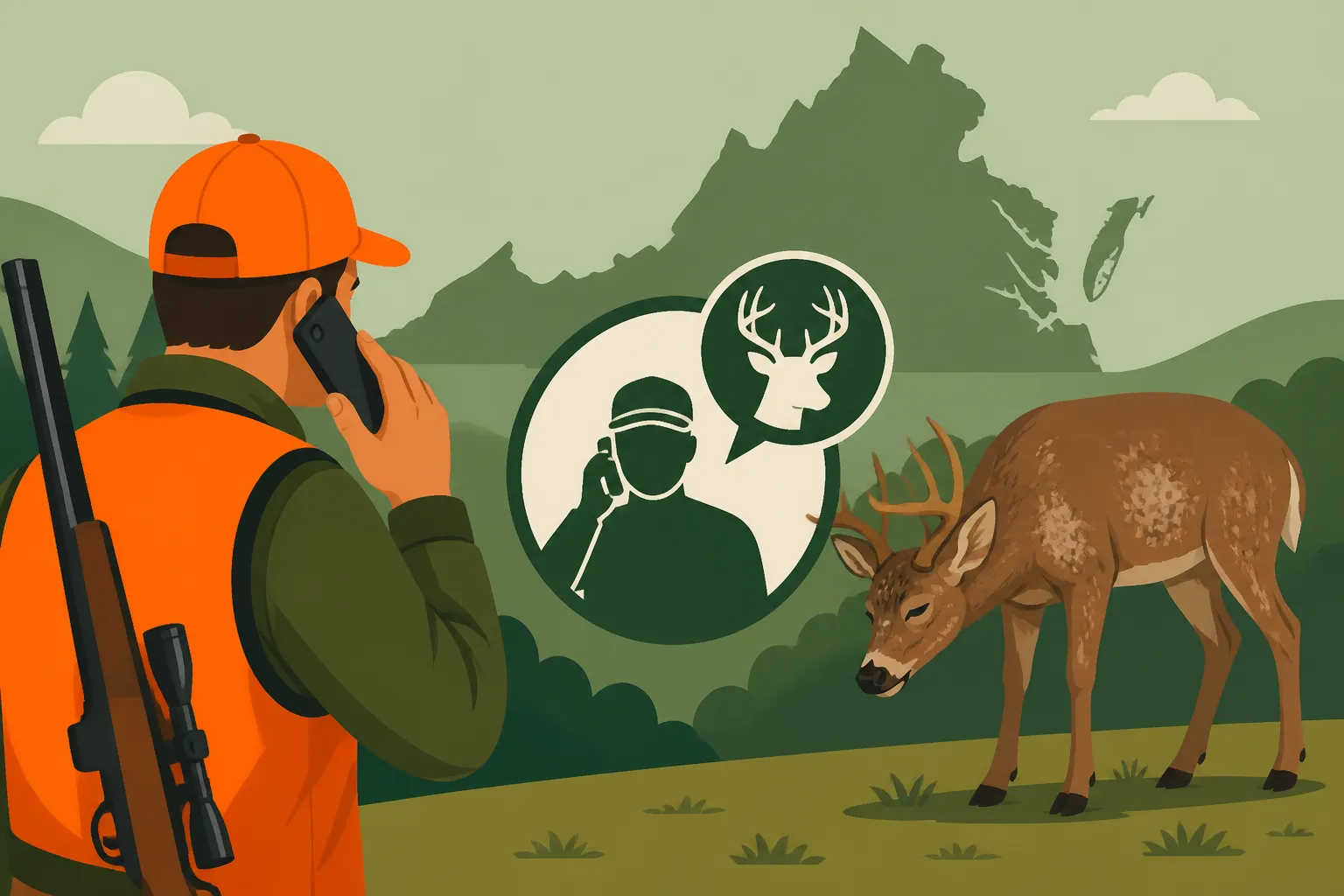
Imagine you're out scouting for deer, perhaps using a mapping tool like GoHunt to navigate a new section of the George Washington National Forest Hunting area, and you come across a buck acting lethargic, drooling excessively, and looking emaciated. This isn't just a sad sight; it could be a sign of a serious disease like Chronic Wasting Disease (CWD). Diseases like CWD, Epizootic Hemorrhagic Disease (EHD), or even rabies can spread rapidly through animal populations, impacting their numbers, health, and ultimately, the hunting opportunities we all cherish. Early detection through public reporting is a critical tool for wildlife agencies to monitor outbreaks, understand disease distribution, and implement management strategies. Without your eyes on the ground, many critical cases might go unnoticed until they've escalated significantly. Virginia Wildlife Disease Monitoring relies heavily on these reports.
Understanding Disease Surveillance
Wildlife agencies, like the Virginia Department of Wildlife Resources (DWR), actively engage in disease surveillance. This isn't just a fancy term; it's a constant effort to keep tabs on the health of wild animals. Every report you make becomes a piece of a much larger puzzle. It helps biologists understand if a disease is emerging in a new area, if an existing disease is spreading, or if certain populations are showing unusual susceptibility. For instance, reports of deer exhibiting specific symptoms help the DWR track the geographic spread of CWD, particularly within Virginia's Eighteen CWD Counties. This allows them to put into place regulations, such as specific Virginia CWD Testing for Hunters or Virginia Carcass Movement Restrictions, to try and contain the disease.
Protecting Domestic Animals and Human Health
It’s also important to remember that some wildlife diseases can pose risks to domestic animals and, in rare cases, even humans. Rabies, for example, is a deadly viral disease that can be transmitted from infected wildlife (like foxes, raccoons, or bats) to pets and people. Mange, while generally not a direct human health risk, can be devastating to animals like coyotes and bears, and it's a strong indicator of an animal in distress. Mange in Virginia Coyotes, Foxes and Bears is a concern the DWR closely tracks. By reporting animals showing signs of these conditions, you're not just helping the wildlife; you're contributing to public health and safety, creating a safer environment for everyone who enjoys the outdoors.
Recognizing the Red Flags: Signs of Illness or Injury in Virginia Wildlife
Knowing what constitutes a "sick" or "injured" animal is key. It's not always as obvious as a broken leg. Often, it's subtle changes in behavior or appearance that can signal a deeper problem. Observing these signs carefully, without getting too close, is your first step.
Behavioral Anomalies
Many wildlife diseases first manifest as changes in an animal's normal behavior. Think about what a healthy deer or squirrel typically does. They're usually alert, wary of humans, and move with purpose.
- Lethargy and Disorientation: An animal that seems unusually sluggish, appears confused, or walks in circles might be suffering from a neurological issue. Deer with CWD might exhibit this.
- Lack of Fear: A wild animal that doesn't run away from you, or even approaches you without hesitation, is a major red flag. This can be a sign of rabies or other brain-affecting diseases.
- Unusual Aggression: While rare, an animal showing unprovoked aggression toward humans or other animals is a serious concern, often associated with rabies.
- Stumbling or Difficulty Walking: This can indicate injury, but also neurological damage from disease. EHD Die-Offs in Virginia Deer often lead to visible lameness or staggering before death.
- Loss of Coordination: Similar to stumbling, if an animal seems unable to control its movements, it's a strong indicator of distress.
Physical Indicators
Beyond behavior, there are often physical signs that an animal is unwell. These can be more visible but still require careful observation from a distance.
- Emaciation: Significant weight loss, appearing very thin with prominent ribs or hip bones, suggests chronic illness or severe lack of food.
- Visible Injuries: Obvious wounds, broken limbs, or severe bleeding require reporting. Sometimes these are from vehicle collisions or fights with other animals.
- Discharge: Excessive drooling, nasal discharge, or weeping eyes are abnormal and can point to various infections or illnesses.
- Hair Loss or Skin Lesions: Patchy fur, scabs, or open sores on the skin are often signs of parasitic infections like mange, especially in canids and bears. Virginia's Black Bear Population has seen challenges with mange in certain areas.
- Lesions or Growths: Unusual bumps, warts, or growths, particularly around the mouth or face, can be signs of papillomavirus or other conditions, though these are often less critical than behavioral changes.
- Feather Ruffling or Abnormal Posture (Birds): Birds that appear fluffed up even in warm weather, have drooping wings, or can't maintain normal posture may be ill, possibly from Avian Influenza in Virginia Birds.
Your Step-by-Step Guide to Reporting a Sick Animal in Virginia
Once you've observed an animal and determined it's showing signs of illness or serious injury, the next step is making a responsible report. This process is straightforward, but having the right information ready will make it much more efficient for the DWR or local authorities.
Step 1: Prioritize Safety and Observation
First and foremost, do not approach the animal. This is critical for both your safety and the animal's well-being. A sick or injured animal can be unpredictable, and if it's carrying a transmissible disease, you could put yourself at risk. Maintain a safe distance, ideally observing from a vehicle or from a significant distance with binoculars.
Take mental notes, or even quiet pictures or video if it's safe to do so, without disturbing the animal. What kind of animal is it? What exactly are its symptoms? How is it moving? What time is it? This detailed information is invaluable for the professionals who will respond.
Step 2: Pinpoint the Location
This is perhaps the most important piece of information you can provide. Wildlife moves, and without a precise location, authorities have little chance of finding the animal.
- Street Address/Nearest Intersection: If you're in a populated or developed area, a street address, cross streets, or specific landmarks (e.g., "near the old oak tree by the stop sign on Route 29 and Main Street") are best.
- GPS Coordinates: If you're deep in the woods, on public land, or in a rural area, GPS coordinates are gold. Many smartphone apps (including hunting apps like GoHunt) can provide your precise latitude and longitude. Using a mapping tool like GoHunt can help you mark your exact position or the location of the animal, even if you don't have cell service at that moment, you can often save the waypoint and report it later.
- Mile Markers/Landmarks: On highways or rural roads, note mile markers, bridge numbers, or distinct geographical features.
Step 3: Contact the Right Authority
In Virginia, your primary contact for reporting sick or injured wildlife is the Virginia Department of Wildlife Resources (DWR). They are the experts in wildlife management and disease.
- DWR Dispatch: The main number for reporting wildlife concerns is often through the DWR's regional offices or a central dispatch. It's wise to have their general contact number saved in your phone if you spend a lot of time outdoors. While I can't give you a specific phone number here (as they can change), a quick online search for "Virginia DWR report sick animal" will give you the most current contact information.
- Local Animal Control (for certain situations): For domestic animals, or very specific urban wildlife issues (e.g., a clearly injured raccoon in your backyard that may pose an immediate threat), your local animal control or police non-emergency line might be a secondary option. However, for wild deer, bear, turkey, or game animals in general, the DWR is almost always the appropriate contact.
- During Business Hours: Call the DWR directly.
- After Hours/Weekends: Many DWR offices have an after-hours answering service or a hotline for emergencies. If you can't reach someone immediately, leave a detailed message with all the information you've gathered.
Here’s a general guide on who to call:
| Situation | Recommended Contact | Notes |
|---|---|---|
| Deer, Bear, Turkey, Waterfowl, other game species (sick/injured) | Virginia Department of Wildlife Resources (DWR) | Primary contact. Be prepared with precise location and observations. |
| Fox, Raccoon, Skunk, Bat (acting aggressive/disoriented, possible rabies) | Virginia Department of Wildlife Resources (DWR) AND Local Animal Control | Crucial for potential public health risk. Contact DWR first, then local animal control for immediate response if DWR isn't available. |
| Injured bird (non-game, e.g., hawk, owl, songbird) | Virginia Department of Wildlife Resources (DWR) or a licensed Wildlife Rehabilitator | DWR can advise or direct you to a local rehabilitator. |
| Small, common animal (squirrel, rabbit) with minor injury | Virginia Department of Wildlife Resources (DWR) or local Animal Control (use discretion) | Often, DWR advises to let nature take its course for minor issues, but report if severe or public hazard. |
| Dead animal suspected of disease (e.g., CWD, EHD) | Virginia Department of Wildlife Resources (DWR) | DWR may want to collect samples for testing. Do not handle the carcass without specific instructions. |
Step 4: Provide Detailed Information
When you get through to someone, calmly provide all the details you've collected:
- Your Name and Contact Info: So they can follow up if needed.
- Specific Location: As precise as possible. Using a GoHunt waypoint name or GPS coordinates helps immensely.
- Animal Species: Is it a deer, bear, fox, bird?
- Observed Symptoms: Describe what you saw (stumbling, aggressive, emaciated, discharge, etc.).
- Time of Observation: When did you see it?
- Your Actions: Confirm that you maintained a safe distance and did not interact with the animal.
Remember, the more accurate and detailed your report, the better equipped the DWR will be to respond appropriately and effectively.
What NOT to Do: Safety First When Encountering Distressed Wildlife
While your intentions are undoubtedly good, directly interacting with sick or injured wildlife can create more problems than it solves. There are critical safety and legal boundaries you absolutely must respect.
Do Not Approach or Touch the Animal
This is the golden rule. Wild animals are just that—wild. When they're sick or injured, they are particularly vulnerable, scared, and unpredictable.
- Risk of Injury: Even a small, typically docile animal can lash out when it feels threatened. A deer, for instance, can inflict serious harm with its hooves. A bear, even a sick one, is a formidable animal.
- Risk of Disease Transmission: Many diseases, like rabies, leptospirosis, or tularemia, can be transmitted to humans. You might not know what the animal is suffering from, and direct contact is the easiest way to contract something dangerous.
- Stress to the Animal: Your presence, no matter how well-intentioned, can further stress an already distressed animal, potentially worsening its condition or driving it into a dangerous situation (like into traffic).
Do Not Attempt to Rescue or Rehabilitate
It's tempting to want to "save" an animal, but unless you are a licensed wildlife rehabilitator, attempting to do so is both dangerous and usually illegal.
- Lack of Expertise: Wild animals have very specific needs that differ greatly from domestic pets. Without proper training, facilities, and medications, you're likely to do more harm than good.
- Legal Restrictions: State and federal laws regulate the possession of wildlife. Holding a wild animal without the proper permits can lead to fines and legal trouble. These regulations are in place to protect both the public and the wildlife itself.
- Imprinting: Young animals, especially, can become imprinted on humans, making them unable to survive in the wild. If you find what appears to be an abandoned fawn, remember that often the mother is simply nearby, waiting for you to leave. Unless you've observed it truly alone for an extended period, it's best to leave it undisturbed and report it to the DWR.
Do Not Feed the Animal
Providing food to a sick or injured animal, or any wild animal for that matter, is generally a bad idea.
- Dietary Needs: The food you offer might not be suitable for the animal's species or its current digestive state, potentially exacerbating its illness.
- Altering Natural Behavior: Feeding wild animals can make them accustomed to humans, leading them to associate people with food. This can cause them to lose their natural fear, creating dangerous situations for both humans and the animals, as they might approach roads or homes more readily. Virginia's Twenty-Five-Mile Feeding Ban around CWD Management Areas highlights the dangers of supplemental feeding for deer.
- Concentrating Animals: Feeding can draw multiple animals to a single location, increasing the risk of disease transmission among them.
By following these "do nots" and focusing on safe observation and prompt, accurate reporting, you're doing the most responsible thing for Virginia's incredible wildlife. Your role as an observant outdoors enthusiast, perhaps even using tools like GoHunt to mark and report your findings accurately, is indispensable in helping the DWR manage and protect our natural resources.
Common Wildlife Health Concerns in Virginia
Virginia's diverse landscapes are home to a wide array of wildlife, and with that comes a variety of potential health issues. While you don't need to be a wildlife biologist to make a report, being aware of some of the more common concerns can help you understand the context of your observations.
Chronic Wasting Disease CWD in Deer
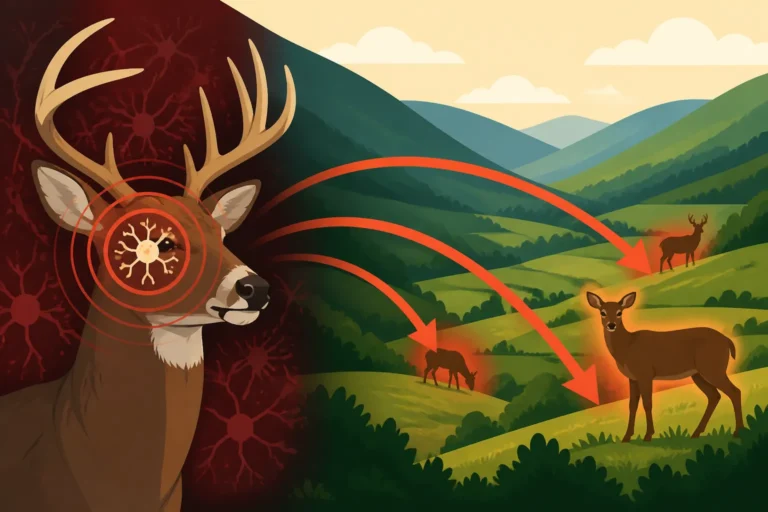
CWD is a neurological disease affecting deer, elk, and moose. It's always fatal and is of significant concern in Virginia. We’ve been talking about CWD for a while now, and for good reason – it’s a serious threat. It's caused by abnormal proteins called prions, and it slowly destroys brain tissue. Common signs include extreme weight loss (wasting), stumbling, drooling, lethargy, and a general lack of fear of humans. The disease has been detected in several counties, particularly in the Shenandoah Valley, leading to specific regulations for hunters. If you see a deer exhibiting these symptoms, especially if you're in an area prone to CWD like a Virginia's Four Chronic Wasting Disease Areas, reporting is critical for tracking and management. Chronic Wasting Disease Risk in Virginia is something all hunters should be aware of.
Epizootic Hemorrhagic Disease (EHD)
EHD is a common viral disease that affects white-tailed deer and can result in significant mortality, especially during late summer and early fall. Unlike CWD, EHD is not a prion disease and does not pose a threat to human health. However, it can cause very rapid die-offs. Deer infected with EHD often appear lethargic, have swelling of the head, neck, tongue, and eyelids, and may have a blue tongue. They often seek water to cool down due to fever, so you might find sick or dead deer near water sources. While EHD Die-Offs in Virginia Deer are a natural part of the ecosystem, reporting widespread sightings helps the DWR monitor the intensity and spread of outbreaks.
Mange and Other Parasitic Conditions
Mange is a skin disease caused by microscopic mites that burrow into the skin, leading to intense itching, hair loss, and scabbing. It's most commonly seen in canids like foxes and coyotes, but can also affect bears and other mammals. Animals suffering from severe mange can become emaciated and vulnerable to the elements or other diseases due to their compromised health. A fox missing most of its fur or a bear with patchy, scabby skin is likely suffering from mange. These animals are often highly visible and their distressed state is obvious. The DWR monitors Mange in Virginia Coyotes, Foxes and Bears to assess population health and disease trends.
Avian Influenza (Bird Flu)
Avian influenza is a viral disease that primarily affects birds, particularly waterfowl. While some strains cause mild illness, highly pathogenic strains can lead to severe sickness and death in various bird species, including domestic poultry. Waterfowl hunters and bird watchers might encounter sick or dead birds, especially ducks and geese, exhibiting neurological signs, respiratory distress, or sudden death. Avian Influenza in Virginia Birds is a concern for both wild bird populations and agricultural interests. If you see multiple sick or dead birds in one area, particularly waterfowl, reporting it is very important.
Rabies
Rabies is a viral disease that attacks the central nervous system, affecting mammals. It is almost always fatal once symptoms appear and can be transmitted to humans through the saliva of an infected animal, usually via a bite. Animals commonly associated with rabies in Virginia include raccoons, foxes, skunks, bats, and sometimes even groundhogs. The most crucial sign to watch for is abnormal behavior: animals that are typically nocturnal may be out during the day, they might be disoriented, excessively aggressive or unusually docile, or show signs of paralysis. If you see any animal, especially one of these species, acting strangely or showing a complete lack of fear, do not approach it and report it immediately. The DWR and local health departments take rabies reports very seriously due to the public health implications.
By understanding these common health concerns, you can make more informed observations and provide more helpful details when you make your report. Every piece of information helps the DWR paint a clearer picture of the health of Virginia's wild places.
Disclaimer
This article is for general informational purposes only and does not constitute professional advice. Laws, prices and regulations vary by location and change over time. Consult a qualified professional for guidance on your specific situation.