Virginia Wildlife Rehabilitation for Injured Game
It's heartbreaking to come across an injured animal, especially when you're out enjoying Virginia's beautiful wild spaces. That gut feeling of wanting to help, to intervene and make things right, is strong in most of us. But here in Virginia, when it comes to wildlife, simply stepping in with good intentions can sometimes do more harm than good, and it might even be against the law. This guide is here to walk you through exactly what you should do, who you should call, and what to expect when you encounter injured game or other wildlife in Virginia, ensuring both your safety and the animal's best chance at recovery.
What to Do When You Encounter Injured or Apparently Orphaned Wildlife
Finding an injured deer, a turkey with a broken wing, or what looks like an orphaned fawn can stop you dead in your tracks. Your first instinct is probably to rush over and help, but it's crucial to take a breath and remember that wild animals, even when hurt, can be unpredictable and dangerous. They're also often incredibly stressed by human presence.
Prioritizing Your Safety and the Animal's Well-being
First and foremost, your safety comes before anything else. A cornered or injured animal, particularly a larger one like a deer or bear, can inflict serious harm. Even smaller animals, like raccoons or squirrels, can bite or scratch, and they might carry diseases. Never approach an injured animal directly without professional guidance. The best thing you can do initially is to observe from a safe distance. Is it truly injured, or simply resting? Is it alone, or is a parent nearby, perhaps foraging?
Sometimes, what appears to be an injured or abandoned animal isn't in distress at all. Fawns, for example, are often left alone by their mothers for hours while she feeds. Getting too close can actually scare the mother away or cause the fawn undo stress. Similarly, a young bird on the ground might just be a fledgling learning to fly, not truly abandoned. Before you do anything, take a few minutes to watch from afar and assess the situation. Is there visible bleeding, a broken limb, or signs of disorientation? Is it truly alone, or could its parent be just out of sight? This careful initial observation is key.
Who to Contact and What Information to Provide
Once you've determined that an animal is genuinely injured or orphaned, the absolute best course of action is to contact the Virginia Department of Wildlife Resources (DWR) or a licensed wildlife rehabilitator directly. You can find contact information for DWR wardens or rehabilitation specialists on the DWR website. Many counties also have animal control services that can assist with wildlife emergencies. Do not try to pick up or transport the animal yourself unless specifically instructed to by a professional, and even then, make sure you have the right tools and protection.
When you make that call, be prepared to provide as much detail as possible. Where exactly is the animal located? Think specific landmarks, road names, and even GPS coordinates if you have them. What kind of animal is it? What are the visible injuries or behaviors you're observing? Is it moving, or completely still? Is it in a dangerous location, like the middle of a road? The more information you can give, the better equipped the professionals will be to respond appropriately and efficiently. They’ll also be able to advise you on any immediate, safe steps you might be able to take, like simply waiting in your car nearby to keep curious onlookers or predators away until they arrive. You can often find general DWR contact information through resources like the Virginia DWR App.
Understanding Virginia's Wildlife Rehabilitation Laws and Ethics
It’s completely natural to feel a deep desire to help a struggling wild animal. However, Virginia has strict regulations in place regarding the possession and rehabilitation of wildlife, and for very good reasons that often go beyond what we might initially consider. While your heart might be in the right place, taking an animal home to care for it yourself can be detrimental to the animal and put you at risk of legal penalties.
Why Individual Rehabilitation is Illegal Without a License
In Virginia, it is illegal for an individual to possess or rehabilitate wild animals without a specific permit from the DWR. This isn't just about bureaucracy; it's about protecting both the animals and the public. Wild animals have complex dietary, environmental, and medical needs that untrained individuals simply cannot meet. Improper care can lead to malnutrition, exacerbated injuries, or psychological trauma, making the animal unreleasable or even causing its death. Reporting a Sick Animal in Virginia is always the best first step.
Furthermore, wild animals can carry diseases, some of which are transmissible to humans and domestic pets. Rabies, distemper, and various parasites are just a few examples. Licensed rehabilitators are trained in safe handling, disease prevention, and proper hygiene protocols to minimize these risks. They also understand the nuances of animal behavior, ensuring the animal doesn't become habituated to humans, which is crucial for its eventual successful return to the wild. The goal of rehabilitation isn't just to heal; it's to prepare the animal for a life back in its natural habitat, a task that requires specialized knowledge and facilities.
The DWR's Role in Regulating Rehabilitation
The Virginia Department of Wildlife Resources plays a critical role in overseeing all wildlife rehabilitation efforts in the Commonwealth. They issue permits only to individuals and organizations that meet stringent criteria for facility standards, experience, and knowledge of animal husbandry, veterinary care, and wildlife biology. These permits ensure that rehabilitators adhere to best practices, keep meticulous records, and prioritize the welfare and eventual release of the animals.
The DWR's regulations also address ethical considerations. They work to prevent situations where well-meaning individuals inadvertently cause more harm, or worse, try to keep wild animals as pets. These animals are not pets; they are wild creatures whose best chance at survival is to remain wild. The DWR ensures that rehabilitators are focused on minimizing stress, avoiding habituation, and providing a path back to nature. It's a system designed to protect Virginia’s diverse wildlife populations, from White-Tailed Deer Across Virginia to Wild Turkeys in Virginia and even Virginia's Black Bear Population, by entrusting their care to qualified hands.
Potential Consequences of Unauthorized Intervention
Attempting to rehabilitate wildlife without the proper permits can lead to legal ramifications, including fines and potentially even jail time, depending on the severity of the offense. More importantly, it can jeopardize the animal's life. An animal receiving improper care might suffer needlessly, its injuries could worsen, or it might develop conditions that prevent its release back into the wild.
In some tragic cases, an animal might have to be euthanized because it was improperly handled or became too habituated to humans, making it a danger to itself or others. The DWR takes these situations seriously because their mission is to conserve Virginia’s wildlife. Always remember that the intention to help is noble, but the execution needs to be professional and aligned with state regulations for the animal's ultimate benefit.
Finding a Licensed Wildlife Rehabilitator in Virginia
When you find an injured or orphaned wild animal in Virginia, getting it into the hands of a licensed professional is paramount. These individuals and centers are equipped with the knowledge, permits, and facilities to give the animal the best possible chance at recovery and a successful return to the wild.
Utilizing the Virginia DWR Website and Resources
The most reliable place to start your search for a licensed wildlife rehabilitator in Virginia is the official Virginia Department of Wildlife Resources (DWR) website. They maintain an updated list of permitted rehabilitators, often searchable by region or animal type. This list includes contact information, so you can reach out directly. It’s important to remember that rehabilitators are often volunteers working out of their homes or small centers, so their capacity might be limited, and they might specialize in certain species (e.g., birds, mammals, or specific sizes of animals).
When you call, be ready to explain the situation clearly. Describe the animal, its approximate size, the nature of its injury or perceived orphan status, and the exact location where it was found. They may ask for a photo or video to better assess the situation before advising you further. Patience is key, as these dedicated individuals are often juggling many cases and calls. While platforms like GoHunt are fantastic for planning your hunting adventures and scouting new territories, they aren't equipped to provide real-time wildlife rehabilitation contacts. For that, stick with the official DWR channels for reliable information.
Local Animal Control and Veterinary Clinics
Beyond the DWR’s official list, your local animal control office can often provide assistance or direct you to a nearby licensed rehabilitator. Many animal control agencies have partnerships with rehabilitators or are authorized to transport injured wildlife safely. They are also usually equipped to handle animals that might pose a public safety risk. While most veterinary clinics are not licensed to treat wild animals long-term, many will offer initial stabilization for severely injured wildlife and then coordinate transfer to a permitted rehabilitator. It’s always worth a call to a local vet if you’re having trouble reaching a rehabilitator directly, especially if the animal is in critical condition.
It's also worth noting that some DWR game wardens might be able to offer guidance or even assist with transport in certain situations, particularly in more rural areas where rehabilitators are scarcer. However, their primary role is law enforcement, so they may direct you back to official DWR rehabilitation contacts. For general information about wildlife diseases in the state, including what to look for, you can consult resources like Virginia Wildlife Disease Monitoring, which helps you understand if an animal's condition might be related to broader health concerns.
The Rehabilitation Process: From Rescue to Release
Once an injured or orphaned wild animal is safely in the hands of a licensed Virginia wildlife rehabilitator, a multi-stage process begins, all aimed at one goal: getting that animal back into its natural environment, wild and free. This journey is often complex, requiring specialized care, significant resources, and a deep understanding of the species' needs.
Initial Assessment and Medical Care
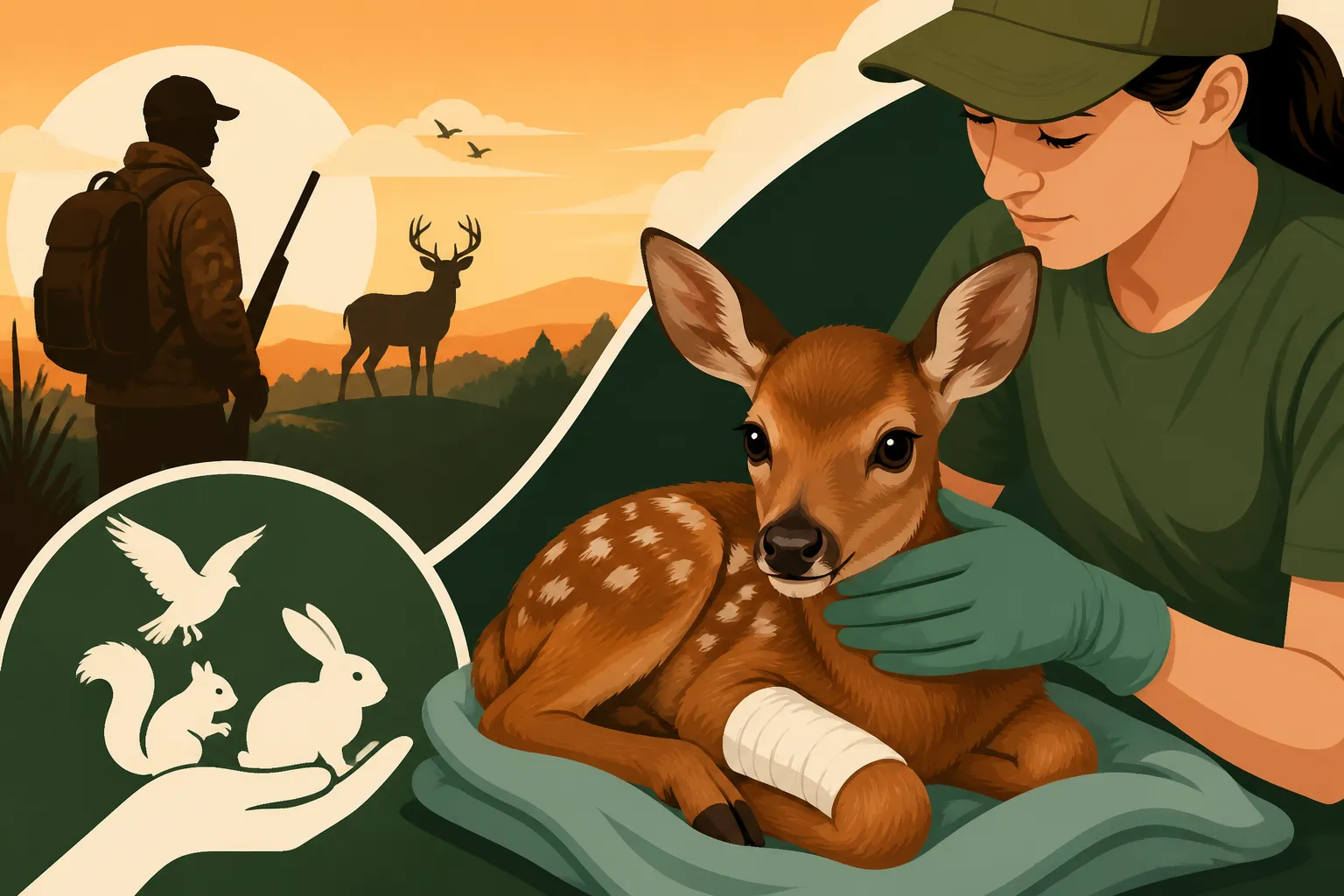
The first step upon intake is a thorough assessment by the rehabilitator, often in consultation with a veterinarian. This includes evaluating the animal's overall condition, identifying injuries, checking for parasites, and assessing for signs of disease. The rehabilitator will administer first aid, clean wounds, and provide pain management. Depending on the injury, the animal might require X-rays, surgery, or medication. For orphaned animals, the focus is on providing appropriate nutrition and a safe, warm environment that mimics their natural conditions as closely as possible.
This early stage is critical. The rehabilitator works to stabilize the animal, address immediate medical needs, and minimize stress. They use specialized enclosures and handling techniques to keep human contact to a minimum, ensuring the animal doesn't habituate to people. This commitment to maintaining the animal's wild nature is paramount throughout the entire process.
Nutrition, Growth, and Conditioning for Release
Once the animal is medically stable, the rehabilitation shifts to long-term care, focusing on nutrition, growth, and preparing the animal for release. This involves providing species-appropriate diets, which can be surprisingly complex. Young animals, for example, require specialized formulas and frequent feedings. As they grow, they’re transitioned to natural foods they would find in the wild.
Enclosures are designed to allow for natural behaviors, such as climbing, foraging, and flying. For animals recovering from injuries, physical therapy might be incorporated to help them regain full mobility and strength. The rehabilitator carefully monitors the animal's progress, watching for signs of healing, proper development, and the return of natural instincts. For hunters utilizing tools like GoHunt to scout Hunting Pressure on Virginia Public Land, it's a good reminder that every animal, even those found injured, plays a role in the ecosystem and should be given every opportunity to return to it.
Criteria for Release and Post-Release Monitoring
The ultimate goal is always to return the animal to the wild. However, not every animal can be successfully released. A rehabilitator must assess several criteria before making that decision. The animal must be fully healed, able to forage for food on its own, recognize and avoid predators, and show no signs of habituation to humans. It also needs to be able to interact appropriately with its own species, if applicable.
Releases typically occur in suitable habitats, often near where the animal was found, ensuring it has access to necessary resources and a familiar territory. While direct post-release monitoring is often challenging, rehabilitators take steps like soft releases (where the animal can leave at its own pace) to maximize success. It’s a rewarding, albeit sometimes difficult, process that underscores the dedication of Virginia’s licensed wildlife rehabilitators. Unfortunately, some animals may have injuries too severe to allow for release, and in those cases, humane euthanasia is sometimes the most compassionate choice.
Here's a quick reference for common scenarios:
| Scenario | Initial Action | Who to Call First | What NOT to Do |
|---|---|---|---|
| Injured Adult Deer | Observe from a very safe distance (100+ yards). | Virginia DWR or local animal control. | Approach, touch, or attempt to move the animal. |
| Injured Adult Bear | Maintain extreme distance. Call immediately. | Virginia DWR (game wardens). | Approach under any circumstances. |
| Injured Bird | Observe. If grounded/unable to fly, note exact location. | Licensed bird rehabilitator (via DWR list). | Attempt to treat, feed, or keep as a pet. |
| Apparent Orphaned Fawn | Observe for several hours from a distance. Mother often nearby. | Virginia DWR if truly orphaned after observation. | Assume it's abandoned; touch or pick it up. |
| Baby Bird Out of Nest | If nest is visible and safe, gently return it. | If nest unreachable/damaged, licensed bird rehabilitator. | Leave it if obviously injured or nest destroyed. |
| Injured Small Mammal | Observe. If immobile/bleeding, note location. | Licensed small mammal rehabilitator (via DWR list). | Touch without thick gloves; attempt to feed anything. |
| Animal Hit by Car | Ensure your safety first. Pull over safely. | Virginia DWR or local animal control. | Leave it to suffer if still alive and reachable by pros. |
Disclaimer
This article is for general informational purposes only and does not constitute professional advice. Laws, prices and regulations vary by location and change over time. Consult a qualified professional for guidance on your specific situation.