Virginia Feral Hog Diet and Rooting Damage
If you've ever walked through a field or a quiet woodlot in parts of Virginia and seen what looks like a rototiller has gone wild, you've likely witnessed the destructive aftermath of feral hogs. These animals aren't just a nuisance; their relentless search for food devastates agricultural fields, disrupts natural habitats, and competes directly with our cherished native wildlife. This guide will take a deep dive into exactly what these opportunistic eaters consume and the profound damage their rooting habits inflict across the Commonwealth.
Understanding the Omnivorous Appetite of Virginia's Feral Hogs
Feral hogs are truly a force of nature when it comes to their diet – they're not picky, and that's precisely what makes them such an ecological and agricultural menace. Unlike many native species with specialized diets, feral hogs are omnivores, meaning they'll eat just about anything they can get their tusks and snouts on. This incredibly adaptable palate allows them to thrive in diverse environments, from the dense forests of Southwest Virginia to the agricultural heartlands of the Piedmont. Their diet shifts with the seasons and what's available, but one thing remains constant: their persistent hunger drives them to consume vast quantities of food, leaving a trail of destruction in their wake.
The Primary Foraging Habits: Plant-Based Destruction
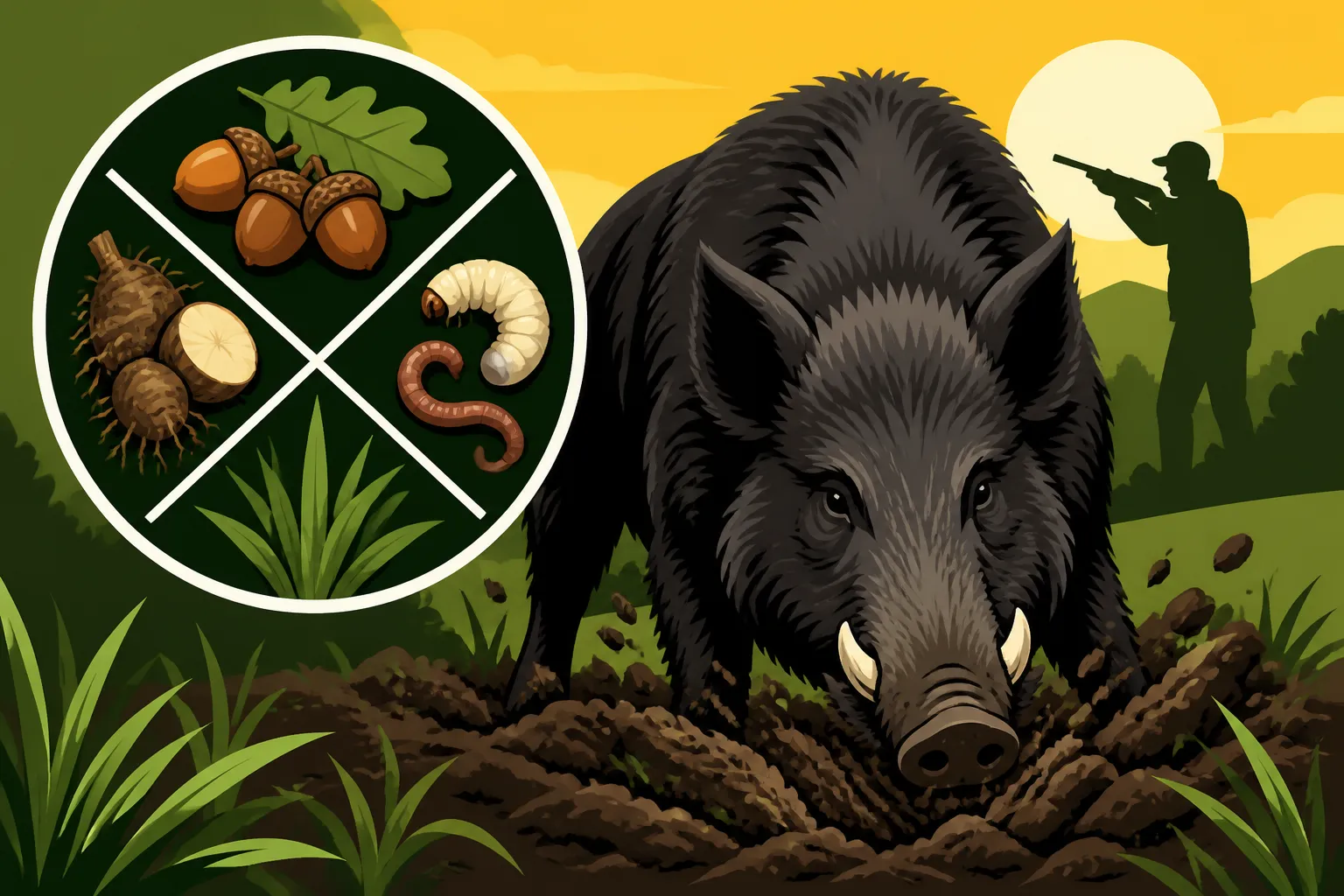
At the core of a feral hog's diet, and arguably the most visibly destructive aspect of their presence, is their relentless pursuit of plant matter. They are masters of using their tough, muscular snouts to literally "root" through the soil, unearthing anything edible. This isn't just a casual snack; it's a full-on excavation project, and the results are often heartbreaking for landowners and devastating for the natural ecosystem.
Think about a farmer who has just planted a pristine field of corn or soybeans, full of the promise of a bountiful harvest. Overnight, a sounder of hogs can invade, methodically turning over large swaths of the field. They'll devour newly sprouted seeds, yank up young plants, and dig deep for tubers and roots. It’s like a bulldozer went through, churning up the soil and leaving crops ruined before they even have a chance to mature. This isn't just a few plants here and there; we're talking about acres of potential yield wiped out, leading to significant financial losses for Virginia's agricultural community.
Beyond cultivated crops, these hogs are equally destructive in natural settings. They crave underground tubers and rhizomes, digging up vast areas of forest floor in search of these energy-rich morsels. Acorns and other hard mast are particularly prized, leading them to tear up the ground under oak and hickory trees, competing directly with deer, turkeys, and bears for this vital food source. Imagine a pristine forest floor, rich with native wildflowers and ground cover, transformed into a muddy, pockmarked wasteland. This relentless rooting doesn't just look bad; it prevents the regeneration of native plants and profoundly alters the forest's understory composition. For more on the widespread issue, check out Feral Hogs Across Virginia.
Opportunistic Carnivores: Protein Sources and Ecosystem Impact
While plants form a large part of their diet, it would be a mistake to underestimate the feral hog's role as a predator and scavenger. They are incredibly opportunistic and will readily consume animal protein whenever they can find it, whether it's live prey or carrion. This aspect of their diet often flies under the radar compared to the more obvious rooting damage, but its impact on native wildlife populations is equally, if not more, insidious.
Feral hogs are known to feast on insects, worms, and grubs they unearth while rooting, but they don't stop there. They are notorious predators of ground-nesting birds, especially wild turkeys and quail. A hen turkey's nest, carefully camouflaged, offers little defense against a foraging hog. They'll gobble up eggs and even vulnerable poults, severely impacting local turkey hatches and recruitment. Imagine a hopeful turkey hunter, scouting a promising area in the spring, only to find multiple turkey nests torn apart, eggshells scattered, a clear sign of hog activity. The reduction in native bird populations can have a cascading effect on the entire ecosystem. You can learn more about how this affects our feathered friends in Virginia Turkey Population Trends.
Even more concerning is their predation on fawns and other small mammals. A newborn deer fawn, relying on camouflage and stillness, is highly vulnerable to a hungry hog. Stories are not uncommon among hunters and landowners of finding evidence of fawns taken by hogs. They'll also consume rodents, snakes, and just about any small creature they can catch or overpower. This means direct competition and predation on species like our White-Tailed Deer Across Virginia and others. Their willingness to consume carrion also contributes to the spread of diseases, further complicating wildlife management efforts. This wide-ranging diet, coupled with their rapid reproduction, paints a picture of a truly formidable invasive species.
The Devastating Impact: Rooting Damage Explained
The term "rooting damage" often gets thrown around when discussing feral hogs, but truly understanding its scope helps grasp the magnitude of the problem. It's not just a mess; it's a systematic dismantling of both agricultural viability and natural ecological balance. When a sounder of hogs moves into an area, they don't just eat what's on the surface; they dig, churn, and transform the very structure of the land itself.
Agricultural Annihilation: Crop Loss and Soil Degradation
For Virginia's farmers, rooting damage isn't just an inconvenience; it's an economic disaster. Imagine the sheer heartbreak of waking up to a field that, just hours before, held the promise of income, only to find it resembling a warzone. Hogs can destroy entire sections of crops in a single night. They don't just eat the surface parts of plants; they dig for seeds, roots, and tubers, turning meticulously prepared seedbeds into deeply tilled, uneven terrain. This can happen shortly after planting, wiping out emerging crops, or later in the season, flattening and consuming mature plants like corn or peanuts.
The scale of this crop loss is staggering and contributes significantly to the financial stress on farmers. But the damage extends beyond just the immediate loss of yield. The continuous rooting leads to severe soil degradation. Hogs churn up the soil, breaking down its structure and increasing erosion, especially on sloped land or during heavy rains. This exposed soil loses valuable nutrients and organic matter, making it less fertile for future plantings. It can also lead to soil compaction in certain areas where they repeatedly traverse, further hindering plant growth. Repairing these fields often requires additional tilling, reseeding, and amendment, costing farmers extra time, labor, and money on top of their lost harvest. For more on the direct financial burden, check out Crop Damage Hogs Cause in Virginia.
Forest and Natural Habitat Disruption
The havoc wrought by feral hogs isn't confined to agricultural fields; it extends deeply into our precious forests, wetlands, and natural habitats. Their rooting behavior fundamentally alters the very composition and structure of these ecosystems, with long-lasting and often irreversible consequences for native flora and fauna.
Consider a mature hardwood bottomland forest, usually a rich tapestry of native understory plants, tree seedlings, and critical mast-producing trees like oaks and hickories. When hogs move in, they systematically root up large sections of the forest floor in their relentless search for acorns, tubers, and insects. This isn't just a surface disturbance; they can dig several inches deep, completely uprooting and consuming native plants, including delicate wildflowers and vital tree seedlings. This prevents the natural regeneration of trees, essentially sterilizing areas of the forest floor. You might use a tool like GoHunt to analyze aerial photos for Piedmont deer, but often what you'll see in hog-infested areas is clearly visible damage from the air.
Wetlands and riparian zones, crucial for water quality and biodiversity, are particularly vulnerable. Hogs love to wallow in muddy areas, and their rooting along stream banks and pond edges causes significant erosion, increases sediment runoff into waterways, and degrades water quality. This directly impacts aquatic life and those species, like Virginia's Black Bear Population, that rely on clean water sources. The destruction of understory vegetation also removes crucial cover for small game and ground-nesting birds, making them more susceptible to predation. The impact is a chain reaction, disrupting the intricate balance of these natural systems. If you're scouting for deer sign in areas that have hogs, you'll need to learn how to differentiate their damage from other wildlife.
Beyond the Tusk: Other Forms of Environmental Damage
While the visible devastation of rooting damage is often the first thing people notice, feral hogs bring a host of other, less obvious, but equally detrimental forms of environmental damage. These impacts can be widespread and affect everything from water quality to the health of our native wildlife populations, creating a complex web of challenges for conservationists and landowners alike.
Water Quality and Disease Concerns
One of the most insidious ways feral hogs harm Virginia's environment is through their impact on water quality. Their habit of rooting along stream banks, pond edges, and wetland areas directly leads to increased soil erosion and sediment runoff. When they wallow in water bodies, they stir up mud and introduce large amounts of waste. This causes turbidity, making the water cloudy, which can smother aquatic vegetation, reduce light penetration, and harm fish and other aquatic organisms. Beyond the visible impact, their feces carry harmful bacteria, such as E. coli, and pathogens that can contaminate water sources used by both wildlife and humans.
The presence of feral hogs also raises significant disease concerns. They can act as reservoirs and vectors for a variety of diseases that can be transmitted to livestock, pets, and even native wildlife. These include brucellosis, leptospirosis, and pseudorabies. While some of these diseases may not always be fatal to hogs, they can cause serious illness in other animals and pose a threat to agricultural operations. For instance, a disease outbreak among cattle or other livestock, traced back to infected feral hogs, could have devastating economic consequences for Virginia farmers. It's a reminder that their impact extends far beyond the visual damage, threatening the health of entire ecosystems and industries.
Competition with Native Wildlife
The sheer numbers and voracious appetites of feral hogs mean they are fierce competitors with our native Virginia wildlife. Every acorn, every wild berry, every insect that a hog consumes is one less for a deer, a bear, a turkey, or a squirrel. This direct competition for food resources is a critical issue, especially during times of scarcity, such as after a poor mast year or during harsh winters.
Imagine a population of white-tailed deer trying to put on weight for the breeding season or to survive the lean winter months. If feral hogs have already rooted up and devoured a significant portion of the available acorns, the deer, Virginia Deer Population Estimate, are left with fewer options. This can lead to increased stress, reduced reproductive success, and even starvation for native species. Similarly, ground-nesting birds like turkeys and quail find their primary food sources compromised, and their nests directly threatened by hog predation, as discussed earlier.
This competition goes beyond just food. Hogs can also displace native wildlife from preferred foraging areas or watering holes. Their aggressive nature and tendency to move in large sounders can intimidate smaller, native animals, forcing them into less ideal habitats where resources may be scarcer or predation risk higher. This subtle but constant pressure can gradually weaken native populations, making them more vulnerable to other environmental stressors. It's a complex ecological domino effect, where the unchecked spread of one invasive species impacts many others. Where George Washington Forest Bucks Bed might not be the same with hogs in the area.
Strategies for Mitigating Feral Hog Damage
Dealing with feral hog damage in Virginia is a marathon, not a sprint, and it requires a multi-faceted, persistent approach. There's no single silver bullet, but by combining various strategies, landowners and wildlife managers can begin to get a handle on the problem and protect our valuable resources. It's about being proactive, understanding hog behavior, and deploying effective tools.
Trapping and Removal: A Primary Control Method
When it comes to reducing feral hog populations and the damage they cause, trapping is often the most effective and efficient method. Unlike hunting, which typically removes individual animals, well-executed trapping operations can capture entire sounders (groups of hogs), making a significant dent in local populations. This is crucial because hogs reproduce incredibly fast, so removing multiple animals at once is key to having any lasting impact.
There are various types of traps, from smaller box traps to large, sophisticated corral traps with remote triggering capabilities. Corral traps, which can hold many hogs, are particularly effective. The key to successful trapping is pre-baiting an area for several days or even weeks to get hogs accustomed to feeding at a specific spot. Once they are regularly entering the trap enclosure to feed, the trap can be set. It takes patience and consistency, but the rewards in terms of population reduction can be substantial. For detailed methods and advice, consider looking into Trapping Virginia Feral Hogs. A good scouting app like GoHunt can help you identify natural travel corridors and congregation points where traps might be most effective.
Hunting and Exclusion Tactics
While trapping is highly effective for population reduction, hunting also plays a vital role in mitigating hog damage, especially on a more immediate, opportunistic basis. In Virginia, regulations allow for year-round hunting of feral hogs on private land with landowner permission, often without bag limits, recognizing the severity of the problem. This provides a constant opportunity for landowners and hunters to remove hogs.
Night hunting, where legal on private land, can be particularly effective because hogs are often most active during cooler nighttime hours. Utilizing thermal or night vision equipment can significantly increase success rates. You can find more specific rules and tactics in Night Hunting Hogs With Lights on Private Land. Beyond hunting, exclusion methods, primarily fencing, can protect specific high-value areas like gardens, food plots, or sensitive natural habitats. While expensive to implement over large areas, strong, hog-proof fencing can be invaluable for safeguarding smaller, critical zones.
It's important to remember that any single control method will likely only provide temporary relief. The most successful mitigation strategies integrate multiple approaches – trapping, hunting, and exclusion – applied consistently over time. Understanding Virginia Feral Hog Regulations is also crucial for lawful and effective management. Ultimately, managing feral hogs is an ongoing battle, but with knowledge and persistent effort, we can work towards reducing their devastating impact on Virginia's landscapes.
| Primary Food Source | Type of Damage | Impact on Ecosystem/Agriculture |
|---|---|---|
| Plant Roots/Tubers | Rooting, soil disturbance, plant uprooting | Crop loss, soil erosion, reduced plant regeneration |
| Seeds/Nuts (Mast) | Rooting, consumption of fallen mast | Competition with deer/bear/turkeys, reduced tree regeneration |
| Crops (Corn, Soybeans) | Consumption, trampling, rooting | Significant financial loss for farmers, degraded fields |
| Insects/Worms | Rooting, soil disturbance | Minor ecosystem impact, contributes to rooting damage |
| Eggs (Turkey, Quail) | Nest predation | Reduction in ground-nesting bird populations |
| Small Mammals/Fawns | Predation | Reduction in native small game/deer populations |
| Carrion | Consumption of dead animals | Potential disease transmission, nutrient cycling |
Disclaimer
This article is for general informational purposes only and does not constitute professional advice. Laws, prices and regulations vary by location and change over time. Consult a qualified professional for guidance on your specific situation.