Pittsylvania County Public Hunting Access
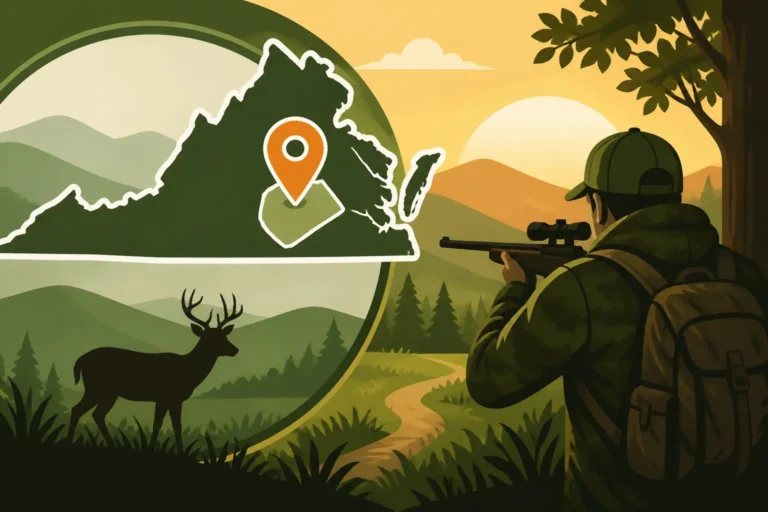
For many Virginia hunters, the quest for accessible public land can feel like a never-ending riddle, especially when you're looking at specific counties like Pittsylvania. With much of this Southside region dominated by private farms and timber tracts, finding reliable public access points to pursue deer, turkey, and small game can be a genuine head-scratcher. This guide is designed to cut through that frustration, providing you with a clear roadmap to the public hunting opportunities available in and around Pittsylvania County, along with the tools and strategies you'll need to make the most of them.
Navigating the Public Hunting Landscape of Pittsylvania County
Pittsylvania County, nestled in the heart of Virginia's Southside, is a beautiful area characterized by rolling farmland, extensive timber operations, and scattered rural communities. While its landscape certainly holds abundant wildlife, the challenge for hunters often lies in gaining access to that wildlife. Unlike some of the larger, mountainous counties to the west, Pittsylvania doesn't boast vast tracts of national forest land. This means that hunters here often need to be more resourceful and strategic in finding their hunting grounds.
The Challenge of Finding Accessible Ground
The primary hurdle for many hunters in Pittsylvania County is the sheer prevalence of private land. Generations of families have owned and worked these lands, and permission to hunt often comes through personal connections or long-standing leases. For those without such connections, or for new hunters moving into the area, identifying legitimate public access can be daunting. You might drive past miles of prime-looking habitat, only to see "Posted" signs every few hundred yards. It can be disheartening, making you feel like there's no place to go without knocking on countless doors, which isn't always successful or comfortable for everyone. This reliance on private land means that any public options are incredibly valuable and often see significant hunter pressure. Understanding where these public islands exist, and how to effectively hunt them, becomes paramount for consistent success.
General Overview of Public Land Types Available
Despite the private land dominance, Pittsylvania County and its immediate surroundings do offer legitimate public hunting opportunities. These typically fall into a few key categories, each with its own set of rules, characteristics, and management styles. The most common types of public land you'll encounter for hunting include Wildlife Management Areas (WMAs) managed by the Virginia Department of Wildlife Resources (DWR), State Forests, and occasionally other state-owned properties. While you won't find large, contiguous blocks of national forest, these smaller, often fragmented public lands can still provide excellent hunting experiences if you know where to look and how to approach them. Each type of land serves a specific purpose, from intensive wildlife habitat management on WMAs to timber production on State Forests, and these primary functions often influence the hunting experience you'll find there.
Key Public Hunting Opportunities Within and Near Pittsylvania
While Pittsylvania County itself may not be a hotspot for massive public land holdings, there are crucial opportunities both directly within its borders and in adjacent counties that are easily accessible to local hunters. Knowing these spots and understanding their nuances is key to a successful season.
Virginia Wildlife Management Areas WMAs in the Region
Virginia's Wildlife Management Areas (WMAs) are the crown jewels of public hunting in many parts of the state, and Pittsylvania County hunters benefit from several key WMAs within reasonable driving distance. These areas are specifically managed for wildlife habitat and public recreation, making them prime locations for a variety of game.
One significant example is the Briery Creek WMA, located primarily in Prince Edward and Buckingham Counties, just a short drive northeast of Pittsylvania. While not in Pittsylvania, it's a prime destination for deer, turkey, and waterfowl for hunters in the region. This WMA is renowned for its large lake and diverse habitat, including mature hardwoods, pine plantations, and agricultural fields. Another WMA that Pittsylvania hunters might consider is Amelia WMA further north, known for its strong deer and turkey populations. Each WMA has its own unique character, offering different challenges and opportunities. They often feature well-maintained roads, parking areas, and designated access points. However, because they are managed intensively for wildlife, they may also have specific regulations regarding stand placement, vehicle use, and hunter orange requirements beyond statewide mandates. Remember, these areas see significant hunter pressure, especially on opening days and weekends, so scouting is crucial. You can find more general information about these vital areas in Virginia Wildlife Management Areas.
State Forests and Their Unique Access Rules
Beyond WMAs, Virginia's State Forests offer another fantastic avenue for public hunting access. These lands are managed primarily for timber production, but hunting and other recreational activities are often permitted under specific guidelines. The largest and most accessible State Forest for Pittsylvania County hunters is likely the Staunton River State Park area which is in both Pittsylvania and Halifax counties. While State Parks and State Forests are distinct, some parks permit hunting, often through quota hunts or designated areas. For dedicated State Forest land, hunters might look towards the Cumberland State Forest or Prince Edward-Gallion State Forest, both northeast of Pittsylvania. These are working forests, meaning you'll often find active logging operations, diverse age classes of timber, and a network of logging roads that can provide excellent access (or, conversely, restrict it during active operations).
The rules for hunting State Forests can differ from WMAs. Often, a valid Virginia hunting license is required, along with a State Forest Use Permit, which is typically an annual pass you purchase. This permit helps fund the management of these lands. Always check the DWR website or the specific State Forest's regulations before heading out, as rules regarding Sunday hunting, specific weapon types, and temporary closures for timber operations can vary. These areas tend to be vast, offering a different kind of hunting experience than the more intensely managed WMAs, with opportunities for Still-Hunting Jefferson Forest Ridges and finding more secluded spots if you're willing to walk a bit further from common access points.
Table: Public Land Opportunities for Pittsylvania Hunters
| Public Land Type | Primary Management Focus | Typical Habitat | Key Regulations/Considerations | Examples (Proximity to Pittsylvania) |
|---|---|---|---|---|
| Wildlife Management Areas (WMAs) | Wildlife Habitat & Public Hunting | Mixed hardwoods, pines, fields, water | General hunting regs, WMA access permit, potential for high pressure, intensive management | Briery Creek WMA, Amelia WMA |
| State Forests | Timber Production & Recreation | Various timber stages (clear-cuts, mature), logging roads | General hunting regs, State Forest Use Permit, active logging, diverse terrain | Cumberland State Forest, Prince Edward-Gallion State Forest |
| State Parks (Limited) | Recreation, Conservation | Varied natural habitats | Highly restricted, often quota hunts or designated zones only, check specific park rules | Staunton River State Park (check specific hunt dates/areas) |
Essential Tools and Tactics for Pittsylvania Public Land Hunters
Finding the public land is just the first step; effectively hunting it requires preparation, the right tools, and a solid strategy. Pittsylvania County's public access, often being smaller or more dispersed, demands a hunter who is adept at scouting and utilizing modern resources.
Mastering Digital Mapping and Scouting with onX Hunt and GoHunt
In today's hunting world, digital mapping applications are absolutely indispensable, especially when you're trying to dissect the patchwork of public and private land found in areas like Pittsylvania County. Tools like onX Hunt and GoHunt have revolutionized how we scout and navigate. These apps allow you to:
- Identify Public vs. Private Land Boundaries: This is perhaps their most critical function. With a glance, you can see exactly where public land begins and ends, preventing accidental trespass. This is invaluable in areas where public parcels are interspersed with private holdings. No more guessing if that next woodline is fair game or if you need to turn back. onX Layers for Virginia Land Status is a feature that truly shines here, allowing you to quickly visualize land ownership.
- Locate Access Points and Parking: The apps often show designated parking areas, trailheads, and access roads, helping you plan your entry and exit strategies efficiently. This saves precious hunting time that would otherwise be spent driving around looking for a place to park.
- Mark Key Features: You can drop pins for potential stand locations, historical sign (scrapes, rubs, tracks), water sources, old logging roads, or thick bedding areas. These marked points become your virtual scouting journal, invaluable for planning future hunts. You can even use them to plan Entry Routes Through Standing Soybeans if hunting a field edge.
- Analyze Topography and Habitat: The detailed topographic maps and satellite imagery help you "scout from your couch." You can identify creek bottoms, ridge lines, saddles, clear-cuts, and different timber types—all critical for understanding how deer and other game move through the landscape. This is especially useful for Reading Aerial Photos for Piedmont Deer and understanding where deer might naturally funnel.
Before you even set foot in the woods, spend time poring over these maps. Look for isolated pockets of public land, natural funnels, or less-obvious access points that might see less pressure. Remember that while these tools are powerful, always cross-reference with actual DWR maps or State Forest maps where available.
On-the-Ground Reconnaissance and Access Points
While digital tools are fantastic for initial planning, there's no substitute for getting boots on the ground. Real-world scouting is where you confirm your digital hunches and discover the subtle details that a map can't show.
- Pre-Season Walks: Long before opening day, walk the public land you intend to hunt. Look for fresh sign: tracks, droppings, rubs, and active scrape lines. Pay attention to how deer are using the terrain. Where are the thickets they're bedding in? What are their primary travel corridors between food and cover? During these walks, you can also identify good trees for treestands or locations for ground blinds, especially if you plan on Using a Ground Blind on Virginia Public Land.
- Identifying Low-Pressure Zones: Public lands, particularly WMAs, can get crowded. Your scouting goal isn't just to find deer, but to find deer that aren't being constantly harassed. This often means walking further than most hunters are willing to go. Look for areas away from easy road access, across creeks, or deep into thick cover. These overlooked pockets can be goldmines. Pay attention to natural barriers like steep ravines or dense tangles of briars—these are often excellent spots where game feels secure.
- Checking Regulations Boards: Many WMAs and State Forests have information kiosks at their primary access points. Always check these boards for the most current regulations, special season dates, or temporary closures. This information can sometimes change quickly, so a quick check can prevent a wasted trip or, worse, a violation. This is also where you'll find details about specific WMA access permit requirements.
Effective scouting is a year-round activity. Even in the off-season, you can learn invaluable information about game movement, shed antlers, and potential bottlenecks. This persistent effort, combined with modern mapping tools, will significantly increase your odds of success on Pittsylvania County's public lands.
Maximizing Your Hunt: Regulations, Ethics, and Success Tips
Hunting public land in an area like Pittsylvania County requires more than just finding an access point. It demands a deep understanding of regulations, a strong ethical compass, and smart hunting strategies to navigate both the wildlife and fellow hunters.
Understanding Local Regulations and Hunter Education
Virginia has a comprehensive set of hunting regulations, and it's your responsibility to know and abide by them. Ignorance of the law is never an excuse.
- Statewide Regulations vs. Local Rules: Always remember that while there are statewide seasons and bag limits, specific WMAs or State Forests can have their own, often more restrictive, rules. For example, some areas might have antler point restrictions, specific antlerless deer harvest requirements, or limitations on the type of weapon you can use. Always consult the Virginia DWR regulations digest and any posted signage at your specific hunting location. Key documents like the Virginia Deer Season Structure Explained and Virginia Spring Turkey Season Rules are your go-to resources for general seasons, but always dig deeper for site-specific variations.
- License and Permits: Ensure you have all necessary licenses and permits. This includes your basic Virginia hunting license, a Big Game Harvest Tag (if applicable), and potentially a WMA Access Permit or State Forest Use Permit. These are not optional; they are required for lawful hunting. You can find detailed information about Virginia Hunting Licenses and What They Cost through the DWR.
- Hunter Education: If you're a new hunter or haven't completed a hunter education course, Virginia requires it for most individuals. This isn't just a legal requirement; it's a vital foundation for safe and ethical hunting practices. Understanding firearm safety, blood trailing techniques, and ethical shot placement are paramount. Check Virginia Hunter Education Requirements for details on courses.
- Blaze Orange/Pink: Virginia law requires specific amounts of blaze orange or blaze pink to be worn during certain seasons, especially during general firearms deer season. This is a critical safety measure, particularly on public lands where other hunters may be present. Even if not legally required (e.g., during archery season), wearing some blaze orange when entering or exiting can be a wise choice. Review Virginia Blaze Orange Requirements to ensure compliance.
Minimizing Pressure and Maximizing Success
Hunting public land that sees pressure requires a thoughtful approach. Here are some tactics to help you stand out and increase your odds:
- Go Deeper, Get Smarter: As mentioned in scouting, the further you walk from easily accessible roads and parking areas, the more likely you are to find undisturbed game. Most hunters stick close to their vehicles. Embrace the hike. Similarly, consider hunting during weekdays when pressure is generally lower than on weekends. The Hunting Pressure on Virginia Public Land is a real factor, and strategic timing can make a big difference.
- Hunt the Unattractive Spots: Often, areas that seem "ugly" or hard to get to are precisely where pressured deer and turkey will seek refuge. Think dense thickets, swampy bottoms, steep ravines, or narrow strips of timber between fields that others overlook. These areas might not look like classic deer habitat, but they provide security cover, which is gold on public land. Learning to read terrain for these hidden gems is a skill that comes with time and effort.
- Adapt to the Wind and Thermals: On any hunt, understanding wind direction is crucial, but it's even more so when hunting wary public land animals. Your scent is your biggest giveaway. In hilly or mountainous terrain, understand how thermals work – rising in the morning and falling in the evening – to position yourself appropriately. A bad wind can ruin a hunt before it even begins.
- Be Patient and Persistent: Public land hunting isn't always easy. There will be days when you see more orange vests than deer. Don't get discouraged. Stick to your plan, adapt as conditions change, and put in the time. Success often comes to those who are most persistent and willing to learn from every outing. A good resource for persistent hunting is Hunting Into the January Second Close for late-season deer.
- Post-Season Scouting: Don't hang up your boots when the season ends. The late winter and early spring are fantastic times to scout. With leaves off the trees, visibility is better, and you can clearly see old rub lines, bedding areas, and travel corridors. This is also a great time for Shed Hunting on Virginia Public Land, which is essentially free scouting that tells you what bucks survived the season.
By understanding the unique landscape of Pittsylvania County, utilizing powerful modern tools, adhering to all regulations, and employing smart hunting strategies, you can unlock rewarding public land experiences in this often-overlooked region of Virginia. Happy hunting!
Disclaimer
This article is for general informational purposes only and does not constitute professional advice. Laws, prices and regulations vary by location and change over time. Consult a qualified professional for guidance on your specific situation.