Chesapeake and Delmarva Peninsula Access
You know, for many Virginia hunters, the thought of chasing game on the Chesapeake Bay or down the Delmarva Peninsula feels like stepping into a whole different world. It’s not like heading into the familiar hardwoods of the Blue Ridge; here, the water dictates everything, land access is often a puzzle, and the sheer vastness can be intimidating. But don't despair! This guide is all about demystifying hunting access and strategies for Virginia's incredible coastal regions, helping you unlock some truly unique and rewarding experiences, whether you're after ducks, geese, or even a coastal whitetail.
Unpacking the Unique Coastal Landscape for Hunters
Hunting on the Chesapeake Bay and the Delmarva Peninsula presents a mosaic of habitats vastly different from the rolling hills of the Piedmont or the steep slopes of the mountains. Understanding this distinct geography is your first step to success. It’s not just about finding game; it’s about understanding where game lives, moves, and feeds in an environment heavily shaped by water and agriculture.
The Distinct Geography of the Delmarva Peninsula
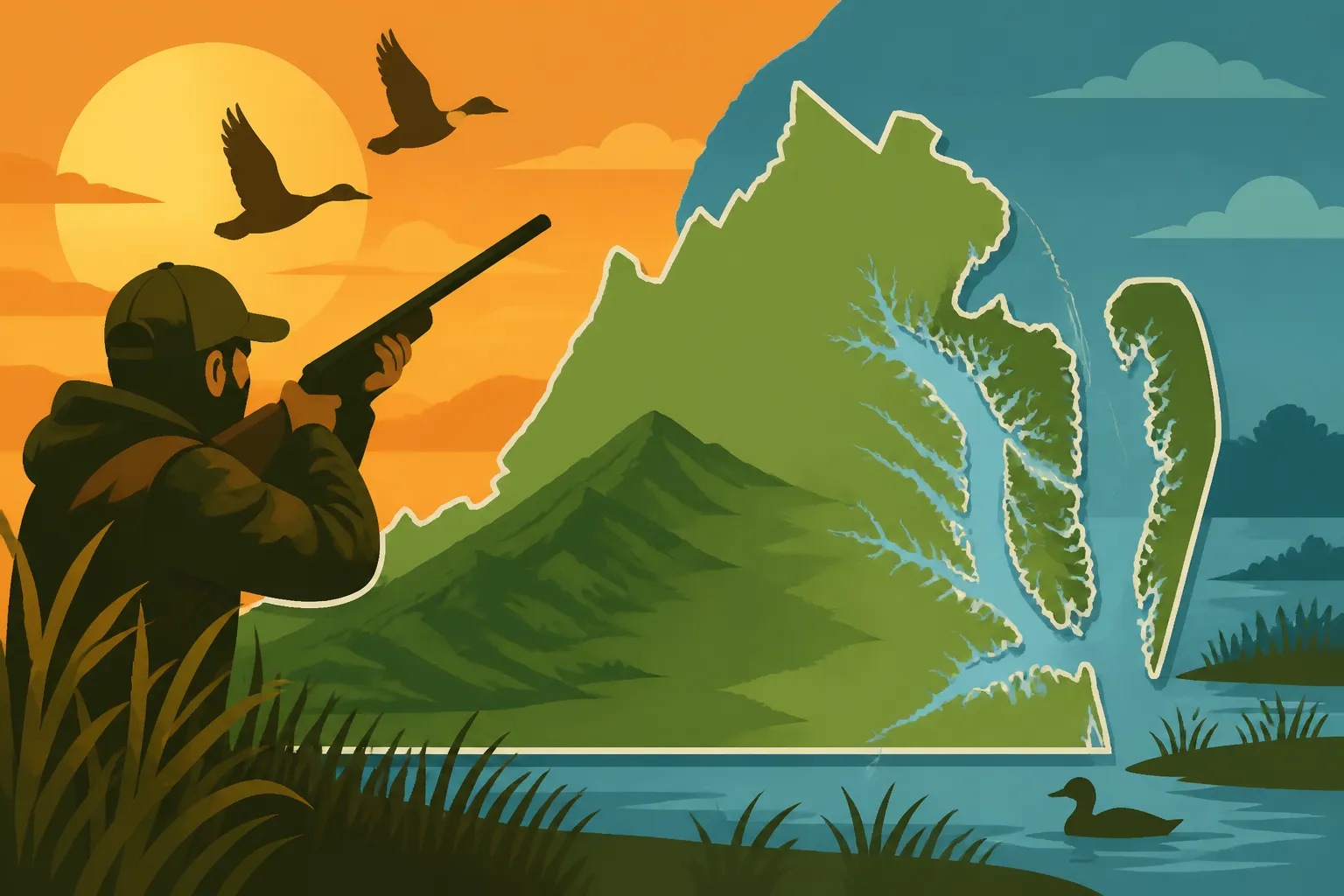
The Delmarva Peninsula, a long, narrow strip of land shared by Delaware, Maryland, and Virginia, is a geographical marvel. Virginia's portion, primarily Accomack and Northampton counties, is characterized by a relatively flat topography, dominated by vast agricultural fields interspersed with small woodlots, dense pine plantations, and extensive tidal marshes along both the Chesapeake Bay and the Atlantic Ocean sides. This creates a unique dynamic for wildlife. Deer often use the woodlots and thickets for bedding cover, venturing into the fields to feed, while migratory birds find sanctuary and sustenance in the agricultural bounty.
The landscape shifts dramatically from one side of the peninsula to the other. On the Bay side, you’ll encounter intricate networks of saltmarsh, tidal creeks, and mudflats, crucial habitat for myriad waterfowl and wading birds. The Atlantic side, while also featuring marsh, includes the barrier islands and expansive beaches that serve as critical resting and feeding grounds for shorebirds and sea ducks. Hunting here demands a deep respect for the tides and an understanding of how the water influences game movement, something you just don't contend with in other parts of the state.
Understanding the Chesapeake Bay's Influence
The Chesapeake Bay itself is an ecological powerhouse, and its influence on hunting in coastal Virginia cannot be overstated. This immense estuary, the largest in the United States, acts as a superhighway for migratory waterfowl on the Atlantic Flyway, drawing millions of ducks and geese each year. The Bay's vastness means hunters often need specialized boats, knowledge of navigation, and a keen eye for reading the water.
Tidal fluctuations are a constant factor, impacting where birds feed, where deer might move along a marsh edge, and even how accessible certain areas are. A spot that's an open mudflat at low tide might be a prime feeding area for dabbling ducks at high tide. Understanding these rhythms is key to successful Reading a Bay Marsh for a Morning Flight. The Bay also moderates temperatures, making for different hunting conditions than inland Virginia, particularly during the colder parts of the season.
Navigating Public Hunting Opportunities on the Eastern Shore
Finding public land access on the Delmarva Peninsula, especially for waterfowl and deer, can be challenging due to the predominance of private agricultural holdings. However, Virginia has some truly exceptional Wildlife Management Areas (WMAs) and National Wildlife Refuges that offer fantastic opportunities if you know where to look and how to navigate their specific rules.
Virginia's Wildlife Management Areas (WMAs)
Virginia's Department of Wildlife Resources (DWR) manages several WMAs on the Eastern Shore, designed to provide diverse hunting opportunities. Perhaps the most well-known is Hog Island Wildlife Management Area in Surry County, a prime location for waterfowl and deer that sits just off the mainland. Accessing Hog Island often involves a boat trip across the James River, adding an adventurous element to the hunt. These WMAs are managed intensively for wildlife habitat, often featuring impoundments for waterfowl, food plots for deer, and regulated timber harvests.
However, WMAs, especially those with high demand, may require special draw permits or have specific sign-in procedures. Always check the DWR website for the most current regulations for each WMA you plan to visit. While some WMAs offer general firearms seasons, others might be archery-only for deer or have specific waterfowl dates. Pressure can be high on opening days, so scouting thoroughly with tools like onX Hunt, which clearly delineates WMA boundaries and can show trails and access points, is absolutely crucial.
National Wildlife Refuges and Special Access
National Wildlife Refuges (NWRs) on the Eastern Shore provide critical habitat for migratory birds and other wildlife, and some offer limited public hunting opportunities. Chincoteague National Wildlife Refuge Hunting, for instance, located on Assateague Island, offers highly sought-after quota hunts for deer and some waterfowl. These hunts are often conducted through a lottery system, meaning you need to apply well in advance and understand the specific hunt criteria. The regulations are typically very strict, focusing on conservation and minimizing disturbance to the refuge's primary mission.
Another notable example, though slightly further inland but still part of the coastal plain, is the Great Dismal Swamp Refuge Hunting Rules in Suffolk and Chesapeake. This unique wetland ecosystem offers bear and deer hunting opportunities, again typically through a draw system. Hunting in these refuges is a privilege, and understanding and adhering to all federal and state regulations, including specific weapon restrictions and harvest reporting, is paramount. Always check the individual refuge's website for their current hunting program details.
Mastering Waterfowl Hunting on the Bay and Beyond
The Chesapeake Bay and Delmarva Peninsula are synonymous with waterfowl hunting. For many, this is the region's main draw, offering opportunities for everything from fast-flying teal to majestic Canada geese and hardy diving ducks. Success here hinges on understanding the birds, their environment, and employing specific tactics.
Deciphering Migration Patterns and Flyways
Waterfowl hunting success on the Eastern Shore is intimately tied to the Atlantic Flyway. Millions of ducks and geese utilize this migratory corridor, pausing in the Bay's abundant estuaries and the peninsula's agricultural fields to rest and refuel. The timing of these migrations varies each year based on weather patterns, cold fronts, and food availability further north. Generally, early season sees local birds and early migrants like teal, while colder weather pushes more northern-breeding ducks and geese into Virginia. Understanding Virginia Waterfowl Migration Timing is crucial for planning your hunts.
Birds will often move based on wind, tides, and pressure. A strong north wind can push ducks into sheltered coves, while calm days might see them rafted up in open water. Scouting, even via aerial maps on onX Hunt, can reveal key resting areas and flight paths. Paying attention to weather forecasts and understanding how different species react to conditions will significantly improve your chances.
Essential Tactics for Coastal Waterfowl
Hunting waterfowl on the Chesapeake Bay and the Eastern Shore requires specific gear and tactics. For those targeting diving ducks like Canvasbacks, Redheads, and Bluebills on the open Bay, large decoy spreads and sturdy marsh boats are often necessary. These birds prefer open water and will often raft far from shore. Hunting Chesapeake Bay Diving Ducks can be exhilarating but demands specialized knowledge of boat handling and safety.
For dabbling ducks like Mallards and Wood Ducks, especially in the marshes and impoundments, tactics might involve setting up in cattails or brush, using smaller spreads, and employing jump-shooting techniques along creeks. Geese, whether resident or migratory, are often found feeding in cut corn or soybean fields, necessitating layout blinds for concealment. Layout Blind Hunting Eastern Shore Fields is a popular and effective method for field-feeding geese and even doves during their season. Don't forget that using good quality calls is essential, whether it's a deep goose call or a convincing mallard quack.
Understanding Zones, Stamps, and Regulations
Virginia's waterfowl hunting regulations are designed to manage harvest sustainably across different regions and species. The state is divided into distinct Virginia Waterfowl Zones and Seasons, including the Coastal Zone, which encompasses the Eastern Shore and Bay waters. Each zone has specific season dates and bag limits, which can vary yearly, so always consult the latest Virginia DWR regulations. You can find detailed information on these, along with general hunting research, through resources like GoHunt's state-specific information if you're planning your year.
Beyond your standard Virginia hunting license and big game stamp, waterfowl hunters must also possess a Virginia Migratory Waterfowl Conservation Stamp and a Federal Duck Stamp. Additionally, all migratory bird hunters are required to be Virginia HIP Certification for Bird Hunters certified. These requirements help fund waterfowl conservation efforts nationwide. It’s also vital to remember that lead shot is strictly prohibited for all waterfowl hunting, so you'll need to use non-toxic alternatives.
Pursuing Deer and Other Upland Game
While waterfowl often gets the spotlight, the Delmarva Peninsula also offers opportunities for deer, turkey, and small game. However, these hunts typically come with their own set of challenges, particularly concerning land access and navigating fragmented habitats.
The Challenges of Deer Hunting on the Peninsula
Deer hunting on the Eastern Shore can be a bit of a mixed bag. The region generally has a healthy deer population, but the habitat is quite different from other parts of Virginia. You'll find deer utilizing small, isolated woodlots, dense pine thickets, and extensive agricultural fields. This means deer movement is often tied to feeding patterns in crops and cover in relatively small timber blocks. It’s a different game than tracking deer through vast national forests. Virginia Deer Population Estimates show good numbers, but where they live and move requires specific tactics.
The biggest challenge for deer hunters is often simply finding a place to hunt. Much of the land is privately owned and actively farmed. Public land for deer hunting outside of specific WMAs and Refuges can be limited. This dominance of private land means that securing permission is often the golden ticket to a successful deer season on the peninsula.
Accessing Private Land and Smaller Tracts
For many deer hunters on the Delmarva, gaining access to private land is the primary strategy. This means putting in the legwork: Asking a Virginia Farmer for Permission by knocking on doors, introducing yourself, and demonstrating respect for their property. Building a good relationship with landowners is paramount. Often, farmers are happy to have responsible hunters help with deer management, especially if deer are causing crop damage. Be polite, offer to help, and always follow through on your promises.
Mapping tools like onX Hunt are incredibly valuable here. They allow you to identify landowners, see property boundaries with remarkable accuracy, and understand the lay of the land—where woodlots meet fields, where ditches and fencerows create travel corridors. Knowing who owns the property before you knock on their door can make a big difference. Always remember Do You Need Written Permission in Virginia? to hunt on private land. While verbal permission is legal in many cases, written permission is always a safer bet and provides clarity for both you and the landowner.
Essential Gear and Scouting for Coastal Hunts
Successful hunting on the Chesapeake and Delmarva Peninsula isn't just about knowing where to go or what to hunt; it's also about being properly equipped and putting in the necessary pre-season work. The unique coastal environment often calls for specialized gear that you might not need elsewhere in Virginia.
Specialized Equipment for Water and Marsh
When your hunting grounds are heavily influenced by water, your gear list takes on a whole new dimension. High-quality Waders for Bay Marsh Hunting are non-negotiable for waterfowl and even for accessing some deer hunting areas along marsh edges. Look for durable, comfortable waders that can withstand abrasive marsh grasses and cold water. Beyond waders, a reliable boat is often essential. Marsh Boats and Push Poles are key for navigating shallow tidal creeks and impoundments silently and effectively, allowing you to get into those hard-to-reach spots where birds like to congregate.
Don't forget robust foul-weather gear. The weather on the coast can change rapidly, with strong winds and sudden downpours. Layering is critical, as you might start a morning hunt in freezing temperatures only to have it warm up considerably by midday. Waterproof bags for electronics and extra clothing are also a smart addition. A good retriever, trained for cold water and blind retrieves, is almost a necessity for waterfowl hunting in this environment.
Pre-Season Scouting and Digital Tools
Scouting on the Delmarva, especially for deer, involves piecing together how deer use fragmented cover and feed in expansive fields. Pre-season scouting is vital to locate bedding areas within dense pine thickets, identify travel corridors along fencerows, or pinpoint prime feeding areas in unharvested crops. Don't underestimate the power of digital tools for this. Aerial photographs, easily accessible through platforms like onX Hunt, allow you to identify these patterns from the comfort of your home. You can mark potential stand locations, entry and exit routes, and even locate specific trees suitable for treestands.
For waterfowl, digital maps can help you locate potential public access points, boat launches, and map out routes through marshland. While you might not be able to physically scout every marsh, studying satellite imagery for natural blinds, tidal channels, and open water areas will give you a significant advantage. This digital groundwork complements physical scouting and can save you valuable time afield. Furthermore, checking resources like GoHunt, in addition to the DWR website, can help you consolidate state-specific regulations and draw opportunities for the upcoming season, giving you an edge in planning.
Conservation and Ethical Hunting Practices
Hunting on the Chesapeake and Delmarva Peninsula comes with a responsibility to uphold ethical practices and contribute to conservation. The fragile coastal ecosystems and the close-knit agricultural communities demand a thoughtful approach to ensure hunting remains sustainable and respected.
Respecting Private Land and Local Communities
Given the high proportion of private land on the Delmarva, maintaining excellent relationships with landowners is crucial for continued hunting access. This means being a courteous guest, always asking permission, closing gates, avoiding driving on fields, and cleaning up any trash you bring in. If you've gained access to private land, consider offering some venison in return for the privilege. It goes a long way.
Ethical behavior also extends to your interactions with other hunters and the general public. Parking your vehicle responsibly, avoiding excessive noise, and promptly Virginia Deer Reporting Requirements your harvest are all part of being a good ambassador for hunting. Remember, our actions afield reflect on the entire hunting community, and showing respect for the land and its people helps ensure future access for everyone.
Navigating Environmental Factors and Regulations
The coastal environment, while rich in wildlife, is also sensitive. Hunters must be aware of regulations aimed at protecting these ecosystems. For instance, the prohibition of lead shot for waterfowl hunting is a critical measure to prevent lead poisoning in birds. It's also important to understand specific county ordinances that might impact hunting near residential areas, especially in more developed parts of the peninsula.
Beyond regulations, being mindful of your impact on the environment is essential. Avoid disturbing sensitive marsh habitats, ensure proper disposal of all waste, and be vigilant about potential disease issues. For example, staying informed about areas within Virginia's Twenty-Five-Mile Feeding Ban can prevent the spread of diseases like CWD, which is crucial for the health of deer populations across the state. By being informed and responsible, hunters play a vital role in preserving the natural beauty and abundant wildlife of Virginia's coast for generations to come.
Disclaimer
This article is for general informational purposes only and does not constitute professional advice. Laws, prices and regulations vary by location and change over time. Consult a qualified professional for guidance on your specific situation.