Spring Turkey Hunting in Virginia
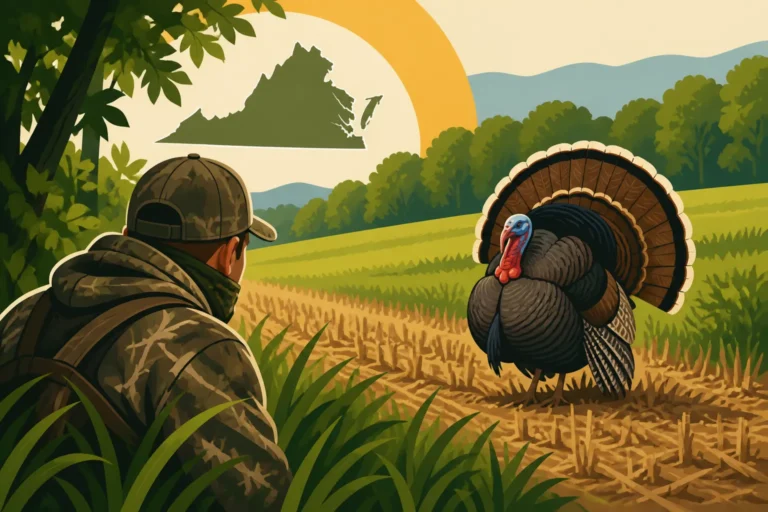
For many Virginia hunters, the call of a gobbler echoing through the crisp morning air signals the true arrival of spring. Yet, getting that elusive tom to commit can feel like solving a complex puzzle, especially with varying terrain, shifting bird behavior, and the constant pressure from other hunters. This comprehensive guide is here to untangle the complexities of spring turkey hunting in Virginia, providing you with the knowledge and strategies to confidently chase those wary longbeards from the Shenandoah Valley to the Tidewater swamps.
Navigating Virginia's Spring Turkey Season Rules
Understanding the rules and regulations is the absolute foundation of a successful and legal spring turkey hunt in Virginia. The Virginia Department of Wildlife Resources (DWR) sets clear guidelines, and knowing them inside and out will save you a lot of headaches and potential fines. It’s not just about knowing when you can hunt, but how, where, and what you can legally harvest.
Key Dates and Zones for Gobbler Chasing
Virginia's spring turkey season typically kicks off in early April, but the exact dates and permissible hunting hours can vary slightly, especially for the special youth and apprentice weekend. The statewide season usually runs through mid-May, offering a good window for hunters to pursue birds. It’s critical to remember that certain areas, like those within designated National Forests or specific Wildlife Management Areas (WMAs), might have unique regulations or access requirements. For instance, the general statewide season usually has an "early period" with morning-only hunting hours, transitioning to an "all-day period" later in the season. You'll want to check the most current DWR regulations pamphlet or their website for the precise dates for the Virginia Early and Late Turkey Period Rules to avoid any missteps. Planning your hunts around these periods can significantly influence your strategy, as gobblers behave differently in the morning versus all-day pressure.
Many hunters find it helpful to mark these dates on a calendar and cross-reference them with specific county regulations, as occasionally there can be localized variations. The DWR also sometimes implements special managed hunts on certain WMAs that require pre-registration or have different season structures. Don't just assume the statewide rules apply everywhere; always double-check for your specific hunting location.
Understanding Daily and Seasonal Bag Limits
Virginia has specific bag limits to ensure the health and sustainability of its wild turkey population. Generally, hunters are limited to harvesting one bearded turkey per day during the spring season. This means that even if you call in a flock of gobblers, you can only take one. The seasonal limit is usually set at two bearded turkeys for the entire spring season. A "bearded turkey" refers to any turkey that possesses a visible beard, which typically includes adult gobblers and occasionally jakes (juvenile males). Hens (female turkeys) are off-limits during the spring season to protect the breeding population.
It's tempting to try and fill your tag quickly, but taking your time and being selective can lead to a more rewarding experience. Many seasoned hunters will pass on smaller jakes early in the season, hoping to connect with a mature gobbler later on. Keep these limits firmly in mind as you plan your hunting trips. Exceeding the bag limit, even by accident, carries serious penalties. After a successful harvest, remember that reporting your turkey is mandatory, a crucial step we’ll cover later. This data helps the DWR monitor the health of the Virginia Turkey Population Trends and make informed management decisions for future seasons.
Special Youth and Apprentice Opportunities
Virginia is fantastic about fostering the next generation of hunters, offering special opportunities like the Virginia Youth and Apprentice Turkey Weekend. This special weekend, usually preceding the general statewide opener, allows licensed youth hunters (typically under 16) and apprentice hunters to pursue turkeys under the supervision of a licensed, un-armed adult mentor. This is a brilliant way to introduce new hunters to the sport in a less pressured environment, often with higher success rates due to reduced competition.
For youth hunters, this weekend can be an invaluable learning experience, allowing them to gain confidence without the added pressure of a full-fledged season opener. Apprentice hunters, regardless of age, can also participate, making it easier for new adults to learn the ropes from an experienced mentor. The rules for this weekend are strict, particularly regarding supervision and the mentor's unarmed status, so always review the specific guidelines provided by the DWR. If you're looking to bring a newcomer into the fold, whether it's your child, grandchild, or a friend, this dedicated youth and apprentice weekend is an incredible resource to utilize.
Decoding Virginia Gobbler Behavior
To consistently outsmart a spring gobbler, you need to understand what makes him tick. Turkey behavior is largely dictated by the breeding cycle, and learning to predict their movements and reactions to your calls is paramount. Virginia's diverse landscape, from mountainous regions to sprawling farmlands, also plays a role in how these birds act throughout the season.
The Spring Breeding Cycle and Its Impact on Hunting
The entire spring turkey season revolves around one thing: reproduction. As daylight hours lengthen and temperatures rise, gobblers become preoccupied with attracting hens and breeding. This hormonal drive makes them vocal and receptive to calling, but it also makes them cautious and sometimes frustratingly "henned up." Early in the season, particularly during the first few weeks of April, gobblers are often still grouped up and very responsive to calls as they actively seek out hens that are just starting to become receptive. This can be a prime time for aggressive calling, as competition among gobblers is high.
However, as the season progresses and more hens are bred and begin nesting, gobblers might become less vocal during the mid-morning and later in the day, as they already have hens accompanying them. When a gobbler is "henned up," he's often unresponsive to your calls because he’s already got what he wants. This is where patience and subtle tactics come into play. Understanding this ebb and flow of the breeding cycle is crucial for adapting your calling strategy and knowing when to be aggressive and when to back off. The peak of the breeding season and the height of gobbler activity varies slightly across the state, but generally, the first few weeks are often the most active calling periods.
Roosting Patterns and Morning Routines
Gobblers are creatures of habit, especially regarding their roosting and morning routines. They'll typically fly up to roost in tall, sturdy trees (often pines or large hardwoods) just before dark, and they'll usually gobble a few times from the limb before settling in. This is your golden opportunity to pinpoint their location for the next morning. Listening for these "shock gobbles" at dusk and dawn is one of the most effective ways to locate birds. Once they're on the roost, they'll often gobble intermittently, especially as the sun begins to rise.
Your goal for a morning hunt is often to get within a reasonable calling distance of a roosted bird before he flies down. Once he hits the ground, his priorities shift dramatically. If he flies down to a field with hens, he might be impossible to call away. If he flies down alone, he’s much more susceptible to your calling. Learning to approach a roost quietly, set up effectively, and position yourself to intercept him as he pitches down is a foundational skill. Consider the terrain; a gobbler might fly down to a specific field edge or an open ridge, and you want to be there waiting. This is where understanding wind and thermals, especially in mountainous areas, becomes critical for a silent approach and a successful setup.
Mid-Day Lulls and Afternoon Strategies
Many hunters pack up around mid-morning, discouraged by a lack of gobbling activity. However, some of the most consistent turkey hunting can happen during the mid-day lull and into the afternoon, especially as the season wears on and pressure increases. Once hens leave gobblers to go to their nests, a previously "henned up" gobbler can suddenly become lonely and much more responsive. This is a fantastic time for hunters to become more aggressive with their calling or to employ a "run-and-gun" strategy, covering more ground to locate birds that are now actively searching for companionship.
Instead of retreating, savvy hunters will switch gears. Focus on areas where gobblers might spend their mid-day, such as shaded creek bottoms, logging roads, or the edges of dense cover near known strut zones. Walking and calling every few hundred yards, listening for a response, can often turn a slow morning into an exciting afternoon. Don't be afraid to try different calls and varying volumes. Sometimes a lone gobbler just needs a gentle reminder that a hen is nearby. In Virginia, the afternoon can provide some of the best opportunities for hunters willing to put in the extra effort and adapt their strategy.
Mastering Pre-Season and In-Season Scouting
You can have the best calls and the most expensive gear, but without knowing where the turkeys are, you're just taking a walk in the woods. Scouting, both before the season and throughout it, is arguably the most critical component of consistent spring turkey hunting success. It’s about more than just finding birds; it’s about understanding their habits and preferred areas.
Locating Key Roosts and Strut Zones
Pre-season scouting is non-negotiable for serious turkey hunters. Start by looking at aerial maps, using tools like Google Earth or the GoHunt app, to identify potential roosting areas—usually mature timber with tall trees near water or open fields. Then, in the weeks leading up to the season, spend time in the woods during prime gobbling hours (dawn and dusk). Listen for those tell-tale shock gobbles that reveal a roost location. Don't push too close; you want to locate them without disturbing them. Mark these locations on your map or GPS.
Beyond roosts, identify "strut zones." These are often open areas like logging roads, field edges, ridge tops, or even short-grass patches within the timber where gobblers prefer to display for hens. Look for visual signs: wingtip drag marks in the dirt, droppings (larger and J-shaped for gobblers), and tracks. If you find a primary strut zone near a roost, you've hit the jackpot. This is likely where the gobblers will pitch down and begin their morning routine. Knowing these key locations allows you to plan your silent approach and ideal setup well in advance of opening day.
Reading Sign and Understanding Habitat Preferences
Turkeys leave a lot of clues behind if you know what to look for. Beyond strut marks and droppings, keep an eye out for scratchings in the leaf litter, indicating where turkeys have been feeding on acorns, insects, or other forage. Dust bowls, shallow depressions in soft earth where turkeys dust themselves to remove parasites, are another clear indicator of their presence. These signs, especially fresh ones, tell you where turkeys are actively spending their time.
Habitat preferences in Virginia vary. In the mountains, turkeys might favor hardwood ridges and benches, often using logging roads and fire lanes. In the Piedmont, they'll frequent creek bottoms, field edges, and mixed pine-hardwood forests. Along the Eastern Shore, agricultural fields and swamp edges are prime. Pay attention to what kinds of food sources are available – oak trees for acorns, open fields for bugs, or even agricultural fields with leftover grain. The more you understand the specific habitat turkeys are using in your chosen area, the better you can predict their movements and set up effectively. Observing these details helps you piece together the daily lives of the gobblers you're pursuing.
Adapting Your Approach as the Season Progresses
Turkey behavior doesn't stay static throughout the spring, and neither should your scouting efforts. Early season birds might be very vocal and responsive, but as pressure mounts and hens begin nesting, gobblers often become quieter and more wary. What worked in the first week might not work in the last. This means continuous, in-season scouting is vital. Keep listening for gobbling, but also pay attention to subtle clues. If you hear a distant gobble but can't call him in, try to determine his general direction and move stealthily to cut him off.
Consider the impact of hunting pressure. On public lands, gobblers quickly learn to associate human presence with danger. This might require you to push deeper into less accessible areas or change your calling style to be more subtle. If a spot you scouted pre-season is suddenly devoid of birds, they've likely moved. Don't be afraid to pick up and move to a new area. Flexibility and adaptability are hallmarks of a successful late-season turkey hunter. Keep an eye on weather patterns too, as rain can impact gobbling activity, and sudden temperature drops might shift food sources.
Effective Calling Techniques for Virginia Turkeys
Calling is the art and science of spring turkey hunting. It's about more than just making turkey sounds; it's about communicating, building curiosity, and ultimately, convincing a wary gobbler that a receptive hen is within reach. Virginia's gobblers hear a lot of calling, so mastering a range of techniques and knowing when to use them can make all the difference.
Mastering Different Call Types and When to Use Them
There’s a whole symphony of turkey calls out there, and each has its place. Your basic repertoire should include:
- Box Calls: Easy to learn, versatile, and produce loud, far-reaching yelps, clucks, and purrs. Excellent for locating birds or making aggressive sounds.
- Slate/Pot Calls: Offer a wide range of tones and pitches depending on the surface (slate, glass, aluminum) and striker material. Capable of realistic soft purrs, clucks, and sharp yelps. Great for close-in work or subtle calling.
- Mouth Calls/Diaphragm Calls: The most challenging to master but allow for hands-free calling, which is critical when a gobbler is in sight. Can replicate all turkey sounds, from soft tree yelps to excited cutting.
- Locator Calls: Owl hoots, crow calls, and coyote howls aren't turkey sounds themselves but are used to elicit a "shock gobble" from a tom without giving away your position as a potential hen.
Early in the morning, a soft tree yelp from a mouth call or slate might be perfect to wake up a roosted bird. Once he's on the ground, a series of excited yelps and cuts from a box call can get his attention from a distance. As he gets closer, switch to softer clucks and purrs to reassure him. Practice is key; sound natural, not like a broken record. You can find excellent tutorials online, and apps like GoHunt often have sound libraries to help you distinguish and practice different turkey vocalizations. Learning when to use a loud, attention-grabbing call versus a soft, seductive one is the essence of effective calling.
Aggressive vs. Subtle Calling Scenarios
Knowing when to be aggressive and when to be subtle is crucial.
- Aggressive Calling: This typically involves louder, faster yelps, cackles, and cutting. It's effective when trying to locate a bird from a distance, challenge a dominant gobbler, or create a sense of urgency and competition. Use it early in the morning, especially if you're trying to pull a bird away from a real hen, or during the mid-day when gobblers are often looking for company. It can also work if a gobbler is "hung up" at a distance and needs a stronger incentive to close the gap. However, be cautious; too much aggressive calling can sometimes spook a wary gobbler, especially on heavily pressured public land.
- Subtle Calling: This involves soft clucks, purrs, and quiet yelps. It’s ideal for close-range work, enticing a gobbler into your final shooting lane, or when a bird is very close and you don't want to overdo it. Subtle calling is also excellent for birds that have been pressured and are shy of loud, unrealistic calls. If you've got a gobbler looking for you but he won't commit, sometimes a few soft purrs and clucks are all it takes to bring him those last few yards. Many experienced hunters will dial back their calling volume significantly once a gobbler is within 100 yards, letting curiosity and visual cues do the rest.
Dealing with Hung-Up Gobblers
Ah, the "hung-up gobbler"—a universal frustration for turkey hunters. You've called him in, he's gobbling his head off, but he just won't come that last 50-100 yards. He's expecting the hen to come to him, or he might be facing a natural barrier, or he's seen something he doesn't like.
Here are a few tactics to try:
- Go Silent: Sometimes, cutting off all calling can make him nervous. He might think the hen is leaving and come investigate.
- Change Position: If feasible, try to make a small, quiet move to a new setup that offers a different angle or hides you better. You might need to make a move to get a better vantage point or to simply make it seem like the hen is moving.
- Use Decoys (more on this later): If he can see a decoy, that visual confirmation might be all he needs.
- Soft Call and Wait: If you move, or after a period of silence, try a few very soft clucks and purrs. Don't pressure him.
- Recreate the Scenario: If he was responding to aggressive yelps, try moving a bit and then hitting him with a very aggressive series of cuts and yelps, as if a "new hen" has arrived.
- Fleeing Hen: A risky but sometimes effective tactic is to make a "fleeing hen" call (a series of excited, fading yelps) and then quietly move away from him in hopes that he follows. This requires good woods sense and a clear escape route.
The key is patience and trying different approaches. Don't give up too easily, but also know when to cut your losses and move on to find a more cooperative bird. Getting a hung-up gobbler to commit truly feels like a triumph. For more on specific scenarios, check out strategies like Rattling and Grunting in Virginia (though primarily for deer, the principle of curiosity can sometimes apply to turkeys with certain locator calls).
Strategic Setups and Ethical Shot Placement
Even if you call a gobbler perfectly to within range, a poor setup or an unethical shot can ruin the hunt. Strategic positioning and confident shot placement are paramount for a clean, efficient harvest. These elements are as crucial as calling when that magnificent bird struts into view.
Choosing the Right Setup for the Situation
Your setup is your ambush point, and choosing wisely is critical.
- Back to a Wide Tree: This is the golden rule. It breaks up your silhouette and protects your back from any birds (or other hunters) approaching from behind. A tree that’s wider than your shoulders and ideally taller than your head is perfect.
- Clear Shooting Lanes: Before you even call, identify clear lanes where a turkey is likely to approach and where you can get an unobstructed shot. Clear away any small twigs or branches that might deflect a shot.
- Good Visibility: You need to see the approaching gobbler, but he shouldn't see you move. A slight rise, the edge of a field, or a natural funnel can provide this.
- Sun at Your Back: If possible, position yourself so the rising or setting sun is behind you, shining directly into the gobbler’s eyes. This makes it harder for him to spot your movement and helps illuminate him for your shot.
- Elevation: A slight elevation advantage can give you a better view of the incoming bird and help project your calls more effectively.
- Natural Funnels: Look for natural pinch points or funnels in the terrain—a narrow strip of woods between two fields, a creek bottom, a saddle on a ridge. Turkeys, like all wildlife, often follow the path of least resistance. Setting up along these natural travel corridors greatly increases your odds. For advice on similar principles for deer, consider guides like Setting Up Against a Big Oak or Hunting a Funnel Between Two Hollows, which also apply well to turkey movement.
Always consider your surroundings and be mindful of other hunters, especially on public land. Safety first!
Decoy Strategies for Pressured and Unpressured Birds
Decoys can be a game-changer, adding a visual element to your auditory deception. However, their effectiveness can vary significantly depending on the situation and pressure.
- Unpressured Birds / Early Season: In areas with less pressure or early in the season, a single hen decoy, or a hen and jake decoy combination, can be incredibly effective. Gobblers are more likely to commit and come charging in to investigate a potential rival or a receptive hen. Place decoys in a visible spot, ideally 20-30 yards from your position, so the gobbler focuses on them rather than your hiding spot. Aim the hen's head towards you, as gobblers will often circle to face the hen head-on before strutting, giving you a better shot.
- Pressured Birds / Late Season: On public land or later in the season, gobblers might be wary of decoys, having been spooked by them before. Sometimes, no decoy is better than a bad decoy. If you do use them, opt for a single, realistic hen decoy, perhaps in a submissive or feeding posture, rather than an aggressive strutting tom. Some hunters even use fan decoys, where you hide behind a real or artificial turkey fan and slowly move it to entice a gobbler closer. For advanced decoy insights, check out Turkey Decoys That Work on Pressured Birds.
Always remember the safety aspect of decoys. Never carry an exposed decoy through the woods. Store it in a bag until you reach your setup and retrieve it carefully after the hunt. In areas with high hunter density, some hunters forgo decoys entirely to avoid being mistaken for a bird.
Ensuring a Clean and Ethical Harvest
When a gobbler struts into range, your heart will pound, and adrenaline will surge. This is precisely when you need to remain calm and focus on ethical shot placement.
- Target the Head and Neck: Unlike deer, where you aim for the vitals, with turkeys, the head and neck are the primary target. A hit anywhere else, especially in the body, can lead to a wounded bird that escapes and suffers. The vitals are small and protected by thick feathers.
- Wait for the Right Shot: Be patient. Let the bird offer a clean, unobstructed shot at its head or neck. Often, they will stretch their neck out to look around, or when they strut, their head might be a more stable target. Do not shoot at a running or flying bird if you can avoid it, as the chances of a clean kill are significantly reduced.
- Shotgun Patterning: You must pattern your shotgun before the season. Different shot sizes (e.g., #4, #5, #6, or specialized TSS loads), choke tubes (full or extra-full are common), and ammunition brands will pattern differently. Shoot at a turkey target at various ranges (20, 30, 40 yards) to know your gun's effective range and identify its core pattern. This is not optional; it’s essential for ethical hunting. For detailed advice, reference Turkey Shotguns and Chokes.
- Know Your Range: Most turkey shots are taken within 40 yards. If your gun patterns well at 40, stick to that maximum. Pushing beyond your effective range drastically increases the risk of wounding a bird.
A clean, one-shot kill is the goal every time. Take a deep breath, settle your aim, and make the shot count.
Essential Gear for Virginia Spring Turkey Hunters
Beyond your shotgun and calls, having the right gear can make your spring turkey hunt in Virginia more comfortable, safer, and ultimately more successful. From specialized ammunition to navigation tools, every item in your vest serves a purpose.
Shotguns, Chokes, and Ammunition Considerations
Your shotgun is your primary tool for dispatching a gobbler, so it needs to be reliable and properly set up.
- Shotgun Gauge: 12-gauge shotguns are the most popular choice, offering a wide range of ammunition options and plenty of knockdown power. 20-gauge shotguns are also highly effective, especially with modern tungsten super shot (TSS) loads, and are lighter for hiking. Smaller gauges like .410, while legal, require highly specialized loads and excellent shot placement.
- Choke Tubes: An extra-full or turkey-specific choke tube is almost universally recommended. These chokes constrict the shot pattern tightly, putting more pellets into the turkey's head and neck area at longer ranges. Experiment with different chokes during patterning.
- Ammunition: Modern turkey loads have come a long way. Lead shot is still common, with popular sizes being #4, #5, or #6. However, TSS (Tungsten Super Shot) loads have revolutionized turkey hunting. TSS pellets are denser than lead, allowing for smaller shot sizes (like #7 or #9) that carry more energy and penetrate better, extending effective ranges significantly. While more expensive, TSS can make a 20-gauge perform like a 12-gauge. Always use shot that is legal for your hunting area; most areas require non-toxic shot only for waterfowl, but lead is usually fine for turkeys in Virginia.
The key is to match your shotgun, choke, and ammunition through patterning to create a dense, lethal pattern at the ranges you expect to shoot. Don't just grab a box of shells; put in the time at the range.
Blinds, Clothing, and Comfort in the Woods
Sitting still for hours, often in unpredictable spring weather, demands thoughtful gear choices.
- Ground Blinds: While not always necessary, a pop-up ground blind offers excellent concealment, protection from the elements, and allows for more movement. They are especially useful for hunting with children, new hunters, or in open terrain. Brush it in with natural vegetation for even better concealment.
- Camouflage Clothing: Full camouflage is essential. Break up your silhouette with patterns that match the spring woods. Consider layering, as Virginia mornings can be chilly, but mid-day can warm up quickly. A good base layer, a fleece mid-layer, and a quiet, waterproof outer shell are often ideal. Don't forget face paint or a head net and gloves to hide exposed skin, which turkeys can spot easily.
- Comfort Items: A comfortable seat cushion or a small, portable stool makes long waits bearable. Pack water and snacks, as well as insect repellent (ticks and mosquitoes can be prevalent). A small daypack or vest specifically designed for turkey hunting will keep your calls, ammo, and other essentials organized and accessible. Quiet fabrics are a must; anything that rustles will give you away.
Remember, a comfortable hunter is a patient hunter, and patience is often rewarded with a gobbler.
Navigation and Safety Tools
Being prepared for anything the woods throw at you is a mark of an experienced hunter.
- Navigation: A reliable GPS unit or a smartphone with a mapping app like GoHunt or onX Hunt is crucial, especially on public lands like the George Washington and Jefferson National Forests. Download offline maps before you go, as cell service can be spotty. Knowing your location, property boundaries, and how to get back to your vehicle is non-negotiable.
- First Aid Kit: Always carry a small but comprehensive first aid kit. Accidents happen, from cuts and scrapes to allergic reactions or twisted ankles.
- Flashlight/Headlamp: Even if you plan to be out before dark, a headlamp is essential for walking in and out in low light, especially if you have a successful hunt and need to field dress a turkey.
- Knife: A sharp knife is needed for field dressing your bird.
- Water and Snacks: Staying hydrated and fueled is important for focus and endurance.
- Emergency Whistle: A simple whistle can be a lifesaver if you get lost or need to signal for help.
- Blaze Orange: While not required for turkey hunting (unless moving to or from a stationary stand during general firearms deer season overlap, which isn't the case for spring turkey), it’s wise to carry a blaze orange hat or vest to wear when walking out, especially on public land. It increases your visibility to other hunters, particularly if you are carrying a harvested bird or a decoy. Virginia law requires How Much Blaze Orange Virginia Requires for certain types of hunting, so always be aware of the specific rules.
Being prepared with these essential safety and navigation tools ensures that your focus can remain on the hunt itself, rather than worrying about unforeseen circumstances.
Hunting Public and Private Lands for Spring Gobblers
Virginia offers a wealth of opportunities for spring turkey hunting, from vast public forests to numerous private land parcels. Each presents its own unique challenges and rewards, and understanding how to approach them effectively is key.
Tactics for Crowded Public Lands
Hunting on Virginia's public lands, such as Wildlife Management Areas (WMAs) and National Forests, can be incredibly rewarding, but it often comes with increased hunter pressure. Expect to encounter other hunters, especially on opening weekend and sunny mornings.
- Get There Early: The early bird catches the worm—or the gobbler. Arrive well before daylight to get to your chosen spot ahead of others and to listen for roosted birds.
- Go Deep: Most hunters won't venture far from parking areas or established trails. If you're willing to walk a mile or more into remote areas, you significantly increase your chances of finding less pressured birds. Use maps from the DWR website or a mapping app like GoHunt to identify remote ridges, hollows, or bottomlands. This is where the strategies discussed in Run-and-Gun Turkey Tactics on Public Land truly shine.
- Hunt Mid-Day/Afternoon: As mentioned earlier, many hunters leave by mid-morning. The afternoon can offer excellent opportunities on public land, as remaining gobblers might become more active and less wary once the initial wave of hunters departs.
- Listen More, Call Less: Pressured birds often become "call shy." Instead of constantly yelping, try listening intently for distant gobbling or soft clucks and purrs. When you do call, keep it subtle and realistic.
- Scout Smarter: Pay extra attention to scouting out obscure access points, natural barriers that deter other hunters (like thick briar patches or steep terrain), and remote pockets of habitat that might hold unpressured birds. Learn how to identify and get into areas that others overlook, which is a great skill that can be developed by dedicated Scouting Virginia Public Land Before Season.
Public land hunting requires patience, persistence, and often a willingness to work harder and walk further than the average hunter.
Navigating Private Land Access
Hunting private land often offers the advantage of less pressure and potentially more consistent bird activity. However, gaining access can be a challenge.
- Ask Permission: The simplest and most direct approach is to ask landowners for permission. Start well in advance of the season, and be polite, respectful, and clear about your intentions. Dress presentably. Offer to help the landowner with chores, maintain fences, or even offer some harvested meat in exchange for access.
- Build Relationships: Don't just show up once. If you get permission, be a good steward of their land. Close gates, pick up any trash, and always thank them. A long-term relationship is invaluable.
- Offer Pest Control: In some agricultural areas, feral hogs or coyotes can be a problem. Offering to help with pest control can open doors for turkey hunting.
- Join a Lease or Club: If direct permission is difficult to obtain, consider joining a hunting lease or club. These often provide access to larger tracts of private land. While there are membership fees, they can offer fantastic hunting opportunities.
- Be Respectful: Whether granted permission or not, always respect private property boundaries. Never trespass. If you retrieve a downed bird that crosses onto private land, you still need to obtain landowner permission to enter and retrieve it. For more insights on this, refer to topics such as Do You Need Written Permission in Virginia?.
Private land can offer incredible turkey hunting, but it requires effort, respect, and good communication with landowners.
Leveraging Technology for Scouting and Mapping
In today's hunting world, technology is an indispensable tool, especially for finding and navigating turkey habitat.
- Mapping Apps: Apps like GoHunt, onX Hunt, and BaseMap are invaluable. They provide detailed aerial imagery, topographical maps, property boundaries, and often highlight public land boundaries. You can drop pins for roosts, strut zones, and potential setups. Download offline maps before heading out, as cell service is often nonexistent in remote areas.
- GPS Devices: Dedicated GPS units (Garmin, Magellan) are rugged, reliable, and don't rely on cell service. They are excellent backups or primary navigation tools, especially in dense forests.
- Trail Cameras: While not always legal for pre-season scouting on all public lands (check WMA rules carefully), trail cameras can be very effective on private land to pattern turkey movements, identify specific gobblers, and pinpoint peak activity times. Place them along logging roads, field edges, or near strut zones.
- Weather Apps: Keep a close eye on weather forecasts. Rain can significantly impact gobbling activity, and knowing wind direction is crucial for planning your approach and setup. Apps that show wind direction overlaid on a map are a game-changer.
- DWR Resources: The Virginia DWR website is a treasure trove of information, including WMA maps, regulations, and harvest reports. Use their online resources to research areas you plan to hunt. For example, specific WMA pages often detail habitat types and access points that can be crucial for planning your hunt. Learning to effectively use these resources, including how to check Virginia Deer Reporting Requirements, will also make you a more informed hunter across the board.
By embracing these technological tools, you can significantly enhance your scouting efficiency, navigate confidently, and increase your chances of connecting with a Virginia gobbler.
Post-Harvest Care and Safety Considerations
Bringing a gobbler home is a fantastic achievement, but the hunt isn't truly over until the bird is properly processed, reported, and you've returned safely from the woods. These final steps are critical for ethical hunting and ensuring the quality of your wild game.
Proper Turkey Checking and Reporting
In Virginia, all harvested turkeys must be checked and reported to the DWR. This is a mandatory requirement that helps wildlife biologists manage the state's turkey population and track harvest trends.
- How to Report: The easiest way to report your turkey is through the DWR's Go Outdoors Virginia mobile app or their website. You can also report by phone. You’ll need information like the county of harvest, date of harvest, and whether it was an adult gobbler or a jake.
- Checking Timeframe: The DWR typically requires turkeys to be reported within a certain timeframe after harvest, usually by midnight on the day of harvest. Don't delay; report your bird promptly.
- Tagging (if applicable): While deer require physical tags, for turkeys, the electronic reporting system is primary. However, always review the current regulations for any physical tagging requirements that might apply, particularly if transporting the bird across county lines before reporting.
- Why It Matters: Your harvest data contributes directly to wildlife management. It helps the DWR understand turkey populations, hunting pressure, and the overall health of the herd, influencing future season structures and bag limits. By complying, you're playing an active role in conservation.
This reporting process is straightforward but essential, so make sure it's part of your post-hunt routine.
Field Care and Venison Preparation
A freshly harvested turkey deserves proper care to ensure the best possible table fare. Wild turkey meat is delicious, lean, and highly prized.
- Cool Down Quickly: Especially on warmer spring days, you need to cool the bird down as quickly as possible. If you’re far from your vehicle, removing the entrails (gutting) immediately will help. Some hunters also carry game bags to protect the meat and allow it to breathe.
- Transport: When transporting, keep the bird out of direct sunlight. A cooler with ice (ensure the bird isn't directly submerged in melted water) is ideal for longer drives.
- Plucking vs. Filleting:
- Plucking: This is the most time-consuming option but yields the entire bird, skin on, for roasting or frying. It's often done by hand, and many find it a rewarding process.
- Filleting/Breast Out: Many hunters choose to simply remove the breast meat, legs, and thighs. This is much quicker and lighter. The breast meat is the prize, often cooked whole, sliced for cutlets, or ground. The legs and thighs, while tougher, are excellent for slow-cooking, braising, or grinding.
- Cleaning: Use clean water to rinse any blood or debris from the meat. Pat it dry before storing.
- Storage: Store fresh turkey meat in the refrigerator for a few days, or freeze it for long-term storage. Vacuum sealing is the best option for freezing, preventing freezer burn. You can find many recipes for Cooking a Wild Turkey Breast that will make your harvest a true culinary delight.
Proper field care and preparation ensures that your hard-earned gobbler provides delicious meals for your family and friends.
Essential Safety Practices in the Spring Woods
Safety should always be your top priority when hunting. Spring turkey hunting presents specific considerations.
- Positively Identify Your Target: This is paramount. Never shoot at sound or movement. Wait until you have unequivocally identified your target as a bearded turkey. Be absolutely certain it’s a legal bird and not another hunter.
- Assume Every Sound is a Hunter: On public land, especially, treat every yelp, cluck, or rustle in the leaves as if it could be another hunter. This mindset will prevent tragic accidents. Never stalk a turkey you hear calling; you might be stalking a hunter. Set up and call them to you.
- Wear Blaze Orange (when appropriate): While not required when actively hunting turkey from a stationary position (except during some general firearms overlaps not relevant to spring turkey), it is strongly recommended to wear blaze orange when walking in or out of the woods, especially when carrying a harvested bird or a decoy. It makes you visible to other hunters and protects you.
- Communicate with Hunting Partners: If hunting with a partner, always know their location. Communicate constantly with radios or pre-arranged signals.
- Know Your Backstop: Always be aware of what is beyond your target. Ensure you have a safe backstop to absorb your shot and prevent stray pellets from hitting unintended objects or people.
- Firearm Safety: Always treat every firearm as if it's loaded. Keep the muzzle pointed in a safe direction. Keep your finger off the trigger until you are ready to shoot. Be sure of your target and what is beyond it.
- Environmental Awareness: Be mindful of spring weather, which can change rapidly. Carry rain gear and know the signs of hypothermia. Be aware of venomous snakes, ticks, and other wildlife. Always carry a fully charged phone or communication device.
By following these safety guidelines, you can ensure that your spring turkey hunt is not only successful but also safe and enjoyable for everyone involved.
Disclaimer
The information provided in this guide is for general informational purposes only and is not a substitute for official regulations. Hunting laws and regulations in Virginia are subject to change. Always consult the most current Virginia Department of Wildlife Resources (DWR) regulations pamphlet or their official website before engaging in any hunting activities. It is the hunter's responsibility to understand and comply with all applicable laws and regulations.