Fort A.P. Hill Deer Quota Hunts
For many hunters in Virginia, finding quality public land that isn't overrun can feel like searching for a needle in a haystack. The demand for accessible hunting grounds is high, and the experience on many popular spots often leaves hunters feeling crowded. This guide aims to demystify one of Virginia's more unique and often highly sought-after hunting opportunities: the deer quota hunts at Fort A.P. Hill, offering a clear path to understanding the application process, preparation, and strategies for success in this distinctive environment.
Understanding Fort A.P. Hill's Unique Hunting Landscape
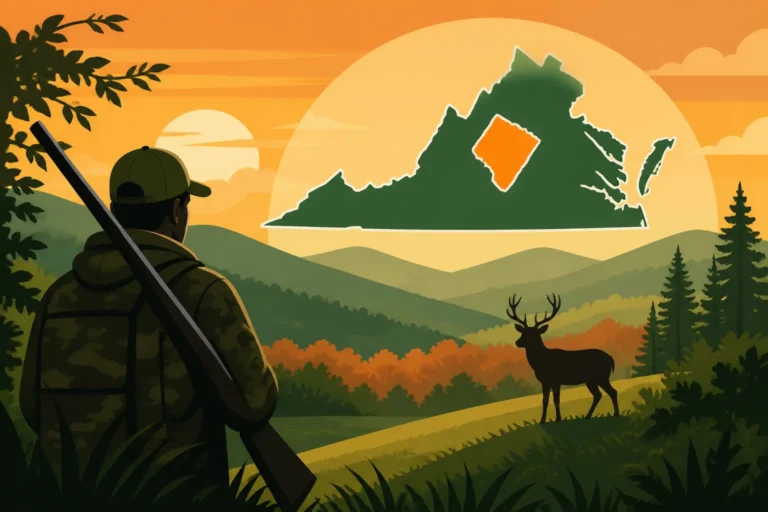
Fort A.P. Hill, located in Caroline County, offers a hunting experience unlike most other public lands in Virginia. It's not just another wildlife management area; it's a military installation with a primary mission of training, which means recreational activities like hunting operate under a very specific set of regulations and access protocols. This unique operational environment shapes every aspect of hunting on the Fort.
What Makes A.P. Hill Different?
Unlike state wildlife management areas or national forests, Fort A.P. Hill is federal land managed by the U.S. Army. This means hunters are subject to both Virginia Department of Wildlife Resources (DWR) regulations and specific post regulations. The sheer size of the installation – over 70,000 acres – holds significant potential for deer, but access is highly controlled and often restricted to certain zones or periods to avoid conflict with military training exercises. Hunters typically appreciate the limited pressure in these areas, as the quota system means fewer hunters in the field compared to general access public lands. However, this also means that flexibility is key; training schedules can change, and areas might close unexpectedly, requiring hunters to stay informed and adaptable. It's a trade-off, but for many, the chance to hunt less-pressured deer is well worth the extra effort in planning.
The Quota Hunt System Explained
The quota hunt system at Fort A.P. Hill is designed to manage hunter numbers, ensure safety, and align hunting activities with the military's operational needs and the DWR's wildlife management objectives. Essentially, instead of open access, hunters must apply for specific hunt dates and zones through a lottery system. This system is crucial for distributing hunting pressure evenly, providing a quality experience, and preventing overharvesting of deer. Virginia Deer Season Structure Explained provides a good overview of how such systems fit into overall state management.
The DWR coordinates these drawings, usually early in the year, long before the seasons begin. Applicants typically select their preferred dates and weapon types (archery, muzzleloader, or firearms). The limited number of slots ensures a higher quality hunt for those drawn, but it also means many hopefuls won't get selected. This exclusivity is part of what makes A.P. Hill so desirable. It's not uncommon for hunters to apply year after year, hoping to draw that coveted tag. The goal isn't just to control numbers, but to offer a premier hunting experience where hunters feel like they have ample space to pursue their game without constant competition.
Species Available and General Objectives
While Fort A.P. Hill's quota hunts are primarily focused on white-tailed deer, other game species, such as wild turkey and various small game, can be found on the installation, often with their own specific season dates and regulations outside of the deer quota hunts. The DWR, in cooperation with Fort A.P. Hill, aims to maintain a healthy deer population, balanced with the ecological carrying capacity of the land and the need to mitigate potential conflicts with military operations. This involves setting appropriate harvest quotas, managing habitat, and monitoring herd health. For deer, hunters typically target both antlered and antlerless deer, depending on the specific hunt type and regulations for that zone and date. Understanding these objectives can help hunters tailor their strategies for a successful hunt, whether it's focusing on mature bucks or contributing to antlerless harvest goals.
Navigating the Application Process for Quota Hunts
Applying for a Fort A.P. Hill deer quota hunt can feel a bit like navigating a maze, but with patience and attention to detail, it's a straightforward process. The key is to be proactive and informed, well in advance of the hunting season.
The Application Window and How to Apply
The application period for Fort A.P. Hill quota hunts typically opens in the spring, often around April or May, and closes a few months later. All applications are submitted through the Virginia DWR's Go Outdoors Virginia platform. This online portal is your one-stop shop for everything from purchasing Virginia Hunting Licenses and What They Cost to applying for various quota hunts across the state.
When applying, you'll need to select your preferred hunt dates and zones. It's often possible to apply as an individual or as a group. Applying as a group can be a great strategy if you have a hunting party, as it ensures that if one member is drawn, the whole group gets to hunt together. Just be aware that group applications usually require all members to pay the application fee upfront. Make sure all your information is correct and submitted before the stated deadline, as late entries are almost never accepted. You'll typically be notified of draw results several weeks or months after the application window closes.
Understanding Preference Points and Draw Odds
While the DWR does not explicitly use a "preference point" system for A.P. Hill in the same way some western states do, applying consistently demonstrates interest. The draw for A.P. Hill is generally a lottery, meaning each application has an equal chance for that specific year, but consistent application over multiple years, especially for group applications, might informally be considered. The reality is, draw odds vary significantly based on the popularity of certain dates (like the peak of the rut) and the number of available slots. Highly desirable firearm dates will naturally have lower draw odds than less popular archery dates.
To increase your chances, consider applying for multiple hunt periods if your schedule allows, and don't shy away from less popular dates or weapon types. Sometimes, hunting with a muzzleloader in a less traditional time can offer better draw odds than a prime firearms weekend. While you can't game the system, being flexible with your dates and weapon choice is the best way to improve your chances of getting a spot.
Essential Permits and Documentation
Beyond your standard Virginia Hunting Licenses and What They Cost, hunting at Fort A.P. Hill requires several additional permits and specific documentation. First, you'll need to purchase a Fort A.P. Hill Hunting and Fishing Permit directly from the post's Directorate of Plans, Training, Mobilization, and Security (DPTMS) office. This permit is separate from your DWR license and is mandatory for all recreational activities on the installation.
Additionally, due to its federal military status, you'll need to register your firearms and potentially your vehicle with the post. This usually involves a background check and providing vehicle registration, insurance, and your driver's license. All hunters, regardless of age, must also possess a valid photo ID while on the installation. Carrying proof of your DWR license, the Fort A.P. Hill permit, and your valid photo ID at all times while hunting is non-negotiable. These rules are strictly enforced, and violations can lead to immediate revocation of hunting privileges and legal consequences. Make sure you check the Fort A.P. Hill specific hunting regulations annually, as they can sometimes change without much advance notice.
Preparing for Your Fort A.P. Hill Deer Hunt
Once you've successfully drawn a quota hunt, the real preparation begins. Fort A.P. Hill presents unique challenges and opportunities, so a well-thought-out plan is essential for a successful and safe hunt.
Scouting and Familiarization
Traditional pre-season scouting on Fort A.P. Hill is often limited due to restricted access, particularly in active training areas. You typically won't be able to just drive around or walk the woods weeks before your hunt. This makes digital scouting absolutely critical. Tools like onX Hunt and GoHunt become invaluable here. You can use their satellite imagery and property line overlays to study the terrain, identify potential bedding areas, funnel points, and likely travel corridors. Look for changes in vegetation, water sources, and topography that might concentrate deer. Scouting Virginia Public Land Before Season is a great reference for general principles, but remember to apply them digitally.
When you do arrive for your hunt, take advantage of any available maps provided by the Fort or DWR, and familiarize yourself with the specific boundaries of your assigned hunting zone. Pay close attention to no-go areas and safety zones. Even with limited access, understanding the lay of the land, even from an aerial perspective, will give you a significant advantage. Focus on identifying areas that offer thick cover near potential food sources, as these are often prime spots for deer, especially in areas with moderate pressure.
Gear Considerations for Restricted Areas
Given the military nature of Fort A.P. Hill, specific gear requirements are often in place beyond typical DWR regulations. Blaze orange is always a critical consideration. Virginia has clear Virginia Blaze Orange Requirements, but Fort A.P. Hill may have additional mandates, such as specific amounts of blaze orange worn on both headwear and outer garments, even for archery hunters. Always confirm the current year's requirements.
For firearms, ensure your weapon meets Virginia's Virginia Legal Firearms for Deer Hunting and any specific caliber or ammunition restrictions for the Fort. For archery hunters, ensure your bow or crossbow meets state requirements. Beyond the weapon, consider practical items like a good pair of waterproof boots, durable clothing suitable for thick cover, and a reliable headlamp for walking in and out in low light. Since mobile meat processors might not be readily available on-site, bring essentials for field dressing and properly cooling your deer, especially if hunting during warmer early-season dates. A deer cart or game sled can be a lifesaver if you're fortunate enough to tag a deer far from a vehicle.
On-Site Rules and Safety Protocols
Safety and adherence to rules are paramount at Fort A.P. Hill. Upon arrival, you'll typically need to check in at a designated hunting check station or through an online portal system (like iSportsman). This is where you'll receive your specific hunting zone assignment, any last-minute updates on closures, and review safety briefings. Always confirm your assigned zone before heading out.
Strict rules govern weapon handling, including when and where firearms can be loaded and unloaded. Absolutely no loaded firearms are permitted in vehicles. Boundaries, clearly marked by signage or natural features, must be respected at all times. Violating a boundary can lead to serious repercussions. Unexpected closures due to military training can and do happen, sometimes with short notice. Hunters must be prepared to evacuate an area if instructed. Always maintain situational awareness, listen for range activity, and be vigilant for other hunters or military personnel. Your safety, and the safety of others, is the top priority.
Strategies for Success on A.P. Hill
Hunting successfully on Fort A.P. Hill requires a blend of traditional hunting skills, technological savvy, and strict adherence to the rules. The unique environment demands a thoughtful approach.
Leveraging Map Resources
As mentioned, digital mapping apps like onX Hunt and GoHunt are your best friends for A.P. Hill. Before you even set foot on the property, dive deep into the satellite imagery. Look for subtle terrain features like benches, saddles, and small drainages that might not be obvious on a topographic map but act as natural deer highways. Identify areas of thick cover – clear-cuts, pine thickets, or regenerating forests – that deer will use for bedding. Pin potential stand locations or ambush points. Reading Aerial Photos for Piedmont Deer can give you great foundational knowledge for this kind of digital scouting.
When you're on the ground, use the GPS function on your phone (with offline maps downloaded!) to pinpoint your location relative to boundaries, roads, and those potential hotspots you marked. Share your locations with hunting partners using the group features on these apps. Remember, cell service can be spotty, so ensure your maps are downloaded for offline use. These tools allow you to make the most of your limited time on potentially unfamiliar ground, helping you find those hidden pockets of deer that other hunters might miss.
Understanding Deer Movement in Managed Areas
Deer on Fort A.P. Hill, while less pressured than some public lands, are still wild animals that react to human presence. The limited number of hunters typically means deer might be less nocturnal, but they'll still gravitate towards dense cover for bedding, especially during daylight hours. Focus your efforts on the fringes of these thickets, or along the travel routes leading from bedding to food sources. Given the large tracts of relatively undeveloped land, deer often have diverse food options, from natural mast crops like acorns to browse in younger timber.
Look for areas where natural bottlenecks occur, such as narrow strips of woods between open fields or drainages that converge. Deer use these natural funnels for efficient travel. Even if specific military training occurs, deer will adapt their movements around it, often seeking refuge in the quietest, densest cover available. Understanding how deer react to Hunting Pressure on Virginia Public Land will give you an edge, even in a quota hunt setting.
Adapting to Conditions and Restrictions
Flexibility is perhaps the most important trait for a successful Fort A.P. Hill hunter. Military operations always take precedence, and areas can be closed with little to no notice. Hunters must be prepared to adjust their plans, switch zones if allowed, or even have a backup plan entirely. This means constantly checking the iSportsman system or Fort A.P. Hill's hunting updates.
Weather can also play a huge role. Early season hunts can be warm, requiring quick game retrieval and proper cooling. Late season hunts might be cold and wet, demanding appropriate layering and gear. Be ready for diverse weather conditions. Remember, you're a guest on a military installation; respect for the land, the rules, and the military personnel is paramount. Following all directives, being courteous, and leaving no trace will ensure these unique hunting opportunities continue for years to come. Utilize ground blinds Using a Ground Blind on Virginia Public Land or portable tree stands Portable Stands for Public Land Mobility that allow for quick setup and takedown if you need to be mobile or if conditions dictate a change of plans.
| Aspect of Fort A.P. Hill Hunting | Key Considerations | Hunter Action |
|---|---|---|
| Access & Permits | Military installation, controlled access, federal/state regulations. | Obtain Fort A.P. Hill permit, register firearms/vehicle, carry all IDs and licenses. |
| Application Process | Lottery system via DWR Go Outdoors Virginia, group applications, no preference points. | Apply early, consider multiple dates/weapon types, review draw odds, apply as a group. |
| Scouting | Limited pre-season physical access, reliance on digital tools. | Utilize onX Hunt/GoHunt for satellite imagery, identify terrain features, download offline maps. |
| Gear & Safety | Blaze orange requirements, specific firearm rules, unexpected closures. | Confirm all regulations, carry appropriate blaze orange, bring game care supplies, be aware of surroundings. |
| Deer Movement | Less pressure than open public land, deer use thick cover, react to training. | Focus on edges of thickets, natural funnels, adapt to changing conditions and quiet zones. |
| Flexibility | Military operations take priority, areas can close suddenly. | Stay updated with Fort announcements, have backup plans, be respectful of all rules. |
Disclaimer
This article is for general informational purposes only and does not constitute professional advice. Laws, prices and regulations vary by location and change over time. Consult a qualified professional for guidance on your specific situation.