Frederick County CWD Zone Public Ground
Hunting public land can be a real challenge, and when you throw Chronic Wasting Disease (CWD) into the mix, it adds a whole new layer of complexity. If you're looking to hunt deer in Frederick County, Virginia, you're squarely in an area impacted by CWD, which means you need to be extra diligent about understanding specific regulations and practicing responsible hunting. This guide will help you navigate the public hunting opportunities in and around Frederick County, detailing the CWD rules, offering tactical advice, and ensuring you're prepared for a successful and ethical hunt.
Understanding Frederick County's Place in Virginia's CWD Landscape
Frederick County isn't just another beautiful part of Virginia; it's a critical area within the state's CWD management efforts. This disease, while not known to affect humans, is a serious concern for the long-term health of our deer herd, and that means special rules for hunters like us who enjoy pursuing whitetails in the region. It's a frustrating reality to face, knowing that a disease can impact our hunting traditions, but understanding it is the first step to being part of the solution.
What the CWD Zone Means for Hunters
Being in a CWD zone, specifically Disease Management Area 2 (DMA2) for Frederick County, introduces a set of regulations designed to monitor and, hopefully, slow the spread of the disease. For hunters, this isn't just bureaucratic red tape; it's about protecting the resource we all cherish. The most significant impacts you'll encounter are often related to mandatory testing of harvested deer and strict rules about how you can transport certain parts of your animal out of the CWD zone. It can feel like a lot to keep track of, especially if you're used to hunting areas with fewer restrictions, but these measures are in place for a good reason. Many hunters express frustration with the added steps, but ultimately, it's about ensuring future generations have healthy deer to hunt. You can learn more about the broader efforts in Virginia's Four Chronic Wasting Disease Areas.
Frederick County's Specific CWD Designation
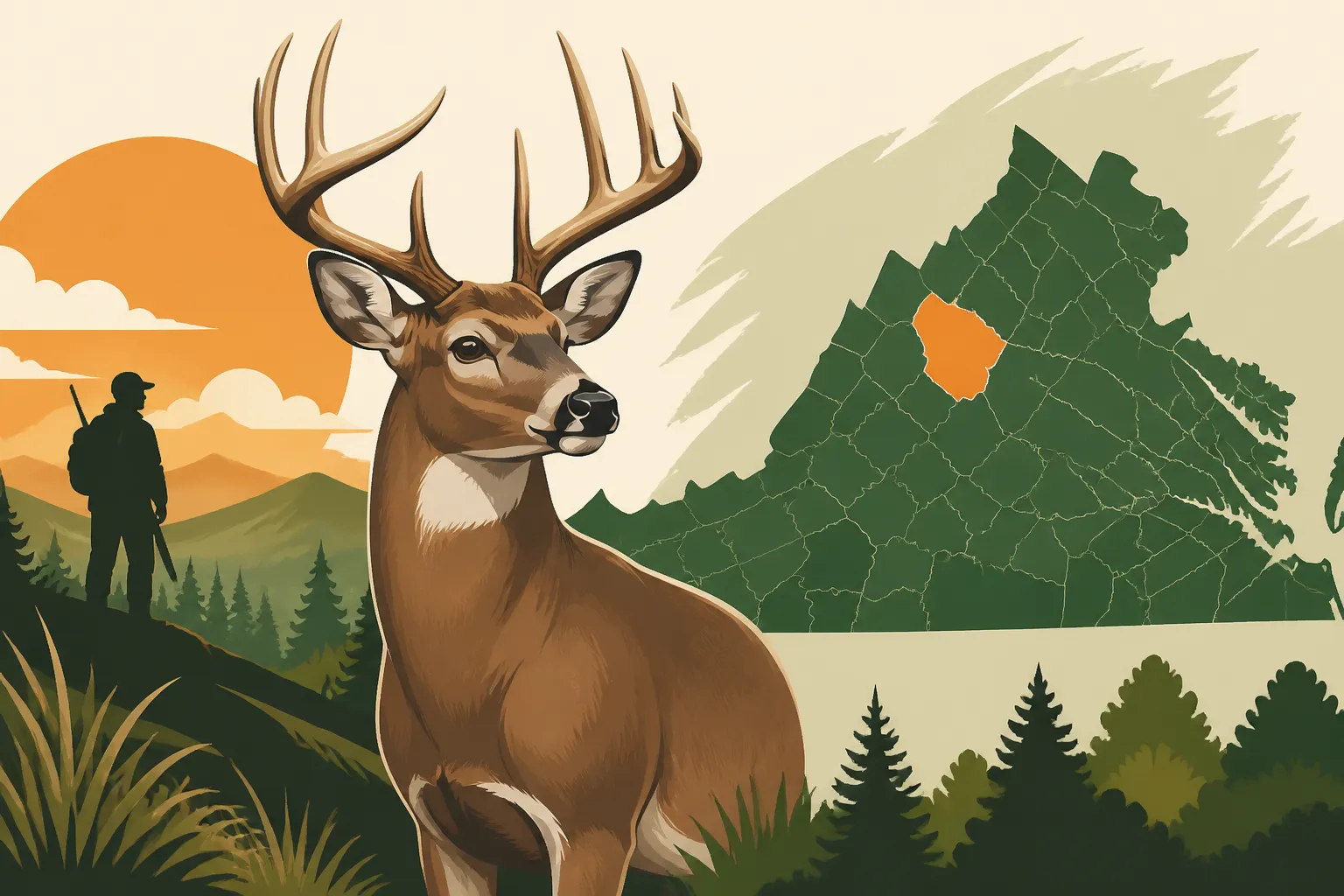
Frederick County is part of what Virginia's Department of Wildlife Resources (DWR) designates as DMA2, which encompasses several counties in northern Virginia. This means that deer harvested within Frederick County are subject to specific CWD testing requirements during certain periods, and there are limitations on the movement of high-risk carcass parts (like the brain and spinal cord) out of the DMA. This designation isn't arbitrary; it's based on scientific monitoring and confirmed cases of CWD within the local deer population. The DWR is always evaluating the situation, and areas can be added or have their regulations adjusted, as seen with some nearby counties joining the DMA over time. It's essential to stay informed about the specific DMA2 Northern Virginia Rules each season, as they can sometimes be updated. The goal is to collect enough data to understand the disease prevalence and prevent its spread to other parts of the state.
Navigating Public Hunting Opportunities in Frederick County and Surrounds
Finding public land to hunt in Virginia can be a treasure hunt in itself, and Frederick County is no exception. While it's not dotted with huge tracts of state-owned land, there are certainly opportunities available, especially when you consider its proximity to larger national forest areas. The key is knowing where to look and being prepared to put in the work that public land often demands.
Public Land Options Within the Frederick County CWD Zone
While Frederick County itself might not boast massive Wildlife Management Areas (WMAs), it does offer access to portions of the George Washington National Forest (GWNF). These expansive lands can provide excellent hunting opportunities, though they often require more effort to access and scout effectively. The GWNF areas in the western part of Frederick County are characterized by steep ridges, dense timber, and remote hollows, offering a truly wild hunting experience. You won't find manicured food plots here, but rather a chance to hunt deer in their natural habitat.
Hunting these areas requires a different mindset than private land. You'll often be competing with other hunters, especially on opening weekends. My advice? Don't be afraid to walk further than most. Get off the beaten path, past where the casual hunter stops. Deer on public land learn quickly, and they'll seek refuge in the thickest, most inaccessible spots. For a deeper dive into hunting these extensive lands, check out George Washington National Forest Hunting. Remember, these areas still fall under the CWD regulations for Frederick County, so all harvested deer will be subject to the same rules.
Nearby Public Lands and Their CWD Status
Beyond the immediate borders of Frederick County, you might consider public lands in adjacent counties, but always, always check their specific CWD status. Sometimes a county might be adjacent but not fully within a CWD management area, or it could be part of a different DMA with slightly different rules. Always consult the most current DWR regulations before planning a hunt in any new area. For example, some of the more central Shenandoah Valley counties might have different CWD rules. You're looking for opportunities that align with your CWD understanding and offer good hunting potential. Always double-check boundary lines to ensure you're compliant with all local hunting regulations.
Essential Tools for Public Land Navigation
Hunting public land, especially vast areas like the National Forest, demands excellent navigational skills and reliable tools. Gone are the days of just a paper map, though those are still great backups! Modern technology has made it so much easier to understand where you are, where the property lines are, and even what the terrain looks like.
For hunters today, GPS mapping applications are absolute game-changers. Brands like onX Hunt and GoHunt offer incredible detail, allowing you to see public and private land boundaries, topography, and even create custom waypoints for potential stand sites, rubs, scrapes, or bedding areas. These apps can often overlay CWD zone boundaries, which is invaluable for ensuring you're compliant with regulations. They can even work offline, which is critical in remote areas of the GWNF where cell service is non-existent.
When I'm planning a hunt in an unfamiliar public area, the first thing I do is spend hours poring over these maps. I'm looking for natural funnels, pinch points, benches on steep slopes, and areas that are difficult for most hunters to access. These are often the places where deer, especially mature bucks, will seek refuge. Scouting With the Virginia DWR App can also provide valuable information directly from the state wildlife agency, often highlighting specific regulations or access points.
| Feature | Description | Benefit for Public Land Hunters |
|---|---|---|
| Public/Private Layers | Clearly shows land ownership boundaries. | Avoids accidental trespassing; identifies huntable public tracts. |
| Topographical Maps | Displays elevation changes, contours, and terrain features. | Helps identify natural funnels, bedding areas, and travel corridors. |
| Aerial Imagery | High-resolution satellite images of the landscape. | Reveals hidden clear-cuts, mature timber, thickets, and food sources. |
| GPS Tracking | Records your movements in real-time. | Helps navigate back to your vehicle; tracks how much ground you cover. |
| Custom Waypoints | Allows you to mark points of interest (sign, stands, water). | Organizes scouting data; plans routes to and from hunting locations. |
| Offline Maps | Downloads map data for use without cell service. | Essential for remote areas where connectivity is unreliable or nonexistent. |
Before you head out, make sure your phone or GPS unit is fully charged, and consider carrying a portable power bank. There’s nothing worse than having your primary navigation tool die when you’re miles deep in the woods. Trust me, I’ve been there, and it’s a miserable feeling. Reading Aerial Photos for Piedmont Deer offers strategies that are equally applicable to mountainous public lands, helping you identify potential hotspots from your couch.
Hunting Strategies and Regulations in a CWD-Affected Public Area
Hunting in a CWD zone isn't just about knowing where the public land is; it's about adapting your entire approach to both the unique challenges of public land and the specific disease management regulations. It requires a bit more forethought, but it ensures you're hunting responsibly and legally.
Special Regulations for Deer Harvest and Carcass Movement
This is perhaps the most significant difference when hunting in Frederick County's CWD zone. During certain periods, especially the opening weekends of gun season, the DWR often establishes mandatory CWD testing stations. You must submit a sample from your harvested deer at these locations. This is crucial for DWR to gather data on the prevalence and spread of the disease. It might mean a slight detour after your hunt, but it's a vital contribution to wildlife management.
Beyond testing, there are strict rules about moving deer carcasses out of the DMA. Generally, you cannot transport certain "high-risk" parts – specifically the brain, spinal cord, eyes, spleen, and lymph nodes – out of the CWD zone. This means you’ll need to field dress your deer carefully, often removing the head for taxidermy purposes (if applicable) and taking only deboned meat, clean hides, and skull plates/antlers with no brain matter attached. If you plan to take your deer to a taxidermist or processor outside the DMA, be sure they are aware of these regulations and can accept the appropriate parts. Ignoring these rules can lead to significant penalties and, more importantly, contribute to the spread of CWD. It's a hassle, I know, but it's a critical step in protecting the herd. For all the specifics, refer to Mandatory Testing Inside a Virginia DMA and Moving a Deer Carcass Out of a DMA.
Scouting and Hunting Tactics for Pressured Public Land
Public land in Virginia, especially areas accessible to larger populations, sees significant hunting pressure. Deer quickly learn to avoid easy-to-reach areas and become largely nocturnal. To be successful, you need to think differently.
- Go Deeper: As mentioned, walk further than most. Use your onX Hunt or GoHunt app to identify remote pockets of public land, often deep within the National Forest, that are a tough haul from any access road. These are the places where deer are more likely to feel safe during daylight hours.
- Hunt Mid-Week: If your schedule allows, hunting on weekdays can dramatically reduce the competition and increase your chances of seeing deer. The woods often feel completely different on a Tuesday than on a Saturday.
- Focus on Terrain Features: Look for natural funnels like saddles, benches on steep hillsides, and pinch points created by thick cover or terrain changes. Deer will use these to travel, especially when pressured. Reading a Ridge for Blue Ridge Deer offers excellent insights into identifying these crucial travel routes.
- Utilize Thick Cover: Don't avoid the nastiest, thickest cover. That's often where the deer are bedding during hunting season. Finding trails leading into and out of these areas, or even setting up an ambush point on the edge, can be highly effective. For deer to feel secure on public land, they often need extremely dense cover.
- Hunt the "Walk-Past" Areas: Sometimes, overlooked spots are those that hunters walk past on their way to somewhere else. A small, brushy creek bottom near a parking area, or a little thicket just off a frequently used trail, can hold deer that have learned to tolerate human presence if it's not directly threatening. Finding Ground Others Walk Past dives deeper into this strategy.
- Wind and Thermals: In mountainous public land, understanding wind and thermals is paramount. Thermals will typically rise in the morning as the ground heats up and fall in the evening as it cools. You need to position yourself so your scent is carried away from where you expect deer to approach. Wind and Thermals on a Blue Ridge Slope provides crucial knowledge for this.
These tactics are about outsmarting deer that have adapted to human presence, not just waiting for them to walk by. It requires patience, persistence, and a willingness to explore. Hunting Pressure on Virginia Public Land explains why these strategies are so important for success.
Mandatory Reporting and Testing Protocols
Harvesting a deer in Frederick County means you're part of a vital data collection process for the DWR. Beyond simply checking your deer, you may be required to submit a tissue sample for CWD testing.
- Deer Check-In: All harvested deer in Virginia must be reported. The easiest way to do this is through the DWR's Go Outdoors Virginia mobile app or website. You'll receive a confirmation number that serves as your legal tag. This is a non-negotiable step for every hunter. For detailed instructions, refer to Virginia Deer Reporting Requirements and Checking a Virginia Deer Harvest Online.
- CWD Sampling Stations: During specific mandatory testing periods (usually the first few days of firearms season, sometimes longer), you must take your harvested deer (or at least its head) to a designated CWR sampling station within the DMA. These stations are typically staffed by DWR personnel or volunteers who will collect the necessary tissue samples (lymph nodes). This process is quick and generally doesn't require you to wait long.
- Carcass Disposal: After processing your deer, ensure proper disposal of any high-risk parts (head, spinal column) within the DMA. Do not just leave them in the woods outside the zone. DWR often provides specific guidance or even dumpsters for this purpose in CWD zones.
Remember, compliance with these rules is not just about avoiding a citation; it's about actively participating in the management of CWD and helping to preserve Virginia's deer herd for the future.
Responsible Hunting Practices and Disease Management
Hunting is a privilege, and with that comes the responsibility of being a steward of the land and its wildlife. When hunting in a CWD-affected area, this responsibility takes on an even greater significance. Every action you take, from scouting to field dressing, can impact the broader effort to manage this disease.
Minimizing Disease Spread and Ethical Considerations
Our actions as hunters play a direct role in either mitigating or inadvertently contributing to the spread of CWD. It's a sobering thought, but it's true.
- Field Dress on Site: Whenever possible, field dress your deer exactly where you shot it. This leaves the "high-risk" parts (gut pile, brain, spinal cord) at the kill site, preventing their movement to new areas. If you need to remove the deer whole, ensure you understand the carcass transport rules discussed earlier.
- Proper Carcass Disposal: If you process your deer at home, ensure all high-risk waste is disposed of in a landfill or according to DWR guidelines for CWD zones. Do not discard parts where other deer might access them.
- Avoid Attracting Deer: Be mindful of feeding bans that are often in place in CWD zones. Virginia's Twenty-Five-Mile Feeding Ban is designed to reduce unnatural congregations of deer, which can facilitate disease transmission. This means no baiting, mineral blocks, or supplemental feeding, even if you’re just trying to help the deer.
- Clean Your Gear: While the science on CWD prion transmission through gear is still evolving, it's always good practice to clean your boots, clothing, and equipment, especially if you move between different hunting areas or CWD zones.
Beyond disease management, ethical considerations always apply. Respect other hunters, know your safe shooting zones, and always be certain of your target and what lies beyond it. Public land belongs to everyone, and maintaining a positive image of hunters is vital.
Understanding Virginia's Broader CWD Management Efforts
The DWR doesn't take CWD lightly, and neither should we. They employ a multi-faceted approach to manage the disease, and hunters are at the forefront of their data collection. By participating in mandatory testing, reporting your harvest accurately, and adhering to carcass movement restrictions, you are directly supporting these efforts.
The information gathered from hunters helps the DWR map the disease's distribution, understand its prevalence, and make informed decisions about herd management, bag limits, and regulatory changes in the future. It's a long-term battle, and consistent, cooperative action from the hunting community is critical. This might include special hunting permits for antlerless deer, or extended hunting opportunities in certain CWD areas to help manage herd densities. Staying informed through DWR's official channels is the best way to ensure you're always up to date and contributing positively to wildlife conservation.
Disclaimer
This article is for general informational purposes only and does not constitute professional advice. Laws, prices and regulations vary by location and change over time. Consult a qualified professional for guidance on your specific situation.