Boots for Virginia Swamps and Ridges
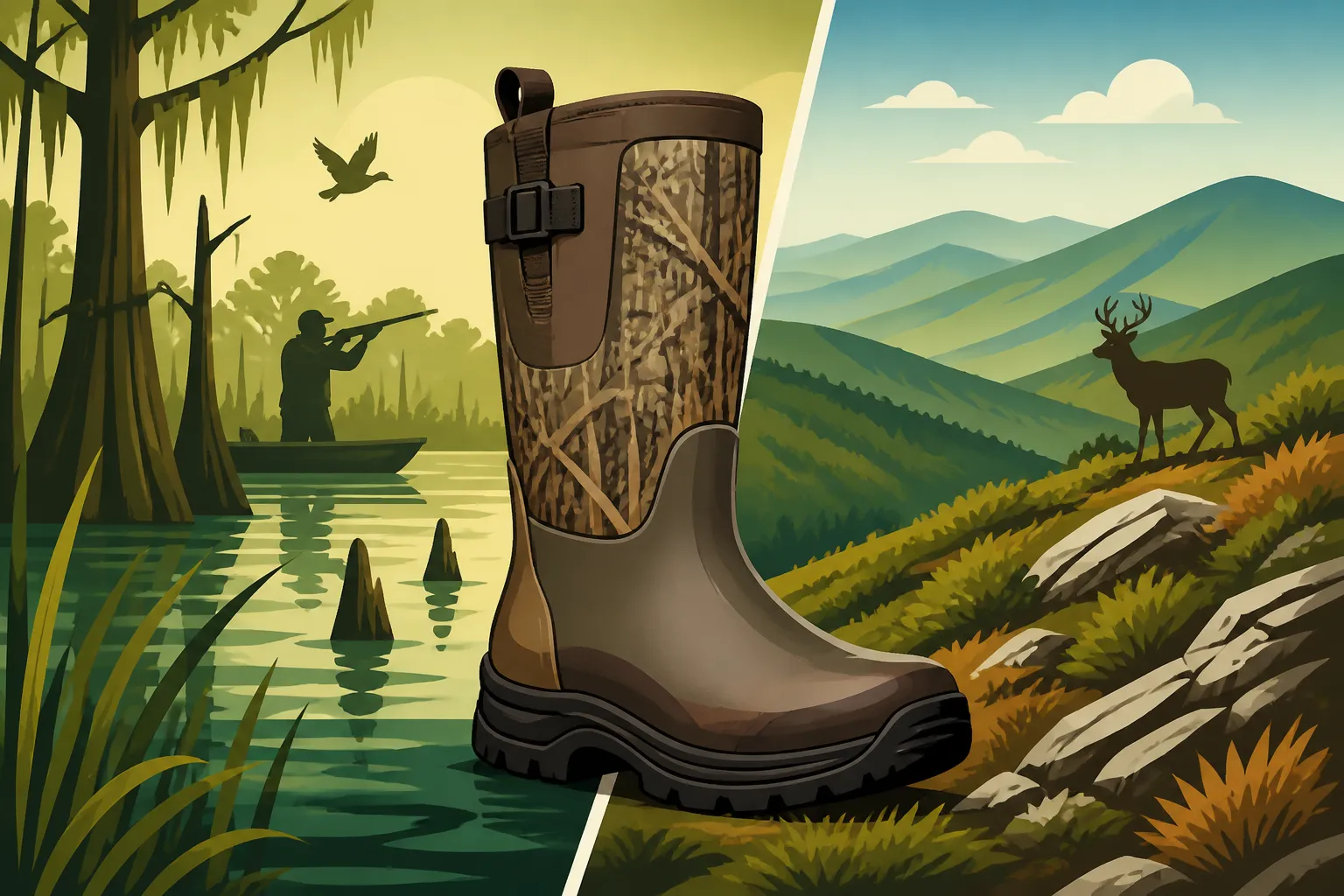
If you've spent any time hunting in Virginia, you already know the incredible diversity of our landscape. One minute you're slogging through ankle-deep muck in a Tidewater swamp, the next you're scrambling up a shale-covered Blue Ridge mountain slope. This wild variation in terrain makes choosing the right hunting boots a persistent headache, often leading to wet feet, painful blisters, or even dangerous slips. This comprehensive guide will walk you through everything you need to know to select the perfect footwear, ensuring you stay comfortable, dry, and safe no matter where your Virginia hunt takes you.
Understanding Virginia's Diverse Terrain and Its Demands on Footwear
Virginia isn't a "one boot fits all" kind of state. Our geography ranges from the coastal plain's marshes to the towering peaks of the Appalachians, and each region presents its own unique challenges for your feet and footwear. Ignoring these differences is a surefire way to end a hunt early or, worse, put yourself at risk.
The Wet World of Tidewater Swamps and Bottomlands
Hunting in Virginia's eastern counties, especially near the Chesapeake Bay or along major river systems like the James and the Chickahominy, means one thing: water. You'll encounter everything from standing water in cypress swamps to thick, grabby mud in river bottomlands and tidal marshes. The ground here is consistently soft, often submerged, and can hide all sorts of sharp snags and submerged roots.
For these environments, the primary concern is absolute waterproofness and the ability to navigate deep, suctioning mud. Traditional leather boots often become waterlogged and heavy, and their seams can fail under constant immersion. The ideal boot here needs to be tall enough to prevent water from spilling over the top and robust enough to resist punctures from hidden debris.
Navigating the Steep, Rocky Blue Ridge and Allegheny Mountains
Shift your focus west, and you're in a completely different world. The Blue Ridge and Allegheny Mountains, forming the backbone of western Virginia, demand a wholly different kind of boot. Here, you're dealing with steep inclines and declines, rocky terrain, loose shale, and often slick, leaf-covered ground. Foot placement is critical, and a single misstep can lead to a serious injury.
Ankle support is paramount when hunting these mountains. A twisted ankle far from the truck is no joke, especially when you're hauling out game. Traction on wet rocks and slippery slopes is also crucial, as is a stiff sole that can absorb the impact of uneven ground and prevent foot fatigue over miles of rugged hiking. Boots for Walking Virginia Ridges are not just about comfort; they're about safety and endurance.
Piedmont Fields and Rolling Woods: A Mix of Everything
The vast Piedmont region, stretching between the mountains and the coastal plain, offers a blend of terrains. You'll often find yourself traversing open agricultural fields, crossing small creek bottoms, and still-hunting through rolling hardwood forests. While generally less extreme than the mountains or swamps, the Piedmont still presents varied challenges.
Here, you might encounter damp fields in the morning, dry oak ridges in the afternoon, and muddy crossings over intermittent streams. The ideal boot for the Piedmont needs to be versatile – comfortable enough for long walks across fields, but with enough waterproofing to handle unexpected puddles and enough support for moderately uneven ground. It's about finding a balanced performer that can adapt to changing conditions without being overkill for any single one.
Key Features to Prioritize in Virginia Hunting Boots
When you're shelling out good money for hunting boots, you want to be sure they're up to the task. For Virginia's varied conditions, certain features move from "nice to have" to "absolutely essential." Let's break down what truly matters.
Waterproofing: The Non-Negotiable for Virginia
If there's one feature you cannot compromise on in Virginia, it's waterproofing. Whether it's a sudden downpour during deer season, slogging through a creek, or navigating dewy fields, your feet will get wet without proper protection. Wet feet lead to cold feet, blisters, and can quickly ruin a hunt.
Look for boots featuring reputable waterproof membranes like Gore-Tex, or high-quality proprietary waterproof barriers from manufacturers like Muck, Lacrosse, or Bogs. The key is not just the membrane, but also how the boot is constructed. Seam-sealed construction is vital, as is the height of the waterproof barrier. A boot that's only waterproof up to the ankle is useless in a foot of swamp water. For truly wet environments like Hunting the Eastern Shore Marsh, knee-high or even hip-height rubber boots are often the only reliable option.
Ankle Support and Stability for Uneven Ground
For anyone hunting west of the Blue Ridge, or even in the rolling hills of the Piedmont, robust ankle support is critical. Walking on uneven ground, navigating rocky slopes, or descending steep terrain with a pack and a deer on your back puts immense strain on your ankles. A good boot will have a stiff shank and a well-designed lacing system that locks your heel in place and supports your ankle without restricting movement too much.
Boots designed for mountain hunting often feature taller cuffs and reinforced sides specifically to provide this stability. Trying on boots with your typical hunting socks and walking on an incline or decline (if possible at the store) can give you a better feel for their support. Don't underestimate the energy drain and safety risk a weak ankle support can present when you're miles into the backcountry.
Traction and Outsole Design
The outsole of your boot is your direct connection to the ground, and its design dictates your grip. Virginia's hunting grounds offer everything from slick, wet clay to loose gravel and moss-covered rocks. You need an outsole that can handle it all.
Look for aggressive lug patterns with deep, multi-directional treads. These are essential for shedding mud and providing bite on soft, uneven terrain. For rocky mountain hunting, a stiffer sole with defined edges can help with edging on small ledges and provide better stability against sharp rocks. Vibram is a well-known brand for high-performance outsoles, but many manufacturers have excellent proprietary designs. The rubber compound itself also plays a role – some are designed for maximum grip, while others prioritize durability. Thinking about Hunting a Funnel Between Two Hollows means you need reliable footing on varied surfaces.
Insulation and Temperature Regulation
Virginia's hunting seasons can swing wildly in temperature, from warm archery days in September to frigid late-season sits in January. Choosing the right insulation level for your boots is about matching the expected conditions. Uninsulated boots are ideal for early seasons and active hunting when you're generating a lot of body heat. They're also often more breathable.
As the mercury drops, insulated boots become invaluable. Insulation is typically measured in grams (e.g., 400g, 800g, 1200g Thinsulate). For mid-season deer hunting, 400-600 grams might be sufficient, especially if you're layering with good wool socks. For truly cold, late-season stand hunts, 800 grams or more, coupled with Insulated Boots for All-Day Sits, will keep your toes from freezing. Remember, too much insulation can lead to sweaty feet, which paradoxically can make you colder when you stop moving. Finding the right balance is key.
Durability and Materials
Hunting is hard on gear, and boots are no exception. They're subjected to briars, rocks, mud, water, and countless miles. Investing in durable materials means your boots will last longer and protect your feet better.
Full-grain leather is a traditional favorite for its durability, ability to conform to your foot, and natural water resistance (though it still needs a membrane for full waterproofing). Modern synthetics like nylon and Cordura offer lighter weight and faster drying times, often with excellent abrasion resistance. Rubber boots, of course, are inherently waterproof and highly durable against punctures and mud. Look for reinforced toe and heel areas, strong stitching, and high-quality hardware for laces. A boot that falls apart mid-hunt is worse than no boot at all.
Boot Types for Specific Virginia Hunting Scenarios
Given Virginia's incredible diversity, it's rare that one pair of boots will truly excel in every scenario. Most dedicated Virginia hunters end up with at least two different types of footwear to cover the range of conditions they face. Let's look at the main categories.
Rubber Boots: Kings of the Wet and Muddy
When you know you're going to be in deep mud, standing water, or crossing numerous wet areas, rubber boots are your best friend. They offer unparalleled waterproof protection and are often easier to clean, which is a huge bonus when dealing with thick, sticky Virginia clay.
Modern rubber boots have come a long way from the clunky, cold options of yesteryear. Many now feature neoprene insulation for warmth, comfortable footbeds, and aggressive outsoles for traction. They're particularly well-suited for Hunting the Eastern Shore Marsh, flooded timber, beaver swamps, and tracking through muddy fields. Another significant advantage of rubber boots, especially for deer hunting, is their scent control. Rubber doesn't absorb human odor like fabric or leather, making them an excellent choice for minimizing your scent footprint on the way to your stand. You'll find a great selection of durable, scent-controlling rubber boots perfect for Virginia's wet conditions if you check resources like GoHunt. For maximum protection, consider knee-high models or even hip waders for truly deep water crossings.
Mountain Hunting Boots: Rugged Support for the Vertical
For hunters who spend their seasons in the steep climbs and rocky descents of the George Washington or Jefferson National Forests, a dedicated pair of mountain hunting boots is non-negotiable. These boots are built for extreme durability, superior ankle support, and aggressive traction on challenging terrain.
Characteristics of a good mountain boot include a high-cut ankle for maximum support, a stiff midsole for stability on uneven ground and protection from sharp rocks, and an aggressive, deep-lugged outsole designed for grip on loose material and steep slopes. They are often made from robust leather or heavy-duty synthetics, with ample randing (rubber reinforcement) around the toe and sides to resist abrasion. While they might be heavier and require a break-in period, the comfort, safety, and reduced fatigue they offer over long, strenuous hikes, such as Still-Hunting Jefferson Forest Ridges or Hunting a Ridge-Top Saddle for Rutting Bucks, are invaluable. They often feature breathable waterproof membranes to manage moisture from sweat while keeping external water out.
All-Around Field and Upland Boots: Versatility for the Piedmont
For the hunter who primarily works rolling agricultural land, mixed hardwoods, or chasing small game in fencerows and bottomlands, a versatile all-around field boot is a solid choice. These boots strike a balance between waterproofness, comfort, and support, without being as heavy or stiff as a dedicated mountain boot or as specialized as a rubber boot.
These boots are typically mid-height, offering good ankle support for varied terrain without being overly restrictive. They often feature waterproof membranes and durable leather or synthetic uppers. The outsoles will have a good lug pattern for traction in mud and on leaves but might be more flexible than a mountain boot for increased walking comfort over longer distances. They're excellent for Setting Up on a Piedmont Field Edge, working a dove field, or chasing rabbits. This type of boot is often the "daily driver" for many Virginia hunters due to its adaptability. When researching boots, many hunters find detailed reviews and comparisons on platforms like GoHunt invaluable for making informed decisions on these versatile options.
Fitting, Comfort, and Maintenance for Longevity
Even the most expensive, feature-packed hunting boots are worthless if they don't fit well or aren't properly cared for. Comfort is paramount for long days in the field, and proper maintenance will extend the life of your investment.
The Importance of Proper Fit and Break-In
Poorly fitting boots are a hunter's worst nightmare. They can cause blisters, hot spots, numb toes, and general misery, effectively ending your hunt. Always try on boots with the specific type of hunting socks you plan to wear. Your feet swell throughout the day, so it's often best to try them on in the afternoon or after being on your feet for a while.
Walk around the store, paying close attention to any pressure points or heel slippage. Your toes should have enough room to wiggle, but your heel should be locked in place. Don't rely on "breaking them in" to fix major fit issues. While new boots do need a break-in period to soften the materials and conform to your foot, this should alleviate minor stiffness, not solve fundamental sizing problems. Start with shorter walks and gradually increase the distance before taking them on a demanding hunt.
Sock Systems: Your Boots' Best Friends
Your socks are just as important as your boots in ensuring comfort and performance. Cotton is the enemy in hunting socks; it absorbs moisture and stays wet, leading to blisters and cold feet. Instead, invest in high-quality wool or synthetic blends designed for outdoor activity.
A common and effective strategy is a "sock system." This often involves a thin, synthetic or merino wool liner sock directly against your skin to wick away moisture. Over this, you wear a thicker, cushioned wool sock (again, merino is excellent) for insulation and padding. This combination manages moisture, prevents friction, and provides warmth. Adjust the thickness of your outer sock based on the temperature, but always ensure they are wicking materials. Think of how important Layering for a Virginia Deer Stand is for your body; the same principle applies to your feet.
Cleaning and Storing Your Boots
After a long day in the Virginia woods or marshes, your boots will likely be covered in mud, sweat, and debris. Proper cleaning and storage are crucial for longevity. Immediately after each hunt, clean off any caked-on mud and dirt. For leather boots, a damp cloth is usually sufficient. For rubber boots, a hose can do wonders.
Once clean, always dry your boots properly. Avoid direct heat sources like campfires or radiators, as these can damage leather, melt synthetic components, and delaminate waterproof membranes. Instead, stuff them with newspaper (which absorbs moisture) or use a boot dryer with gentle, circulating air. Once dry, condition leather boots to keep them supple and prevent cracking. Store your boots in a cool, dry place, ideally upright, to maintain their shape. Proper care, like you'd find advice for on platforms like GoHunt, is what keeps your gear performing season after season.
Special Considerations for Virginia Hunters
Beyond the basics, Virginia's unique hunting culture and regulations bring a few extra points to consider when it comes to your footwear.
Scent Control for Deer Hunting
Virginia's whitetail deer are famously wary, and minimizing your scent is a critical part of success, especially during archery season or on heavily pressured public land. Your boots, being in direct contact with the ground, can carry and leave a significant scent trail.
Rubber boots are excellent for scent control because their non-porous material doesn't absorb and hold human odors like leather or fabric. Many dedicated deer hunters will only wear rubber boots when walking to and from their stands. For other boot types, washing them thoroughly with scent-eliminating sprays or detergents can help, but it's rarely as effective as rubber. Always consider your entry and exit routes, and how much scent you might be leaving behind with your footwear, especially if you're hunting in a prime spot where deer often cross. Scent Control Gear for Urban Archery Hunts extends to your boots.
Weight and Fatigue
Hunting in Virginia, particularly in the mountains, can involve significant walking. The weight of your boots, while seemingly minor, adds up over miles. Every pound on your foot is equivalent to about five pounds on your back in terms of energy expenditure.
While you don't want to sacrifice durability or support, there's a balance to be struck. If you're primarily still-hunting or covering vast distances, lighter boots can significantly reduce fatigue. If you're sitting in a stand for long hours, the extra weight might be less of a concern, and warmth or rigid support could take precedence. Consider your typical hunting style and the distance you realistically cover. For long hikes with a pack, such as those you'd take with Packs for a Day on Public Land, every ounce matters.
Budget vs. Performance
Hunting boots can range wildly in price, from budget-friendly options to high-end, specialized footwear. It's tempting to save money, but with boots, you often get what you pay for. Investing in quality boots that fit well and offer the right features for your hunting style is an investment in your comfort, safety, and ultimately, your success and enjoyment in the field.
Cheap boots might skimp on waterproofing, use inferior materials that break down quickly, or offer inadequate support, leading to blisters and discomfort. While a top-tier pair might seem like a lot upfront, their longevity and superior performance often make them a better value in the long run. Consider what conditions you hunt most frequently and prioritize features accordingly. It's often better to save up for a quality pair that will last multiple seasons than to buy cheap boots every year. While an investment, quality boots found through resources like GoHunt can significantly enhance your hunting experience.
Virginia Hunting Boot Comparison
To help you visualize the best boot types for different Virginia conditions, here's a quick comparison table:
| Boot Type | Best Virginia Terrain | Key Features | Pros | Cons |
|---|---|---|---|---|
| Rubber Boots | Swamps, marshes, floodplains, muddy fields, riversides, Hunting the Eastern Shore Marsh | 100% waterproof, scent-controlling, often insulated neoprene, aggressive mud-shedding tread | Absolute waterproofness, excellent scent control, easy to clean, often warm | Less ankle support, can be clunky, less breathable for active hunts, not ideal for rocky terrain |
| Mountain Hunting Boots | Blue Ridge/Allegheny Mountains, steep ridges, rocky terrain, Still-Hunting Jefferson Forest Ridges | High ankle support, stiff midsole, aggressive rock-gripping outsole, durable leather/synthetic | Superior ankle support, extreme durability, excellent traction on rugged ground, reduces foot fatigue | Heavy, require break-in, less breathable, often overkill for flat ground or warm weather |
| All-Around Field/Upland Boots | Piedmont rolling woods, agricultural fields, mixed hardwoods, fencerows, Setting Up on a Piedmont Field Edge | Mid-height ankle support, waterproof membrane, balanced traction, comfortable for walking | Versatile, good balance of features, comfortable for long walks, suitable for varied conditions | Not fully submersible, less aggressive traction than mountain boots, not as warm as dedicated winter boots |
Ultimately, the best boots for you will depend on where you spend most of your time hunting in Virginia and what challenges that terrain presents. Happy hunting, and stay dry out there!
Disclaimer
This article is for general informational purposes only and does not constitute professional advice. Laws, prices and regulations vary by location and change over time. Consult a qualified professional for guidance on your specific situation.