Hunting the Virginia Rut in November
November in Virginia is a magical time for deer hunters, a period often romanticized and eagerly awaited. However, while the rut promises thrilling encounters and the chance at a mature buck, it can also be incredibly frustrating when those big deer seem to vanish into thin air, or when they appear only when you're not in your stand. The deer's behavior shifts dramatically, making established patterns unpredictable. This comprehensive guide will help you decode the complexities of hunting the Virginia rut, offering insights into deer movement, effective strategies, and crucial considerations to make your November hunts more successful and less bewildering.
Understanding Virginia's Rut Cycle and Peak Activity
The term "rut" is often thrown around as a single event, but in reality, it's a dynamic, multi-phase period of deer activity driven by hormonal changes and breeding urgency. Understanding these phases and how they manifest across different regions of Virginia is paramount to consistent success. Forget everything you thought you knew about static deer behavior; during the rut, everything is fluid, and adapting to these shifts is what separates the consistently successful hunters from those who just get lucky.
Regional Variations in Rut Timing
Virginia is a diverse state, stretching from the coastal plain of the Eastern Shore all the way to the rugged peaks of the Appalachian Mountains. It's no surprise then that the rut doesn't happen uniformly across the entire Commonwealth. While genetics play a role, environmental factors like photoperiod (daylight length) and, to some extent, regional deer densities and hunter pressure, influence when peak breeding activity truly ignites. Knowing these localized nuances can help you fine-tune your hunting schedule and target the most productive weeks in your specific area.
Generally speaking, the East of the Blue Ridge region, encompassing the vast Piedmont and Tidewater areas, tends to see its seeking and early chasing phases begin in late October, intensifying through mid-November. Peak breeding, or the "lockdown" phase where bucks are often paired with a receptive doe and less visible, typically occurs in the middle two weeks of November, extending into early December. Hunters in these areas, often characterized by fragmented forests, agricultural fields, and suburban woodlots, will notice a noticeable increase in buck sign and daylight movement as November progresses. For those focusing their efforts here, our guide on Hunting the Rut East of the Blue Ridge provides even more tailored advice.
Conversely, the West of the Blue Ridge region, including the formidable mountain ranges and valleys, often experiences a slightly later, and sometimes more compressed, rut. The seeking phase typically kicks off in early November, with peak breeding often hitting in the latter half of November and stretching into early December. The cooler temperatures and denser, more rugged terrain of the mountains can sometimes make the rut feel more intense when it does arrive, as bucks work harder to find does across vast, steep landscapes. Hunters pursuing deer in these western counties should consult resources like Hunting the Rut West of the Blue Ridge for specialized insights into mountain deer behavior during this critical time.
The Phases of the Rut and Deer Behavior
To truly maximize your time afield, you need to think of the rut not as a single event, but as a series of phases, each with its own distinct deer behaviors and corresponding hunting strategies. Missing this critical distinction is a common mistake that leads to frustration.
The Pre-Rut, or Seeking Phase, is arguably one of the most exciting times to be in the woods. This usually kicks off in late October or early November, depending on your region. Bucks, fueled by rising testosterone, are actively beginning their search for the first receptive does. You'll see an explosion of fresh rubs and scrapes, especially along travel corridors, field edges, and transitional areas. Bucks are covering a lot of ground, checking scrape lines, sniffing out doe bedding areas, and often responding aggressively to calling. They haven't found many does yet, so they're on the move, making them more visible and vulnerable. This is an excellent time for aggressive tactics like rattling and grunting, as a buck might come charging in to investigate a perceived rival.
Next comes the Peak Breeding, or Lockdown Phase. This is often the most frustrating period for hunters, even though it's the height of the rut. During lockdown, the majority of does are receptive, and dominant bucks are often "locked down" with a hot doe for 24-48 hours. They're not moving much, and they're focused entirely on breeding. This means fewer visible bucks cruising, and often, silence in the woods as the deer activity becomes concentrated and secluded. Hunters who only hunt mornings or evenings might miss the action entirely, as breeding can happen at any time of day in thick cover. This phase demands patience and often calls for all-day sits in key funnels or thick bedding areas where a buck might push a doe. If you're wondering about using deer calls during this time, our guide on Rattling and Grunting in Virginia can offer some nuanced advice for different rut phases.
Finally, we transition into the Post-Rut, or Chasing Phase, which can sometimes overlap with a secondary rut. After the peak, bucks are exhausted, having expended massive amounts of energy during breeding. Their testosterone levels begin to drop, and their primary focus shifts back to food and recovery. However, some younger does may come into estrus for the first time, or older does that weren't bred during the primary rut might have a second cycle. This can lead to a resurgence of chasing activity, often by younger bucks, as they pursue these remaining receptive does. Hunters in late November and early December should focus on food sources again, as bucks are trying to replenish their reserves, but keep an eye out for that unexpected chase. This period is also when you might start thinking about Late-Season Food Sources for Virginia Whitetails as a primary strategy.
Essential Scouting for Rut Success
You can't just stumble into the woods during November and expect success. The rut amplifies deer movement and changes their patterns, but the foundation of a successful rut hunt is still built on diligent scouting. Even though bucks are on the move, they're still using specific terrain features, signposts, and corridors. Pre-season work, combined with real-time observation, is what will put you in the right place at the right time.
Interpreting Rubs, Scrapes, and Trails
During the rut, rubs and scrapes are like neon signs for deer activity, but understanding what they tell you is key. Fresh, large rubs on saplings and small trees indicate a buck has been actively marking his territory and relieving velvet. Multiple rubs in a "rub line" are gold – they often mark a travel corridor used by bucks, sometimes even a perimeter around a bedding area or a funnel. During the seeking phase, bucks are making rubs constantly, so fresh ones are a good indicator of current buck presence.
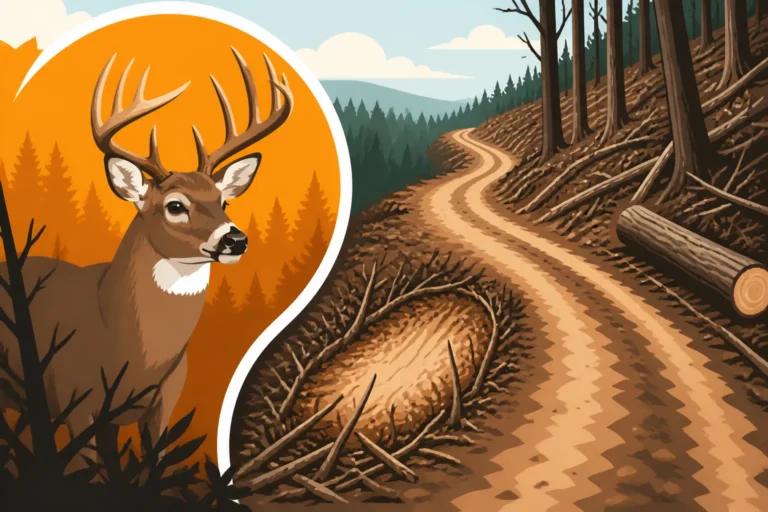
Scrapes, on the other hand, are communication hubs. A "community scrape" might be visited by multiple deer, bucks and does alike, serving as a social gathering point. An "active scrape" is identifiable by fresh pawing and often a damp, disturbed licking branch above it. During the pre-rut, bucks will be regularly checking and refreshing these scrapes, leaving behind scent from their forehead glands and urine. As the rut progresses into the peak breeding phase, scrape activity might actually diminish, as bucks are too busy with does to stop and work scrapes. So, if you're finding a lot of fresh scrapes in early to mid-November, you're likely in the seeking phase, a prime time to set up nearby. Pay attention to their location: scrapes found along ridgelines, at the base of bottlenecks, or along field edges are particularly promising. Understanding Scrape Lines Along a Logging Road or other key areas can lead you to prime rutting locations.
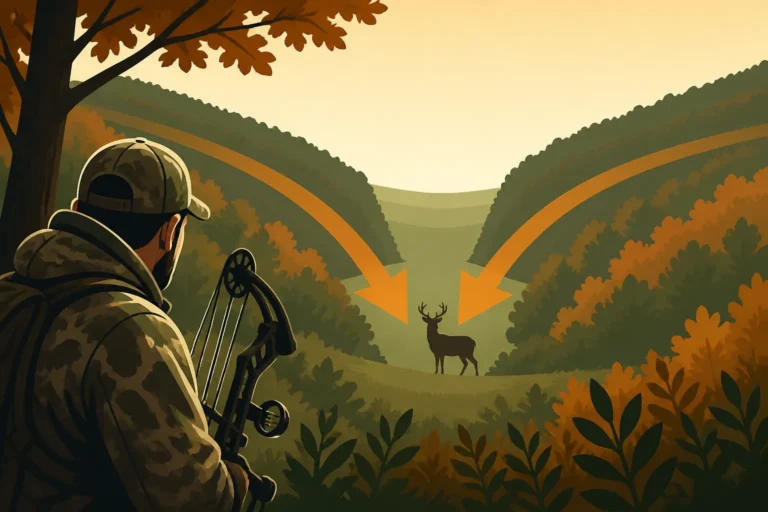
Beyond rubs and scrapes, always pay attention to heavily used trails. During the rut, bucks will often parallel primary doe trails, checking for scent. They might also create new, less distinct trails through thicker cover as they chase does. Look for intersecting trails, especially those that create natural funnels between bedding and feeding areas, or between different pockets of cover. These pinch points become high-traffic zones during the rut, making them ideal ambush sites.
Leveraging Technology and Pre-Season Intel
Modern hunting isn't just about boots on the ground; it's also about smart use of technology. Tools like GPS mapping apps and satellite imagery have revolutionized scouting, allowing you to identify potential hotspots without even stepping foot in the woods. Before the season, pore over aerial maps, looking for natural funnels, saddles, benches, creek bottoms, and changes in topography that could concentrate deer movement. Identify different timber types—mature hardwoods for acorns, clearcuts for browse, or pine thickets for bedding cover—and how deer might transition between them. You can use platforms like GoHunt to visualize these different habitat types and topographical features, helping you pinpoint potential rutting corridors and bedding areas before you ever hit the ground.
Once you have a few promising spots identified from your armchair scouting, it's time for some strategic ground reconnaissance. This pre-season work, sometimes done long before November, can save you countless hours during the rut. Set up trail cameras in identified funnels, on active scrape lines, or overlooking bedding areas to get a real-time understanding of what deer are in the area and when they're moving. Pictures from late October and early November can confirm the presence of specific bucks and indicate if the seeking phase is kicking off. Don't be afraid to run a few cameras in remote areas of public land; this is where you might find mature bucks that avoid pressured spots. Our guide on Scouting Virginia Public Land Before Season provides detailed strategies for this critical pre-hunt work.
While you're doing your scouting, remember to analyze the local food sources. Even though bucks are distracted by does, they still need to eat. During the rut, bucks will often cruise through areas with desirable food, hoping to intercept a doe feeding. Look for white oak acorns in the mountains or corn and soybean fields in the Piedmont. Knowing where these food sources are, especially when combined with good cover, gives you a strong advantage.
Proven Rut Hunting Strategies and Tactics
Once you understand the rut and have done your scouting, it's time to put a plan into action. This isn't a time for passive hunting; the rut demands strategic thinking and sometimes aggressive tactics.
Strategic Stand Placement
During the rut, bucks are less predictable, but their movements are still channeled by terrain and cover. Your stand placement needs to account for this. The best locations often involve bottlenecks, saddles, and transition areas between bedding and feeding. A bottleneck could be a narrow strip of timber connecting two larger woodlots, a fence row cutting across a field, or a pinch point where a creek bends, forcing deer into a tight corridor. These are prime spots to intercept a cruising buck.
For hunters on public lands like the George Washington National Forest, focusing on saddles and benches along ridges can be incredibly productive. Bucks will often use these topographical features to travel efficiently while checking for does in the valleys below or on adjacent slopes. A well-placed stand in a saddle or on a bench allows you to cover multiple potential travel routes. Consider our advice on Treestand Setups in George Washington National Forest for more specific guidance in these challenging environments. When hunting such terrain, understanding Reading a Ridge for Blue Ridge Deer is invaluable for predicting buck movement.
It’s also crucial to consider wind direction and thermals, especially in mountainous terrain. Bucks often travel with the wind in their face or crossing, allowing them to scent-check for does. In the mountains, thermals will typically pull scent uphill in the morning and downhill in the evening. Positioning your stand to take advantage of these air currents, ensuring your scent is carried away from expected deer movement, is critical. A detailed understanding of Wind and Thermals on a Blue Ridge Slope can make or break your hunt in the mountains. For morning hunts, consider setting up on the leeward side of a ridge where deer might feel more comfortable traveling with the rising thermals carrying their scent upward.
Effective Calling and Decoy Use
Calling can be highly effective during the rut, especially during the seeking and chasing phases. Grunt calls simulate a buck's vocalizations, attracting curious or challenging bucks. During the pre-rut, a few aggressive grunts or a snort-wheeze can bring a buck running. As the rut progresses and bucks are actively chasing, a tending grunt, simulating a buck tending a doe, can be incredibly enticing. Remember, every buck is different, so experiment with volume and frequency. Sometimes less is more, especially on pressured public lands. If you're looking for more specific guidance on this, check out our insights on Grunt Calls in Mature Virginia Timber.
Rattling antlers together can simulate a fight between two bucks, often drawing in dominant bucks looking for a challenge or curious younger bucks. This tactic works best during the pre-rut and early peak when bucks are actively seeking and sparring. Timing is key: rattle for 30-60 seconds, then be absolutely still and observant for 10-15 minutes, as bucks might approach cautiously. In thick mountain cover, you might need to rattle a bit louder to carry the sound.
Decoys, particularly buck or doe decoys, can also be a game-changer. A lone doe decoy can attract cruising bucks, while a buck decoy can challenge a dominant buck or draw in a curious younger one. Be mindful of scent control when handling decoys, and position them where they are visible but still allow you a shot. Always ensure safe backdrop and clear shooting lanes when using decoys, especially on public land.
Still-Hunting and Ground Tactics
While many hunters prefer the static approach of a treestand, still-hunting can be incredibly effective during the rut, especially in challenging terrain or on heavily pressured land. Still-hunting involves moving slowly and deliberately through the woods, pausing frequently to observe, listen, and scan with your binoculars. This method allows you to cover more ground and react to fresh sign or unexpected deer movement.
When still-hunting, focus on areas with good cover and intersecting trails, or along the edges of bedding areas. Move into the wind, taking one slow step at a time, looking for horizontal lines, flicking ears, or the gleam of an antler. Use the topography to your advantage, moving along contours or through depressions to remain concealed. The goal isn't to walk miles, but to methodically dissect productive areas. This approach is particularly effective in large tracts of national forest land, where deer might be spread out, and sitting in one spot can be less productive. Our article on Still-Hunting Jefferson Forest Ridges offers excellent advice for this strategy in mountainous environments.
For those who prefer to hunt from the ground, especially in areas with thick cover or where treestands are impractical, strategically placed ground blinds can be very effective. A well-brushed-in blind near a scrape line, a known travel corridor, or a food plot can provide excellent concealment and scent control. Just remember to brush it in well in advance of the season to allow deer to get accustomed to its presence.
Navigating Hunting Pressure and Weather Swings
Hunting the rut isn't just about understanding deer; it's also about understanding the environment around you, which includes other hunters and the unpredictable nature of November weather. Being able to adapt to these external factors can significantly impact your success.
Hunting Public Lands During the Rut
Virginia offers extensive public hunting opportunities, including vast tracts of national forest land and numerous Wildlife Management Areas (WMAs). However, during the peak of the rut and especially during Virginia's General Firearms Deer Season, these areas can experience significant hunting pressure. Deer on public land are often more wary and nocturnal, and during the rut, this wariness is amplified.
To find success on public land, you need to think differently. First, accept that you'll likely encounter other hunters. The key is to find spots that others overlook or are unwilling to access. This often means walking farther than most, exploring deeper into remote hollows, or tackling steeper terrain. Use your mapping apps (like GoHunt) to identify remote corners, difficult access points, or areas with thick cover that provide sanctuary for deer. Sometimes, simply walking an extra half-mile from the nearest parking spot can make all the difference.
Another strategy is to use the pressure to your advantage. Other hunters moving through the woods can inadvertently push deer towards you. If you know a deer drive is likely on a particular ridge, position yourself in a funnel or escape route that deer would use to evade the drive. Conversely, if you're on a public land segment known for heavy morning pressure, consider a mid-day still-hunt or an all-day sit in a thick bedding area, knowing that pressured deer often hole up during daylight hours. Our article on Hunting Pressure on Virginia Public Land dives deeper into strategies for these popular areas.
Adapting to Cold Fronts and Temperature Changes
November weather in Virginia can be incredibly variable. One day it might be unseasonably warm, the next a sharp cold front might blow through, bringing with it freezing temperatures and even snow in the mountains. These weather changes significantly influence deer behavior.
Cold fronts are often a hunter's best friend during the rut. As a cold front approaches and temperatures drop, deer activity typically spikes. This is because deer, like us, become more active and need to feed more to maintain their body temperature. Bucks, already driven by the rut, will often increase their cruising activity, covering more ground in search of does. After a significant cold front, plan for an all-day sit in a high-traffic area. The cooler temperatures also help with scent control and make physical exertion more manageable.
Warm spells, on the other hand, can slow things down considerably. If November brings unseasonably warm days, deer activity, especially during daylight, will likely decrease. Bucks might become more nocturnal, conserving energy during the heat of the day. During these periods, focus your efforts on shaded, north-facing slopes, creek bottoms, or areas with dense cover where deer can escape the heat. Morning and evening hours, when temperatures are cooler, become even more critical. You might need to extend your sit into the cooler parts of the late morning or early afternoon, but expect the primary movement to be concentrated around dawn and dusk. This is also a time when scent control is even more vital, as warm air can carry human scent further.
| Rut Phase & Condition | Ideal Weather | Deer Movement | Hunter Tactic |
|---|---|---|---|
| Seeking Phase (Early Nov) | Cool, crisp, post-front | High activity, cruising, marking | Aggressive calling, rattling, funnels |
| Peak Breeding (Mid-Nov) | Any, but cool is better | Variable, "locked down", often in thickets | All-day sits, bedding areas, patience |
| Post-Rut Chasing (Late Nov) | Cold, especially after front | Resurgent chasing, focusing on food | Food sources, doe groups, secondary rut areas |
| Warm Spell (Any Phase) | Unseasonably warm | Reduced daylight movement, nocturnal | Focus on early/late, shaded areas, water |
| Rain/Drizzle (Any Phase) | Light, steady rain | Movement initially slows, then picks up | Hunt before/after, thick cover, still-hunt |
Gear, Safety, and Post-Harvest Considerations
Hunting the rut requires not only strategic thinking but also the right gear to stay comfortable, effective, and most importantly, safe. The unpredictable Virginia weather and the intense nature of the rut demand careful preparation.
Rut-Specific Gear for November Conditions
November in Virginia can throw anything at you, from mild Indian summer days to bitter cold, driving rain, or even snow. Layering your clothing is essential. Start with a moisture-wicking base layer, add insulating layers like fleece or wool, and top it with a waterproof/windproof outer shell. Wool is an excellent choice for insulation as it retains warmth even when wet. Don't forget insulated boots, hand warmers, and a warm hat, as much of your body heat is lost through your head and extremities. Being cold and uncomfortable will cut your hunt short and lead to poor decisions.
For optics, reliable binoculars (8×42 or 10×42 are common choices) are invaluable for spotting subtle deer movement in dense cover or across vast distances, especially when still-hunting. A good rangefinder is also crucial for confirming shot distances, particularly when a buck suddenly appears at an unexpected range. Consider a quality headlamp with a red light option for navigating to and from your stand in the dark without spooking deer.
If you're using a treestand, which is a common and highly effective method for Bowhunting Virginia's Statewide Archery Season or even during gun seasons, ensure it's in top condition and you're using a full-body harness every single time you leave the ground. Treestand accidents are a leading cause of hunting injuries. Practice ascending and descending with your harness before the season.
Safety First During High-Activity Periods
The rut is a time of heightened excitement, but safety should always be your top priority. With increased hunter activity, especially on public lands during firearms season, visibility is critical. Virginia law requires hunters to wear 100 square inches of blaze orange or pink above the waist during the general firearms season. Even if you are archery hunting outside of firearms season, it's wise to wear some blaze orange while walking in and out of your hunting area, particularly on public lands where others might be present.
Always identify your target beyond any doubt before taking a shot. During the rut, bucks can appear suddenly and vanish just as quickly. Rushing a shot or shooting at movement can lead to tragic consequences. Be aware of your surroundings, know where other hunters might be, and always have a safe backdrop for your shot. Before you even head out, review Virginia's regulations on hunting hours, legal firearms, and tag requirements. Always carry proof of your hunting license and appropriate tags.
Finally, have a plan for recovery after the shot. During the rut, bucks can be incredibly tough, and a shot deer might run further than expected, especially with adrenaline pumping. Mark the location of the shot, wait a reasonable amount of time (at least 30 minutes for a good hit, several hours for questionable shots), and then begin tracking slowly and deliberately. If you lose the trail, back out and return with more help or better light. Nothing is worse than losing a hard-earned deer. Resources like Tracking a Deer Through Virginia Leaf Litter or Blood Trailing After Dark in Virginia can provide practical tips for challenging recovery situations.
Disclaimer
Please note that hunting regulations, seasons, and bag limits are subject to change. Always consult the most current Virginia Department of Wildlife Resources (DWR) regulations before heading afield. This guide is for informational purposes only and does not supersede official DWR guidelines.