Opening Weekend Tactics for General Firearms Season
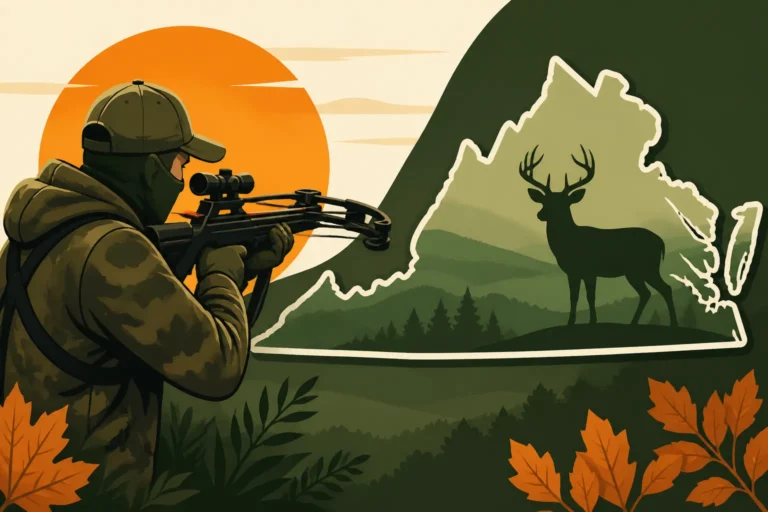
The opening weekend of Virginia's general firearms deer season is an event many hunters eagerly anticipate all year, but it can also be one of the most challenging times to hunt. The woods, fields, and mountains of the Old Dominion suddenly burst with human activity, making deer unpredictable and often sending them deep into cover. This guide aims to equip you with the knowledge and tactical insights needed to navigate this intense period, giving you a real shot at success despite the increased pressure.
The Unique Challenge of Opening Weekend
There's nothing quite like the excitement, or the sheer volume of hunters, that descends upon Virginia's deer woods on opening day of general firearms season. You've been waiting for this all year, envisioning that perfect buck stepping into your shooting lane. But let's be realistic: that vision often clashes with the reality of trucks parked everywhere, distant shots echoing, and deer behaving in ways you haven't seen during archery or early muzzleloader seasons.
Understanding Deer Behavior Under Pressure
Deer are creatures of habit, but they are also incredibly adaptable, especially to perceived threats. When thousands of hunters hit the woods simultaneously, deer instincts kick into overdrive. That big, calm buck you've been watching on your trail camera, casually feeding in an alfalfa field at dusk, is likely to become far more nocturnal, moving primarily under the cover of darkness. They will immediately seek the thickest, nastiest cover they can find—dense pine thickets, impenetrable briar patches, deep swamp edges, or steep, inaccessible mountain hollows. These are their sanctuaries, and they've learned over generations that these spots offer the best refuge from human intrusion.
The deer aren't just moving to avoid direct contact; they're also responding to the cumulative effect of human scent, vehicle noise, and the general commotion. A deer's nose is incredibly sensitive, and they'll pick up on your presence long before you see them. If you're hunting public land, expect deer to be bedded down in areas that most hunters wouldn't bother to penetrate, or to be actively pushed from one patch of cover to another by other hunters. They might move in daylight, but often only when pushed hard, making for quick, unexpected encounters rather than leisurely strolls through a food plot. Understanding how deer react to this sudden increase in pressure is the first step to developing effective counter-tactics.
Navigating Hunter Density
One of the biggest frustrations on opening weekend is the sheer number of other hunters. Public land, especially popular Wildlife Management Areas (WMAs) or easily accessible parts of the George Washington and Jefferson National Forests, can feel like a warzone. This high density can be both a blessing and a curse. While it means more competition, it also means deer are being moved, potentially right into your lap. The key is to anticipate where those deer might go when pressured and position yourself accordingly.
Finding truly overlooked pockets often requires more effort than most hunters are willing to expend. This might mean hiking significantly further than anyone else, navigating through particularly difficult terrain like thick laurel slicks or rocky bluffs, or crossing natural barriers like large creeks or steep ridges. Using a good mapping tool, like the features found on GoHunt, to identify remote corners or areas with difficult access points can reveal hidden gems. Look for small, isolated patches of cover surrounded by open areas, or steep slopes that most hunters avoid. These spots, while not always holding deer during the pre-season, become prime bedding areas once the hunting pressure ramps up. Remember, deer will always choose security over convenience when under duress.
Pre-Season Scouting: Your Foundation for Success
Opening weekend isn't the time to be scouting. The groundwork for success begins long before the first shot is fired. Thorough pre-season scouting is absolutely critical, even more so for the general firearms opener when deer patterns are likely to be disrupted. You need to know the land like the back of your hand, understanding where deer were before the season, and where they will go once the pressure hits.
Pinpointing Key Food and Water Sources
Deer need to eat, and even under pressure, they will eventually move to feed. On opening weekend, identifying high-value food sources is paramount. Early season, before heavy frosts, often means a variety of natural browse and agricultural crops are available. Acorns, especially white oaks, are like candy to deer and will draw them in. If it's a good mast year, focus on oak flats and ridges where fresh cuttings are abundant. Soft mast like persimmons or wild grapes can also be incredibly attractive. Beyond natural food, agricultural fields — soybeans, corn, alfalfa, winter wheat — provide vital nutrition. Deer will often stage in thick cover near these fields before slipping out to feed at last light, or they might move through them quickly in the early morning if undisturbed.
Water is another often-overlooked necessity. Deer need to drink, and during the rut (which can start to build towards opening weekend in some areas), bucks will be especially active and thirsty. Locate small springs, seepages, creek bottoms, or even small ponds. These can be excellent ambush points, particularly in drier years or in areas where natural water sources are scarce. While deer might avoid open water during peak pressure, hidden, protected water sources within dense cover can become magnets. Knowing where the most desirable food sources are, and how deer might access them from their safe bedding areas, provides crucial intel for your stand placement.
Identifying Sanctuary Areas and Travel Corridors
Deer on opening weekend are hyper-focused on security. Their primary goal is to avoid hunters, and they will gravitate towards areas that offer the best concealment and protection. These "sanctuary areas" are often places hunters don't want to go: dense, tangled briar thickets, steep rocky outcrops, deep, mucky swamps, or extremely thick, young pine plantations. These areas provide visual cover and make it difficult for predators (including humans) to move through silently. Your scouting should identify these places. Even if you can't hunt directly in them, knowing where deer feel safe allows you to anticipate their movements around them.
Once you've identified these sanctuaries, the next step is to find the travel corridors that connect them to food and water sources. These are the deer highways—pinch points, saddles, creek bottoms, old logging roads, or subtle terrain features that funnel deer movement. A "pinch point" might be a narrow strip of timber between two open fields or a small land bridge through a swamp. A "saddle" on a ridge line provides an easier path for deer moving between hollows. Deer will typically use the path of least resistance within heavy cover. Look for sign—trails, rubs, scrapes—within these corridors. Even if the scrapes aren't piping hot during opening weekend, they indicate historical travel. Placing a stand overlooking one of these corridors, especially where it offers a strategic advantage like wind direction or cover for your approach, can pay huge dividends. Consider learning more about Scouting Virginia Public Land Before Season to fine-tune these skills.
Strategic Approach: Tactics for Different Virginia Regions
Virginia's diverse landscape means that "opening weekend tactics" aren't a one-size-fits-all proposition. A strategy that works brilliantly in the Appalachian Mountains might be completely ineffective in the flat, agricultural lands of the Eastern Shore. Understanding the unique challenges and opportunities each region presents is crucial.
Mountain Mastery: George Washington and Jefferson National Forests
Hunting in the mountains of Virginia, particularly within the vast expanses of the George Washington National Forest and Jefferson National Forest, is a physically demanding but potentially rewarding endeavor. Deer densities might be lower than in the Piedmont, but the sheer size of the habitat means deer have ample room to escape pressure. On opening weekend, expect deer to quickly abandon lower, more accessible slopes and head for higher, steeper, and thicker ground. They will often bed on lee sides of ridges, where the wind blows over them, carrying scents from below, while they can watch their backtrail.
Focus your efforts on ridge lines, saddles, and benches. A saddle connecting two ridgelines is a classic deer funnel, especially when deer are being pushed from one side to another. Benches—flat areas on otherwise steep slopes—offer deer easier travel and ideal bedding spots, often providing commanding views of the terrain below. Understanding Wind and Thermals on a Blue Ridge Slope is absolutely critical here. Thermals rise in the morning and fall in the evening, dictating how deer move and where your scent will go. Get above them in the morning, and below them in the afternoon, always playing the wind. Setting up a treestand, or a ground blind that's well brushed in, in a secluded spot near one of these features, particularly if it's a long hike from the nearest road, increases your chances significantly. For specific guidance, you might explore Treestand Setups in George Washington National Forest.
Piedmont Prowess: Farmland and Woodlots
The Piedmont region, characterized by rolling hills, a mix of agriculture, pastures, and fragmented woodlots, presents a different set of challenges and opportunities. Deer here often have higher densities, but they are also incredibly savvy due to constant human interaction. On opening weekend, deer will immediately seek out the thickest cover available, which might be dense pine plantations, expansive creek bottoms filled with cane and briars, or un-harvested standing crops.
Hunting field edges can be productive, but you'll need to focus on points where deer can enter or exit a field quickly and discreetly, particularly from dense cover. Look for funnels created by small woodlots, fencerows, or creek drainages that connect larger blocks of cover. Private land can offer less pressure, but securing permission is key. If hunting public land in the Piedmont, seek out overlooked, swampy areas or dense, often-ignored pine thickets. Deer will use these as secure bedding areas during the day, moving out to feed primarily at dawn and dusk. Setting up a ground blind, perhaps using a quality brand like a Barronett Blinds or Primos blind, well in advance of the season and brushing it in meticulously, can give you an advantage near these high-traffic areas or on subtle field edges. For more regional insights, consider reading about Hunting East of the Blue Ridge.
Tidewater and Eastern Shore Tactics
The Tidewater and Eastern Shore regions of Virginia offer yet another unique hunting experience, defined by vast expanses of agriculture, coastal marshes, pine forests, and intricate river systems. Deer densities can be very high, but the landscape is often flat and open, making concealment and strategic movement crucial. On opening weekend, deer will quickly retreat into the most impenetrable cover available: dense river bottom swamps, maritime forests, or thick Loblolly pine plantations.
Hunting the edges of large agricultural fields, especially standing corn or bean fields, can be highly effective, but you need to be in position well before first light and remain concealed. Pay close attention to wind direction, as the open terrain will carry scent far. Look for small, unpressured woodlots or islands of higher ground within swamps that deer might use as bedding sites. Access can be a challenge, with many areas being private land. However, some Wildlife Management Areas offer excellent opportunities. If you're on the Eastern Shore, look for areas where deer funnel between the mainland and smaller barrier islands, or where they cross narrow strips of timber. Using a boat to access otherwise unreachable swamp edges can give you a significant advantage, putting you into spots other hunters can't reach.
Stand Placement and Movement: Maximizing Your Odds
Once you've done your scouting and understand the regional nuances, the next critical step is how you choose to hunt. Opening weekend demands smart, calculated stand placement or a deliberate, patient approach if you're still-hunting. Randomly picking a spot won't cut it.
Optimal Stand Locations for Opening Day
Think like a deer under pressure. Where would you go to feel safe, and what path would you take to get food or water without being seen? That's where your stand needs to be. Ideal stand locations for opening day are ambush points along natural travel corridors, especially those leading from thick bedding cover to feeding areas. These are often pinch points, subtle terrain changes that force deer into a narrower path, or funnels between two distinct habitat types (e.g., a hardwood ridge meeting a pine thicket).
Consider elevation. Getting slightly above deer can help with scent control and provides a better vantage point, whether you're using a treestand or finding a natural high point for a ground setup. Position your stand to take advantage of the prevailing wind, ensuring your scent is blowing away from the expected deer travel path. Morning stands should be set up to catch deer returning to bedding areas from feeding, while evening stands should be positioned to intercept them moving from beds to food. Remember to have a quiet, concealed entry and exit route that won't spook deer in the area. A great resource for deeper insights is Reading a Ridge for Blue Ridge Deer or Setting Up on a Piedmont Field Edge depending on your hunting location.
The Art of Still-Hunting and Drives
While sitting on stand is a popular tactic, still-hunting or organizing small deer drives can be incredibly effective on opening weekend, especially when deer are being pushed around. Still-hunting, despite its name, involves extremely slow, deliberate movement through deer habitat. It's not about covering ground quickly; it's about moving so slowly and quietly that you're essentially hunting a moving stand, stopping frequently to observe, listen, and glass the terrain ahead.
This tactic works best in thick cover where deer might be bedded tight, or in areas where you suspect deer are moving but aren't committed to a specific trail. Focus on moving into the wind or with a crosswind, always paying attention to thermals in hilly terrain. Use terrain features, thick brush, or large trees for concealment. The goal is to spot the deer before it spots you, often catching them while they're bedded or moving subtly through cover. This requires immense patience and sharp observational skills.
Deer drives can also be highly productive, particularly on public lands where other hunters are already moving deer. For small groups (three or four hunters), organizing a "mini-drive" through a thick bedding area can push deer out to standers. The key is to coordinate carefully, ensuring safety, and knowing where deer are likely to exit the driven area. The drivers move slowly, making some noise, while the standers are positioned downwind, overlooking escape routes or funnels. This tactic is especially useful for targeting those reclusive bucks that might be holed up in otherwise impenetrable thickets. You can gain more insights from Deer Drives With Three or Four Hunters for specific strategies.
Essential Gear and Safety Considerations
Opening weekend requires more than just knowing where to go; it demands the right gear and an unwavering commitment to safety. The woods can be unpredictable, and being prepared for anything is part of being a responsible hunter.
Equipping Yourself for Opening Weekend
Your gear choices can significantly impact your comfort, stealth, and overall success. Layered clothing is essential, as Virginia's weather can shift dramatically from a crisp morning to a warm afternoon, even in November. Wool or synthetic base layers are key for moisture wicking, with insulating layers and a waterproof outer shell ready for unexpected rain. Boots should be comfortable, waterproof, and provide good traction, especially if you're navigating steep or muddy terrain.
For optics, quality binoculars (8x or 10x power) are indispensable for spotting deer in thick cover, especially during those low-light periods. A rangefinder is also crucial for ethical shot placement. Your firearm should be sighted in and reliable. Consider the environment: a brush gun like a .30-30 or a straight-wall cartridge rifle might be perfect for dense woods, while a flat-shooting .270 or 6.5 Creedmoor might be better for longer shots across open fields in some Piedmont areas. Always carry a sharp knife, a headlamp, flagging tape, and a small first-aid kit.
Finally, a reliable GPS or mapping app on your phone, like GoHunt, is non-negotiable. Knowing precisely where you are, where property lines lie, and where other hunters might be can be a game-changer. These apps allow you to mark stand locations, track your movement, and navigate back to your vehicle in the dark. Make sure you download offline maps, as cell service can be spotty in many hunting areas. Learning about Rifle Setups for Virginia Deer Hunting can provide specific guidance on your firearm choice.
Prioritizing Hunter Safety
Safety is paramount, especially on opening weekend when hunter numbers are highest. Virginia law requires hunters to wear blaze orange or pink during the general firearms season. A minimum of 100 square inches above the waist, visible from 360 degrees, is required. This isn't just a rule; it's a lifesaver. Always assume there are other hunters in the woods, even if you haven't seen them.
Before the season, familiarize yourself with your hunting area. Identify potential hazards, escape routes, and where other hunters might be. If hunting with a group, establish clear communication protocols and designate zones of fire. Never take a shot without positively identifying your target and knowing what's beyond it. Be aware of your surroundings, listen for approaching vehicles, and respect private property boundaries. Remember, a successful hunt isn't defined by a harvest, but by a safe return home. You can learn more about Virginia Blaze Orange Requirements to ensure you're in compliance.
After the Shot: Recovery and Reporting
The moment of truth arrives, and you've made a good shot. Now the real work begins. Recovering your deer efficiently and legally is just as important as the hunt itself.
Effective Blood Trailing Techniques
After a shot, the most important thing is patience. Give the deer time, especially if it's a marginal hit or you're unsure of the shot placement. A deer hit in the liver or gut can travel a significant distance if pushed immediately, but often beds down and expires within a few hundred yards if left undisturbed for an hour or more. Mark the spot where the deer was standing when you shot, and the last place you saw it.
Start your blood trail slowly and methodically. Look for actual blood, not just disturbed leaves. Use flagging tape or toilet paper to mark each spot of blood, creating a clear line. Pay attention to the color and consistency of the blood, and look for hair or bone fragments, as these can tell you a lot about the shot. If the blood trail becomes sparse, expand your search in circles around the last known blood, looking for tracks, disturbed vegetation, or even overturned leaves. If darkness falls, it's often best to return the next morning with a fresh mind and perhaps more light, unless you're confident of a quick recovery. Recovering a deer in challenging terrain, especially out of a deep mountain hollow, can be incredibly difficult, so be prepared for a long haul. For more advice, check out Tracking a Deer Through Virginia Leaf Litter or Blood Trailing After Dark in Virginia.
Legal Requirements for Harvest Reporting
In Virginia, reporting your deer harvest is not just good practice; it's a legal requirement. All deer harvested must be reported to the Virginia Department of Wildlife Resources (DWR) by midnight on the day of the kill, or by midnight of the following day if you kill it after the DWR closes their offices or online reporting system. This data is crucial for wildlife management, helping the DWR monitor deer populations and set future regulations.
The easiest way to report your harvest is through the Virginia DWR mobile app, which is available for both iOS and Android devices. You can also report online through the Go Outdoors Virginia website or by calling a toll-free number. You'll need specific information about your harvest, including the county, date, time, sex of the deer, and whether it was an antlered or antlerless animal. If you kill an antlered buck, you'll also need to report the number of antler points. Always carry your hunting license and proof of required stamps, and be ready to report accurately and promptly. This helps ensure Virginia Deer Reporting Requirements are met and contributes to the long-term health of our deer herds.
Regional Opening Weekend Hunting Pressure and Tactics
| Region | Typical Opening Weekend Pressure | Deer Behavior Under Pressure | Recommended Tactics |
|---|---|---|---|
| Mountains | High near accessible roads, moderate in deep wilderness. | Retreat to steep, thick, high-elevation terrain. Go nocturnal. | Focus on distant, difficult-to-access ridge lines, saddles, and benches. Utilize elevation for scent control (thermals). Still-hunt slowly into the wind or organize small drives in thick cover. Target dense laurel slicks or rocky areas. Be prepared for long hikes. |
| Piedmont | High on accessible public land, moderate on small private parcels. | Seek impenetrable pine thickets, creek bottoms, swamps, un-harvested crops. | Identify and target "islands" of thick cover within agricultural landscapes. Hunt creek bottoms and drainages that act as funnels. Use well-brushed ground blinds near field edges or travel corridors leading to thick bedding. Access small, overlooked woodlots. Consider strategic small drives through thickets where permission allows. Focus on staging areas between bedding and feeding. |
| Tidewater / Eastern Shore | Moderate to high, concentrated around larger public tracts and private leases. | Retreat to deep swamps, maritime forests, dense coastal thickets, and remote islands. | Hunt dense swamp edges, high ground within swamps, or thick pine plantations. Focus on funnels where deer cross between cover blocks or access agricultural fields. Utilize boats for accessing remote areas. Pay extreme attention to wind direction in open terrain. Consider pre-set ground blinds for early morning/late evening ambushes where entry/exit can be discreet. |
| Urban Archery Zones | Typically low during firearm season (archery-only zones remain archery), but deer are extremely wary. | Highly nocturnal, use small woodlots and backyard cover. | Note: General firearms season does not apply to archery-only urban zones. If hunting adjacent areas where firearms are allowed, deer will be extremely pressured from nearby population centers. Focus on natural barriers and small, overlooked pockets of cover within suburban fringe areas. |
Disclaimer
Hunting is an inherently dangerous activity. Always prioritize safety, adhere to all local, state, and federal laws and regulations, and obtain appropriate licenses and permits. The information provided in this guide is for informational purposes only and should not be considered a substitute for professional instruction or personal judgment. Be aware of your surroundings, know your target and what lies beyond it, and never consume alcohol or drugs while hunting. The author and publisher are not responsible for any accidents, injuries, or legal infractions that may occur.