Orange Requirements for Archery Hunters
There’s a common misconception among Virginia hunters, especially those of us dedicated to the bow, about when exactly we need to don that bright blaze orange. You spend countless hours practicing stealth, perfecting your camouflage, and blending into the natural world, so the idea of sticking out like a neon sign can feel completely counterintuitive. But understanding the specific Virginia Department of Wildlife Resources (DWR) regulations for blaze orange is crucial, not just for legal compliance, but for your safety and the safety of others. This guide will clarify the nuances of Virginia's blaze orange requirements specifically for archery hunters, helping you navigate the seasons with confidence and legality.
Understanding Virginia's Blaze Orange Laws
Virginia's hunting regulations are designed with safety in mind, and the blaze orange requirement is a cornerstone of that effort. However, it's not a blanket rule that applies to every hunter, every day, in every season. The specifics depend heavily on the weapon being used by hunters in the field and, crucially, which specific hunting seasons are open concurrently. It’s a detail that often trips up even seasoned hunters who might assume a more universal application of the rule.
The General Rule for Firearms Seasons
Let's start with the baseline: during the general firearms deer season, and often during muzzleloader season, Virginia law mandates that hunters wear blaze orange. This isn't just a suggestion; it’s a strict requirement. The purpose is straightforward: to make hunters highly visible to other hunters, especially in dense cover where a deer might be spotted, but another hunter could be obscured. Imagine still-hunting through a thick pine stand in the George Washington National Forest Hunting during general firearms season. The visibility can be incredibly low, and a flash of blaze orange could be the difference between a safe outing and a tragic accident. The legal standard typically requires a minimum amount of blaze orange (or blaze pink, which is also an option in Virginia) to be worn on the outer clothing above the waist, and visible from 360 degrees. This ensures that no matter which direction another hunter approaches from, you're clearly identifiable as a human and not a game animal. This rule is in effect for anyone hunting when those specific firearms seasons are open, regardless of what weapon they are carrying.
Archery-Specific Regulations
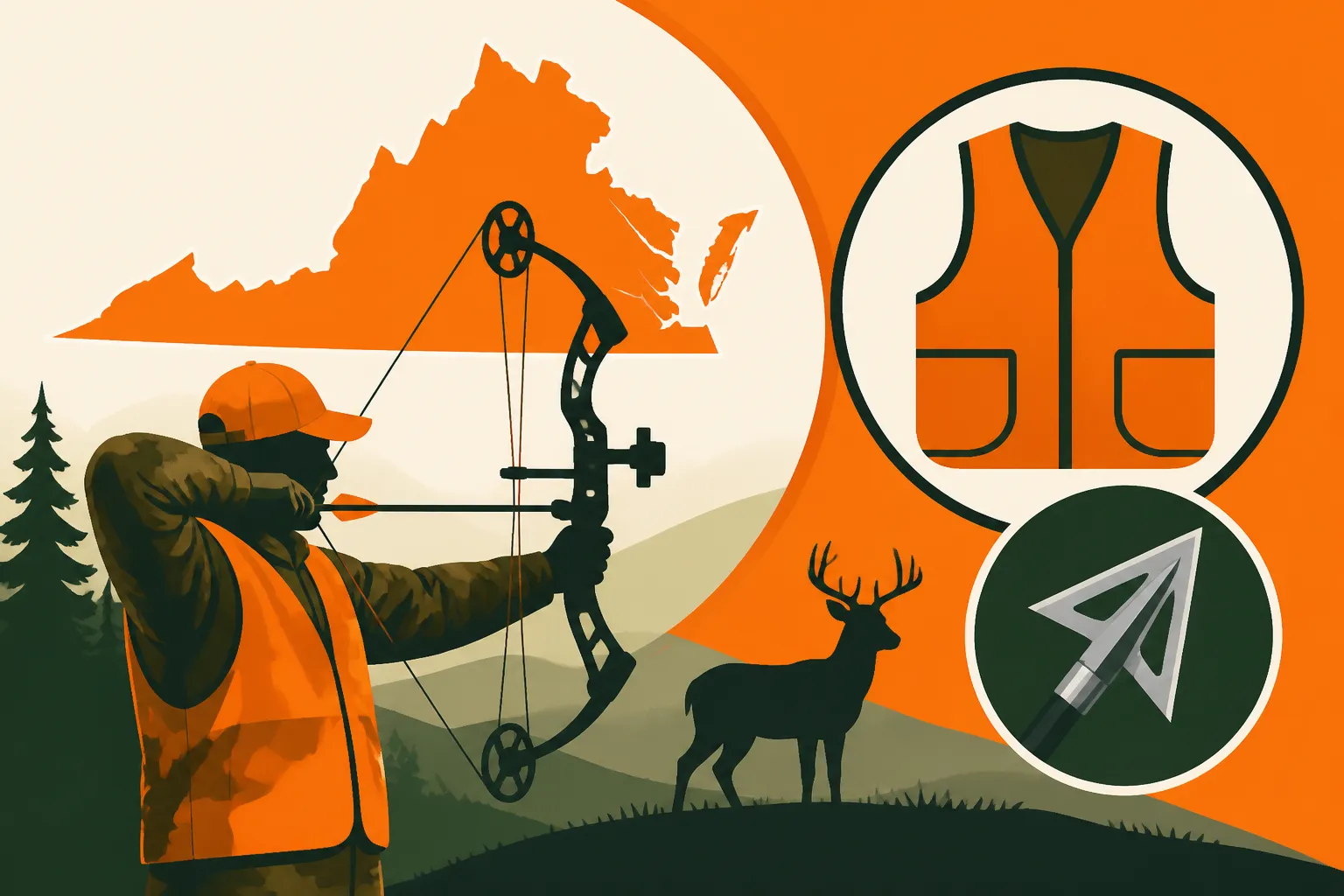
Here's where the nuance truly comes into play for bowhunters. During a designated archery-only deer season, such as the initial statewide archery season opening or the specific Urban Archery Hunting in Virginia Cities periods before firearms seasons begin, blaze orange is generally not required for archery deer hunters. This distinction acknowledges the nature of bowhunting, which often relies on close-range encounters and a high degree of concealment. If you're out there during When Virginia's Statewide Archery Season Opens and there are no concurrent firearms seasons open for deer, bear, or small game that require orange, you're typically free to wear your preferred camouflage. This applies whether you're using a traditional bow, a compound, or even if you're utilizing Crossbow Rules During Virginia Archery Season. The key is that the season itself must be an archery-only period without other overlapping orange-mandated seasons.
Exceptions and Overlaps
The gray area, and the source of most confusion, arises when different hunting seasons overlap. Even if you are an archery hunter, if you are afield during a time when a general firearms deer season, a muzzleloader deer season, or even certain small game seasons requiring orange are open in that same area, then you are legally required to wear blaze orange. This is a critical point that many archery hunters overlook. For example, Virginia's statewide archery season often extends into November, which is when the Virginia's General Firearms Deer Season kicks off in many counties. If you're bowhunting on November 9th and rifle hunters are also legally in the woods, you must wear your blaze orange, even if your weapon is a bow. The rule isn't about your weapon choice in isolation; it's about the presence of any firearms hunters in the general hunting population. Always check the current DWR regulations for the specific county and dates you plan to hunt to confirm all overlapping seasons and their associated requirements. This diligent cross-referencing is essential for staying legal and safe.
Why the Confusion Exists for Archery Hunters
The frustration around blaze orange for archery hunters is totally understandable. Many of us invest heavily in gear designed for concealment, only to be told we might need to wear something that makes us stand out. This conflict between hunting ethics, tradition, and modern safety regulations is often at the heart of the confusion.
Public Perception vs. Legal Text
One major reason for the widespread confusion is simply the general public perception—and even the perception of some hunters—that blaze orange is a universal requirement for all hunting, all the time. This isn't necessarily what the law states, but it's often the message hunters internalize. We see images of hunters in bright orange vests and hats, and it becomes synonymous with the act of hunting itself. This creates a default assumption that can lead to unnecessary orange wear (which isn't harmful) or, more concerningly, a lack of orange when it is legally required. Many hunters operate on what they've "always done" or what they "think" the rule is, rather than referencing the specific, nuanced legal text provided by the Virginia DWR. Tools like the GoHunt app or the DWR's own digital resources can be invaluable for quickly pulling up the precise regulations for your current location and season.
Overlap with Other Seasons
As mentioned, the primary source of legal entanglement for archery hunters is the overlap of various hunting seasons. Virginia has a complex, staggered season structure that allows for multiple weapon types and game species to be hunted concurrently during certain periods. For example, during some portions of the deer season, you might have archery, muzzleloader, and small game seasons running simultaneously. If any of those concurrent seasons mandate blaze orange, then all hunters afield, regardless of their target species or weapon, generally fall under that requirement.
Consider a scenario in October: you're archery hunting deer, completely legal without orange during an archery-only segment. But then, a squirrel season or an early bear season opens that does require orange for all participants. Suddenly, you, the archery deer hunter, might be legally obligated to wear orange, even though your original intent and weapon choice wouldn't typically demand it. It's a layer of complexity that requires vigilance.
Safety Best Practices vs. Minimum Requirements
Another layer of the "orange question" stems from the difference between what's legally required and what's simply a smart safety practice. Even when blaze orange isn't mandated by law for archery season, many hunters choose to wear a minimum amount (like an orange hat or vest while walking to and from their stand) as a personal safety precaution. This is especially true on crowded Hunting Pressure on Virginia Public Land or in areas where non-hunters (hikers, mountain bikers, dog walkers) might be present. The law sets the bare minimum for compliance, but personal responsibility and an abundance of caution can, and often should, go beyond that. It's a continuous internal debate for many of us: how do I balance my desire for concealment with my responsibility for safety?
Here's a quick look at the core scenarios:
| Scenario | Blaze Orange Legally Required (Deer Hunting) | Primary Reason |
|---|---|---|
| Archery-Only Deer Season (No overlap) | No | Specific archery-only period |
| Archery Deer Season (Overlap w/ Firearms) | Yes | Firearms hunters are also in the field |
| Archery Deer Season (Overlap w/ Muzzleloader) | Yes | Muzzleloader hunters are also in the field |
| Archery Deer Season (Overlap w/ Small Game requiring orange) | Yes | Other hunters using firearms require visibility |
| Walking to/from Stand in any season | Recommended (not always required) | Personal safety, esp. in low light/high traffic |
Practical Application: When to Wear Orange as an Archery Hunter
Knowing the law is one thing; applying it practically in the field is another. The decision of when and how to wear blaze orange as an archery hunter often comes down to careful planning and a deep understanding of the specific dates and locations you'll be hunting. It’s not just about the law itself, but the context of your hunt.
Pure Archery Season: What to Consider
During those cherished "archery-only" periods, where no firearms deer or muzzleloader seasons are open, the law generally allows you to hunt without blaze orange. This is when your full camo pattern truly shines. However, even in these times, it's wise to consider several factors:
- Public Land Pressure: If you're hunting public land, like a local WMA or a section of Jefferson National Forest Hunting, especially during opening days or weekends, you'll likely encounter other hunters. Even if they are also archery hunting, accidents can happen. Some hunters opt to wear a blaze orange hat or vest while walking to their stand, removing it once settled. This is a common practice to mitigate risk during transit, particularly during periods of low light.
- Non-Hunting Public: Public lands aren't just for hunters. Hikers, mountain bikers, and nature enthusiasts might be out and about. While they usually wear bright colors for their own safety, a splash of orange on your person can still help prevent any mistaken identity, even if it feels counter to your bowhunting ethos.
- Personal Comfort Level: Ultimately, your safety is paramount. If you feel uneasy without orange, even when not required, wear it. A small orange patch on your backpack or a hat can offer peace of mind. It's always better to be overly cautious than to regret it.
Overlapping Seasons: The Critical Times
This is the non-negotiable period for blaze orange. If you're bowhunting for deer and a firearms deer or muzzleloader season is open in your specific county or hunting zone, you must wear blaze orange. Period. This applies even if you’re using a bow, and even if you think you’re in a remote spot. Ignorance of the law is not an excuse.
- General Firearms Deer Season: This is the big one. Once general firearms opens, any hunter pursuing deer, bear, or even small game where orange is required, must wear it. This is typically the time of year when deer hunting pressure is at its highest, particularly on public lands. Don't be the hunter who is cited for not complying, or worse, involved in an accident because you weren't visible. Consult your DWR regulations for specific Virginia General Firearms Opening Day dates and ensure you are dressed appropriately.
- Muzzleloader Season: Virginia often has an early muzzleloader season that precedes or overlaps with portions of the statewide archery season. If you're out there during Virginia Early Muzzleloader Tactics and muzzleloaders are legal, blaze orange is generally required. Muzzleloaders are firearms, and the same principles of visibility apply.
- Bear Season Overlaps: In some areas, bear seasons may overlap with deer seasons, and bear hunting often carries a blaze orange requirement. If you’re in a county where Virginia Bear Season Rules are in effect and mandate orange, you'll need to wear it. This highlights the importance of checking all applicable regulations for all species that might be hunted in your area.
Specific Scenarios and Gear Choices
When preparing for a hunt where blaze orange is required or recommended, the type and placement of your gear matter.
- Vests and Hats: The most common way to meet the requirement is with a blaze orange vest and a hat. Ensure the vest provides 360-degree visibility. Many hunting vests are designed with specific pockets and features for this purpose.
- Backpack Covers: If you're wearing a pack, an orange cover can add to your visibility, especially when walking out after a successful hunt when your backpack might obscure your back.
- Tree Stand Safety: When you're in a tree stand, especially in thick cover, your visibility can be reduced. Make sure your orange is visible even when sitting. Many hunters remove their orange after they are securely in their stand, but it's important to remember that this could be a legal grey area if an enforcement officer observes you. Always prioritize safety first. Companies like GoHunt often review various gear, including safety vests and packs designed for hunter visibility, which can be a good resource for finding effective options. Remember to keep in mind Treestand Safety Gear for Steep Ground when making your choices.
Making the Smart Choice: Safety Beyond the Law
While legal compliance is a must, true safety in the woods goes beyond merely meeting the minimum requirements. As an archery hunter, you have a unique perspective on stealth and concealment, but also a profound responsibility to ensure your presence is known when necessary.
Increasing Visibility on Public Land
Hunting on public lands like Virginia Wildlife Management Areas or National Forests often means sharing the woods with a diverse group of users. Even during archery-only seasons where orange isn't legally required, it's a sound practice to wear a certain amount of blaze orange, especially when moving. Think about the walk to your stand in the pre-dawn gloom or the trek out after dark. These are peak times for accidents, and a blaze orange hat or vest can alert another hunter or even a lost hiker to your presence. The goal isn't just to avoid legal trouble, but to actively prevent accidents. Many experienced hunters will wear an orange hat and keep an orange vest handy, slipping it on when they're on the move and tucking it away (if legal and safe to do so) once they're stationary in their bowhunting setup.
Communication with Fellow Hunters
Blaze orange serves as an unspoken signal. It communicates, "I am a human hunter, not a deer." This simple visual cue is incredibly powerful in preventing target identification mistakes. Imagine you're still-hunting a ridge and hear movement ahead. Your eyes are scanning for antler tines or the flick of a tail. If you see a patch of blaze orange, your brain immediately registers "human" and the threat level drops. Without it, the split-second decision-making process can be fraught with danger. This is why the DWR places such importance on Virginia Blaze Orange Requirements during firearms seasons—it reduces ambiguity in high-stress situations. This becomes even more critical when hunters are performing Deer Drives With Three or Four Hunters where visibility and communication are absolutely paramount.
Selecting Effective Blaze Orange/Pink Gear
Not all blaze orange is created equal. When selecting your gear, look for items that are truly bright and vibrant, not faded. The DWR specifies the amount required, typically in square inches, and it must be visible from 360 degrees. This means a tiny patch on your back isn't enough.
- Visibility: Choose vests, jackets, or hats that are easily seen from all angles. Some products, like those you might find recommended by outdoor experts at GoHunt, are specifically designed for maximum visibility while still being comfortable and practical for hunting.
- Placement: Ensure your blaze orange or blaze pink is worn on your outermost layer, above the waist, and not obscured by your backpack, bino harness, or other gear.
- Material: Opt for quiet materials if possible, especially for vests or hats you might wear to your stand. While stealth is crucial for bowhunting, sometimes a slight compromise on noise for maximum visibility is the smarter choice.
- Blaze Pink: Remember, Virginia also permits blaze pink. This can be an excellent option, offering the same high visibility as orange while sometimes appealing to a different aesthetic or personal preference.
Understanding and respecting Virginia’s blaze orange regulations as an archery hunter is a sign of a responsible and ethical outdoors person. While it may sometimes feel at odds with the stealthy nature of bowhunting, it’s a critical component of ensuring safety for everyone who shares the woods. Always double-check the current regulations for your specific hunting dates and location, err on the side of caution, and enjoy your time in Virginia's beautiful wild places.
Disclaimer
This article is for general informational purposes only and does not constitute professional advice. Laws, prices and regulations vary by location and change over time. Consult a qualified professional for guidance on your specific situation.