Hunting a Virginia Urban Archery Zone
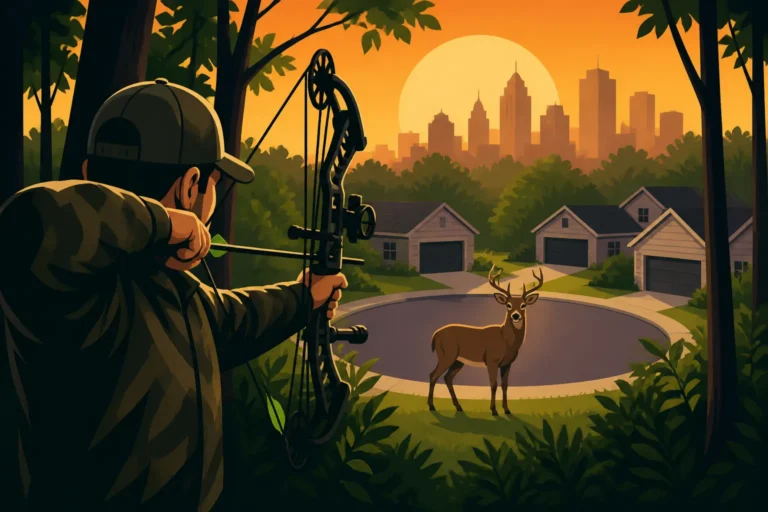
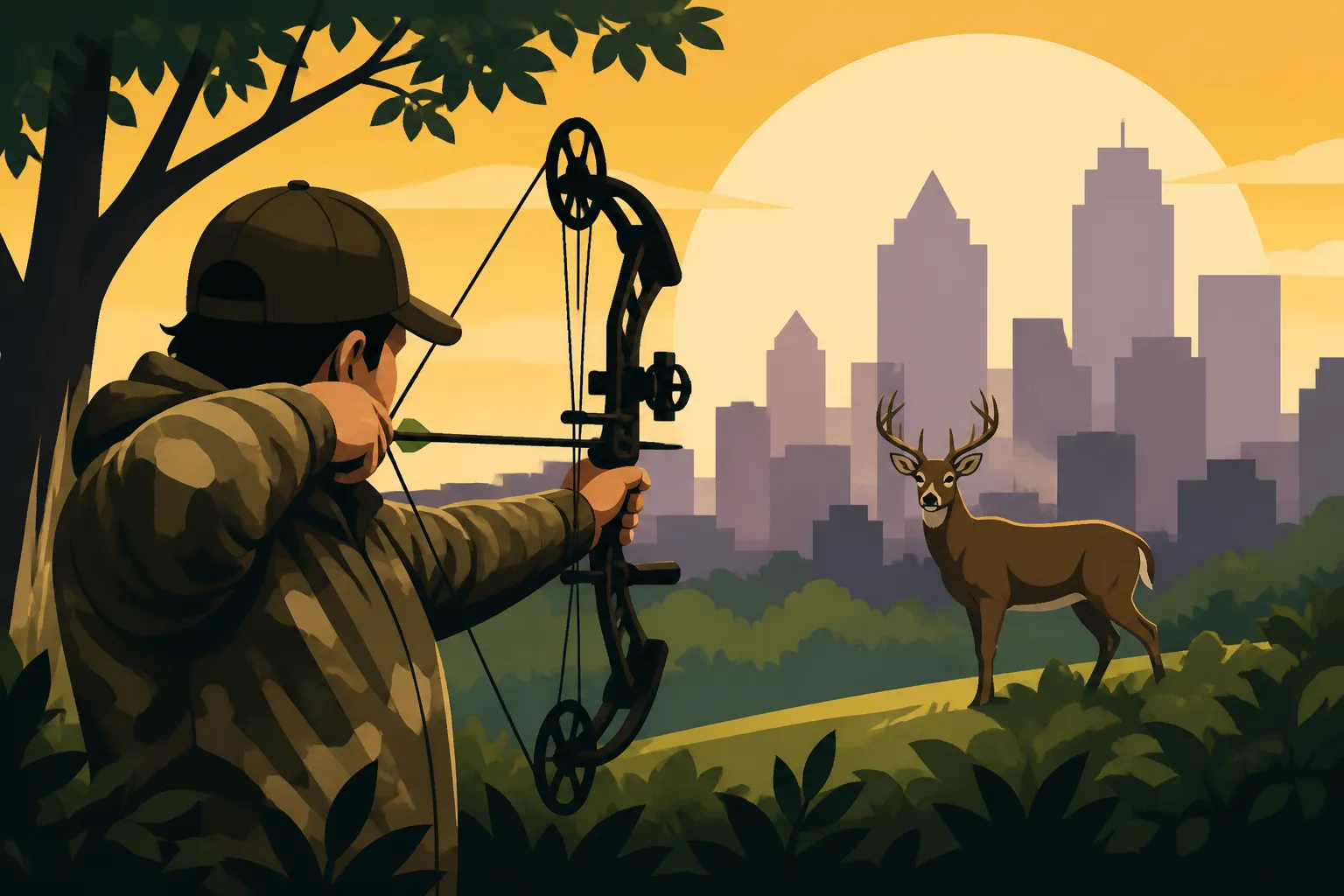
For many Virginia hunters, the idea of chasing whitetails in the heart of suburbia might sound counterintuitive, or even a little daunting. The reality is that deer populations in and around our towns and cities have absolutely exploded, leading to everything from garden destruction to serious vehicle collisions. This often leaves homeowners and local authorities scratching their heads, and that's exactly where the Virginia Urban Archery Season comes into play, offering a crucial management tool and a unique hunting opportunity that we'll dive into today.
Understanding Virginia's Urban Archery Initiative
The Virginia Department of Wildlife Resources (DWR) established the Urban Archery Season to address the ever-growing issue of deer overpopulation in highly developed areas. Unlike the traditional statewide seasons, this special period allows for bowhunting within designated city and county limits, often starting earlier and extending later than the general archery season. It's a pragmatic approach to a complex problem, recognizing that conventional hunting methods aren't always feasible or safe in densely populated zones.
The Purpose Behind the Season
The primary goal of the Urban Archery Season is deer population control. In many suburban landscapes, deer thrive due to abundant food sources – think lush landscaping, gardens, and carefully manicured parks – combined with a distinct lack of natural predators and limited hunting pressure. This imbalance can lead to ecological damage, increased disease transmission within the deer herd, and significant conflicts with human residents. The DWR works with participating localities to implement these seasons, recognizing that a targeted, controlled approach is necessary when other deer management strategies fall short.
It’s not just about managing the deer numbers; it's also about mitigating the very real impact these large herds have on our communities. Anyone who's had their rose bushes devoured overnight or swerved to avoid a deer on I-64 knows the frustration. This season empowers local landowners and hunters to become part of the solution, contributing to healthier deer populations and safer neighborhoods. It’s a delicate balance, and the rules are designed to ensure public safety remains paramount, which means things like Virginia Firearms Discharge Setback Rules are often very strict or prohibited entirely in these zones.
Localities and Their Unique Rules
While the DWR sets the overarching framework for the Urban Archery Season, it's crucial to understand that participating cities and counties often have their own specific ordinances and regulations. What's permissible in the urban archery zone of, say, Richmond, might be different from the rules in Fairfax County or Newport News. These local differences can include restrictions on shooting proximity to buildings, property lines, or public spaces, as well as specific requirements for obtaining permits or landowner permission.
Before you even think about stringing your bow, your first step must be to contact the local police department or county administration for the specific city or county where you plan to hunt. Don't assume anything. Some localities might require you to register as an urban archery hunter, carry specific identification, or only allow hunting on parcels of a certain size. These nuances are incredibly important, and ignorance of local law is no excuse. Always remember that while the DWR provides the state framework, the ultimate authority for what happens within city limits rests with the local government.
Navigating Regulations and Permissions in Urban Zones
Hunting in an urban archery zone isn't like heading out to a vast national forest. The rules are tighter, the spaces are smaller, and the need for precision and responsibility is magnified. Success hinges not just on your hunting skill, but on your ability to meticulously understand and adhere to a unique set of regulations, primarily centered around gaining legal access.
Securing Landowner Permission
This is, without a doubt, the single most critical step for any urban archery hunter. The vast majority of huntable land within urban archery zones is private property. Unlike the wide-open spaces of national forests or wildlife management areas, you cannot simply walk onto a patch of woods you see unless you have explicit, written permission from the landowner. This isn't just common courtesy; it's the law. Virginia's Virginia Posted Land Rules are clear, and in a suburban setting, trespass can quickly escalate into serious issues.
Getting that permission can be challenging, but it's not impossible. Many landowners, frustrated by deer damage, are eager for responsible hunters to help manage the population. You'll need to be articulate, professional, and prepared to explain exactly how you plan to hunt, what safety measures you'll take, and how you'll handle a successful harvest. A good approach often involves offering to share venison or assist with property maintenance. Carrying a liability waiver is also a smart move, both for you and the landowner. Remember, you're not just asking to hunt; you're building a relationship based on trust and mutual benefit. For more insights, look into Getting Landowner Access in an Urban Archery Zone.
Understanding Safety Zones and Setbacks
One of the defining characteristics of urban archery is the strict adherence to safety zones and setback distances. These are legally mandated minimum distances you must maintain from occupied dwellings, public roads, and property lines when discharging an archery implement. These rules are designed to protect residents and ensure no arrow can inadvertently stray into an unsafe area. While state law has general guidelines, individual cities and counties will often have their own, even stricter, interpretations.
For example, a state regulation might stipulate a 150-yard setback from a dwelling, but a local ordinance in Fairfax could require 200 yards or prohibit shooting across a property line entirely, regardless of the distance. It’s absolutely imperative to know these numbers cold. Use a rangefinder, mark your shooting lanes, and always err on the side of caution. Your hunting stand might be legal, but if the only shot angle available puts you within a prohibited zone, that shot is simply not an option. Planning your entry and exit routes, and how you will retrieve game, must also factor into these safety zones.
Permits and Reporting Requirements
Beyond state hunting licenses and big game stamps, some urban archery zones require additional local permits. This could involve registering with the local police, animal control, or a specific city department overseeing the program. These permits often come with their own set of rules, such as mandatory hunter safety briefings or specific identification you must carry while hunting. It's an extra layer of bureaucracy, but it's part of the deal when hunting in these unique environments.
Once you harvest a deer in an urban archery zone, the DWR's standard reporting requirements apply, usually through the Go Outdoors Virginia app or website. However, some localities may have additional reporting steps, such as notifying local animal control or police within a certain timeframe after a harvest. This helps them track deer management efforts within their jurisdiction. Always keep your phone charged and handy for immediate reporting, and ensure you understand the process for Reporting a Deer Through Virginia's App. This immediate reporting is critical for ensuring the data collected accurately reflects the efficacy of the urban archery programs.
Essential Gear for Urban Bowhunting
Urban archery demands a specific gear approach. You're not trekking miles into the wilderness, but you are operating in a scrutinized environment where stealth, safety, and efficiency are paramount. Every piece of equipment you carry should serve a purpose geared towards discreet, effective hunting in close proximity to human activity.
Bow and Arrow Selection
When it comes to your primary weapon, a compound bow or crossbow is the typical choice for urban archery. Both offer precision and power suitable for deer, with crossbows often preferred by those who might be newer to archery or need an easier hold for steady aiming. Ensure your bow is properly tuned and your arrows are matched to your setup. Penetration is key, and in a close-quarters urban setting, you want to ensure a clean, quick harvest. Look for broadheads that are reliable and offer excellent penetration without excessive tissue damage for easier tracking.
Given the potential for shorter shot distances in dense urban woodlots, sometimes as close as 10-20 yards, accuracy at these ranges is even more critical. Practice intensely at these close ranges, not just at 30 or 40 yards. Knowing your bow's capabilities and your own limitations is paramount when a missed shot could potentially create an uncomfortable situation with nearby properties. Many hunters find that a high-quality bow sight designed for accuracy, even with minimal pin spread for closer distances, can be a game-changer.
Scent Control and Quiet Clothing
In urban settings, deer are often highly conditioned to human presence, but they are still deer. Their noses are their primary defense. Scent control isn't just a suggestion; it's a necessity. Invest in good scent-eliminating sprays, detergents, and even activated carbon clothing if your budget allows. Shower with scent-free soap before your hunt and keep your hunting clothes stored in airtight bags away from household odors. Even the faintest whiff of human scent can send a wary doe into the next county, especially in an area where they might encounter people regularly.
Beyond scent, noise is a major factor. Your clothing needs to be quiet. Fleece, wool, or soft technical fabrics are ideal. Avoid anything that rustles loudly when you move. The crunch of dry leaves underfoot will alert deer, but the swish of cheap synthetic pants could be just as detrimental. Think about every step, every movement, and how it might amplify in a quieter suburban woodlot compared to a windy mountain ridge. For detailed strategies, consider checking out Scent Control Gear for Urban Archery Hunts.
Portable Stands and Retrieval Tools
Given that much urban archery is done on private land, you'll likely be bringing in and taking out your stand each time, or at least having a highly mobile setup. Lightweight, portable tree stands like climbers or hang-ons with climbing sticks are excellent choices. Saddle hunting has also become incredibly popular for urban zones due to its minimalist, lightweight, and quiet nature, allowing hunters to access trees quickly and efficiently without leaving a permanent footprint. Since you're often hunting smaller parcels, having a setup that can be deployed and retrieved with minimal fuss is invaluable.
Retrieval of your deer is another critical consideration. In a developed area, dragging a deer out on foot can be difficult and attract unwanted attention. A sturdy deer cart can be a lifesaver, allowing you to move a harvested animal more discreetly and with less effort. Game bags are also essential, especially if temperatures are mild, to protect the meat and keep things clean during transport. Having a good, bright headlamp is also non-negotiable, as you'll often be walking in and out in the dark, and blood trailing can be tricky even in familiar terrain. For more on stand types, check out Treestands and Saddles on Public Land.
Scouting and Strategy in Suburban Environments
Hunting in an urban archery zone isn't about covering vast tracts of land; it's about intensely understanding a smaller, more intimate landscape. The deer are there, often in surprising numbers, but they move differently, have different pressures, and require a tailored approach that blends traditional hunting wisdom with urban realities.
Reading the Urban Landscape
Forget the sprawling timber blocks of the George Washington National Forest. In urban zones, deer use fragmented patches of woods, green spaces, creek bottoms, and even residential yards as their highways and hideouts. Your scouting efforts should focus on identifying these "green corridors" – the strips of trees, drainages, and unmaintained areas that connect larger patches of habitat. These often run along streams, power lines, or old fence rows. Deer will use any available cover to move between bedding areas and food sources, especially during daylight hours.
You'll quickly notice that urban deer are highly nocturnal or crepuscular (active at dawn and dusk). They often bed down in incredibly thick, brushy cover right on the edge of human activity during the day, emerging only under the cover of darkness to feed. Therefore, identifying these transition zones – where thick cover meets a food source – becomes paramount. Use tools like satellite imagery (a good app like GoHunt can be invaluable for identifying property lines and potential travel corridors) to pick out these subtle changes in terrain and vegetation. Don't be afraid to Reading Aerial Photos for Piedmont Deer even in urban areas; the same principles apply.
Identifying Food Sources and Travel Routes
While acorns, soft mast, and natural browse are still important, urban deer have developed a taste for cultivated snacks. Gardens, ornamental shrubs, fruit trees, and even bird feeders become high-value food sources. Look for signs of browsing on hostas, azaleas, or other common landscape plants. Often, a homeowner seeking permission will readily point out what the deer are devastating in their yard. Identifying these specific food sources will give you clues as to where deer are spending their evenings.
Once you know the food sources, you need to figure out how deer get to them. Look for subtle trails through tall grass, worn paths under hedges, or rub lines on small trees bordering a residential area. These aren't always pronounced game trails you'd find in a rural forest; they can be very faint, almost invisible pathways. Deer in urban areas become extremely good at moving discreetly. The key is to find the pinch points and funnels that direct deer movement between their daytime bedding cover and these night-time feeding grounds. Think about how a deer might navigate a small patch of woods to avoid crossing an open lawn or a busy street.
Low-Impact Stand Placement
In these often smaller, more confined hunting areas, your stand placement is critical. You want to be close enough for a clean shot but far enough away to avoid detection and minimize disturbance. Consider the wind direction carefully, as human scent can carry into residential areas or alert deer that are bedding very close by. Access routes to your stand should be as quiet and concealed as possible, preferably through areas that aren't visible from nearby homes or roads.
Since deer are often nocturnal, setting up on the edge of a bedding area or along a transition corridor for an evening hunt is often more productive than sitting over a food source directly, as they might not arrive until after legal shooting light. Similarly, an early morning setup catching deer returning to bed can be very effective. Remember, discretion is vital. A pop-up ground blind can be an excellent option for minimal impact and maximum concealment in smaller woodlots, provided you have permission to set one up and it doesn't violate any local ordinances.
Ethical Considerations and Community Relations
Hunting in an urban setting places a heightened responsibility on the hunter. You're not just representing yourself, but the entire hunting community. Every action you take, from how you speak to landowners to how you conduct your hunt, will be scrutinized by non-hunters and can shape public perception of hunting.
Being a Good Neighbor
The moment you step into an urban archery zone, you become an ambassador for hunting. This means being meticulously respectful, courteous, and transparent with landowners and even curious neighbors. If someone asks what you're doing, respond calmly and politely, explaining the purpose of urban archery and your role in managing the local deer population. Avoid confrontation and always maintain a professional demeanor. Your success in getting future hunting opportunities, and the continued acceptance of urban archery programs, depends on it.
This also means adhering to unspoken rules of neighborly conduct. Don't park your truck in a way that blocks a driveway or creates a nuisance. Keep your gear discreetly out of sight when possible. If you encounter pets or children, be aware of your surroundings and act responsibly. Remember that the homeowners granting permission are extending a privilege, and you must treat their property and their community with the utmost respect. Building these positive relationships is a long-term investment, not a one-time transaction.
Shot Placement and Retrieval Responsibility
Due to the proximity to homes and roads, shot placement in an urban archery zone is not just about ethics; it's about safety and public trust. Only take high-percentage shots where you are absolutely confident in a clean, ethical kill. Double-lung shots are critical for quick incapacitation and minimal tracking distance. Avoid marginal shots that might result in a wounded animal fleeing onto property where you don't have permission to retrieve, or worse, into a busy street.
Tracking a deer in an urban area requires careful planning. Always have a plan for how you will retrieve your deer, including contacting the landowner immediately after the shot, and knowing the property boundaries like the back of your hand. If a deer crosses onto land where you don't have permission, you must gain permission from that new landowner before attempting retrieval. Never, under any circumstances, pursue a wounded animal onto private property without explicit permission. This is a non-negotiable rule and a cornerstone of responsible urban hunting. For advice on tracking, you might find tips in Blood Trailing After Dark in Virginia useful, but always with urban context in mind.
Handling Public Perception and Scrutiny
Let's face it: hunting in a residential area can raise eyebrows. You might encounter people who are curious, confused, or even openly hostile to hunting. Be prepared for questions, and have a clear, concise explanation ready about why you're hunting, how it benefits the community (deer management, reduced collisions, healthier ecosystem), and how you ensure safety. Emphasize that you are a legal, ethical hunter working in cooperation with local authorities.
Transparency and education are your best tools. Instead of being defensive, be informative. Highlight the benefits of responsible deer management in these environments. It helps if local DWR staff or city officials are available to help educate the public on the necessity of these programs, but ultimately, it often falls to individual hunters to represent the sport well. This is where your personal conduct can make a huge difference in how urban archery is perceived and whether it continues to be a viable tool for deer management.
Processing Your Harvest in an Urban Setting
So you’ve had a successful hunt in an urban archery zone! Congratulations! Now comes the often overlooked, but critically important, step of processing your harvest discreetly and hygienically. This isn’t the time for a big, open-air field dressing session in a visible area.
Discreet Field Dressing
Field dressing in an urban area requires even more discretion than usual. Ideally, you’ll have a pre-determined, private spot on the property where you have permission that is out of sight from neighbors and public view. You want to make the process as quick and clean as possible. Have all your tools ready: sharp knife, gloves, game bags, and perhaps even a tarp or heavy-duty contractor bag to place the deer on to minimize mess on the ground.
If you can, consider using the "gutless method" to field dress, where the animal is skinned and quartered in the field without opening the body cavity. This minimizes mess, reduces odor, and makes the meat easier to transport. It's a skill worth practicing beforehand. If you must remove the entrails, ensure you have a plan for disposing of them responsibly, ideally by burying them deeply or bagging them securely for proper waste disposal, following any local ordinances. The goal is to leave no trace that would alarm or offend non-hunting neighbors. Having good Field Dressing Knives Worth Carrying makes this process much smoother and faster.
Transportation and Post-Harvest Care
Once field dressed, getting the deer out of the property and to your vehicle needs to be done with maximum discretion. This is where a deer cart really shines, allowing you to move the animal covered with a tarp or game bag, making it far less conspicuous than dragging a full deer. If you're hunting small parcels, you might even be able to carry quartered meat in a sturdy backpack. The less visible the animal is during transport, the better for community relations.
Upon reaching your vehicle, ensure the deer is completely covered or secured out of public view for the drive home. Have extra tarps or a large cooler ready. Even in cool weather, getting the meat cooled quickly is paramount, especially if you had a longer recovery or were hunting during warmer parts of the early season. Having a cooler with ice ready can save your meat and your conscience. And don't forget to immediately report your harvest to the DWR, as mentioned earlier.
| Aspect | Traditional Forest Hunting (Example: GW National Forest) | Urban Archery Zone Hunting (Example: Richmond City Limits) |
|---|---|---|
| Primary Goal | Recreation, meat acquisition, herd management (statewide) | Deer population control, conflict mitigation |
| Land Access | Public land (National Forests, WMAs) often with open access | Predominantly private land; explicit, written landowner permission required |
| Regulations | State DWR regulations are primary; broad statewide seasons | State DWR framework + strict local city/county ordinances (setbacks, permits, etc.) |
| Pressure | Varies wildly; can be high on public land, less on remote areas | Intense "human" pressure (cars, people, noise); low "hunting" pressure (from other hunters) |
| Deer Behavior | Responsive to hunting pressure, natural food sources, less human-habituated | Highly habituated to human presence, often nocturnal, rely on fragmented cover & cultivated food |
| Safety Zones | Generally around dwellings (state law); otherwise, wide open | Extremely strict setbacks from dwellings, roads, property lines, public areas (state & local) |
| Scouting Focus | Large-scale habitat, mast crops, traditional funnels, bedding areas | Fragmented green corridors, ornamental plants, suburban food sources, micro-fences, drainages |
| Harvest Reporting | DWR standard | DWR standard + potential additional local reporting requirements |
| Community Impact | Minimal public interaction, often isolated | High public interaction; hunter acts as an ambassador, high scrutiny |
The Unique Reward of Urban Archery
Despite the challenges, hunting in a Virginia urban archery zone offers a unique and incredibly rewarding experience. It’s a chance to engage with wildlife in a way few hunters get to, to adapt your skills to an entirely different landscape, and to directly contribute to the health and safety of our communities. It’s a testament to the versatility of bowhunting and the commitment of Virginia’s hunters to responsible wildlife management, wherever the deer might roam.
It’s also an opportunity to prove the efficacy of hunting to a non-hunting audience. When done correctly, urban archery showcases hunters as skilled, ethical, and valuable members of society who provide a critical service. It’s not just about filling a tag; it’s about being a problem-solver, a conservationist, and a good neighbor.
A Different Kind of Challenge
While the mountain hunter might boast about miles hiked and vertical feet climbed, the urban archer faces a different, equally formidable challenge: navigating a human-dominated landscape. This requires an almost unparalleled level of patience, discretion, and diplomatic skill. The close proximity to roads, homes, and people means that every decision, from stand placement to shot execution, carries greater weight. There's less room for error, and the consequences of a mistake can ripple far beyond just losing a deer. This unique pressure cooker demands a hunter who is not only proficient with their bow but also a master of strategy and public relations. It's a thinking person's game, where knowledge of local ordinances and human behavior is just as important as knowing deer behavior.
Contributing to Community and Conservation
Ultimately, participating in a Virginia urban archery season is about more than just harvesting a deer; it's about making a tangible contribution to your community and to conservation. By helping to manage deer populations in areas where they are overabundant, you are directly reducing vehicle collisions, mitigating property damage, and improving the overall health of the local ecosystem. You're part of a solution to a real-world problem that affects thousands of Virginians.
This type of hunting often opens up dialogues with non-hunters, providing an opportunity to educate and demystify our sport. When a homeowner sees a responsible hunter ethically harvesting a deer that has been destroying their landscaping, it can change their entire perception of hunting. It fosters an understanding that hunting isn't just a sport, but a vital tool for environmental stewardship and coexistence with wildlife in an increasingly developed world. This positive interaction is invaluable for the future of hunting in Virginia.
Disclaimer
Please note that hunting regulations, including those for Virginia's urban archery zones, can change. Always consult the most current Virginia Department of Wildlife Resources (DWR) regulations and local city or county ordinances before planning any hunt. This article is for informational purposes only and does not constitute legal advice.