Insulated Boots for All-Day Sits
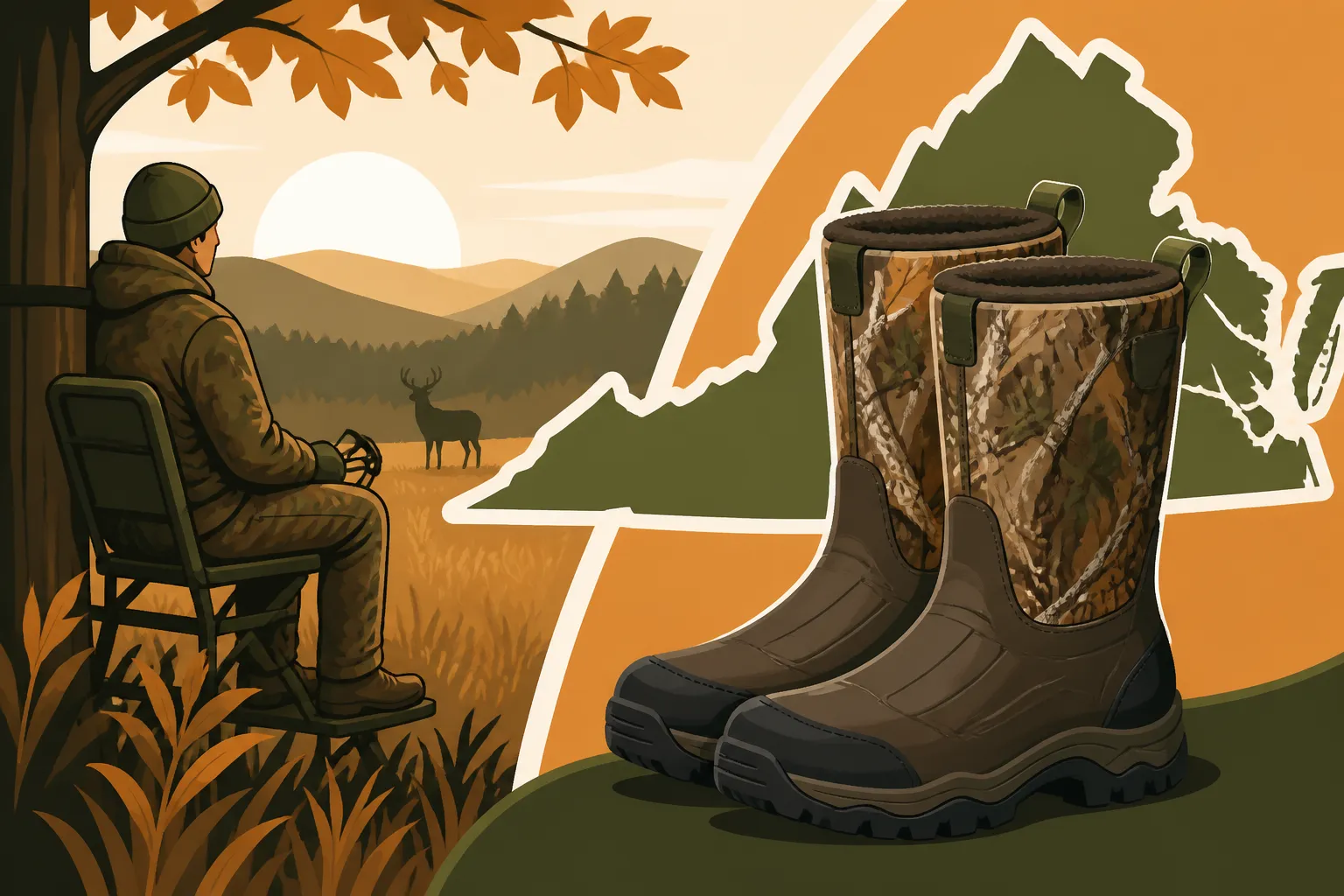
There’s nothing worse than settling into your favorite stand before dawn, the air crisp with promise, only to have your toes go numb an hour later. That creeping chill can turn a perfectly good hunt into an agonizing sit, forcing you to cut your time short or constantly shift to get feeling back in your feet. This guide is all about banishing those cold-foot woes by helping you choose the best insulated boots for those long, all-day sits that often define successful Virginia hunting trips.
Why Cold Feet Ruin a Virginia Hunt
We've all been there, right? You've spent weeks scouting, carefully planned your approach, and made the arduous trek to your spot, only for your enthusiasm to slowly drain away as your feet start feeling like ice blocks. It's more than just discomfort; it's a genuine problem that impacts your focus and ultimately, your success.
The Frustration of Frozen Toes
Imagine you're deep in the George Washington National Forest Hunting, perched silently as the world awakens. A slight rustle catches your ear, but instead of focusing, you're wiggling your toes, trying desperately to coax some warmth back into them. This isn't just annoying; it's a significant distraction. When your body is fighting to stay warm, your mind isn't fully on the hunt. You might miss subtle movements, fail to hear faint sounds, or even flinch at a crucial moment. The damp, biting cold that often settles in Virginia's valleys and hollows, especially in the mountains or along the Hunting the Eastern Shore Marsh, can penetrate even seemingly warm boots if they lack proper insulation. A stiff breeze can cut right through inadequate footwear, turning your feet into popsicles. It’s a battle you can’t win with cheap, uninsulated boots.
How Insulation Works Its Magic
At its core, boot insulation is all about trapping air. Air is a poor conductor of heat, so by creating tiny air pockets within the boot's material, insulation prevents your body heat from escaping into the cold environment. Think of it like a miniature sleeping bag for your feet. Different types of insulation achieve this in various ways. Synthetic insulations, like Thinsulate or various proprietary blends, are incredibly popular because they retain much of their insulating properties even when wet, which is a huge bonus in Virginia's often damp climate. Natural fibers, like wool or down (though less common in boots due to bulk and water sensitivity), also excel at trapping air. The goal is to create a barrier that keeps the warmth in and the cold out, allowing your feet to stay at a comfortable, consistent temperature even during a long, motionless vigil.
Understanding Insulation Ratings and Materials for Virginia Conditions
When you start looking at insulated boots, you'll quickly encounter terms like "grams of insulation" and various material descriptions. Understanding what these mean in the context of Virginia's diverse hunting seasons and terrains is key to making the right choice.
Decoding Gram Ratings
The "gram rating" on insulated boots refers to the weight of insulation material per square meter. So, a boot with 400 grams of Thinsulate, for example, has 400 grams of that insulation per square meter of lining. Generally, the higher the gram rating, the warmer the boot. But more isn't always better; it depends heavily on your activity level and the specific conditions you'll face.
- 200-400 Grams: These are often suitable for early to mid-season hunts where temperatures hover around freezing or just below, especially if you're actively moving. If you're Still-Hunting Jefferson Forest Ridges or covering ground during Virginia's General Firearms Deer Season, this range might suffice to keep the chill off without making your feet sweat excessively.
- 600-800 Grams: This is a fantastic all-around choice for many Virginia hunters. It provides substantial warmth for stationary mid-season sits in cooler weather, yet isn't so bulky that it hinders movement for moderate activity. This range handles November's chill and many December days quite well.
- 1000-1200 Grams: Now we're getting into serious cold-weather territory. If you're planning those truly frigid, late-season Cold-Weather Sitting Strategy in the Mountains, or braving bitter winds in a ground blind, this level of insulation will be your best friend. It's designed for extended periods of inactivity in very cold conditions.
- 1600-2000+ Grams: These are expedition-level boots, often reserved for extreme cold or very prolonged, stationary sits in sub-zero temperatures. While Virginia rarely sees these extremes for extended periods, some dedicated late-season waterfowlers might appreciate this warmth when Hunting Chesapeake Bay Diving Ducks in icy conditions. For most deer hunters, this might be overkill, leading to sweaty feet if you have to walk much.
The trick is balancing warmth with breathability. Too much insulation for your activity level, and your feet will sweat, leading to chilling once you stop moving. You can use tools like GoHunt to check detailed weather forecasts, including wind chill, to help you gauge the appropriate insulation level for your planned hunt.
Waterproofing is Non-Negotiable
No matter how many grams of insulation your boots boast, if your feet get wet, they're going to get cold. Period. Virginia's hunting seasons often overlap with rain, melting snow, damp ground, and numerous creek crossings. Therefore, robust waterproofing is absolutely paramount. Look for boots that incorporate proven waterproof membranes like Gore-Tex, eVent, or similar proprietary technologies. These membranes allow moisture vapor (sweat) to escape, keeping your feet dry from the inside out, while preventing external water from penetrating.
It's not just about walking through a creek; it's about the relentless dampness of fallen leaves, the dew on tall grass, or the slushy snow that melts and soaks into unprotected leather. A good waterproof boot, combined with moisture-wicking socks, is your first line of defense against the cold. Many otherwise excellent boots fail in a Virginia winter because they simply aren't up to the task of keeping persistent moisture at bay.
Material Choices Beyond Insulation
Beyond the insulation itself, the outer materials of your boots play a huge role in their performance, durability, and comfort.
- Leather: Full-grain leather offers excellent durability, support, and can be treated for water resistance (though often supplemented with a membrane). It breaks in over time to conform to your foot, offering superb comfort. However, leather can be heavier and takes longer to dry if it does get soaked through.
- Synthetics: Materials like nylon, Cordura, and various synthetic blends are often lighter, quicker drying, and can be very durable. They are also typically less expensive. Many modern hunting boots combine synthetic panels with leather accents to get the best of both worlds: durability where needed, and flexibility and lighter weight elsewhere.
- Rubber: For truly wet, muddy, or swampy conditions, rubber boots are king. They offer 100% waterproof protection up to their height. Many popular models, especially for waterfowl or marsh hunting, come with significant insulation ratings. They tend to be less breathable than leather or synthetic boots, so managing sweat with proper socks is even more critical. They are also excellent for keeping scent down during a deer hunt.
When choosing, also consider the sole. A good outsole needs aggressive lug patterns for traction on Virginia's varied terrain – from muddy creek bottoms to slippery leaves on steep Reading a Ridge for Blue Ridge Deer. A stiff sole provides better support for long walks and climbing, while a more flexible sole might be preferred by those who value agility for Run-and-Gun Turkey Tactics on Public Land.
Here's a quick look at insulation levels and general suitability:
| Insulation Grams | Activity Level | Typical Virginia Conditions |
|---|---|---|
| 200-400g | Active/Moderate | Early Archery, Mild Fall, Walking |
| 600-800g | Moderate/Stationary | Mid-Fall, Cooler November Rut, Mixed Activity |
| 1000-1200g | Stationary | Late Season, Frigid December, Ice Fishing |
| 1600g+ | Very Stationary | Extreme Cold, Waterfowling in Ice |
Finding the Right Fit and Features for All-Day Comfort
You can have the warmest, most waterproof boots on the market, but if they don't fit right, you'll be miserable. Comfort is king for those all-day sits, and a few key features can make all the difference.
The Importance of Proper Sizing and Socks
This might sound obvious, but many hunters underestimate the crucial role of proper sizing, especially when dealing with insulated boots. Your feet will swell slightly over the course of a day, and you'll likely be wearing thicker socks. Always try on insulated boots with the type of socks you intend to hunt in. You want enough room for your toes to wiggle freely, preventing them from being compressed, which restricts circulation and actually makes them colder. However, too much room and your foot will slide around, causing blisters and fatigue. There should be a snug fit around the heel to prevent slippage.
Speaking of socks, ditch the cotton! Cotton absorbs moisture and holds it against your skin, leading to cold, clammy feet. Instead, invest in high-quality wool or synthetic blend socks. Merino wool is a popular choice because it's soft, wicks moisture, and retains warmth even when damp. Synthetic socks also excel at moisture wicking. For extremely cold days, consider a layering system: a thin liner sock underneath a thicker wool or synthetic outer sock. This combination pulls moisture away from your skin while providing maximum insulation. Remember, a boot's insulation rating is only as good as the sock system beneath it.
Key Features for Long Sits
Beyond insulation and waterproofing, certain design features can greatly enhance your comfort and performance during long hours in the field.
- Ankle Support: If you're navigating uneven terrain, climbing into a treestand, or walking long distances to your spot, good ankle support is critical. It helps prevent twists and sprains, reducing fatigue and keeping you steady. Look for boots with a high cut and a robust lacing system that allows you to cinch them up securely without creating pressure points.
- Comfortable Footbeds: The insole of a boot is often overlooked. Many stock insoles are just okay. If you plan on sitting all day, an aftermarket insole with good arch support and cushioning can significantly improve comfort and reduce foot fatigue. This is especially true if you have specific foot issues.
- Lacing Systems: A quality lacing system should allow for easy adjustment throughout the day. Some boots feature speed hooks at the top for quick on/off, while others might have locking eyelets that let you customize tension in different zones of the boot. Ensure the laces themselves are durable and won't fray easily.
- Quiet Outsoles: For stealthy approaches or subtle shifts in your stand, a quiet outsole is a blessing. Some rubber compounds are designed to be less noisy on frozen ground or dry leaves. While not always a primary concern for warmth, it’s a nice bonus that contributes to overall hunting effectiveness.
Practical Considerations for Virginia Terrain
Virginia's landscape varies wildly, from the rugged peaks of the Blue Ridge to the flat, swampy lowlands of the Tidewater region. Your boot choice should reflect the specific terrain you typically hunt.
If you're hunting in the mountains, perhaps chasing Bear Hunting Virginia's Mountains and Piedmont or deer in the Hunting West of the Blue Ridge, you'll want boots with aggressive lug patterns on the soles for maximum grip on steep, rocky, or muddy slopes. A higher boot shaft (8-10 inches) also provides better ankle support and protection from briars, sticks, and shallow stream crossings. The boots should be rigid enough to provide stability on uneven ground but flexible enough for comfortable walking.
For hunters spending time in the Piedmont or Eastern Virginia, especially in areas with fields, fencerows, or Hunting Tidewater Swamp Edges, you might prioritize lighter weight or more flexibility. Rubber boots, particularly insulated models, are invaluable in perpetually wet or muddy conditions. Even in these flatter regions, thorns and briars are common, so durable outer materials are a must. Make sure the boots you pick can stand up to the specific abuse of your local hunting grounds. Using mapping apps, like those often integrated into platforms like GoHunt, can help you visualize the terrain and anticipate the demands on your footwear.
Maintaining Your Insulated Boots for Lasting Warmth
Investing in a good pair of insulated hunting boots is a significant step, and like any quality gear, they'll last longer and perform better with proper care. Neglecting them after a tough hunt can severely diminish their effectiveness and lifespan.
Cleaning and Drying Routines
After every outing, especially one that involved mud, water, or snow, your boots need a good cleaning. Brush off loose dirt and mud, then wipe them down with a damp cloth. For stubborn grime, a soft brush and mild soap can work wonders, but be gentle. The most critical part of post-hunt care, however, is drying. Never, ever dry your insulated boots with direct heat sources like a campfire, radiator, or direct heater. High heat can damage waterproofing membranes, dry out and crack leather, and delaminate glues, effectively ruining your boots.
Instead, remove the insoles and open the boots up as wide as possible. If they're particularly wet inside, stuff them loosely with newspaper to absorb moisture, changing it out every few hours. Better yet, invest in a boot dryer. These devices circulate warm, dry air through the boots, drying them gently and thoroughly overnight without damaging materials. Proper drying is crucial to prevent mildew, odor, and the breakdown of internal components, ensuring your boots are ready for the next cold morning.
Conditioning and Waterproofing Treatment
For leather boots, regular conditioning is essential to keep the leather supple and prevent cracking. Use a leather conditioner or cream specifically designed for outdoor footwear. This will feed the leather and help maintain its natural water resistance. Even with a waterproof membrane, keeping the outer material treated helps prevent water from soaking into the leather itself, which can make boots heavier and colder.
For synthetic and rubber boots, while conditioning isn't necessary, you might need to reapply a Durable Water Repellent (DWR) coating periodically. Over time, the factory DWR can wear off, causing water to "wet out" on the surface, even if the internal membrane is still intact. A spray-on or wash-in DWR treatment can restore this surface repellency, making water bead up and roll off, which keeps the outer fabric from absorbing moisture and ensures breathability. Regularly inspecting your boots for scuffs, tears, or worn areas will allow you to address minor issues before they become major problems, extending the life of your investment.
Storage Tips for Longevity
When the season winds down, proper off-season storage is key to making sure your boots are in prime condition for the next opener. First, ensure they are thoroughly clean and dry – inside and out. Then, store them in a cool, dry place away from direct sunlight or extreme temperature fluctuations. A closet shelf, a boot rack, or even their original box works well.
Avoid storing them in a damp basement or a hot attic, as these environments can encourage mold and mildew growth or cause materials to degrade prematurely. If you have boot trees or stuff them loosely with crumpled newspaper, this can help maintain their shape and prevent creasing. By taking these simple steps, you'll ensure that when the chill returns and it's time to head out for Hunting the Virginia Rut in November or pursue Virginia Waterfowl on the Atlantic Flyway, your insulated boots will be ready to keep your feet warm, dry, and comfortable, letting you focus on the hunt.
Disclaimer
This article is for general informational purposes only and does not constitute professional advice. Laws, prices and regulations vary by location and change over time. Consult a qualified professional for guidance on your specific situation.