Hunting the Virginia Youth Weekend Dates
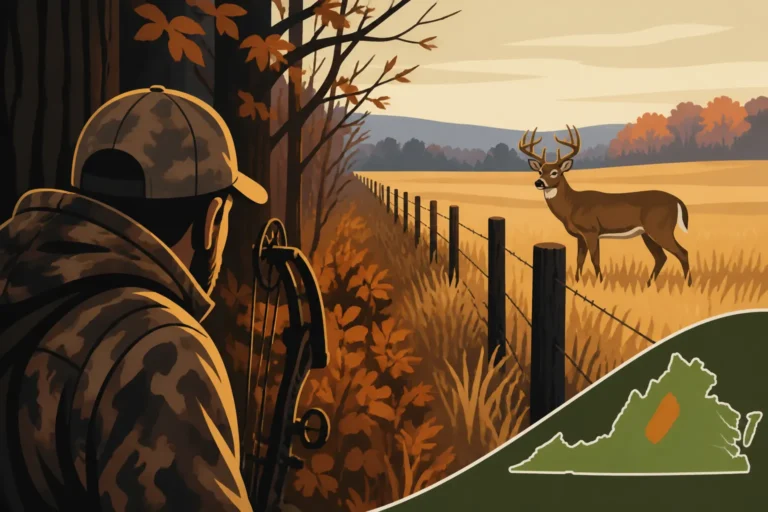
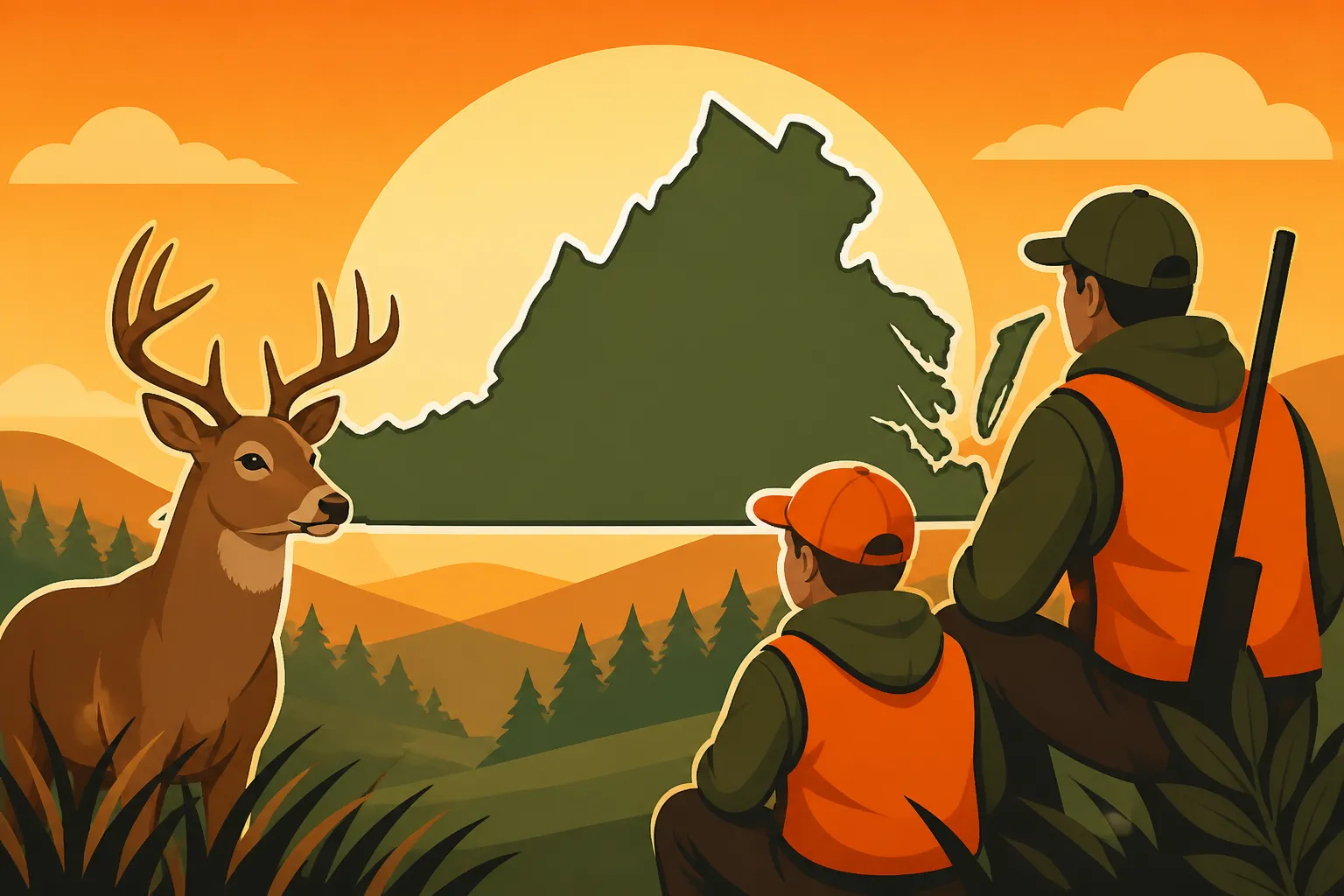
Bringing a young hunter into the field for the first time, or even the tenth, is a deeply rewarding experience, forging memories that truly last a lifetime. Yet, the maze of specific season dates, youth-only restrictions, and all the finer points can feel overwhelming, leaving parents and mentors scratching their heads trying to figure out if they’re doing everything by the book. This guide is here to clear up all that confusion, helping you understand Virginia's youth deer hunting weekend dates and ensuring your young hunter has a safe, enjoyable, and successful experience.
Understanding Virginia's Youth Deer Hunting Weekend
The Virginia Department of Wildlife Resources (DWR) offers dedicated youth hunting weekends specifically designed to give young hunters an opportunity to harvest deer and other game without the added pressure of a full-fledged regular season. These special weekends are an incredible initiative, providing a focused, less crowded environment perfect for teaching responsible hunting practices.
Official Dates and Eligibility Requirements
Virginia typically holds a couple of dedicated youth and apprentice hunting weekends throughout the deer season, usually in late September or early October, and then again in early January, aligning with different phases of the season. These dates can shift slightly year to year, so always confirm with the latest DWR regulations. For the most up-to-date information, it's always best to check the DWR's official hunting regulations booklet or their website. As of the current season, the primary Youth and Apprentice Deer Hunting Weekend typically falls in late September, usually the last weekend, running from Friday through Sunday. There's often another opportunity in early January, right before the statewide season wraps up.
For a young person to participate, they must be 15 years of age or younger. They also need to be accompanied by a licensed adult hunter who is at least 18 years of age. This adult cannot carry a firearm or bow, allowing them to focus solely on mentoring, instructing, and ensuring safety. It's a fantastic setup that truly emphasizes the learning aspect. Additionally, youth who have successfully completed a DWR-approved hunter education course can hunt unsupervised if they possess a valid license. However, for these special youth weekends, having a mentor present is highly encouraged, even if not strictly required for licensed youth over 12, to maximize the educational experience. Those participating as "apprentice hunters" – which includes anyone without a hunter education certificate – must always be accompanied and directly supervised by a properly licensed adult. You can find more specific details on who needs Virginia Hunter Education and the available options for completion.
Special Rules and Bag Limits for Youth Hunters
The beauty of the youth weekend is that it often allows for more flexible hunting opportunities. During these designated weekends, youth hunters can take either antlered or antlerless deer. This is a significant advantage, especially for newer hunters, as it removes the pressure of having to identify a specific antlered buck. The goal is participation and success, not necessarily a trophy. The bag limits usually align with the standard county or regional limits for deer, meaning an antlered deer counts towards the regional buck limit (either two bucks east of the Blue Ridge or one buck west of the Blue Ridge). However, the antlerless deer taken during these youth weekends do not typically count towards the daily antlerless limit for adult hunters, giving youth extra opportunities.
It's critical for the accompanying adult to be intimately familiar with the specific regulations for the county they are hunting in, as these can vary slightly. For instance, some counties might be part of a Chronic Wasting Disease Management Area (DMA), which could have additional rules regarding carcass movement or mandatory testing. Tools like GoHunt can be incredibly helpful for quickly referencing these localized regulations, especially when you're planning a trip to an unfamiliar area. Always remember to check the Virginia Deer Season Structure Explained before heading out. All harvested deer, regardless of age of the hunter, must be reported to the DWR. The process for Virginia Deer Reporting Requirements is straightforward, usually done online or through the DWR mobile app.
Here’s a quick overview of key aspects for the Youth and Apprentice Deer Hunting Weekend:
| Feature | Description |
|---|---|
| Eligibility | Hunters 15 years of age or younger. Apprentice hunters (no hunter ed) and youth 12-15 (with hunter ed) must be accompanied by a licensed adult (18+). Adult may not carry a weapon. |
| Typical Dates | Late September (usually the last weekend) and Early January (often the first weekend). Always check current DWR regulations for exact dates. |
| Bag Limit | Generally aligns with county/regional deer limits. Youth can take either antlered or antlerless deer. Antlerless deer taken by youth do not count against the adult's daily limit (if the adult were hunting). |
| Weapon Allowed | Any legal weapon for deer hunting, specific to the location (e.g., archery, muzzleloader, shotgun, rifle, where legal). |
| Blaze Orange/Pink | Required for all participants (youth and adult mentor) during any firearms portion of the season. Refer to Blaze Orange Requirements for specific rules. |
| Reporting | All harvested deer must be reported online or via the DWR mobile app by midnight on the day of harvest. |
Tactics for a Successful Youth Deer Hunt
Making the youth hunt a positive experience is paramount. It’s not just about the harvest; it’s about fostering a love for the outdoors, teaching patience, and building confidence. This means focusing on tactics that increase comfort and engagement, even if it means sacrificing a bit of "serious" hunting strategy.
Prioritizing Comfort and Engagement
One of the biggest mistakes we seasoned hunters make when taking out a youngster is treating their hunt like our own. Kids have shorter attention spans and are much more sensitive to cold, boredom, and discomfort. Keep the hunts relatively short, especially for younger kids. An hour or two of focused hunting in the morning or evening is often far more productive and enjoyable than an all-day sit that ends in shivering and complaining. Pack plenty of snacks and drinks – hydration and a little energy boost can work wonders. Hot chocolate in a thermos on a chilly morning can turn a potentially miserable sit into a memorable one.
Dress them in layers, ensuring they are warm and dry. Nothing sours an experience faster than being cold and wet. Consider a portable heater for a ground blind if temperatures are low. Using a comfortable blind, such as a pop-up ground blind, can be a game-changer. It allows for more movement, snacking, and even a little quiet conversation, making the experience less restrictive. Using a Ground Blind on Virginia Public Land offers some great tips. Let them help with scouting, setting up the blind, or carrying lighter gear. Involving them in the process makes them feel like a valuable part of the team, boosting their enthusiasm. Talking quietly about animal tracks, bird calls, or identifying trees can keep them engaged when deer aren't moving.
Ideal Stand Locations and Approaches
For youth hunts, success often hinges on selecting a location that offers high odds for seeing deer, provides easy access, and minimizes pressure. Forget those deep woods, mile-long hikes for a big mature buck. Focus on accessible areas where deer frequently feed or travel naturally. Field edges, food plots, or even small woodlots adjacent to agricultural fields are often ideal. Deer often feel secure moving through these areas during daylight, especially without heavy adult hunting pressure.
Consider areas that are relatively low-pressure, perhaps those accessible from less-traveled forest roads, or smaller private tracts you've secured permission on. A well-placed ground blind along a Green Field Planted for Deer or a Clover Plot at First Light can provide excellent visibility and a comfortable setup. Scout these locations beforehand using tools like GoHunt, which can help identify food sources, bedding areas, and travel corridors on aerial maps. Looking for fresh tracks, droppings, and browse sign will confirm recent deer activity. Aim for spots that offer predictable deer movement, minimizing the need for long, silent waits. Also, consider the wind direction carefully, setting up downwind of expected deer travel to maximize your chances.
Essential Preparations Beyond the Field
A successful youth hunting trip isn't just about what happens in the woods; it starts long before, with thorough preparation and safety considerations that ensure everyone has a positive experience.
Gear and Safety Considerations
Safety should always be the absolute top priority when introducing a young person to hunting. This begins with proper hunter education, which instills crucial safety rules and ethical practices. Virginia mandates hunter education for most hunters, and even if your youth isn't old enough to be legally required to take the course, going through it together is invaluable. The DWR offers convenient Taking Virginia Hunter Education Online courses.
Ensure the youth hunter is proficient with their chosen weapon. Start with plenty of practice at a shooting range, emphasizing proper firearm handling, trigger discipline, and target identification. The firearm itself should be of an appropriate caliber and size for the young hunter, allowing them to handle it safely and accurately. Recoil can be a major deterrent for new shooters, so consider a smaller caliber like a .243 or a .223 for deer, or even a crossbow during archery season if that's an option. Ear and eye protection are non-negotiable. During any firearms season, both the youth and the accompanying adult must wear blaze orange or blaze pink. This is a crucial safety measure to ensure visibility to other hunters. Always pack a well-stocked first-aid kit, and know how to use it. A GPS unit or a reliable mapping app like GoHunt on your phone is also essential for navigation, especially on unfamiliar public lands. Understanding Virginia Public Land Hunting Hours is also critical for safety and compliance.
Post-Harvest Responsibilities and Meat Care
If your young hunter is fortunate enough to harvest a deer, the learning experience continues long after the shot. This is a critical time to teach respect for the animal and the importance of responsible meat care. Immediately after the harvest, teach them how to approach the animal safely and confirm it's expired. Then, involve them (to the extent appropriate for their age and comfort level) in the Field Dressing a Deer in Cold Weather. Explain why each step is necessary for preserving the meat. This hands-on experience helps them understand the full cycle of the hunt and their role in providing food.
Quickly cooling the meat is vital, especially during warmer early season hunts. If hunting during the September youth weekend, consider bringing plenty of ice and large coolers to get the deer quartered and on ice as quickly as possible. For later season hunts, cold weather often aids in the cooling process. After field dressing, the deer must be transported and reported to the DWR. Make sure they understand how to use the DWR app or website to complete the mandatory harvest report. This teaches them accountability and adherence to regulations. Finally, talk about butchering and preparing the meat for the table, connecting the hunt back to sustenance. This reinforces the idea that hunting is about much more than just pulling a trigger; it’s about responsibly providing for yourself and your family.
Disclaimer
All information provided in this guide is for educational purposes only and is based on general Virginia hunting regulations. Hunting laws and regulations are subject to change. It is the sole responsibility of the individual hunter to review and comply with all current Virginia Department of Wildlife Resources (DWR) regulations, local ordinances, and landowner permissions before engaging in any hunting activities. Always prioritize safety and ethical hunting practices.