Grunt Calls in Mature Virginia Timber
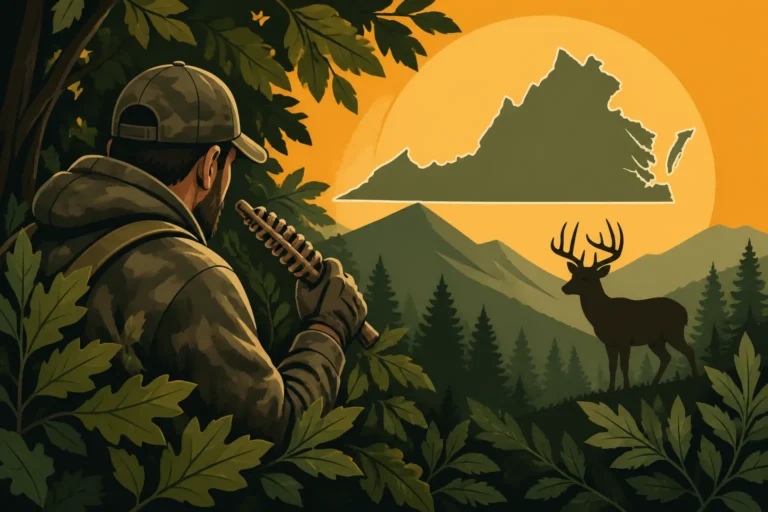
Many Virginia hunters find themselves scratching their heads when it comes to effectively using grunt calls in our state’s vast expanses of mature timber. It’s not like those wide-open field edge hunts you see on TV where a buck can spot a decoy and hear a call from a quarter-mile away. Our dense hardwoods and thick underbrush demand a much more nuanced and often frustrating approach. This comprehensive guide is here to tackle that head-on, delving deep into mastering grunt calls specifically for the challenging yet rewarding environment of mature Virginia timber, ensuring you’re equipped to turn curious grunts into close encounters.
Decoding Deer Communication in Virginia's Dense Timber
Before you even think about blowing into a grunt tube, it’s crucial to truly understand what you're trying to mimic and how those sounds naturally carry – or don't carry – in the places we hunt. Mature Virginia timber, whether it’s the sprawling George Washington National Forest or a secluded woodlot in the Piedmont, has its own unique acoustic properties.
The Nuances of Buck Vocalizations
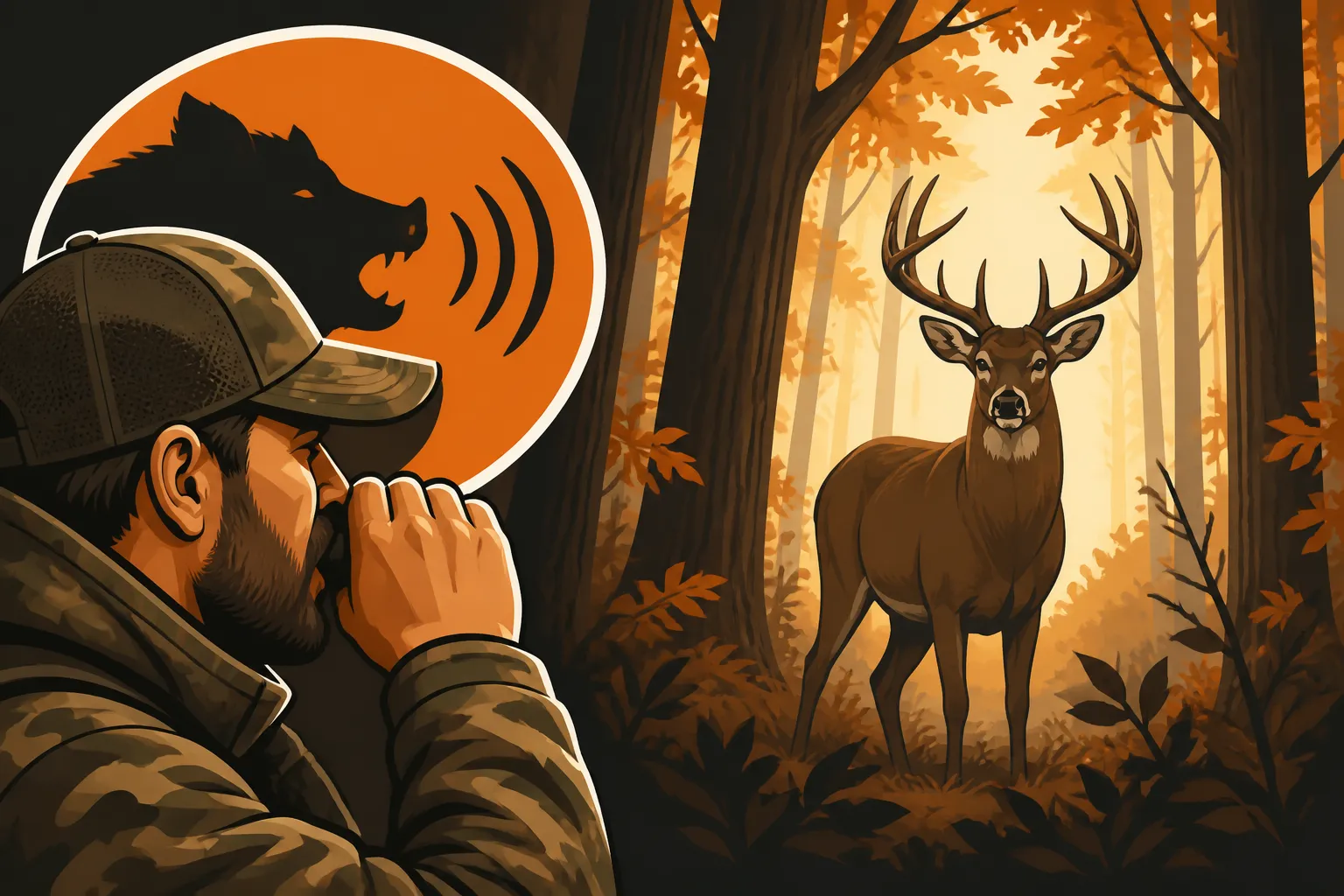
Deer communicate through a surprisingly complex range of vocalizations, and "grunt" is a broad term encompassing several distinct sounds. A subtle contact grunt, for example, is a soft, often drawn-out sound a buck might make as he moves through cover, simply letting other deer know he's around. This is vastly different from an aggressive challenge grunt, which is typically louder, sharper, and meant to intimidate a rival. Then there are tending grunts, often heard when a buck is actively pursuing a doe, a guttural series of sounds indicating excitement and possessiveness.
In Virginia’s mature timber, understanding these nuances is paramount. A loud challenge grunt in a situation calling for a soft contact grunt can easily blow a deer out of the area. Conversely, a weak contact grunt might get swallowed by the dense woods, never reaching the ears of a buck that’s just out of sight. The real trick is to identify the situation you're trying to create or respond to, and then match your call's intensity and tone accordingly. Think about the Virginia Deer Season Structure Explained and how buck behavior shifts dramatically from early archery to the peak of the rut; your calls need to shift with it.
Acoustics of Mature Woods and Sound Travel
Anyone who has hunted Virginia’s thick woods knows that sound travels very differently than in open fields. Dense stands of oak, hickory, and poplar, especially with a thick understory of mountain laurel, greenbrier, or regenerated saplings, act like sound sponges. Leaves, branches, and uneven terrain absorb and deflect sound waves, dramatically reducing how far your call will carry. A grunt that might get attention at 200 yards in a clear-cut might barely be audible at 75 yards in a mature oak flat.
This acoustic reality validates a common frustration: you call, and call, and feel like nothing is hearing you. It's often not that deer aren't there, but that your sound isn't cutting through the noise or reaching them effectively. Wind also plays a huge role; even a slight breeze can carry your sound away or make it seem unnatural. Understanding this means you need to be strategic about your calling locations. Positioning yourself on a slight rise, near a natural funnel, or in a saddle can help your calls travel further, increasing the chances a buck will pick them up. This is where scouting with tools like GoHunt, which helps you analyze topography and cover density, becomes invaluable before you even step foot in the woods with your call.
Mastering Grunt Call Techniques for Virginia Deer
It's one thing to know what sounds bucks make; it's another to recreate them convincingly and strategically in the field. Effective grunt calling in Virginia's timber is about more than just blowing air. It's about precision, timing, and often, restraint.
Selecting the Right Call and Volume Control
When it comes to grunt calls, you'll find a dizzying array of options on the market. Most fall into one of two main categories: reed-style calls (which typically have a flexible reed that vibrates) and tube-style calls (which rely on air passing over an internal mechanism, often with an adjustable O-ring for tone). Both can be effective. The key is finding a call that allows you to vary pitch, tone, and volume easily. You want to be able to produce everything from a soft, nasally contact grunt to a deep, guttural challenge. Brands like Primos, Flextone, and HS Strut offer excellent, reliable options that can produce a range of realistic sounds.
Volume control is perhaps the single most critical factor in mature timber. As discussed, your calls won't carry far. This means your target audience is often closer than you think. Start with soft, subtle grunts. Think about a buck quietly moving through the woods, not yelling across a canyon. If you're on a public land tract known for Hunting Pressure on Virginia Public Land, deer are likely more wary, making subtle calling even more important. Only increase volume if you suspect a deer is further out or you need to cut through a bit more wind or background noise. A good rule of thumb is to call just loud enough for a deer within your expected hearing range to pick it up, not to blast it across the entire hollow.
Crafting Realistic Grunt Sequences and Cadence
The magic of grunt calling isn't just in the sound itself, but in the sequence and cadence. A single, isolated grunt might attract attention, but a well-orchestrated sequence tells a more compelling story. Here are a few common scenarios and how to approach them:
- Contact Grunts (Pre-Rut/Post-Rut/General Locating): These are soft, subtle, single grunts. Mimic a buck walking through the woods, occasionally letting out a low, almost questioning grunt. One or two grunts every 15-20 minutes can be very effective for letting deer know you're there without alarming them. This is excellent for early season or when you're simply trying to locate a buck moving quietly.
- Tending Grunts (Peak Rut): When you believe a buck is actively with a doe, tending grunts are your go-to. These are typically a series of three to five shorter, more excited grunts, often followed by a pause, and then repeated. Imagine a buck nudging a doe, trying to keep her close. The sequence might sound like "Grrr-unt, grrr-unt, grrr-unt… (pause) …grrr-unt, grrr-unt." The key is to convey a sense of urgency and possessiveness.
- Challenge Grunts (Peak Rut/Aggressive Bucks): These are your loudest, deepest, most guttural grunts. They are meant to signal aggression and dominance. Use these sparingly and only when you know there's a dominant buck in the area, or if you've seen a buck at a distance that needs a reason to come closer. A challenge grunt might be a single, drawn-out "GRRRRRUNT!" or a short series of aggressive "Grrr-UNT! Grrr-UNT!" This can be particularly effective when you're hunting during the peak of Hunting the Rut East of the Blue Ridge or Hunting the Rut West of the Blue Ridge, where bucks are more prone to confrontation.
Always remember to pause between sequences. Let the woods "breathe" and listen intently for any response – a deer walking, a snort, or even a soft grunt back. Sometimes, the most effective calling is a few well-placed grunts followed by complete silence.
Strategic Application Based on Season and Terrain
The success of your grunt calling efforts in Virginia timber hinges heavily on when and where you choose to employ them. A call that works wonders in early November might be largely ignored in December. Similarly, calling techniques need to adapt to the diverse topography of our state.
Grunt Calling During Different Rut Phases
Virginia's deer rut is a dynamic period, and understanding its phases is crucial for effective calling.
- Early Pre-Rut (Late September – Mid-October): Bucks are starting to cruise, checking scrapes, and feeling out the does. Subtlety is key here. Focus on soft contact grunts to simulate a buck passively moving through. A Scrape Lines Along a Logging Road might be a perfect spot to drop a few soft grunts. Bucks are less aggressive, so avoid challenge grunts. They're more likely to respond out of curiosity or to acknowledge another deer's presence.
- Peak Rut (Late October – Mid-November): This is prime time for all grunt calls. Bucks are actively chasing does, and their testosterone levels are high. Both tending and challenge grunts can be incredibly effective. If you see a buck cruising or hear chasing, a tending grunt can lure him in, thinking there's competition for a hot doe. A challenge grunt can sometimes stop a buck in his tracks, bringing him in for a fight. During this period, understanding the Virginia Buck-to-Doe Ratio by Region can give you an edge; if there are more does, bucks might be harder to pull off a hot doe, requiring more aggressive tactics.
- Late Rut/Post-Rut (Late November – December): The intensity winds down, but bucks are still moving, often looking for any remaining receptive does. Go back to softer contact grunts. Bucks are tired and less aggressive, but a lonely grunt might still appeal to a buck looking to breed. During this period, deer are often more focused on food sources, so combine your calling with good knowledge of late-season browse or food plots.
Adjusting for Topography and Cover
Virginia's diverse landscape means one calling strategy won't fit all.
- Mountain Terrain (e.g., Jefferson or George Washington National Forests): Here, sound can be tricky. Valleys and hollows can trap sound, while ridges can carry it further. If you're hunting a ridge-top saddle, your calls might travel down into two hollows, potentially drawing deer from both. However, Wind and Thermals on a Blue Ridge Slope are paramount. Always consider how your scent is carrying and how sound will travel given the thermal currents. Calling from a ridgetop can project sound, but also project your scent. Using tools like GoHunt to visualize contour lines and terrain can help you choose the best calling positions. When hunting Finding Sign in Big Jefferson Forest Timber, use the natural contours to your advantage, calling across hollows or along benches.
- Piedmont and Tidewater Flats: These areas often have less dramatic elevation changes but can be incredibly dense. Here, you're often calling in smaller woodlots, creek bottoms, or field edges. Focus on projecting sound along natural travel corridors like creek beds or fencerows. Reading Aerial Photos for Piedmont Deer can reveal hidden funnels where your grunts will be most effective. Since deer are often traveling through thickets, your calls need to be compelling enough to pull them out of their cover.
Responding to Deer Behavior
The art of grunt calling is also about adapting to how deer react.
- Buck Hangs Up: This is common. You grunt, he stops 75 yards out, just out of sight, trying to scent-check the area. Resist the urge to keep calling aggressively. A soft, single contact grunt, or even a subtle snort-wheeze, might convince him to take a few more steps. Patience is vital.
- Circles Downwind: Almost every buck will try to get downwind of the sound source to scent-check. This is why stand placement and wind direction are so crucial. If a buck starts to circle, be ready for a shot before he gets directly behind you. Sometimes, a very soft grunt when he's committed to circling can redirect his attention just enough.
- Aggressive Approach: If a buck comes in hot and heavy, ready for a fight, be ready! Stop calling once he's committed. Don't overdo it. The goal is to draw him into shooting range, not to engage in a prolonged conversation.
Overcoming Common Grunt Call Challenges
Even with the best grunt call and perfect timing, mature Virginia timber presents unique hurdles. Knowing these challenges and how to address them can save you a lot of frustration and potentially put more deer in the freezer.
Avoiding Overcalling and Unrealistic Sounds
This is, hands down, the most common mistake new (and even seasoned) hunters make with grunt calls. The temptation to keep calling, especially when you don't see an immediate response, is strong. However, overcalling can do more harm than good. Imagine a buck hearing continuous, loud grunting from a single spot – it's unnatural, alarming, and screams "trap." Deer are incredibly alert, especially in heavily hunted areas.
The solution? Quality over quantity. Make your grunts realistic, then shut up and listen. Give the buck time to respond and work his way in. A good cadence might be 1-3 grunts, then wait 10-15 minutes, listening intently, before repeating. If you’ve spotted a deer at a distance, a single, well-placed grunt to stop him for a shot is often more effective than a lengthy sequence. Similarly, make sure your call itself sounds authentic. Practice before the season. Record yourself. Listen to actual buck grunts online. An unrealistic, reedy, or toy-like sound will quickly educate wary Virginia bucks.
Dealing with Pressure and Educated Bucks
Virginia public lands, like certain areas within the George Washington National Forest, often see significant hunting pressure, especially during Virginia's General Firearms Deer Season. Bucks in these areas are highly educated and much warier of anything unnatural. A loud, aggressive challenge grunt might work on a young, naive buck on private land, but it's likely to send a mature public land buck running the other way.
When hunting pressured areas, extreme subtlety is your friend. Focus on very soft contact grunts. Think about simply alerting a buck to your presence, rather than aggressively challenging him. You might find success with a soft series of grunts when you're still-hunting slowly through timber, hoping to pull a buck that might be bedded nearby. Patience becomes even more critical; a pressured buck might take 30-45 minutes to slowly creep in after a single, soft grunt. This is where relying on good scouting, knowing fresh deer movement (like Reading Virginia Mud for Fresh Deer Movement), and having the discipline to stay quiet pays off.
Troubleshooting Unresponsive Deer and Environmental Factors
So, you’ve grunted, you’ve waited, you’ve varied your calls, and still, nothing. What gives? There are several factors that might be working against you:
- Wind and Thermals: These are often the biggest culprits. Your sound might be getting carried away, or worse, your scent might be blowing right to the deer you're trying to call. Always prioritize wind direction above all else. If you're on a Blue Ridge slope, understanding Wind and Thermals on a Blue Ridge Slope is vital.
- Buck Isn't Interested: It's a hard truth, but sometimes bucks just aren't in the mood. They might be too busy with a hot doe, already focused on another area, or simply not feeling competitive. Not every call will work on every deer.
- Too Early/Too Late in the Rut: As discussed, calling phases are important. An aggressive call too early or too late in the rut might not align with a buck's current behavioral patterns.
- Location, Location, Location: Are you calling in a known travel corridor, a bedding area, or just a random spot in the woods? Even the best call won't work if there are no deer within hearing distance, or if they're not actively moving through that area. Using scouting apps like GoHunt can help you identify high-probability areas for deer movement before you even think about calling.
Don't get discouraged if your grunt calls don't always yield results. It's a challenging but incredibly rewarding aspect of deer hunting in Virginia's timber. By understanding the nuances of deer communication, practicing realistic sequences, adapting to your environment, and learning from your experiences, you'll be well on your way to becoming a more effective timber grunter.
Disclaimer
Hunting is an inherently dangerous activity. Always follow all local, state, and federal hunting regulations. Practice ethical hunting methods, prioritize safety, and respect wildlife. Ensure you have the proper licenses and understand all rules set forth by the Virginia Department of Wildlife Resources (DWR). The information provided here is for educational purposes and should be used in conjunction with your own judgment and experience.