Virginia Hunter Education Requirements
Thinking about getting into hunting in Virginia can feel a bit overwhelming, especially when you start looking at all the rules and requirements. You've heard about hunter education, and maybe you're wondering if it's just another hurdle to jump through, or if it genuinely offers valuable insights. This comprehensive guide will demystify Virginia's hunter education requirements, breaking down exactly who needs it, what you'll learn, and how to successfully navigate the process to get your certification, ensuring you step into the woods safely and confidently.
Who Needs Hunter Education in Virginia?
One of the first questions many aspiring hunters ask, and rightly so, is whether they actually need to take a hunter education course. It can feel like a maze of exceptions and specific circumstances, and nobody wants to show up for their first hunt only to realize they're not legally compliant. In Virginia, the rules are pretty clear-cut, designed to ensure a baseline level of safety and ethical understanding for everyone participating in hunting.
Age Requirements and Exemptions
Generally speaking, if you're 12 years old or older and plan to hunt with a firearm or archery equipment without direct supervision, you're going to need to complete hunter education. This isn't just a suggestion; it's a legal requirement enforced by the Virginia Department of Wildlife Resources (DWR). The DWR wants to make sure that anyone handling a weapon in the field understands the basics of safe operation, responsible hunting practices, and the local regulations. It's about protecting you, other hunters, and the wildlife we all cherish.
Now, there are a few important nuances. For instance, if you were born before January 1, 1971, you're generally exempt from the mandatory hunter education requirement. This is because it's assumed that those who've been hunting for many decades likely learned these skills through experience and mentorship before formal education became widespread. However, even if you're exempt, taking a course can still be incredibly beneficial, especially if you're new to Virginia or haven't hunted in a long time. Regulations change, and it's always good to refresh your knowledge. Furthermore, specific scenarios might override this general exemption, especially when traveling to other states with different requirements, so it's wise to always check.
Apprentice Hunter License Details
For those who are just dipping their toes into the hunting world or perhaps didn't get their hunter education certification right away, Virginia offers a fantastic option: the apprentice hunter license. This license allows you to hunt without having first completed a hunter education course, but with a very important caveat: you must be accompanied and directly supervised by a licensed, unapprentice hunter. Think of it as on-the-job training, where an experienced mentor guides you every step of the way.
This program is perfect for new hunters, whether they're adults new to the sport or younger individuals learning from a parent or guardian. The supervising hunter acts as a safety net, ensuring you follow all proper procedures, from identifying game to understanding legal shooting hours. It's an invaluable way to gain real-world experience, ask questions in the moment, and build confidence before you venture out on your own. Many folks use the apprentice license for a season or two while they work on completing their formal hunter education. It provides a practical pathway to experience the thrill of the hunt firsthand, cementing the lessons you'll eventually learn in a classroom or online. You can find more details about the specifics of Virginia Apprentice Hunter License Rules through the DWR.
Understanding Virginia's Hunter Education Course Formats
Once you've determined that you need hunter education, the next logical step is figuring out how to actually take the course. It’s not a one-size-fits-all situation, and the Virginia DWR recognizes that people have different learning styles, schedules, and preferences. You've got options, and understanding them will help you choose the path that makes the most sense for you and your family.
The Traditional Classroom Experience
For many, the idea of hunter education conjures up images of a weekend spent in a classroom, listening to instructors, watching videos, and handling inert firearms. This traditional classroom course is still a cornerstone of Virginia's hunter education program, and for good reason. It offers a highly interactive and structured learning environment. You'll typically find these courses offered by DWR-certified instructors, often volunteers with years of hunting experience, at local community centers, schools, or wildlife clubs.
The benefit of the classroom setting is immense, especially for younger hunters or those who learn best through direct interaction. You get immediate feedback, the chance to ask questions on the spot, and the opportunity to engage in hands-on activities, such as demonstrating safe gun handling or identifying wildlife from different photographs. These courses are usually spread out over several days or a full weekend, allowing for thorough coverage of the material, from firearm safety to ethical shot placement. It’s a great way to meet other new hunters and even some seasoned mentors in your community, creating connections that can last a lifetime.
Online Hunter Education Options
In our increasingly digital world, it’s no surprise that online hunter education has become a popular choice. The convenience is undeniable: you can complete much of the coursework from the comfort of your home, at your own pace, fitting it around work, school, and family commitments. This flexibility is a huge plus for busy adults or high school students juggling multiple activities. Virginia approves several online providers, making it accessible to a wide audience.
However, it's crucial to understand that simply completing an online module isn't always the end of the road. Most online courses in Virginia require a mandatory in-person "field day" or "skills session." This hands-on component is where you'll demonstrate practical skills like safe firearm handling, identifying zones of fire, and maybe even a live-fire exercise. It's the DWR's way of ensuring that while you learn the theory online, you also develop the critical practical skills and safety habits that simply can't be taught through a screen. So, if you choose the online route, make sure you're prepared to also commit to that in-person follow-up. You can find more information about Taking Virginia Hunter Education Online and the specific requirements for field days. For those using digital tools like GoHunt for scouting and planning, the convenience of online education often aligns well with their tech-savvy approach to hunting.
Combination Courses and Field Days
Sometimes, the best approach is a blend of both worlds: a combination course. These options typically involve completing a significant portion of the academic content online, similar to the pure online option, but then culminate in a shorter, often single-day, in-person field experience. This is a fantastic middle ground for many, offering the flexibility of online learning while still providing that essential practical component and direct interaction with certified instructors.
During these field days, instructors can assess your understanding of critical safety protocols, observe your handling of hunting equipment, and clarify any remaining questions you might have. It's not just about passing a test; it's about building genuine confidence in your abilities and instilling a strong sense of responsibility. Imagine stepping into the woods for the first time, having already practiced identifying wildlife signs and understanding ethical shot distances. That's the confidence these courses aim to build. Whether you're navigating the process for yourself or guiding a young hunter through their journey to legally hunt during the Virginia Youth Deer Weekend Rules, ensuring they have a solid foundation is paramount.
What You'll Learn in Virginia Hunter Education
You might think hunter education is just about guns and shooting, but it's so much more. The Virginia DWR has designed a curriculum that is incredibly comprehensive, covering everything from the fundamental mechanics of a firearm to the intricate balance of wildlife ecosystems. It’s an immersive experience that aims to mold responsible, ethical, and knowledgeable hunters who respect the land, the animals, and their fellow outdoors enthusiasts.
Core Curriculum: Safety and Ethics
At the heart of every Virginia hunter education course is an unwavering focus on safety and ethics. This isn't just a brief module; it's woven into every aspect of the curriculum. You'll delve deeply into the four primary rules of firearm safety: treat every firearm as if it's loaded, always point the muzzle in a safe direction, be sure of your target and what's beyond it, and keep your finger off the trigger until you're ready to shoot. These aren't just catchphrases; they are life-saving principles that you'll be taught to apply rigorously in every hunting scenario.
Beyond firearms, you'll learn about treestand safety – a critical topic for many Virginia hunters, especially those pursuing deer in the dense forests of the George Washington National Forest. Understanding how to properly install, climb, and utilize a treestand, along with always wearing a full-body harness, is emphasized to prevent devastating falls. Additionally, ethical hunting practices are heavily discussed. This includes understanding fair chase principles, respecting private property boundaries, and ensuring you have permission if you are Knocking on Doors in Piedmont Farm Country. It's about demonstrating respect for the game, the environment, and the non-hunting public, ensuring that hunting remains a valued and sustainable tradition.
Wildlife Conservation and Management
A significant portion of Virginia hunter education is dedicated to wildlife conservation and management. This is where you learn that hunters aren't just consumers of wildlife; they are, in fact, some of the most ardent conservationists. You'll explore the history of the North American Model of Wildlife Conservation, understanding how license fees and excise taxes on hunting equipment directly fund critical habitat restoration, research, and law enforcement efforts. It’s a powerful lesson in understanding where your hunting dollars go and the positive impact they have on Virginia's rich biodiversity.
You'll also gain a foundational understanding of wildlife biology, learning about deer behavior, turkey habits, and the ecological roles of various game species. This includes topics like population dynamics, habitat needs, and disease management, such as the DWR's efforts to combat Chronic Wasting Disease (CWD). By understanding these principles, hunters become better stewards of the land, making informed decisions that contribute to healthy wildlife populations rather than detracting from them. This knowledge enhances the hunting experience, turning it into a more meaningful interaction with nature. Many DWR initiatives, like those covered in Virginia's Four Chronic Wasting Disease Areas, are directly supported by hunter funding.
Virginia-Specific Hunting Regulations
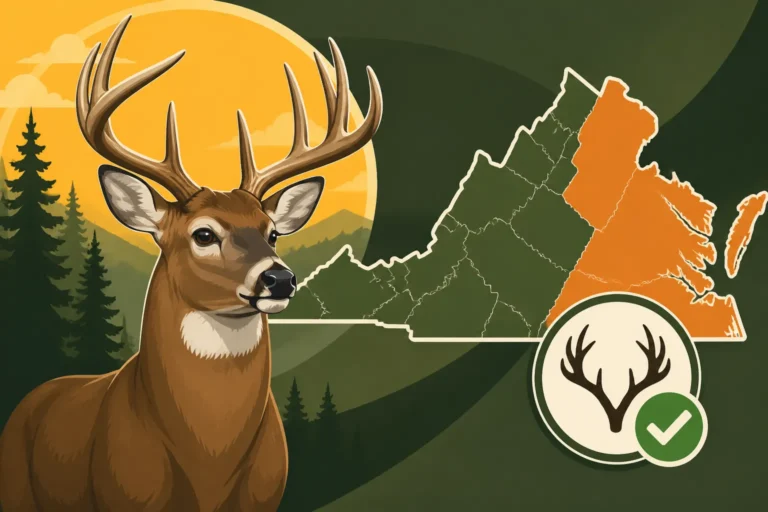
Navigating hunting regulations can be one of the most confusing parts for new hunters, and Virginia hunter education courses provide an invaluable roadmap. Each state has its own unique set of rules, and Virginia is no exception. The course will walk you through the specifics of Virginia's hunting seasons, bag limits, legal equipment, and reporting requirements. This includes understanding the differences between hunting seasons east and west of the Blue Ridge, where antlered buck limits can vary.
You'll learn about Virginia Deer Season Structure Explained, legal hunting hours, and specific zone regulations, such as those for urban archery zones. The importance of wearing Virginia Blaze Orange Requirements during specific seasons will also be covered, ensuring your visibility and safety in the field. Instructors will highlight common violations and how to avoid them, emphasizing the importance of checking your local county's specific rules, as some firearms regulations or Sunday hunting allowances can differ. Mastering these regulations is not just about avoiding fines; it's about being a responsible, ethical hunter who respects the laws designed to protect wildlife resources for future generations. GoHunt, with its mapping and regulatory overlays, can be a great tool for cross-referencing these details once you're out in the field.
The Process of Getting Certified
So, you've decided on your course format, you know what you'll be learning, and you're ready to dive in. Great! Now, let's talk about the practical steps to actually get that coveted hunter education certification card in your hand. The process is designed to be straightforward but thorough, ensuring every certified hunter meets the necessary standards.
Registration and Course Completion
The first step is always registration. For traditional classroom courses or combination courses with a field day, you'll typically register through the Virginia DWR website or by contacting a local DWR office or certified instructor. The DWR website provides an updated schedule of available courses across the state, including locations, dates, and times. It's a good idea to register early, as popular courses, especially those leading up to deer season, can fill up quickly. For online courses, you'll register directly through one of the DWR-approved online providers. Remember, even with online options, you'll still need to locate and register for any required field day components separately if your online course doesn't fully integrate it.
Once registered, you'll embark on the learning journey. For classroom courses, this means attending all scheduled sessions, actively participating, and absorbing the information presented by your instructor. For online courses, you'll work through the modules at your own pace, completing quizzes and interactive exercises as you go. It’s essential to pay close attention and not just click through the material. This isn't just a hoop to jump through; it's foundational knowledge that could literally save your life or prevent a serious accident in the field. Take notes, ask questions, and ensure you truly understand the concepts before moving on.
Taking the Final Exam
After completing all the coursework, whether in a classroom or online with an accompanying field day, you'll face the final exam. This exam is designed to assess your comprehension of the core principles of hunter safety, ethics, regulations, and wildlife conservation. Don't let the word "exam" scare you too much; if you've paid attention and put in the effort, you'll be well-prepared. Most exams consist of multiple-choice questions covering a broad range of topics taught throughout the course.
The final exam for online courses often requires a proctored environment, meaning you might need to take it in person under the supervision of an approved individual or at a designated testing center. This ensures the integrity of the certification process, confirming that you, and not someone else, are truly demonstrating the required knowledge. For classroom courses, the exam is usually administered by your instructor on the final day of class. It’s a moment to consolidate everything you've learned and show that you're ready to carry the responsibility of a licensed hunter.
Receiving and Carrying Your Card
Once you successfully pass the final exam and any required field day assessments, congratulations! You've earned your Virginia hunter education certification. Your certification isn't just a piece of paper; it's proof that you've demonstrated a commitment to safe, ethical, and responsible hunting. Typically, you'll receive a temporary certificate immediately, and a permanent hunter education card will be mailed to you by the DWR within a few weeks. This card is incredibly important, as it serves as your official proof of completion.
It is absolutely crucial to carry this certification card, or a valid representation of it, whenever you are hunting in Virginia. DWR conservation police officers can and will ask for proof of hunter education, especially if you fall into the age group that requires it. While many states now accept digital proof of licenses and certifications, always check the current DWR guidelines for what constitutes acceptable proof. Losing your card can be a hassle, so treat it like you would your driver's license. Keep it safe, and if you're using a digital mapping tool like GoHunt, consider having a digital copy of your certification saved on your device as a backup, just in case.
Hunter Education for Non-Residents and Out-of-State Certifications
Virginia is a popular destination for hunters, drawing folks from all over the country to chase deer, turkey, and waterfowl. If you're coming from out of state, or if you're a Virginia resident who completed hunter education elsewhere, you might be wondering how your certification status translates. It's a common concern, and thankfully, Virginia has a very clear and accommodating policy for such situations.
Reciprocity with Other States
One of the great aspects of hunter education programs across the United States is their widespread reciprocity. Virginia recognizes hunter education certifications issued by other states, provinces, and even some foreign countries, provided that the course was approved by a state or provincial government and met the International Hunter Education Association (IHEA-USA) standards. This means that if you took your course in, say, Pennsylvania, North Carolina, or even Canada, your certification is likely valid here in Virginia.
This reciprocity is a huge convenience for hunters who move frequently or enjoy hunting in multiple states. You don't have to retake a course every time you cross state lines. However, it's always a good practice to ensure you have physical proof of your certification with you when hunting in Virginia, as DWR conservation police officers will need to verify it. Don't just assume your home state's license is enough; the certification card itself is what proves your compliance. This streamlined approach makes it easier for out-of-state hunters to enjoy the diverse hunting opportunities Virginia has to offer, from Hunting West of the Blue Ridge to Waterfowl Hunting the Chesapeake Bay.
Non-Resident License Implications
While your out-of-state hunter education certification is generally recognized, purchasing a non-resident Virginia hunting license is a separate process. You'll still need to acquire the appropriate Virginia licenses and permits for the species you intend to hunt, such as a basic hunting license and a big game license if you're after deer or bear. The hunter education requirement is simply a prerequisite for who can purchase and use those licenses without supervision.
Non-residents will find that Virginia offers a variety of license options, including annual and short-term licenses, which can be purchased through the DWR's Go Outdoors Virginia system. When you purchase your license, you'll typically be asked to affirm that you have completed hunter education or that you fall under an exemption (like being born before January 1, 1971, or hunting under an apprentice license). While you might not need to physically show your out-of-state card at the time of purchase, having it readily available for DWR officials in the field is essential. Understanding the intricacies of Virginia Nonresident Hunting License Options can save you headaches and ensure you're fully prepared for your hunting trip.
Beyond the Basic: Advanced Hunter Education and Continued Learning
Getting your basic hunter education certification is a significant achievement and a crucial first step. But the journey of becoming a truly skilled and responsible hunter doesn't end there. The world of hunting is vast, with specialized techniques, equipment, and ethical considerations for different game and environments. Virginia provides avenues for hunters to continue their education, refine their skills, and deepen their understanding.
Bowhunter Education and Specialty Courses
For those drawn to the silent challenge of archery hunting, simply having a firearm hunter education card might not be enough. While Virginia doesn't mandate a separate bowhunter education course for its statewide archery season, it is highly recommended, especially if you plan to hunt with a crossbow or traditional bow during Bowhunting Virginia's Statewide Archery Season. Many other states do require a dedicated bowhunter education certification, so if you ever plan to hunt outside Virginia, getting this specialized training early on is a smart move.
Bowhunter education courses delve into topics unique to archery, such as advanced shot placement for broadheads, understanding deer anatomy in relation to arrow trajectory, treestand safety specific to bowhunting, and the recovery of game shot with archery equipment. These courses often cover calling techniques, scent control, and tracking wounded animals – skills that are incredibly valuable whether you're using a bow or a firearm. Additionally, the DWR and various hunting organizations often offer specialty workshops on topics like waterfowl identification, upland bird hunting tactics, or even advanced deer scouting. These are fantastic opportunities to hone your craft and become a more versatile hunter.
Staying Current with Changing Regulations
Hunting regulations are not static; they evolve. The DWR regularly reviews season dates, bag limits, equipment restrictions, and CWD management protocols based on biological data, hunter input, and public safety concerns. What was legal last year might have changed this season, and it's solely the hunter's responsibility to stay informed. Relying on outdated information can lead to unintentional violations, which can result in fines, license revocation, and a tarnished reputation.
One of the best ways to stay current is to regularly check the Virginia DWR website, read the annual hunting and trapping regulations digest, and subscribe to DWR newsletters or alerts. Many seasoned hunters make it a ritual to pour over the new regulations digest each year before hunting season begins, highlighting changes and clarifications. Engaging with local hunting clubs or conservation groups can also provide valuable insights and discussions about regulatory updates. Remember, the DWR is there to help, and they want you to hunt legally and ethically. Tools like GoHunt can also aid in keeping track of updated regulations and specific zone restrictions, integrating information directly into your digital mapping experience.
Common Misconceptions and Troubleshooting Hunter Ed
Even with all the information available, confusion can still arise. Hunter education, like any bureaucratic process, can have its quirks. Let's tackle some common questions and clear up a few misconceptions that often trip up new (and sometimes even experienced) hunters.
Losing Your Card and Replacement Options
It happens. You've got your hunter education card, you've tucked it away somewhere safe, and then when you need it, it's simply… gone. Or maybe it went through the wash, or a puppy decided it looked like a tasty chew toy. Don't panic! Losing your hunter education card is a common frustration, but thankfully, getting a replacement is usually a straightforward process.
The Virginia DWR maintains records of all hunter education certifications. You can typically request a replacement card directly through the DWR website or by contacting their customer service. You might need to provide some personal information, such as your name, date of birth, and the approximate year you completed the course, to help them locate your records. There might be a small fee associated with issuing a replacement card. While waiting for your new card to arrive, a printout of your certification from the DWR system or a temporary digital copy might suffice if checked by a conservation officer, but always verify current DWR policy on acceptable proof. It's also a good idea, as mentioned earlier, to save a digital copy of your certification on your phone or in the cloud once you receive it.
Dispelling Myths About "Easy" Courses
You might hear whispers among friends or online forums about "easy" hunter education courses or shortcuts to getting certified. Perhaps someone claims a particular online course is a breeze, or that a certain instructor "just passes everyone." It's important to approach these claims with a healthy dose of skepticism. While some courses might move at a different pace or have slightly different teaching styles, the core curriculum and the safety standards are universal and non-negotiable across all DWR-approved programs in Virginia.
The goal of hunter education is not to be easy, but to be effective. It's about equipping you with the knowledge and skills to handle firearms safely, make ethical decisions, and understand your role in conservation. Any course that seems too easy or promises shortcuts might not be adequately preparing you for the realities and responsibilities of hunting. Remember, the final exam and especially the practical field day are designed to ensure genuine comprehension and skill, not just rote memorization. Investing your time and effort into a thorough hunter education course is an investment in your safety, the safety of others, and the future of hunting in Virginia.
Comparative Look at Hunter Education Formats in Virginia
To give you a clearer picture, here's a quick comparison of the main hunter education formats available in Virginia:
| Feature | Traditional Classroom Course | Online Course + Field Day | Apprentice Hunter License |
|---|---|---|---|
| Learning Style | Structured, interactive, hands-on activities, direct instructor Q&A | Self-paced online learning, followed by hands-on practical skills | On-the-job training with direct, constant supervision |
| Time Commitment | Typically 10-14 hours spread over multiple sessions/days | Variable online time (often 6-10 hours) + 4-6 hour field day | As long as you hunt, until certification is acquired |
| Cost | Often free or minimal fee (e.g., $10) | Online course fees (variable, often $19-$49) + potential small field day fee | Standard Virginia hunting license fees (no extra fee for 'apprentice' status) |
| Certification | Full certification upon completion | Full certification upon completion of both parts | Requires eventual completion of full Hunter Education for unsupervised hunting |
| Best For | Young hunters, those who prefer direct interaction, hands-on learners | Busy adults, self-starters, those with scheduling constraints | New hunters wanting immediate field experience before full certification |
| Key Benefit | Comprehensive, interactive, builds community | Flexible, convenient, combines theory and practice | Immediate access to hunting experience under mentorship |
This table highlights that while the outcome (hunter education certification) is the same, the path to get there offers flexibility to suit different needs and preferences. Each method prioritizes safety and responsible hunting, ensuring that Virginia's hunting heritage continues with well-prepared participants.
Disclaimer
The information provided in this guide is for general informational purposes only and is not intended as legal advice. Hunting regulations in Virginia can change, and it is the sole responsibility of each hunter to consult the most current Virginia Department of Wildlife Resources (DWR) regulations manual and local ordinances before engaging in any hunting activities. Always refer to official DWR sources for the most accurate and up-to-date information.