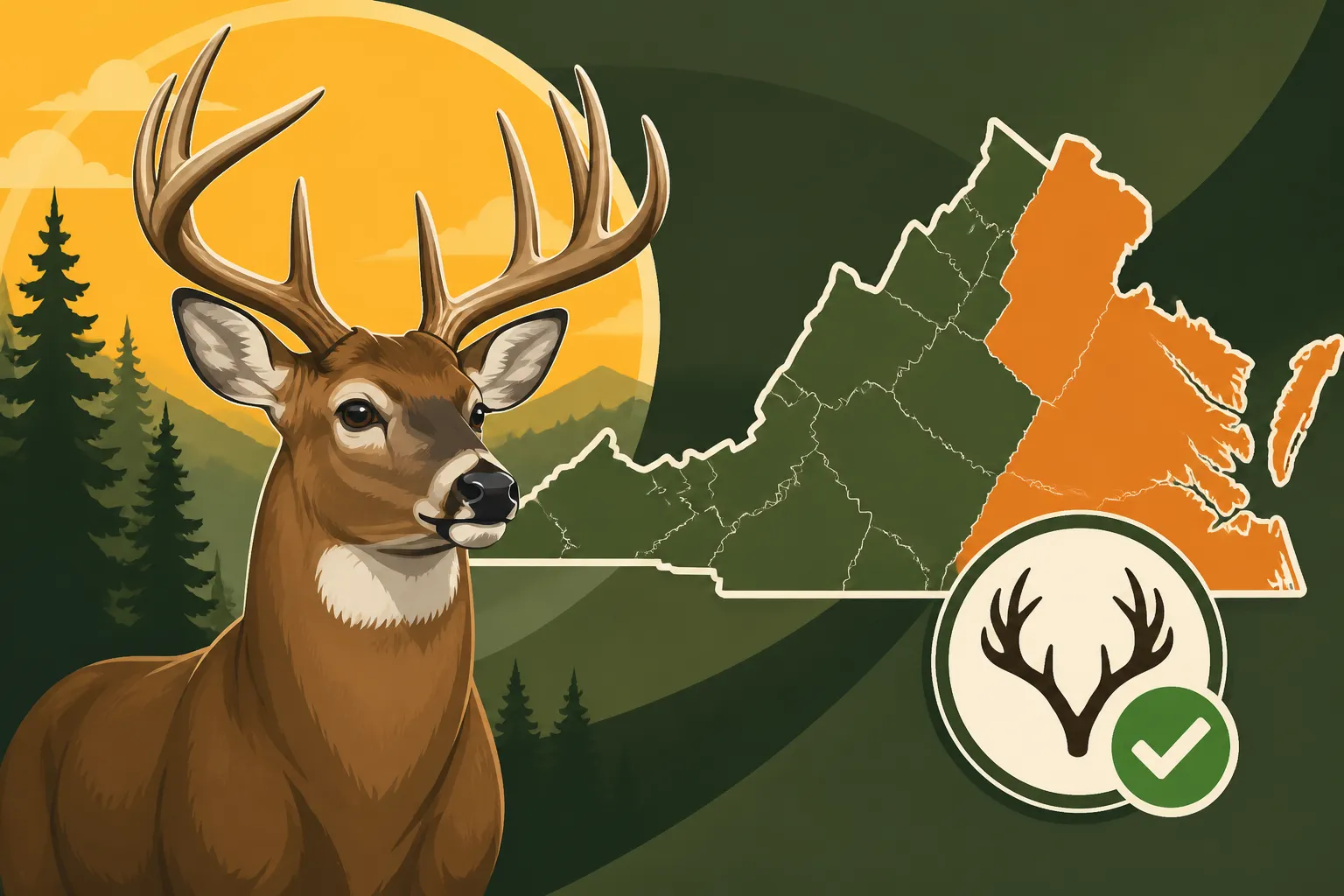
Eastern Region Antlered Buck Limits
Navigating Virginia's deer hunting regulations can sometimes feel like trying to solve a Rubik's Cube blindfolded, especially when you're trying to figure out how many antlered bucks you can harvest. It's not as simple as a statewide number; the rules change dramatically depending on whether you're hunting east or west of the Blue Ridge. This guide aims to clear up all that confusion, focusing specifically on the Eastern Region's antlered buck limits so you can plan your season with confidence.
Understanding Virginia's Regional Divide for Deer Management
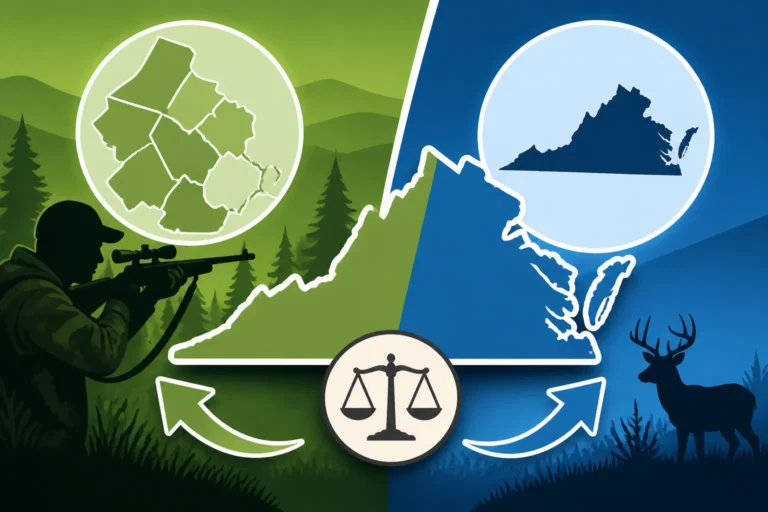
Virginia is a diverse state, from the rugged Appalachians to the flat, fertile coastal plain, and deer populations reflect this varied landscape. The Virginia Department of Wildlife Resources (DWR) manages deer differently in these distinct environments, primarily splitting the state into two major regions: East of the Blue Ridge and West of the Blue Ridge. This isn't just an arbitrary line on a map; it's a critical boundary for deer management strategies, affecting everything from season lengths to, most importantly, your antlered buck limits.
Why the Blue Ridge Divides Deer Management
The Blue Ridge Mountains aren't just a beautiful geological feature; they represent a significant ecological and cultural divide that impacts how deer thrive and how hunting is approached. West of the Blue Ridge, you generally find more rugged terrain, larger tracts of public land like the George Washington and Jefferson National Forests, and often lower deer densities in some areas. Hunting here often means more physically demanding climbs and glassing vast slopes. East of the Blue Ridge, however, the landscape typically transitions into rolling hills, extensive farmland, suburban woodlots, and the sprawling Tidewater region. This Eastern landscape generally supports higher deer densities due to abundant food sources in agricultural fields and burgeoning suburban areas. The DWR recognizes these differences and tailors regulations to ensure sustainable deer populations and a quality hunting experience across the state. This regional approach is fundamental to understanding Virginia's deer season structure, including specific rules like those for Virginia Deer Season Structure Explained.
Delineating the Eastern Region Boundary
So, where exactly is this invisible line? The Eastern Region, for deer management purposes, encompasses all counties and cities east of the Blue Ridge Mountains. This includes a vast swath of the state, from the Northern Virginia suburbs down to the North Carolina border, and everything stretching out to the Chesapeake Bay and the Atlantic Ocean. Essentially, if you're not hunting in the true mountain counties, you're likely in the Eastern Region. This distinction is crucial because the bag limits and antlerless requirements can vary significantly from those in the western part of the state. It’s always a good idea to double-check the specific county regulations you plan to hunt in, as there can be local exceptions, especially with the increasing presence of Chronic Wasting Disease (CWD) management zones. Understanding this geographical division is your first step to being a compliant and effective deer hunter in Virginia.
Eastern Region Antlered Buck Regulations
Now, let's get down to the nitty-gritty: the actual limits on antlered bucks in Virginia's Eastern Region. This is where many hunters, especially those new to the state or venturing into a new region, can get tripped up. The general rule is more generous than in the Western Region, but it comes with a significant caveat.
The Two-Buck Annual Limit
For most of the Eastern Region, hunters are permitted to harvest two antlered bucks per license year. This means that from the start of archery season in the fall until the very end of the late firearms season in January, you can legally tag two bucks that meet the antlered deer definition. This applies whether you're bowhunting in September, enjoying the early muzzleloader season, or out during the peak of the general firearms season. It offers a fair bit of flexibility, allowing hunters to fill their freezer with venison or hold out for a mature buck without worrying about hitting a very restrictive one-buck limit like some other states. However, this isn't a free-for-all. One of these two bucks must be taken during the statewide archery season or the muzzleloader season. This is a deliberate management strategy to help distribute hunting pressure and reduce the harvest of younger bucks during the more popular firearms season. It’s important to remember that this "one during archery or muzzleloader" rule is a cornerstone of the Eastern Region's antlered buck management. This rule is a key part of how Virginia Deer Season Structure Explained impacts your overall harvest.
The "One Before the Third" Rule for Antlered Deer
Here's where it gets a little more complex and where many hunters make mistakes. While you can tag two antlered bucks, there's often a prerequisite to tagging your second buck: you must have harvested at least one antlerless deer before you can take your second antlered buck. This is commonly referred to as the "earn-a-buck" or "one-before-the-third" (referring to antlered deer, not total deer) system, although the DWR terminology focuses more on the sequential nature of reporting. This rule is designed to encourage antlerless harvest, which is crucial for managing deer populations, especially in the Eastern Region where densities can be quite high. By removing does, hunters help control the overall herd size, reduce agricultural damage, and keep the buck-to-doe ratio healthier, leading to better antler growth and breeding success. So, if you've already taken an antlered buck, make sure you've also tagged an antlerless deer before setting your sights on that second trophy. If you’re unsure, it’s best to err on the side of caution and harvest a doe first. This regulation is a critical aspect of How Many Does You Must Take Before a Third Buck in Virginia, reinforcing the DWR's population control goals.
The "Earn-a-Buck" System and Antlerless Requirements
The "earn-a-buck" concept, while not universally applied in Virginia under that specific name, is functionally present in the Eastern Region's deer management strategy, primarily through the antlerless deer requirements tied to your buck tags. This system is about balancing the harvest and ensuring proper herd management.
How Antlerless Deer Harvest Influences Your Buck Tags
In the Eastern Region, the DWR heavily emphasizes the harvest of antlerless deer. This is because high doe populations can lead to overbrowsing, poor deer health, and an imbalanced sex ratio. To encourage hunters to take does, the regulations often link additional buck opportunities to antlerless harvests. As mentioned, while you can take two bucks, you typically need to harvest an antlerless deer before you can tag your second buck. This incentivizes you to remove a doe first, contributing to population control. Many hunters find themselves prioritizing does early in the season, especially during archery or muzzleloader, knowing that it opens up more options for their second buck later on. This isn't just about filling tags; it's a vital part of herd health. You'll find detailed specifics on these rules in the DWR regulations, clarifying Virginia Antlerless Deer Requirements. When you're using tools like the GoHunt app for scouting and planning, it's easy to track your harvests and understand these layered requirements.
Exceptions and Special Antlerless Opportunities
While the general rule of harvesting an antlerless deer before your second buck is solid, Virginia also offers various opportunities to take antlerless deer throughout the season, providing flexibility for hunters. Many counties in the Eastern Region have liberal antlerless seasons that often run concurrently with archery, muzzleloader, and general firearms seasons. These can be particularly generous during the early archery season, the opening weeks of muzzleloader, and often extend well into the late firearms season in January. Some areas, particularly those in suburban or agricultural zones with high deer densities, might even have expanded antlerless opportunities or extended seasons. Understanding these specific local regulations is key. For instance, in an Urban Archery Zone, antlerless deer are often the primary target, and you might have ample opportunities to fill those tags early. Always consult the DWR's annual hunting regulations for the specific county or city you plan to hunt, as these can be updated yearly. Using a mapping application like GoHunt can help you identify these specific zones and plan your hunts accordingly, ensuring you know exactly where and when you can take antlerless deer.
Impact of Management Zones on Buck Limits
While the East/West of the Blue Ridge divide is the primary factor, Virginia has also established specific management zones, particularly related to Chronic Wasting Disease (CWD), which can further modify deer hunting regulations, including antlered buck limits or carcass movement restrictions. Ignoring these can lead to serious consequences.
Chronic Wasting Disease (CWD) Management Areas
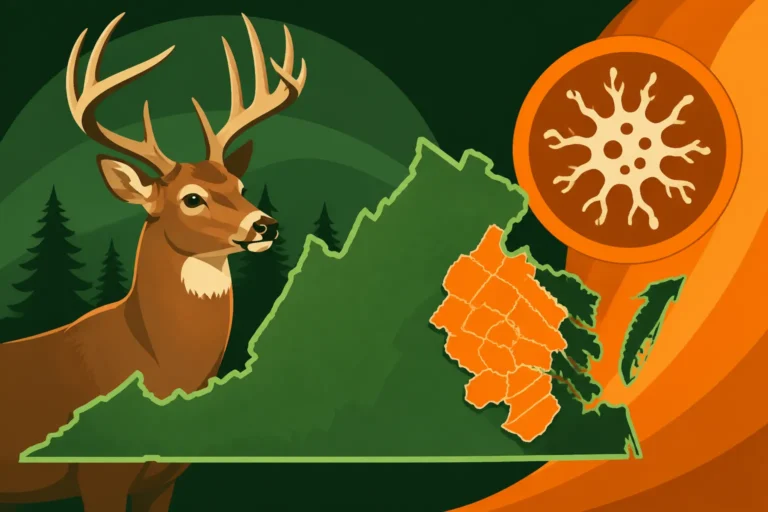
Chronic Wasting Disease (CWD) is a serious concern for Virginia's deer herd, and in response, the DWR has designated several CWD Management Areas (DMAs). These areas are subject to stricter regulations designed to monitor and control the spread of the disease. While the general two-buck limit for the Eastern Region usually remains, DMAs might introduce additional rules. For instance, mandatory CWD testing for harvested deer is common in these zones, and special carcass transport restrictions are often in place to prevent hunters from moving potentially infected deer parts out of the DMA. Some DMAs, particularly in areas with higher CWD prevalence, might even have increased antlerless harvest incentives or specific rules around antler point restrictions, though these are less common for buck limits themselves. It is crucial to be aware if your hunting ground falls within one of Virginia's CWD areas. The DWR provides detailed maps and updated information annually, which you can often cross-reference with mapping tools like GoHunt. You can find more information about Virginia's Eighteen CWD Counties to see if your area is affected.
Local Ordinances and Other Special Regulations
Beyond statewide and CWD-specific regulations, some counties or cities in the Eastern Region may have their own unique ordinances or special management programs that affect deer hunting. These are often found in more populated or suburban areas where traditional firearms hunting might be restricted, leading to archery-only zones or specific harvest quotas. For example, some jurisdictions might have designated Urban Archery Zones that operate under slightly different rules or have specific dates for archery seasons that differ from the statewide calendar. These local rules often aim to reduce deer populations in areas where deer-vehicle collisions are high or where deer are causing significant damage to landscaping. While these generally impact antlerless harvest more than buck limits, it's not unheard of for specific local rules to influence how many bucks you can take or the methods you can use. Always check with the local county or city clerk's office and the DWR regulations for any special provisions in your target hunting area. The DWR app is an invaluable resource for this, providing the most current information for specific locations, complementing the robust mapping features of platforms like GoHunt that display different hunting zones.
Practical Strategies for Managing Your Tags
With all these rules and regulations, it can feel like you need a spreadsheet to keep track of your tags. But with a bit of planning and strategic thinking, managing your Eastern Region buck limits becomes much more straightforward.
Planning Your Harvest Season
Before you even step foot in the woods, take some time to plan your season. Look at the DWR regulations for your specific county and understand the general two-buck limit, the requirement to take one during archery or muzzleloader, and the antlerless prerequisite for your second buck. Decide what your goals are: are you primarily focused on filling the freezer, or are you holding out for a mature buck? If you want two bucks, consider trying to harvest your first buck during the early archery season. This not only fulfills that "archery or muzzleloader" requirement but also gets an antlered tag out of the way, allowing you to focus on an antlerless deer and then your second buck later in the season. Utilizing a mapping and planning app like GoHunt can be incredibly helpful here, allowing you to mark potential stand locations, food sources, and even track your harvests as the season progresses. This foresight can prevent confusion and ensure you stay within legal limits. For more strategies, consider learning about Filling a Six-Deer Eastern Limit which often involves careful tag management.
Prioritizing Antlerless Deer Early
Given the Eastern Region's regulations, prioritizing antlerless deer early in the season is a smart move for several reasons. First, it helps you meet the prerequisite for your second buck. By taking a doe during the archery or muzzleloader season, you clear the way for both of your potential antlered tags later on. Second, early season conditions are often warmer, which means better meat care for your deer. Getting a doe in the freezer early reduces pressure and allows you to be more selective for bucks during the rut or late season. Third, it directly contributes to healthy herd management by keeping populations in check. Many experienced hunters in Virginia will focus exclusively on antlerless deer for the first few weeks of archery or even early muzzleloader, knowing that doing so sets them up for a successful and compliant season. This proactive approach not only helps you maximize your buck tags but also makes you a more responsible conservationist.
Comparing Eastern and Western Region Buck Limits
To truly grasp the Eastern Region's specific rules, it's incredibly helpful to see them in contrast to the Western Region. This comparison highlights the DWR's adaptive management strategies across Virginia's diverse landscapes.
| Feature | Eastern Region (East of Blue Ridge) | Western Region (West of Blue Ridge) |
|---|---|---|
| Antlered Buck Limit | 2 antlered bucks per license year | 1 antlered buck per license year |
| Archery/Muzzleloader Rule | 1 of the 2 bucks MUST be taken during archery or muzzleloader season | No specific "archery/muzzleloader" requirement for the single buck |
| Antlerless Prerequisite | Typically, one antlerless deer must be taken before the 2nd antlered buck. | No specific antlerless prerequisite for the single buck, but antlerless limits vary. |
| Deer Densities | Generally higher, especially in agricultural and suburban areas | Generally lower, especially in large forest tracts (can be pockets of high density) |
| Hunting Pressure | Varies greatly, can be very high near populated areas | Moderate to high on public lands, less on private |
| Management Focus | Population control, agricultural damage mitigation, balanced sex ratios | Population health, quality deer management, limited habitat pressure |
This table clearly illustrates the more liberal buck limit in the Eastern Region, but also the important conditions attached. The primary difference, of course, is the additional antlered buck opportunity, which comes with the specific requirement that one be taken during the archery or muzzleloader seasons. This structure is a direct reflection of East Versus West of the Blue Ridge Bag Limits and the DWR's adaptive management approach.
Common Misconceptions and Clarifications
Even with the regulations laid out, misunderstandings can persist. Let's tackle some of the most common myths and provide clear clarifications regarding Eastern Region buck limits.
"I Can Take Two Bucks Anytime I Want."
This is perhaps the most common misconception. While the Eastern Region does allow for two antlered bucks, it's not an unlimited "take when you see them" scenario. Remember the crucial caveat: one of those two bucks MUST be taken during either the statewide archery season or the muzzleloader season. You cannot simply wait until the general firearms season, bag two bucks, and call it a day. The DWR specifically designed this rule to spread out the buck harvest and reduce pressure on bucks during the peak of the firearms season. So, if you're a firearms-only hunter, and you didn't take an archery or muzzleloader buck, you're effectively limited to one antlered buck during the firearms season. This is a critical detail to get right, and checking the specific dates for Virginia Statewide Archery Season Dates and Virginia Early Muzzleloader Season Dates is essential for planning.
"Antlerless Deer Don't Count Towards My Total Limit."
This is a tricky one, and it's essential to understand the difference between antlered and antlerless limits. While antlerless deer have their own generous bag limits in the Eastern Region (often up to six per license year, or even more in some specific urban/suburban zones), they do indirectly impact your antlered buck limit. As discussed, you usually need to harvest an antlerless deer before you can take your second antlered buck. So, while an antlerless deer doesn't count as one of your two buck tags, taking one is often a prerequisite for maximizing your buck opportunities. Furthermore, all harvested deer, antlered or antlerless, count towards your overall season limit (e.g., six deer per license year in the Eastern Region, with antlerless opportunities often allowing you to fill most of that limit with does). Always report every deer you harvest; that's where Virginia Deer Reporting Requirements come into play. Staying organized, perhaps with a logging feature on a tool like GoHunt, will prevent any missteps here.
"The Rules Are the Same Everywhere East of the Blue Ridge."
While the general framework of two bucks (with conditions) applies to the Eastern Region, it's a mistake to assume every county or even every part of a county operates under identical rules. Local ordinances, specific CWD management zone regulations, or even unique urban archery zone rules can introduce subtle but important variations. For instance, an urban archery zone within the Eastern Region might have specific antlerless limits or even antler point restrictions that don't apply to a rural county just a few miles away. Always, always check the current DWR regulations for the specific county or city you intend to hunt. The DWR website and its annual regulations digest are your go-to sources for this hyper-local information. A good mapping application can help you verify these boundaries and regulations for your exact hunting area. This diligent approach will ensure you are compliant and avoid any unintended violations.
Final Thoughts on Eastern Virginia Buck Limits
Hunting in Virginia's Eastern Region offers fantastic opportunities for deer hunters, thanks to healthy deer populations and relatively generous bag limits. However, to make the most of your season and remain compliant, it's absolutely essential to understand the nuances of the antlered buck regulations. Remember the two-buck limit, the crucial requirement of taking one of those bucks during archery or muzzleloader season, and the common prerequisite of harvesting an antlerless deer before your second buck. By staying informed, planning your hunts strategically, and always consulting the most current DWR regulations for your specific hunting location, you'll be well on your way to a successful and ethical deer season in the Old Dominion. Tools like GoHunt can be invaluable in scouting, planning, and keeping track of your harvests. Happy hunting!
Disclaimer
Please remember that hunting regulations can change. While this guide aims to provide accurate and up-to-date information, it is your responsibility to consult the official Virginia Department of Wildlife Resources (DWR) regulations annually for the most current and specific rules that apply to your hunting area. This content is for informational purposes only and should not be considered legal advice.