Virginia CWD Testing for Hunters
The apprehension that comes with harvesting a magnificent Virginia deer, only to have the specter of Chronic Wasting Disease (CWD) loom over your successful hunt, is a profoundly unsettling experience. We've all been there, wondering if the venison we plan to share with our families is truly safe. As CWD continues its slow, methodical spread, understanding the nuances of testing requirements and available options isn't just a regulatory chore; it's fundamental for both peace of mind and the sustained health of our cherished deer populations. This comprehensive guide aims to demystify CWD testing for Virginia hunters, offering clear, actionable information to help you navigate this critical aspect of modern hunting.
Understanding Chronic Wasting Disease and Its Impact
CWD isn't just another wildlife disease; it's a game-changer for deer management and hunting traditions across North America, and Virginia is no exception. It’s a relentless, always-fatal neurological illness that impacts cervids like deer, elk, and moose. The more we understand it, the better equipped we are to manage it responsibly.
What Exactly is CWD and How Does it Spread?
At its core, CWD is caused by abnormal proteins called prions, which are essentially misfolded versions of normal cellular proteins. Unlike bacteria or viruses, these prions are not living organisms, which makes them incredibly resilient and difficult to destroy. Once these rogue prions infect an animal, they slowly convert normal proteins into more misfolded ones, eventually riddling the brain with microscopic holes, leading to inevitable death. It's a truly insidious disease, slowly stealing the life from its host.
The way CWD spreads is particularly concerning, making it a persistent threat. Transmission primarily occurs through direct contact between infected and healthy animals, often via saliva, urine, or feces. Imagine a deer licking a branch, then another healthy deer coming along and doing the same, picking up residual prions. Even more troubling is the disease's ability to contaminate the environment. Prions can persist in soil, on plants, and in water for years, even decades, meaning an area where an infected deer once lived can remain a source of infection long after the animal is gone. This environmental persistence is what makes CWD such a formidable foe, as eradicating it from a landscape once established is an incredibly complex, if not impossible, task.
When a deer is infected, the prions slowly accumulate, and the incubation period can last for years before any clinical signs become apparent. During this time, the infected animal, looking outwardly healthy, can shed prions into the environment, unknowingly spreading the disease. Eventually, the disease progresses, leading to severe weight loss, listlessness, drooping ears, excessive salivation, and a general lack of coordination. This grim progression is why CWD is often sensationally, but descriptively, referred to as "zombie deer disease," highlighting its debilitating and ultimately fatal nature.
Why CWD is a Major Concern for Virginia Hunters
For many of us, hunting isn't just a hobby; it's a way of life, a connection to nature, and a source of healthy, organic meat for our families. The presence of CWD introduces a layer of anxiety to this tradition. While there's currently no scientific evidence that CWD can infect humans, the Centers for Disease Control and Prevention (CDC) still advises against consuming meat from CWD-positive animals. This uncertainty alone is enough to cause significant concern among hunters who rely on venison as a food source. The thought that your carefully processed harvest could be compromised is a legitimate worry, and it’s one that DWR takes very seriously.
Beyond the immediate food safety concerns, CWD poses a significant threat to the long-term health and stability of Virginia's deer populations. A widespread outbreak could lead to declining deer numbers, impacting hunting opportunities for generations to come. Imagine once-thriving hunting grounds becoming sparse, or strict regulations limiting tags and seasons to curb the spread. This potential future deeply troubles hunters who cherish the heritage and ecological balance that a healthy deer herd represents. It's a direct threat to the very fabric of our outdoor pursuits and the conservation efforts we collectively support through license sales and excise taxes.
As hunters, we are often described as the frontline conservationists, and for good reason. We are the first to notice changes in the environment and in game populations. This deep connection to the land and its wildlife instills in us an ethical responsibility to act when threats emerge. Participating in CWD testing, adhering to regulations, and helping to minimize the disease's spread is a moral obligation to protect the resource we value so highly. The Virginia Department of Wildlife Resources (DWR) cannot fight this battle alone; it requires the active, engaged partnership of every hunter who takes to the woods. Your cooperation isn't just compliance; it's an investment in the future of Virginia hunting.
Virginia's CWD Management Strategy: Disease Management Areas (DMAs)
The Virginia DWR has implemented a strategic approach to managing CWD, primarily through the designation of Disease Management Areas (DMAs). These zones are critical to understanding where CWD is present, where it's a high risk, and what specific rules hunters must follow to help contain it.
Defining Virginia's CWD Zones and Their Boundaries
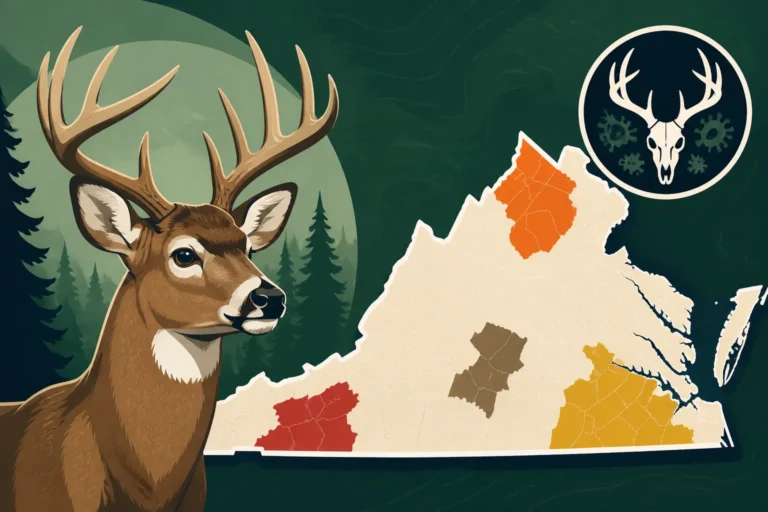
Virginia currently manages CWD through multiple DMAs, each with specific boundaries and regulations. These areas are established in counties where CWD has been detected in wild deer populations or where there is a significant risk of its introduction or spread. The DWR regularly updates these boundaries as new information becomes available, so staying informed is crucial. For instance, you’ll find that Virginia's Eighteen CWD Counties are generally divided into these larger zones.
DMA1, for example, encompasses a significant portion of the Shenandoah Valley, particularly counties like Frederick, Clarke, Warren, Shenandoah, and parts of others. This area has been a focal point since the initial detection of CWD in Virginia. The specific rules for hunting in this region are meticulously outlined, and hunters need to pay close attention to the DMA1 Shenandoah Valley Rules. Moving eastward, DMA2 covers parts of Northern Virginia, including counties like Loudoun and Fauquier, which were added as the disease slowly expanded. Understanding the DMA2 Northern Virginia Rules is essential if you hunt in those suburban-rural transition zones. Further south and west, more recent detections have led to the establishment of DMA3 and DMA4 in the Southwest Coalfields region. Though newer, the DMA3 and DMA4 Southwest Virginia Rules are just as critical for hunters operating in that unique landscape.
It's natural to feel a bit overwhelmed by the shifting boundaries and specific county rules. Many hunters express frustration about the patchwork of regulations, especially when their hunting grounds might span a DMA line. However, these zones are not arbitrary; they are scientifically determined based on confirmed cases, herd movements, and environmental factors. They represent DWR’s best effort to contain a highly persistent and damaging disease. Regular consultation of the DWR website or their Go Outdoors Virginia app before each season is vital to ensure you're hunting within the current guidelines.
Special Regulations Within DMAs Affecting Hunters
Hunting within a CWD DMA comes with specific regulatory adjustments that are designed to minimize the human-assisted spread of the disease. These regulations can certainly feel restrictive, but they are absolutely necessary. The most impactful rules typically revolve around carcass movement, supplemental feeding bans, and mandatory testing periods.
One of the most common frustrations hunters encounter is the carcass movement restriction. If you harvest a deer within a DMA, you generally cannot transport the whole carcass out of that DMA. This rule exists because high-risk parts like the brain, spinal cord, and lymphatic tissues are where CWD prions are most concentrated. Moving these parts out of a DMA could unknowingly introduce the disease to new, healthy areas. We’ll delve deeper into what parts can be moved later, but it often requires careful field dressing and boning out your animal. Understanding Moving a Deer Carcass Out of a DMA is paramount to avoiding potential legal issues and protecting the broader deer population.
Another significant regulation often found in DMAs is a ban on supplemental feeding and baiting. This isn't just about ethics; it's about epidemiology. When deer congregate at bait piles or feeders, it creates a hot zone for disease transmission. Increased nose-to-nose contact and shared saliva means prions can be exchanged more readily, accelerating CWD spread. Virginia enforces a Virginia's Twenty-Five-Mile Feeding Ban around known CWD positive areas, which often aligns with DMA boundaries. This ban extends to mineral blocks, corn, or any other attractants. For hunters who rely on these methods, adapting to this rule can be a major shift in strategy, but it’s a direct action taken to protect the herd.
Then there’s mandatory testing, which we'll explore in detail in the next section. These special regulations, while sometimes inconvenient, are the backbone of Virginia's CWD containment strategy. It means doing things differently than we might have in the past, but it's a necessary evolution of responsible hunting in the face of a persistent threat. Your adherence to these rules directly contributes to slowing the spread and preserving our hunting future.
Mandatory CWD Testing: Your Role in the Fight
When CWD is detected in a specific area, the Virginia DWR often implements periods of mandatory CWD testing. This isn't just a suggestion; it's a requirement for hunters who harvest deer in designated areas during specific times. It's a critical tool for monitoring the disease and understanding its prevalence.
When and Where Mandatory Testing Occurs
Mandatory CWD testing periods are strategically scheduled to coincide with peak hunting activity, typically the opening weekends of general firearms season in affected DMAs. For example, if you’re hunting in a county within DMA1 during the first weekend of firearms season, any deer you harvest will likely fall under mandatory testing requirements. These specific dates and locations are not uniform statewide and are announced well in advance by the DWR each year. It's essential to check the most current regulations for your specific hunting county before you head out.
To make the process as accessible as possible, the DWR sets up designated CWD check stations and drop-off locations throughout the mandatory testing zones. These might be manned stations at local fire departments, game processing facilities, or self-service kiosks at public land access points. Finding these locations can sometimes be tricky, especially if you’re hunting a new area or don’t have cell service. Thankfully, the DWR website is always the most up-to-date source, but tools like the Go Outdoors Virginia app and even third-party hunting apps like GoHunt can help you locate the nearest sampling sites. Don't leave it to chance; know exactly where you're going to take your deer's head for sampling before you pull the trigger.
It's important to stress that "mandatory" truly means mandatory. Failing to submit a deer for testing when required can result in penalties, as it undermines the DWR's efforts to track and manage the disease. Imagine the frustration of having a successful hunt only to realize you’ve violated a regulation unintentionally because you weren't fully informed. That's why pre-season research and staying current with DWR announcements are paramount. These testing periods are inconvenient, yes, but they provide invaluable data that helps determine the geographic spread and prevalence of CWD, guiding future management decisions.
The Process: What to Expect at a CWD Check Station
So, you’ve made a successful harvest within a mandatory testing zone, and now you’re heading to a check station. What exactly should you expect? The process is designed to be as efficient as possible, but it does require your cooperation and a bit of your time. Typically, you'll need to bring the head of your harvested deer, often with the brainstem and upper neck still attached, to the sampling site. You’ll also need your valid Virginia hunting license and the confirmation number from your successfully reported deer (which you’ve already done through the DWR’s online system or app, right?).
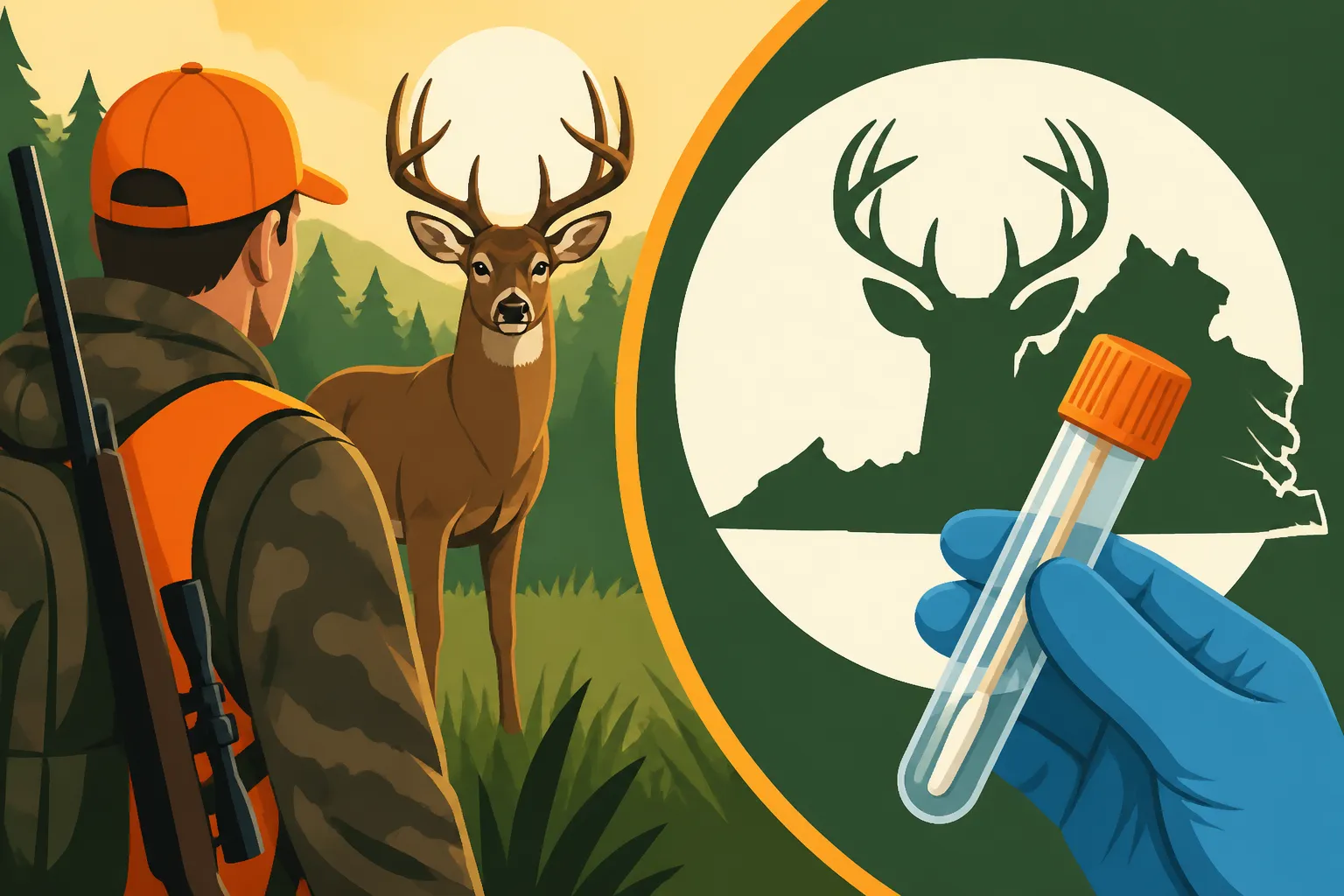
Once at the station, DWR staff or trained volunteers will collect specific tissue samples. This usually involves removing the retropharyngeal lymph nodes located in the throat area, or a portion of the obex, which is part of the brainstem. These tissues are chosen because they are prime locations for CWD prions to accumulate early in the disease progression. The sampling process itself is quick and relatively clean, but it can be a bit unsettling if you're not used to it. The DWR staff are usually excellent at explaining what they are doing and why.
One of the biggest frustrations for hunters is the wait for test results. While the tissue samples are sent to a lab, you typically cannot retrieve the high-risk parts of your deer until the results are back, or you may be required to dispose of them within the DMA if you wish to take the rest of your carcass home immediately. This can mean delaying your butchering plans or making special arrangements for storage. It’s a hassle, I know. You've just dragged a deer out of a hollow, you're tired, and now you have to drive to a check station, possibly wait in line, and then maybe not even take your deer home immediately. It feels like another hoop to jump through after all that hard work. But remember, this diligent sample collection is how we keep a finger on the pulse of CWD, identifying new cases and tracking its movement, all to protect Virginia's deer and our hunting heritage.
Voluntary Testing: Going Above and Beyond
While mandatory testing is crucial in known CWD zones, voluntary testing offers a vital opportunity for hunters outside these areas to contribute to early detection and broader surveillance efforts. It's a proactive step that every responsible hunter should consider.
How to Participate in Voluntary CWD Testing
For deer harvested outside the specific mandatory testing dates and locations, or in counties not currently designated as DMAs, voluntary testing is often available. This is where you, the hunter, can truly go above and beyond in your conservation efforts. The DWR encourages this participation because it helps fill in the gaps in their surveillance data, providing a more comprehensive picture of CWD presence (or absence) across the state. The more samples submitted, the clearer the map of the disease becomes.
The process for voluntary testing is designed for convenience. The DWR typically provides various options, including permanent self-service kiosks or designated drop-off points at specific DWR offices or wildlife management areas. These kiosks often have detailed instructions, sterile sample bags, and collection tools. You might be asked to collect the lymph nodes yourself (following clear instructions provided) and place them in a labeled bag with your harvest information. It’s a straightforward procedure, but precision is key to ensure the sample is viable for laboratory analysis.
Participating in voluntary testing doesn't just offer peace of mind for you; it directly contributes to the DWR's ability to monitor Virginia CWD Prevalence in the Shenandoah Valley and other regions. If CWD is detected in a new area through a voluntary sample, it allows wildlife managers to respond more quickly, potentially implementing new management strategies before the disease becomes widespread. It's an anonymous but incredibly valuable contribution to the collective knowledge base, and it reinforces the hunter's role as a key partner in wildlife management.
The Benefits of Voluntary Testing for Hunters and Wildlife
The immediate benefit of voluntary testing for individual hunters is, without a doubt, personal peace of mind. Knowing that the venison you're putting on your table has been tested and found free of CWD prions can alleviate significant anxiety. For many, this reassurance alone is well worth the small effort required to submit a sample. It allows you to fully enjoy the fruits of your labor without that nagging doubt in the back of your mind.
Beyond the individual benefit, voluntary testing is an indispensable tool for wildlife management. Every submitted sample, whether positive or negative, contributes to the DWR's understanding of CWD's geographical spread and prevalence throughout the state. Imagine if CWD silently spread into a new county for years before detection. Voluntary testing acts as an early warning system, significantly increasing the chances of detecting the disease in new areas before it becomes entrenched. This proactive data collection is crucial for developing effective, targeted management strategies.
Think of it as community science. While the DWR conducts its own targeted surveillance, they can't be everywhere at once. Hunters, spread across diverse landscapes, are uniquely positioned to collect samples from various locations. Your participation in voluntary testing directly informs critical decisions about where to implement feeding bans, intensify surveillance, or establish new DMAs. It’s an investment in the future of Virginia’s deer herd and the long-term sustainability of hunting. By taking that extra step, you're not just harvesting; you're actively safeguarding the resource for future generations.
Carcass Management and Safe Handling Practices
Once you've harvested a deer, especially within a DMA or if you're considering CWD testing, proper carcass management and safe handling are paramount. These practices aren't just about minimizing CWD risk; they're about overall hygiene and respecting the animal you've taken.
Navigating Carcass Movement Restrictions Post-Harvest
The regulations surrounding carcass movement from a DMA can be a significant point of confusion and frustration for hunters. The golden rule is clear: you cannot move a whole, intact deer carcass out of a designated CWD Disease Management Area. This rule is in place to prevent the accidental transportation of CWD prions from an infected area to a clean one. Imagine unknowingly carrying infected brain or spinal cord tissue into a county where CWD has never been detected – that’s the scenario DWR is trying to prevent.
However, this doesn't mean your entire harvest is confined to the DMA. Certain parts are permitted for transport. You can typically move deboned meat, as the muscle tissue is considered to have a very low risk of containing CWD prions. This often means field-dressing your deer and then carefully deboning it at your hunting camp or a local processor within the DMA before heading home. Additionally, clean skull plates (with antlers attached but all brain tissue removed), hides and capes (completely free of any visible flesh or fat), and detached antlers or teeth are generally permitted. It’s absolutely critical that any skull or skull plate intended for transport has all brain material meticulously removed. Water pressure and scrubbing can help ensure it's clean.
This means you’ll need to adjust your processing plans. If you usually take your deer whole to a processor outside the DMA, you'll need to find one within the zone or be prepared to do the deboning yourself. This can be a chore, especially after a long day of hunting, but it’s a non-negotiable step to comply with regulations and protect the broader deer population. Always consult the DWR’s current regulations for the most up-to-date information on Moving a Deer Carcass Out of a DMA, as rules can change. Understanding these restrictions is fundamental to being a responsible hunter in Virginia’s CWD landscape.
Proper Disposal and Processing for CWD-Positive or Untested Deer
What happens if your deer tests positive for CWD, or if you choose not to test and are hunting within a DMA? Proper disposal of high-risk parts is crucial. The DWR provides specific guidelines for disposing of materials that are most likely to contain CWD prions, such as the brain, spinal cord, eyes, spleen, and lymphatic tissues. These parts should ideally be disposed of in a permitted landfill within the DMA. This prevents prions from contaminating the local environment where other deer might encounter them. Simply leaving high-risk parts in the woods, even within a DMA, is discouraged as it contributes to environmental contamination and the long-term persistence of the disease.
For the meat itself, if a deer tests positive for CWD, the DWR, following CDC recommendations, advises against consuming it. This can be a devastating blow to a hunter, both emotionally and in terms of lost venison. However, it's a necessary precaution. If you process your own deer, maintaining good hygiene is important, even if the deer is untested or negative. Use disposable gloves, thoroughly clean knives and processing surfaces with a bleach solution, and avoid cross-contamination. These are good practices for food safety regardless of CWD status. For deer harvested in DMAs, special attention should be paid to Handling Venison From a Disease Management Area.
Working with local butchers and taxidermists in CWD-affected areas is also important. Many processors and taxidermists in DMAs are well-versed in CWD protocols and can advise on safe handling, disposal, and compliance with regulations. They are a valuable resource for hunters navigating these complex rules. By diligently following DWR guidelines for disposal and processing, hunters play a vital role in preventing the further spread of CWD and ensuring the long-term health of Virginia's deer herd, safeguarding our hunting heritage for future generations.
| Carcass Part | Can Be Moved Out of DMA | Notes |
|---|---|---|
| Whole carcass | No | Must be processed or disposed of within the DMA. |
| Deboned meat | Yes | Meat must be entirely deboned, muscle tissue only. |
| Clean skull plate (no brain tissue) | Yes | Antlers attached to a clean skull plate with all brain and nervous tissue removed. |
| Clean skull (no brain tissue, capes attached) | Yes | Must have all brain and spinal cord tissue meticulously removed. |
| Hides/Capes (no visible tissue) | Yes | Must be free of all flesh, fat, and muscle tissue. |
| Antlers (shed or detached) | Yes | Naturally shed antlers or detached antlers from processed heads. |
| Teeth | Yes | For taxidermy or trophy purposes. |
| Spinal column, brain, lymphatic tissue | No | These high-risk parts must be disposed of within the DMA, ideally in a permitted landfill. |
Resources and Staying Informed
Navigating the complexities of CWD testing and regulations in Virginia requires access to reliable, up-to-date information. Fortunately, the Virginia Department of Wildlife Resources (DWR) provides numerous resources to help hunters stay informed and compliant.
Essential Tools for Virginia Hunters
The primary and most authoritative source for all CWD-related information, including DMA boundaries, mandatory testing dates, and carcass movement regulations, is always the Virginia DWR website. It's updated regularly and should be your first stop before planning any hunt, especially if you're heading into a known CWD area. Don't rely on outdated information from social media or hearsay; go straight to the source.
Beyond the website, the DWR's Go Outdoors Virginia app is an indispensable tool for every Virginia hunter. This app isn't just for purchasing licenses; it also provides access to real-time regulations, allows you to report your harvest, and can often show you maps with CWD check station locations. Being able to access this information on your phone, even in the field, is incredibly helpful. For those who like a broader range of mapping and regulatory features, third-party apps like GoHunt also offer valuable tools for scouting and understanding regulations, often integrating DWR data into their platforms. Having these digital resources at your fingertips can alleviate much of the stress associated with CWD compliance. Whether you're Scouting With the Virginia DWR App or checking boundaries with Using the Go Outdoors Virginia Map Tool, these resources are designed to simplify your hunting experience.
It's also a good idea to subscribe to DWR newsletters or follow their official social media channels. These platforms often provide timely updates about changes in CWD management, new testing requirements, or important reminders as hunting seasons approach. Staying proactive about information gathering can prevent unpleasant surprises and ensure you’re always hunting responsibly and within the law. The responsibility falls on us, the hunters, to seek out and understand these guidelines, and thankfully, the tools are readily available.
Understanding Your Test Results and Next Steps
Once your deer has been sampled for CWD, the waiting game begins. The DWR has a system in place to communicate test results, typically through an online portal where you can check the status using your unique harvest confirmation number. Some hunters may also receive results via mail, especially if a positive result is detected. The turnaround time can vary depending on the volume of samples and lab capacity, but DWR strives to provide results as quickly as possible. This period of uncertainty can be tough, especially when you're eager to get your venison into the freezer.
If your deer tests negative for CWD, you can breathe a sigh of relief. You can proceed with processing and consuming your venison with confidence, knowing you’ve done your part and received a clear bill of health for your harvest. This is the outcome we all hope for, and it validates the effort you put into the testing process.
However, if your deer tests positive for CWD, the DWR will typically notify you directly and provide guidance on the next steps. This can be a profoundly disappointing and emotional experience. After all the effort, expense, and anticipation, learning that your harvest is positive can feel like a punch to the gut. The DWR will strongly advise against consuming the meat and will provide instructions for proper disposal of the entire carcass, usually in a permitted landfill. While losing a deer to CWD is heartbreaking, remember that by participating in the testing, you’ve contributed invaluable data that helps protect the rest of the herd and potentially prevents the disease from spreading further. The DWR understands the impact of a positive test and offers support and clear information to help you navigate this challenging situation. They are committed to transparency and to working with hunters to manage this disease effectively.
Disclaimer
The information provided in this guide is for general informational purposes only and does not constitute legal advice. Hunting regulations and CWD management protocols are subject to change. Hunters are solely responsible for knowing and abiding by all current Virginia Department of Wildlife Resources (DWR) regulations. Always consult the official DWR website or contact them directly for the most up-to-date and accurate information before hunting.