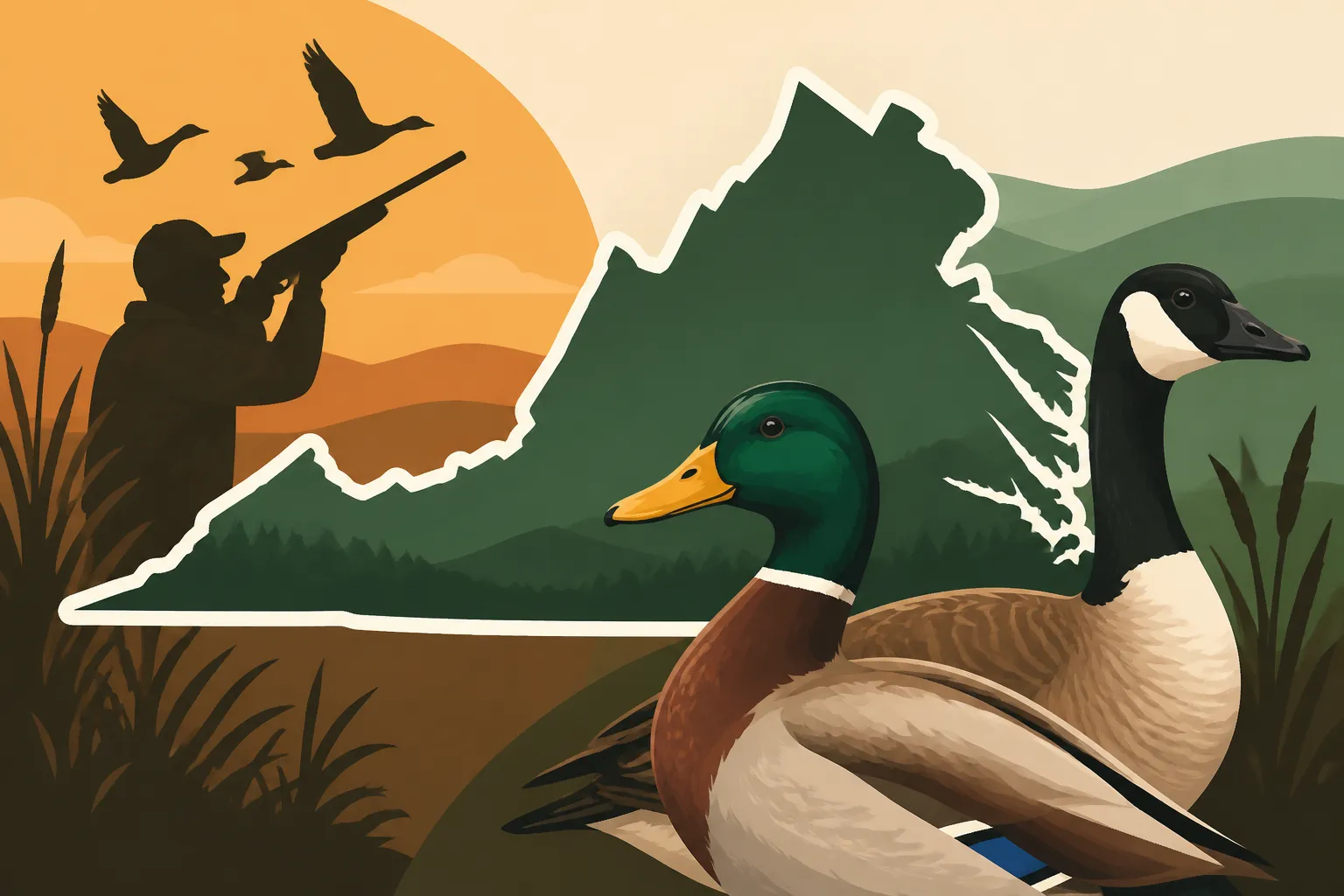
Virginia Duck and Goose Bag Limits
It can feel like you need a law degree just to understand all the duck and goose regulations in Virginia, right? One wrong move, and you're not just short on supper, but potentially facing a DWR officer with a stern look. Between species-specific limits, daily totals, possession rules, and how it all changes by zone and season segment, it's a lot to keep straight. This guide is here to untangle that knot, so you can focus on the sunrise over the marsh and the whistle of wings, instead of fretting over your bag.
Navigating Virginia's Waterfowl Zones and Seasons
Before you even think about how many mallards you can put in the bag, you absolutely must understand Virginia's waterfowl zones. It's not a "one size fits all" state when it comes to duck and goose hunting, and honestly, that’s where a lot of the confusion and frustration can begin for hunters. These zones dictate not just season dates, but sometimes even influence specific bag limits for certain species, reflecting the different migration patterns and local populations across the Commonwealth. Missing these details can quickly turn a successful hunt into a regulatory headache.
Understanding the Geographic Divisions
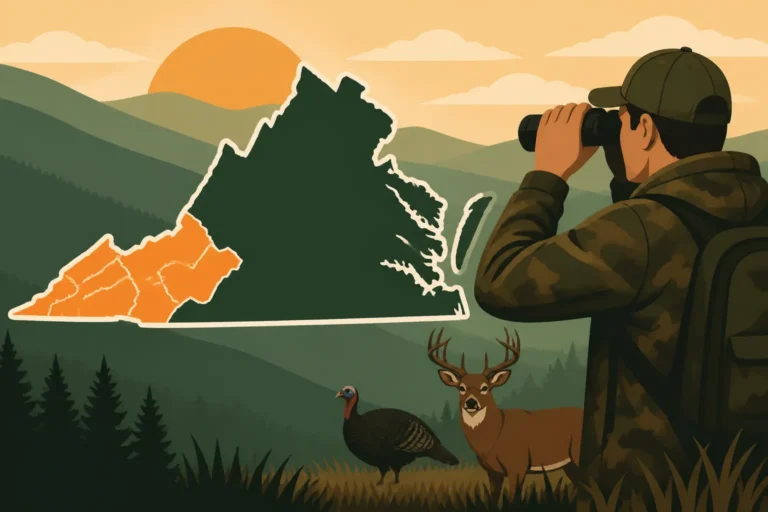
Virginia is carved into three primary waterfowl zones: the Coastal Zone, the Inland Zone, and the unique Back Bay/Currituck Sound Zone. Each of these zones has been established for a reason, primarily to manage waterfowl populations effectively based on how birds use those specific geographic areas. The Coastal Zone generally encompasses the Chesapeake Bay and the Eastern Shore, a critical migration corridor and wintering ground for a vast array of ducks and geese flying down the Atlantic Flyway. Here, you'll find hunters braving the salt marsh, setting out elaborate decoy spreads for divers, or tucked into layout blinds in cut cornfields.
Moving inland, the Inland Zone covers the vast majority of the state, from the rolling Piedmont to the western mountains. This zone sees a different mix of birds, often more dabblers and resident Canada geese, making for different hunting opportunities and challenges. Think smaller rivers, farm ponds, flooded timber, and agricultural fields. Then there’s the Back Bay/Currituck Sound Zone, a truly special and ecologically vital area in southeastern Virginia, bordering North Carolina. Because of its unique ecosystem and the specific way waterfowl utilize it, it operates under its own distinct set of rules and seasons, sometimes even having different duck species restrictions compared to the rest of the Coastal Zone. It's imperative to know which zone your hunting spot falls into; a quick check on the Virginia Department of Wildlife Resources (DWR) website or an app like GoHunt with its layered maps can clarify this in seconds, potentially saving you a lot of grief.
Key Season Dates for Ducks and Geese
Within these zones, the DWR further segments the waterfowl seasons into various periods, typically including an early season, a regular season, and sometimes late-season splits. These splits are crucial because they often correspond to different migration waves and give hunters a chance to pursue birds throughout the fall and winter. For instance, you might have an early teal season, followed by a general duck season that opens later in the fall, pauses, and then reopens for a late-season push of birds. Geese, particularly Canada geese, also have their own specific seasons, including an early resident Canada goose season, which aims to help manage local populations, and then a regular season that typically aligns with migrating birds. These seasons can be lengthy, offering ample opportunity, but it’s essential to be aware that even within a single zone, the specific dates can fluctuate year to year based on federal frameworks and DWR population data.
For example, a hunter targeting early geese in September will face different dates and even different daily limits than someone pursuing Canada geese in December. Youth and apprentice hunters also have special weekends, offering them a chance to experience waterfowl hunting outside of the regular season pressures, often with more liberal mentor-to-hunter ratios. These youth days are a fantastic way to introduce new hunters to the sport, focusing on education and ethical hunting practices. Always check the official DWR regulations annually, as federal frameworks and state-specific adjustments can shift dates slightly. Knowing these windows allows you to plan your scouting trips and prepare your gear well in advance. For a deeper dive into these seasonal variations, take a look at our comprehensive guide on "Virginia Waterfowl Zones and Seasons". You'll find specific dates and zone boundaries detailed there, which are invaluable for planning.
Demystifying Daily Duck Bag Limits
Okay, so you know your zone and your season dates. Now comes the nitty-gritty: how many ducks can you actually shoot in a day? This is where many hunters, especially those new to waterfowl, get tripped up. It’s not just a single number; it's a mosaic of an overall daily bag limit combined with very specific restrictions on certain species. This complexity is born from the need to manage specific duck populations, ensuring that species facing greater conservation challenges aren’t overharvested while allowing for a reasonable take of more abundant birds.
Overall Duck Limit and Species-Specific Restrictions
Currently, Virginia's daily aggregate duck bag limit typically stands at 6 ducks per day. However, this isn't a free-for-all for any six ducks that fly by. Within that six-duck total, there are strict species-specific restrictions that you must abide by. For instance, while you can shoot six ducks, you can usually only harvest a maximum of 4 mallards, and critically, no more than 2 of those can be hen mallards. This specific hen mallard restriction is in place because hens are vital for reproduction, and protecting them helps ensure future generations of ducks. It means you need to be able to identify gender in flight, which takes practice.
Other species also have tight limits. You're typically restricted to 2 black ducks, 2 canvasbacks, 1 pintail, 2 redheads, 2 wood ducks, and often just 1 mottled duck. Scaup (bluebills) have seen varying limits over the years, often fluctuating between 1 and 3 depending on population data, so always confirm their specific limit for the current season. Mergansers have a more generous bag limit, usually 5 per day, but only 2 of those can be hooded mergansers. Scoters, eiders, and long-tailed ducks (often lumped together as "sea ducks") generally have a combined limit, often 5 per day, with specific sub-limits for individual species. These are critically important details. A good field guide, coupled with plenty of time observing ducks in their natural habitat, is your best friend here. It's a real bummer to identify a bird only after you’ve shot it, only to realize it's an over-limit or a protected species. For a complete list of current daily limits, including those for rarer species, refer to the official "Virginia Duck Daily Bag Limit" information provided by the DWR.
Here’s a snapshot of common daily duck bag limits in Virginia, though remember these can change annually, so always double-check the DWR regulations:
| Species / Group | Daily Bag Limit (Example) | Notes |
|---|---|---|
| Total Ducks (Aggregate) | 6 | Total combined for all species |
| Mallard | 4 (2 hen mallards max) | Important hen restriction |
| Black Duck | 2 | |
| Canvasback | 2 | |
| Pintail | 1 | Often the most restricted dabbler |
| Redhead | 2 | |
| Wood Duck | 2 | Beautiful birds, often found in flooded timber |
| Scaup (Bluebill) | 1-3 | Varies yearly; check current regs |
| Mottled Duck | 1 | Less common in Virginia |
| Harlequin Duck | 0 | Federally protected; no harvest |
| Mergansers (all species) | 5 (2 hooded mergansers max) | Includes common, red-breasted, and hooded |
| Scoters, Eiders, Long-tailed | 5 (combined, specific sub-limits apply) | Often referred to as "sea ducks" |
| Gadwall, Wigeon, Shoveler, Green-winged Teal, Blue-winged Teal, Ring-necked, Goldeneye, Bufflehead, Ruddy Duck | Remainder of 6-duck limit after restricted species | These are typically less restricted |
Possession Limits and Ethical Hunting Practices
Beyond the daily bag, there's also a possession limit, which is the maximum number of migratory game birds that may be possessed by any person at any one time. For most ducks and geese in Virginia, the possession limit is three times the daily bag limit. So, if the daily duck limit is 6, your possession limit is 18. This means you can't just keep accumulating birds in your freezer indefinitely; there's a cap on how many you can legally have on hand. This rule is particularly important for hunters who make multiple trips or who might travel with their birds. It's crucial to keep your birds separate from other hunters' birds, especially when hunting in groups or at a camp, to avoid accidental violations. Tagging birds correctly and keeping accurate records can prevent misunderstandings.
Ethical hunting practices extend beyond just staying within the legal limits. It also means making responsible shot selections. No one wants to cripple a bird that flies off to die slowly. Waiting for birds to be in good range, having properly patterned your shotgun, and using the correct ammunition are all part of being a responsible waterfowl hunter. Understanding "Virginia Mallard and Wood Duck Numbers" or other species populations helps you appreciate why these limits are in place – they are a vital conservation tool to ensure sustainable hunting for generations to come.
Understanding Virginia's Goose Bag Limits
Geese are a different beast altogether, both in their behavior and in the way they’re regulated. Virginia sees a significant number of Canada geese, both resident and migratory, along with various species of light geese (Snow and Ross's geese) and even some Brant and White-fronted geese. The bag limits for geese can vary even more dramatically than ducks, not just by zone, but often by specific management zones within the state and distinct season segments designed to target different populations. It can get a bit complex, but knowing these details is absolutely essential for a successful and legal goose hunt.
Canada Goose Regulations by Zone and Season Segment
Canada geese are a cornerstone of waterfowl hunting in Virginia, but their regulations are probably the most nuanced. Virginia participates in federal management frameworks that divide the state into specific Canada goose population zones: primarily the Resident Population Zone (RPZ) and the Atlantic Population Zone (APZ), though some areas might fall under the Southern James Bay Population Zone. These zones are established based on the breeding grounds of the geese that migrate through or reside in Virginia. The early resident Canada goose season, usually in September, is generally quite liberal, often with a daily bag limit of 8 geese per day. This season is specifically designed to target the booming resident Canada goose population, which breeds in Virginia and the Mid-Atlantic states, and can sometimes cause agricultural damage.
However, once the regular duck and goose seasons open, often in October or November, the daily bag limit for Canada geese typically drops significantly, usually to 3 Canada geese per day. This reduction is because the migratory Atlantic Population geese are beginning to move through, and these populations are managed more conservatively. This makes it critical to know not just when you're hunting, but where within the state, as specific county lines can sometimes delineate these management zones. Always consult the DWR's annual migratory bird regulations to confirm the exact boundaries and corresponding bag limits for Canada geese for the current season. Planning your hunt around these population movements and regulations can make a huge difference in your success. Our guide on "Early Goose Season Tactics in Virginia" offers some great advice on how to approach these different seasons effectively.
Light Geese and Other Species
If you're looking for a more liberal goose hunt, light geese – primarily Snow Geese and Ross's Geese – are usually your best bet. These species have seen massive population growth, to the point where they are often overabundant and causing significant habitat destruction in their Arctic breeding grounds. Because of this, federal and state agencies have implemented very liberal bag limits, often 25 light geese per day, with no possession limit during the regular seasons. Additionally, Virginia often participates in the Light Goose Conservation Order, a special season that falls outside of traditional hunting regulations. During the Conservation Order, hunters are allowed to use electronic calls, unplugged shotguns, and often have extended shooting hours, all designed to increase harvest and help control these booming populations.
Beyond Canada and light geese, Virginia also sees limited numbers of other goose species. White-fronted geese, often called "specklebellies," have a much stricter bag limit, typically 1 per day. Brant, a smaller, sea-loving goose species, also have a tight limit, often 1 per day. These species are less common in Virginia's bag, but it's important to be able to identify them to avoid accidental violations. For hunters targeting these less common species, the identification challenge is even greater. The key takeaway for all goose hunting is that proper identification is paramount, as the bag limits vary so widely between species. Understanding the "Virginia Goose Season Dates" will help you further align your expectations and preparation with what's legally possible.
Beyond the Bag: Licensing, Stamps, and Reporting
While knowing your bag limits is paramount, it's only one piece of the waterfowl hunting puzzle in Virginia. There's a whole framework of licenses, stamps, and reporting requirements that every ethical and legal hunter needs to understand and adhere to. Skipping these steps isn't just a minor oversight; it can lead to significant penalties, undermining the conservation efforts that ensure future hunting opportunities for all of us. No one wants their hard-earned birds confiscated because of a paperwork error.
Essential Licenses and Federal Requirements
First and foremost, to hunt waterfowl in Virginia, you'll need a valid Virginia hunting license. This is your foundational permit to hunt any game in the state. Beyond that, migratory bird hunting has additional federal and state requirements. Every waterfowl hunter 16 years of age and older must possess a Federal Duck Stamp. This stamp, often referred to as the "Migratory Bird Hunting and Conservation Stamp," is not just a federal requirement; it's a direct investment in habitat conservation. Ninety-eight cents of every dollar spent on a Federal Duck Stamp goes directly to acquire and protect wetland habitat for migratory birds and other wildlife, which benefits countless species, not just ducks and geese. It's a fantastic program, and it's essential.
In addition to the federal stamp, Virginia also requires a Virginia Migratory Waterfowl Conservation Stamp. This state-specific stamp provides funds directly to Virginia's DWR for waterfowl research, habitat acquisition, and management projects within the Commonwealth. It's Virginia's way of contributing to the broader conservation efforts. Finally, every migratory bird hunter, regardless of age, must be HIP (Harvest Information Program) certified. This involves answering a few simple questions about your migratory bird hunting success from the previous season. This data is collected federally and is crucial for estimating harvest numbers and setting future hunting regulations. All of these licenses and stamps can typically be purchased through the Go Outdoors Virginia platform, either online or at authorized agents. It's easy to forget one, but a quick check before opening day can save you a lot of trouble. For more details on what licenses and stamps you need, check out our guide on "Virginia Hunting Licenses and What They Cost". Also, don't miss the specific details on "Virginia Federal Duck Stamp Requirement" and "Virginia HIP Certification for Bird Hunters" to ensure you're fully compliant.
Responsible Hunting and Enforcement
The intricate web of waterfowl regulations exists for a vital reason: conservation. Without these rules, species could be overharvested, habitats could decline, and the tradition of waterfowl hunting might disappear. The DWR and federal agencies continuously monitor waterfowl populations, conduct scientific research, and adjust regulations to ensure sustainable hunting. This means that every hunter has a responsibility to not only know the rules but also to understand the spirit of conservation behind them. That includes making every effort to identify birds before you shoot – not after they're in the decoys. Misidentification leads to accidental violations and can harm sensitive populations.
Virginia DWR Conservation Police Officers (CPOs) are out in the field, diligently enforcing these regulations. Penalties for violations can range from significant fines to loss of hunting privileges, and even confiscation of firearms and equipment. No hunter wants to find themselves in that situation. Using reliable resources, like the official DWR website, the annual regulations digest, and even modern hunting apps like GoHunt that provide regulation summaries (though always cross-reference with the official guide), can help you stay informed. Responsible hunting also means accurately reporting your harvest when required, participating in banding programs, and generally being a good steward of the resource. These efforts, combined, ensure that the thrilling experience of a morning in the duck blind or goose pit will be available for future generations of Virginia hunters.
Practical Tips for Waterfowl Hunters
Understanding the regulations is half the battle; the other half is putting yourself in a position to actually fill your bag within those limits. Waterfowl hunting is often touted as one of the most challenging forms of hunting, requiring a unique blend of scouting, strategy, gear, and patience. The birds are smart, the weather can be brutal, and competition for prime spots can be fierce. But with the right approach, you can significantly increase your odds of success.
Scouting and Location Strategies
Successful waterfowl hunting starts long before opening day with meticulous scouting. You need to know where the birds are, what they’re eating, and how they’re moving. This means observing flyways, identifying roosting areas, and locating feeding fields or water bodies that are holding birds. Tools like aerial photos, accessible through apps like GoHunt, are invaluable for this. You can pinpoint potential duck ponds, flooded timber, or agricultural fields where geese might be feeding. Look for specific crop types; corn and soybeans are often magnets for geese, while ducks might prefer flooded acorns or smartweed.
Pay attention to water levels, especially in rivers and impoundments, as these can drastically change where birds congregate. For ducks, especially dabblers, look for shallow water areas with emergent vegetation. For divers, focus on larger, deeper bodies of water like the Chesapeake Bay or larger lakes, keeping an eye out for rafts of birds. Geese, on the other hand, often prefer large, open fields for feeding and open water for roosting. Scout during different times of the day to understand daily flight patterns. Early morning often reveals flight paths from roost to feed, and late afternoon can show the return trip. Knowing "Hunting Chesapeake Bay Diving Ducks" and observing their specific movements can give you a significant edge in coastal areas, while understanding how geese use "Canada Geese on Virginia Farmland" will be key in agricultural regions.
Decoy Spreads and Calling Tactics
Once you’ve identified a promising location, your decoy spread and calling strategy become critical. There’s no single "perfect" spread; it needs to be adapted to the species you’re targeting, the size of your hunting party, the weather conditions, and the specific terrain. For ducks, a "J-hook" or "U-shape" spread with an open landing zone in front of your blind is a classic. Mix dabbler decoys with a few diver decoys if appropriate, or focus on a single species if you know what’s in the area. Motion decoys, like spinning wing models or jerk cords, can add vital realism, especially on calm days. For geese, larger spreads are often more effective, especially in open fields. Use full-body decoys or shells, spaced out to simulate a natural feeding flock. The spread should always look inviting and natural, drawing birds into shooting range.
Calling is another art form. For ducks, a good greeting call, followed by soft clucks and quacks, is often effective. For mallards, a feed chuckle can sound incredibly realistic. Learn to read the birds' reactions; if they’re turning away, ease off the call. If they’re locked on, gentle clucks can be enough. For geese, deep honks, clucks, and moans from a short-reed call can bring them in. Practice is key, and listening to live birds helps immensely. Remember, you’re trying to replicate what the birds themselves are doing. For specific advice on tailoring your spread, check out "Decoy Spreads for Chesapeake Bay Divers" or even basic principles like "Setting Decoys on a Farm Pond". And for those field hunters, consider the tactics used in "Layout Blind Hunting Eastern Shore Fields" which often relies on carefully placed decoys and concealment.
Disclaimer
The information provided in this guide is for general informational purposes only and is subject to change. Hunting regulations, season dates, and bag limits are set by the Virginia Department of Wildlife Resources (DWR) and federal agencies, and can be altered annually. It is the responsibility of every hunter to consult the most current official Virginia DWR Hunting & Trapping Regulations prior to engaging in any hunting activities. Failure to do so may result in legal penalties.