Finding a Virginia CWD Sampling Location
When you’ve just harvested a deer in Virginia, especially in an area grappling with Chronic Wasting Disease (CWD), the last thing you want is a convoluted process to get it tested. The confusion over where to go, what to bring, and what’s even required can be a real headache, adding stress to an otherwise exciting moment. This guide is here to cut through that noise, providing clear, step-by-step information on how to locate and utilize Virginia's CWD sampling stations, ensuring you comply with regulations and contribute to vital wildlife management efforts.
Understanding Chronic Wasting Disease in Virginia
Chronic Wasting Disease (CWD) is a serious issue that impacts deer herds across North America, and Virginia is no exception. It’s a neurological disease that is always fatal to deer, elk, and moose. As hunters, we’re on the front lines, and our participation in monitoring and managing CWD is absolutely critical to the health of our deer populations.
Why CWD Testing Matters for Hunters
Let's be real: no one wants to hear about a disease affecting the game we pursue and, for many, rely on for venison. CWD is caused by abnormal proteins called prions that slowly degrade the brain of infected animals, leading to emaciation, abnormal behavior, and ultimately death. While there's currently no evidence of CWD transmitting to humans, health agencies like the CDC recommend against consuming meat from CWD-positive animals. This alone makes testing vital for peace of mind and food safety. Beyond that, the Virginia Department of Wildlife Resources (DWR) uses testing data to track the disease's spread and prevalence, guiding their management strategies. It’s a collective effort, and every sample submitted helps paint a clearer picture. Knowing How Many Deer Have Tested CWD-Positive in Virginia gives us a glimpse into the scale of the challenge and why our vigilance is so important.
Virginia's Chronic Wasting Disease Management Areas
Virginia has designated specific regions as Chronic Wasting Disease Management Areas (DMAs). These aren't just lines on a map; they come with specific regulations that hunters need to be acutely aware of, especially concerning carcass transport and mandatory testing. The DWR has identified Virginia's Eighteen CWD Counties where the disease has been detected or is considered a high risk. These counties are grouped into four distinct DMAs: DMA1, DMA2, DMA3, and DMA4. Each DMA has tailored regulations to combat the disease's spread effectively. For instance, DMA1, encompassing parts of the Shenandoah Valley, has historically been the epicenter of CWD cases in the state, leading to some of the most stringent rules. Understanding the boundaries and rules of these areas is paramount for any hunter venturing into them. You can learn more about the specifics of each area in Virginia's Four Chronic Wasting Disease Areas.
Mandatory Testing Inside a Virginia DMA
If you harvest a deer within one of Virginia's DMAs during specific periods, often the opening weekends of certain seasons, mandatory testing often applies. This isn't just a suggestion; it's a requirement to help the DWR gather as much data as possible from the highest-risk areas. For example, during the early general firearms season in DMA1 counties, hunters might be required to present their deer or at least the head for sampling at a designated check station or drop-off location within a set timeframe. Always double-check the current DWR regulations for the specific county and season you plan to hunt, as these rules can change year-to-year based on disease prevalence. Failure to comply can result in citations, which nobody wants after a successful hunt.
Navigating the Search for CWD Sampling Locations
Finding a CWD sampling station can sometimes feel like a treasure hunt, especially if you're in an unfamiliar area or if it's your first time participating. But with the right tools and information, it's actually quite straightforward. The DWR has made significant strides in making these locations accessible and easy to find.
Utilizing the Virginia DWR Website and Go Outdoors Virginia
Your first and best resource for locating CWD sampling stations is always the official Virginia DWR website. They maintain an updated map and list of all active stations, including their hours of operation and any specific instructions. Often, this information is integrated directly into the "Go Outdoors Virginia" portal, which is your one-stop shop for licenses, harvest reporting, and all things hunting and fishing in the Commonwealth.
To find a sampling location:
- Visit the DWR Website: Head to the DWR's CWD information page.
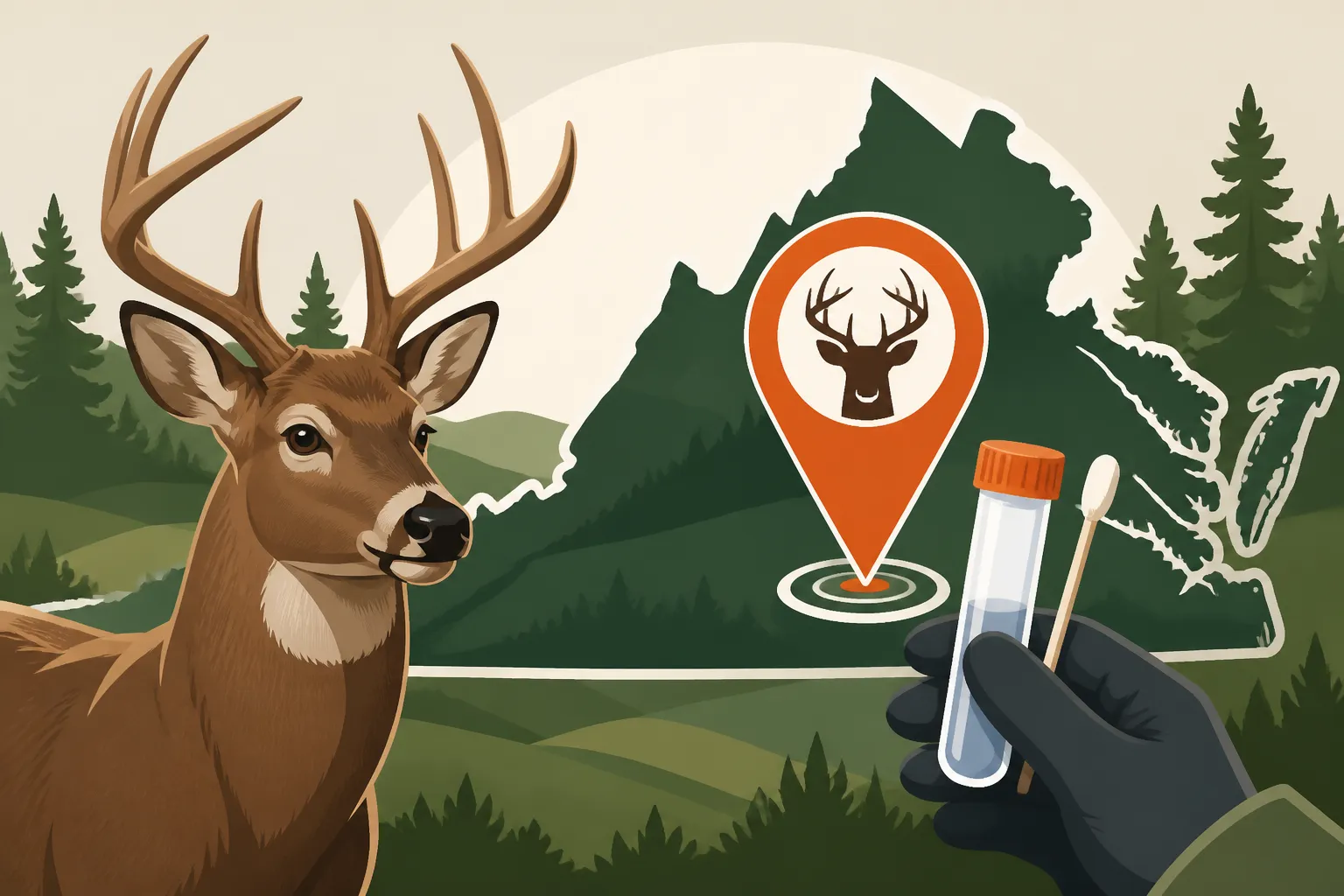
- Look for the Interactive Map: There's typically an interactive map that lets you zoom in on your hunting area. Each pin on the map represents a sampling station.
- Check Details: Click on a pin to see the address, operating hours, and whether it’s a drop-off barrel or a manned station.
- Use the Go Outdoors Virginia App: For hunters who prefer mobile access, the Go Outdoors Virginia mobile app is invaluable. It’s not just for reporting your deer; it often has the CWD sampling station locations overlaid, allowing you to find the nearest one even when you're out in the field. Tools like GoHunt can also be helpful for general scouting and understanding public land boundaries, and while not specifically for CWD stations, their mapping capabilities can complement your DWR app use by giving you a broader view of the landscape around potential drop-off points. Don't forget, Scouting With the Virginia DWR App can provide a lot of valuable information beyond just CWD.
Common Types of Sampling Stations You'll Encounter
The DWR offers a few different types of CWD sampling stations to accommodate hunters:
- Manned Check Stations: These are typically set up during opening weekends of major deer seasons, especially in DMAs. You'll drive up, and DWR staff or volunteers will be on hand to collect the necessary tissue samples directly from your harvested deer. This is often the quickest and most hands-off option for the hunter, as they guide you through the process.
- Self-Service Drop-Off Barrels: These are exactly what they sound like – large, clearly marked barrels or containers where you can drop off a deer head for sampling. They're usually located in convenient spots, like DWR offices, public land access points, or even some private businesses. You'll need to follow the instructions posted at the barrel carefully, which usually involves completing a tag with your harvest information and attaching it securely to the deer head before placing it in the barrel. Remember to properly tag your deer before dropping it off, just as you would before Reporting a Deer Through Virginia's App.
- DWR Regional Offices: Many DWR regional offices also serve as CWD sampling locations during business hours. This can be a reliable option if you're not hunting during a major season opener or prefer a personal interaction. Always call ahead to confirm their CWD sampling services and hours before making the trip.
Timing Your CWD Sample Submission
The timing of your sample submission is crucial for both the validity of the test and to avoid any unnecessary complications. Here are some things to keep in mind:
- Freshness is Key: The DWR needs a relatively fresh sample to ensure accurate test results. If you harvest a deer, aim to submit the sample as soon as reasonably possible. While specific guidelines vary, generally within 24-48 hours is ideal, especially in warmer weather.
- Check Operating Hours: Manned stations have specific operating hours. Drop-off barrels are generally accessible 24/7, but it's wise to ensure they're being regularly serviced, especially for timely processing. DWR offices adhere to standard business hours.
- Seasonality: The availability and type of sampling stations will often fluctuate with the hunting seasons. During statewide archery or muzzleloader seasons, drop-off barrels might be the primary method. Come general firearms season, especially in DMAs, you'll see more manned stations. Always consult the DWR website or app for current information as Virginia Deer Season Structure Explained outlines the various periods.
Preparing Your Deer for CWD Sampling
Proper preparation of your harvested deer is vital for a smooth sampling process and to ensure the DWR gets the best possible sample. It's not just about getting the deer to the station; it's about making sure it's ready for testing.
What the DWR Needs From Your Harvest
When you arrive at a CWD sampling station, the DWR is primarily interested in specific lymph nodes and brainstem tissue, which are located in the head and upper neck of the deer. Therefore, you'll typically need to submit the entire head with at least two inches of the spinal column attached. This ensures they can easily access the necessary tissues.
Here’s a quick checklist of what to ensure:
- Head and Neck Intact: Do not remove the head or process it extensively before submitting. A clean cut at least 2 inches below the jawbone, preserving the upper cervical vertebrae, is ideal.
- Properly Tagged: Your DWR harvest tag, or the equivalent information, must be securely attached to the deer or its head. This links the sample to your harvest report and ensures accurate record-keeping. Make sure to complete all required fields. You can find more details on general tagging and Virginia Deer Reporting Requirements to ensure you're squared away.
- Cool and Clean: While not always mandatory, keeping the head cool and clean until submission is good practice. Avoid letting it sit in direct sunlight or getting overly dirty.
Proper Field Care for a CWD Sample
Just like with venison, proper field care for a CWD sample is important. Especially if you're not heading directly to a sampling station, keeping the head cool can preserve the integrity of the tissues needed for testing.
- Cooling: In warmer early season hunts, consider placing the head in a cooler with ice, or at least out of direct sunlight. While freezing the entire head isn't ideal for the DWR staff, keeping it chilled helps.
- Cleanliness: Try to keep the head as clean as possible. Avoid excessive dirt or debris from getting on the sample area. This makes the job easier for the technicians and reduces the risk of contamination.
- Protection: If transporting, place the head in a game bag or heavy-duty trash bag to contain any blood and keep it separate from other items. This is especially true if you are transporting it in the passenger compartment of your vehicle. While Field Dressing a Deer in Cold Weather focuses on the carcass, the principles of cleanliness and cooling apply to the head sample as well.
Understanding Carcass Movement Restrictions
This is perhaps one of the most critical aspects of CWD regulations, and one that often causes confusion and frustration among hunters. If you harvest a deer in a DMA, there are strict rules about what parts of the deer you can move out of that DMA. The goal is to prevent the disease from spreading to new areas.
Generally, you can only transport the following out of a DMA:
- Deboned meat: Meat that has been removed from the bone.
- Cleaned skull plate/antlers: Antlers with no meat or brain tissue attached.
- Cleaned hides: Hides with no tissue remaining.
- Teeth: For taxidermy or trophy purposes.
- Internal organs: (With specific restrictions on disposal).
What you CANNOT move out of a DMA typically includes:
- Whole carcasses or parts containing spinal cord or brain material. This includes the head (unless submitted for testing), bones, and other skeletal parts.
This means if you shoot a deer in a DMA and plan to process it yourself at home outside the DMA, you must debone the meat and clean the skull plate before leaving the DMA boundaries. Many CWD sampling stations in DMAs also offer facilities or guidance for proper carcass disposal or processing. It's a significant logistical consideration, especially for hunters traveling long distances. Understanding Virginia Carcass Movement Restrictions fully is not just about compliance; it's about protecting Virginia's deer herd.
After Submission: What Happens Next?
Once you’ve successfully submitted your CWD sample, the waiting game begins. It's natural to be curious about the results and what they mean, not just for your deer, but for the broader CWD management efforts in Virginia.
Receiving Your CWD Test Results
The DWR is committed to processing CWD samples efficiently, but the turnaround time can vary depending on the volume of submissions and the time of year. During peak hunting seasons, it might take several weeks to get results back.
- Notification Method: When you submit your sample, you'll typically be asked for contact information (email or phone number). The DWR will use this to notify you of the test results. Sometimes, if the test is negative, you might only receive an email confirmation. If a test comes back positive, DWR staff will usually make a direct phone call to discuss the implications and next steps.
- Online Lookup: In some instances, the DWR might offer an online portal where you can look up your test results using your harvest confirmation number. Always check the DWR website for the most current method of checking results.
- What to do with Positive Results: While rare, if your deer tests positive for CWD, the DWR will provide clear instructions. As mentioned earlier, consuming CWD-positive meat is not recommended. The DWR may also offer guidance on proper disposal of the carcass.
The Hunter's Role in CWD Management
Your participation in CWD sampling is far more than just following a rule; it’s a critical contribution to the long-term health of Virginia's deer herd. Every sample provides valuable data points that help the DWR understand the disease’s prevalence, geographic spread, and potential impacts.
- Informing Policy: The data collected through hunter submissions directly informs DWR management decisions, including regulations on hunting seasons, bag limits, and carcass movement restrictions. Your effort helps shape effective conservation strategies.
- Community Vigilance: By participating, you’re also setting an example for other hunters and reinforcing the importance of responsible hunting practices. It's about being good stewards of our wildlife resources.
- Early Detection: Continued testing, even in areas where CWD is not yet widespread, is crucial for early detection. The sooner new cases are identified, the better the chances of containing the spread. Through consistent monitoring and hunter cooperation, the DWR can work to mitigate the impact of CWD. If you’re interested in the broader picture, you can learn more about Virginia Wildlife Disease Monitoring and the various programs in place.
Ultimately, navigating CWD regulations and sampling locations is an essential part of being a responsible hunter in Virginia. It might add a small extra step to your hunt, but the impact of your participation is immense, helping to ensure healthy deer populations for generations to come.
| Feature | Manned Check Stations | Self-Service Drop-Off Barrels | DWR Regional Offices |
|---|---|---|---|
| Availability | Limited to peak seasons/specific dates in DMAs | Generally 24/7 access, widespread | During business hours |
| Location | Often at public land access, DWR facilities, major roads | DWR offices, WMA entrances, partner businesses | DWR regional offices across the state |
| Hunter Action | Drive-up, DWR staff takes sample | Complete tag, attach to head, place in barrel | Bring head to counter, DWR staff assists |
| Required Materials | Deer head w/ 2" neck, harvest tag | Deer head w/ 2" neck, completed DWR tag | Deer head w/ 2" neck, harvest tag |
| Direct Interaction? | Yes, with DWR staff/volunteers | No, self-guided | Yes, with DWR staff |
| Best For | Mandatory testing periods in DMAs, quick assistance | Flexible submission, non-peak times | Personalized assistance, during weekdays |
Disclaimer
The information provided in this guide is for general informational purposes only and is subject to change. Hunting regulations, CWD management areas, and sampling procedures are determined by the Virginia Department of Wildlife Resources (DWR) and can be updated annually. It is the responsibility of every hunter to consult the most current official DWR regulations and guidelines before hunting. Always confirm specific requirements and station locations directly with the DWR.