Virginia Youth and Apprentice Weekend Dates
For many seasoned hunters, introducing a new generation to the woods is one of the most rewarding parts of our outdoor passion. Yet, the journey can feel daunting. How do you ensure safety, instill ethical values, and, perhaps most importantly, make it an enjoyable experience that truly hooks them? Virginia's dedicated Youth and Apprentice Hunting Weekends are a fantastic, low-pressure solution designed to do just that, offering clear opportunities for young and new hunters to gain invaluable experience afield under careful mentorship.
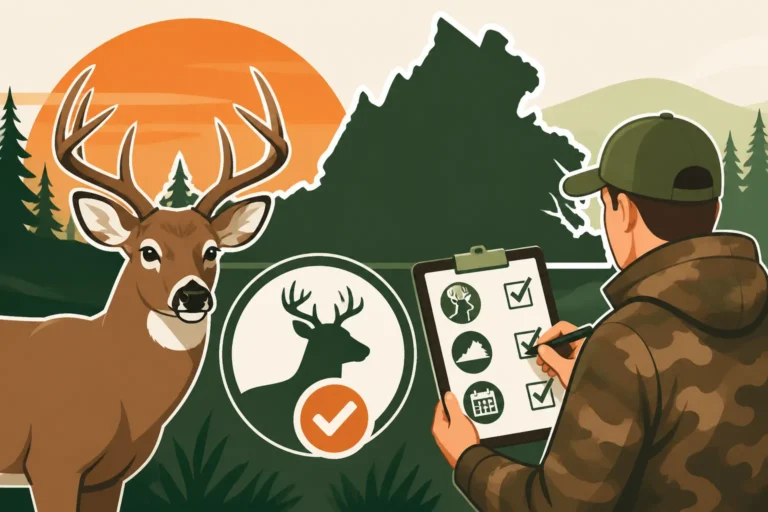
Virginia's Youth and Apprentice Deer Hunting Weekend
Navigating the complexities of deer season can be a lot, even for experienced hunters. For new participants, it can feel like a labyrinth of dates, zones, and regulations. Thankfully, Virginia offers a distinct Youth and Apprentice Deer Hunting Weekend, specifically designed to give new hunters a head start and a focused opportunity without the added pressure of a crowded general season opener. These weekends are a golden ticket for a mentor to provide hands-on instruction in a less competitive environment.
Understanding the Dates and Zones
Virginia actually provides two distinct periods for its Youth and Apprentice Deer Hunting Weekend, reflecting the state's diverse hunting opportunities. The first period usually coincides with the statewide archery and muzzleloader seasons, often falling in late September or early October. This offers a chance to experience the early fall woods, learn about deer patterns before the full-on rut, and get comfortable with quieter hunting methods. Imagine the crisp autumn air, the rustle of leaves, and the chance to observe deer undisturbed, which is an incredible learning experience for a new hunter.
The second, and perhaps most anticipated, period for youth and apprentice deer hunting typically occurs on the Saturday immediately preceding the opening of the general firearms season in early November. This timing is strategic, allowing new hunters to utilize firearms (where legal) for deer hunting, often coinciding with peak deer movement before the landscape is inundated with orange vests. This is a prime time to teach about Hunting the Rut East of the Blue Ridge or Hunting the Rut West of the Blue Ridge and understand deer behavior when they are most active. It’s crucial to always check the Virginia Department of Wildlife Resources (DWR) regulations guide for the specific dates each year, as they can shift slightly. You can often find this information readily through online platforms or dedicated hunting apps like GoHunt, which keep track of state regulations.
Eligibility and Mentorship Requirements
The beauty of these weekends lies in their inclusivity, extending to both bona fide youth hunters and adult apprentices. For youth, it generally means anyone under the age of 16. They can participate with a valid hunting license, often benefiting from free or reduced-cost youth licenses available through the DWR. The "apprentice" portion is a fantastic pathway for new adult hunters, or even those who hunted years ago and want to get back into it. An apprentice license allows individuals of any age who have not yet completed their mandatory hunter education course to hunt when accompanied by a licensed, unmentored adult. This means you don't have to wait to take the class to get started in the field, which can sometimes be the biggest barrier for aspiring hunters.
The role of the mentor cannot be overstated. The mentor must be at least 18 years old, possess a valid Virginia hunting license (not an apprentice license themselves), and remain within "direct supervision" of the youth or apprentice hunter. This isn't just about sharing a blind; it means being close enough to provide immediate instruction, ensure safety, and intervene if necessary. It’s an opportunity to teach everything from safe firearm handling and proper shot placement to ethical game recovery and respect for the land. Think of it as a masterclass in responsible hunting, tailored just for them.
Bag Limits and Reporting for Young Hunters
During these special weekends, youth and apprentice hunters are generally permitted to follow the same bag limits that apply to the regular season in their respective deer management regions. This means if you’re hunting in the Eastern Region, they’d be subject to the limits for antlered bucks and antlerless deer, and similarly for the Western Region. However, here's a significant benefit: often, during the youth/apprentice deer weekend, participants can harvest antlerless deer without needing to meet the normal antlerless deer requirements for subsequent antlered bucks. This provides an excellent opportunity to focus on harvesting meat for the freezer and gives the new hunter a higher chance of success, boosting their confidence without the pressure of finding a "trophy" buck.
Regardless of the age or license type, all harvested deer must be reported to the DWR. This is a critical step in wildlife management, allowing the DWR to collect essential data on herd health and population trends. Reporting is typically easy and can be done online through the DWR website or via their mobile app. Learning Virginia Deer Reporting Requirements early on is a vital part of becoming a responsible hunter. Platforms like GoHunt can also help simplify understanding these specific regional regulations and reporting processes, making sure you don't miss any critical steps.
The Virginia Youth and Apprentice Spring Turkey Weekend
Just like with deer, spring turkey hunting offers a thrilling experience that can truly captivate a new hunter. The gobbling, the cat-and-mouse game, and the beauty of the spring woods are unforgettable. Virginia wisely provides a dedicated Youth and Apprentice Spring Turkey Weekend to introduce new hunters to this exciting pursuit in a focused and educational setting.
Key Dates and Season Structure
The Youth and Apprentice Spring Turkey Weekend typically kicks off in early April, usually the weekend before the general spring gobbler season opens. This provides a distinct advantage: a chance to hunt when the birds are often less pressured and more vocal. It's a short but sweet window, usually spanning Saturday and Sunday, allowing new hunters to get out there and experience the full springtime chorus. Imagine a pre-dawn setup, listening to the woods wake up with the booming gobble of a longbeard — it’s an experience that can hook someone for life.
Much like the early period of the regular spring turkey season, hunting during this youth and apprentice weekend is often restricted to morning-only hours. This helps manage pressure on the birds and aligns with peak gobbling activity. It's important for mentors to understand these specific timeframes and plan their hunts accordingly. For more details on the general structure, you can always refer to the full Virginia Spring Turkey Season Rules.
Permitted Methods and Target Birds
During the Youth and Apprentice Spring Turkey Weekend, the focus is squarely on gobblers or bearded hens. This means hunters are specifically targeting male turkeys or hens that possess a beard, ensuring sustainable harvest practices. The methods permitted generally align with those allowed during the regular spring season, which includes shotguns (using legal shot sizes), muzzleloading shotguns, and archery equipment. This offers flexibility, allowing mentors to choose the method they are most comfortable teaching and the young hunter is most comfortable learning.
For new turkey hunters, understanding the visual cues to identify a legal bird is paramount. Mentors should spend time teaching the difference between hens and gobblers, focusing on head color, feather characteristics, and of course, the presence of a beard. This is also a perfect time to teach the basics of calling, setup, and patience. Whether you're trying Calling a Virginia Gobbler Off the Roost or just mastering simple clucks and yelps, the dedicated weekend provides a focused environment for learning these crucial skills.
Teaching Responsible Turkey Hunting
Turkey hunting demands a high degree of ethical consideration and safety. The Youth and Apprentice Weekend is the perfect opportunity to instill these values from day one. Emphasize target identification: always be 100% certain of your target and what is beyond it. Teach the importance of proper setup against a wide, sturdy tree that provides a safe backdrop, and the crucial skill of remaining still. These lessons are vital, as turkey hunting involves camouflage and hunters often mimic turkey sounds, which can sometimes lead to dangerous situations if proper precautions aren't followed.
Beyond safety, mentors can teach about respecting the animal, understanding turkey behavior, and the conservation efforts that make these seasons possible. Talking about the successful restoration of wild turkeys to Virginia, for instance, can provide a deeper appreciation for the resource. It’s not just about pulling the trigger; it's about connecting with nature and understanding the ecosystem.
Licensing, Safety, and Maximizing the Experience
For any new hunter, getting started can feel like a mountain of paperwork and regulations. Virginia’s DWR, along with handy online resources, aims to smooth this path, especially for youth and apprentice hunters. Beyond the paperwork, prioritizing safety and making the experience genuinely positive are key to fostering a lifelong love for hunting.
Navigating Licensing for Youth and Apprentices
Understanding the licensing requirements is the first step. For youth under 16, Virginia often offers specific youth hunting licenses at a reduced cost or even free, which is a fantastic incentive. These youth are generally exempt from mandatory hunter education requirements if they are under the direct supervision of a licensed, adult mentor. This provision acknowledges that hands-on learning from an experienced hunter is incredibly valuable.
For new hunters of any age who haven't yet completed the hunter education course, the Virginia Apprentice Hunter License is a game-changer. This temporary license allows them to hunt for a limited period (usually two license years) under the direct supervision of a licensed, unmentored hunter. It’s essentially a "try before you buy" program for hunter education, letting them experience hunting first-hand before committing to the course. Eventually, to hunt unsupervised, they'll need to complete Virginia Hunter Education Requirements, which covers essential safety, ethics, and conservation principles. Purchasing licenses is straightforward via the DWR's Go Outdoors Virginia platform, whether online or by phone. Many hunters also find the GoHunt app helpful for quick access to license information and up-to-date regulations.
Emphasizing Safety and Ethical Hunting Practices
Safety is, without question, the paramount concern when introducing new hunters to the field. For firearms hunting, this means reinforcing the four cardinal rules of gun safety repeatedly:
- Treat every firearm as if it were loaded.
- Always point the muzzle in a safe direction.
- Be sure of your target and what is beyond it.
- Keep your finger off the trigger until ready to shoot.
Beyond these fundamental rules, mentors should emphasize the importance of blaze orange or blaze pink during deer season, even when not strictly required (like during certain early muzzleloader or archery youth weekends). While the Virginia Blaze Orange Requirements might specify periods when it's mandatory, wearing it as a safety precaution is always a good practice. For turkey hunting, where camouflage is king, the focus shifts to careful identification of the target and avoiding mimicking turkey sounds when another hunter might be in the vicinity.
Ethical hunting extends beyond safety. It encompasses respect for the game, adherence to fair chase principles, and prompt, humane game recovery. Teaching a young hunter Blood Trailing After Dark in Virginia or how to properly field dress an animal instills responsibility and connects them deeply to the entire process. It’s about being a responsible steward of the wildlife resource, not just a harvester.
Making it Memorable: Tips for Mentors and Young Hunters
The goal of these weekends isn't just to bag an animal; it's to create lasting memories and foster a genuine love for the outdoors. Mentors play a crucial role in making this happen. Here are a few tips:
- Prioritize the Experience, Not the Harvest: Success shouldn't be measured solely by whether an animal is taken. The joy of being in nature, learning new skills, and spending quality time together is far more important.
- Scout Ahead: Spend time before the season getting familiar with your chosen hunting area. Knowing where deer or turkeys are likely to travel, feed, or roost can significantly increase chances of success and build confidence. Utilizing the DWR's Go Outdoors Virginia mapping tools or dedicated apps like GoHunt for Scouting Virginia Public Land Before Season can give you a significant edge.
- Comfort is Key: A cold, wet, or uncomfortable child is a miserable child. Ensure they have appropriate clothing for the weather, comfortable boots, and plenty of snacks and water. A portable seat or ground blind can make waiting much more enjoyable.
- Keep it Fun and Educational: Engage them with questions. Teach them how to identify different trees, tracks, or bird calls. Explain why you're doing certain things, like Reading a Ridge for Blue Ridge Deer or checking wind direction. Let them participate in calling or spotting.
- Start Small: Don't overwhelm them with overly complicated setups or long, arduous walks. Begin with manageable hunts and gradually build up their endurance and skill level.
- Positive Reinforcement: Celebrate every small victory, whether it's spotting a squirrel, making a good call, or simply sitting still for an extended period. Encourage their questions and curiosity.
These Youth and Apprentice Weekends are invaluable tools for passing on the hunting heritage in Virginia. They provide a structured, safe, and supportive environment for new hunters to learn, grow, and hopefully, develop a lifelong passion for the outdoors.
Disclaimer
Please note that hunting regulations, dates, and licensing requirements can change. Always consult the most current Virginia Department of Wildlife Resources (DWR) regulations guide and local ordinances before planning any hunting trip. The information provided here is for general guidance and informational purposes only and does not constitute legal advice.