Virginia Suburban Deer Management Permits
Living in many parts of Virginia today, it's increasingly common to see deer everywhere – not just deep in the woods, but browsing your azaleas, crossing busy roads, and even bedding down in neighborhood green spaces. This abundance, while sometimes charming, leads to significant problems, from property damage and landscape destruction to serious safety concerns like vehicle collisions and even the spread of diseases. If you're a landowner or part of a community grappling with an overpopulation of deer, understanding Virginia's Suburban Deer Management Permits is absolutely crucial. This comprehensive guide will walk you through what these permits are, how they work, and how they can be a vital tool in responsibly managing deer populations where traditional hunting methods just aren't feasible or safe.
Understanding Virginia's Suburban Deer Management Permits
When deer populations boom in residential areas, it creates a unique set of challenges that traditional hunting seasons often can’t address. Suburban Deer Management Permits, often simply called "damage permits" or "depredation permits," are specifically designed by the Virginia Department of Wildlife Resources (DWR) to give landowners and communities the tools they need to bring these populations back into balance. They acknowledge that a one-size-fits-all approach to deer management doesn't work when you're dealing with crowded neighborhoods, schools, and limited hunting access.
Why These Permits Exist: Addressing Suburban Overpopulation
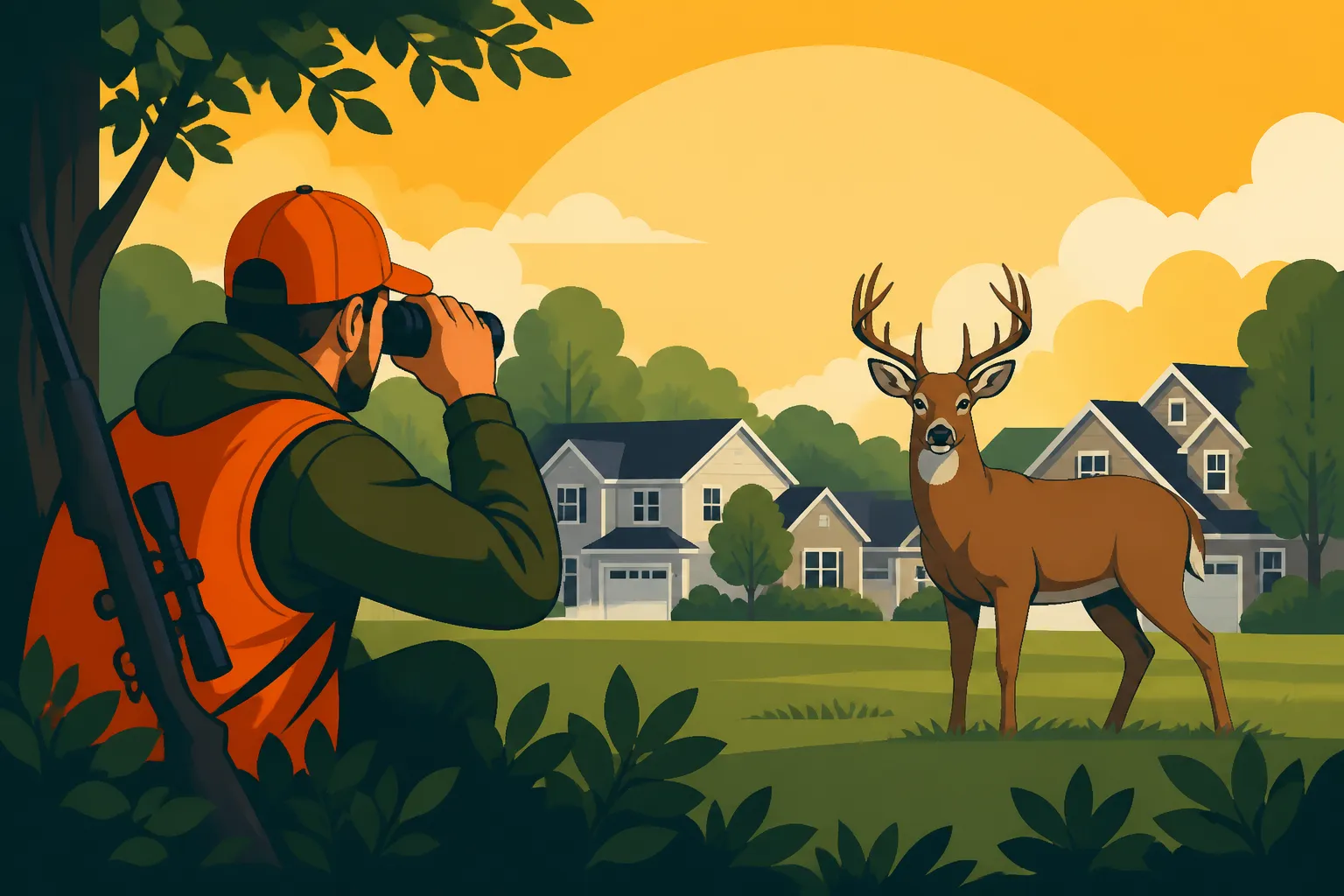
The reality is that deer thrive in suburban environments. They find abundant food in gardens and ornamental plantings, fewer natural predators, and often enjoy safe havens where hunting is restricted or simply impractical due to safety concerns. This can lead to localized overpopulation, meaning more deer than the habitat or the human community can comfortably sustain. You see the signs everywhere: shredded shrubbery, deer ticks on your pets, and the constant worry about deer darting out in front of your car. These permits are a direct response to these issues, offering a legal and regulated way to reduce deer numbers outside of the typical hunting framework. They are a critical component in ensuring both wildlife health and public safety.
Differentiating From Standard Hunting Seasons
It's important to understand that a Suburban Deer Management Permit isn't just another hunting license; it's a specific management tool. While it often involves lethal removal of deer, the rules, seasons, and methods can differ significantly from statewide archery, muzzleloader, or general firearms seasons. For instance, these permits often allow for deer removal outside of regular hunting dates or may permit methods not typically allowed during general seasons. The focus isn't recreation; it's direct population control for specific problem areas. For hunters interested in broader opportunities, it's worth exploring the details of the general Virginia Deer Season Structure Explained to see how these permits fit into the larger picture of deer management in the Commonwealth.
Eligibility and Application for Suburban Deer Management Permits
Navigating the application process for these permits can feel a bit daunting at first, but with clear steps and an understanding of the DWR's requirements, it’s quite manageable. These aren't just handed out willy-nilly; they're issued based on demonstrated need and a commitment to safe, responsible deer management.
Who Can Apply and What's Required
Typically, a landowner or an agent acting on their behalf, such as a community association or a hired deer management professional, can apply for a Suburban Deer Management Permit. The key is proving actual damage or a significant threat posed by an overabundance of deer. This often involves documentation: photos of destroyed landscaping, records of deer-vehicle collisions, or even expert assessments of deer density in the area. The DWR needs to see that there's a legitimate problem that requires intervention beyond what regular hunting seasons can provide. You'll need to contact your local DWR office or game warden to initiate the process, as they often conduct site visits to assess the situation. They can provide specific forms and guidance tailored to your area.
The Application Process Step-by-Step
Applying for a permit usually involves several steps. First, you'll need to contact the DWR to report your deer problem. A DWR biologist or game warden will likely visit your property or community to verify the extent of the damage and the deer population issues. During this assessment, be ready to discuss the specific problems you're experiencing, the size of the area, and any existing efforts you've made to deter deer.
Next, if the DWR agrees that a permit is warranted, they will guide you through the application forms. These forms will ask for details about the property, the proposed methods of deer removal, and the individuals who will be carrying out the removal. You might also need to provide a map of the property, showing where the deer management activities will take place. This is where tools like GoHunt's mapping features can be incredibly useful for outlining boundaries and potential safe zones. Once submitted, the DWR reviews the application, and if approved, issues the permit with specific conditions. It’s a thorough process, but it’s designed to ensure public safety and effective deer management.
Methods, Rules, and Safety Protocols Under the Permit
Once you have a Suburban Deer Management Permit in hand, understanding the specific rules, permitted methods, and critical safety protocols is paramount. These permits allow for greater flexibility than general hunting seasons, but that flexibility comes with strict guidelines to ensure community safety and responsible wildlife management.
Permitted Methods of Deer Removal
The DWR tailors the permitted methods to the specific situation, but common options include archery, firearms, and sometimes even specialized techniques like sharpshooting by trained professionals. For example, in densely populated areas, the permit might specify Crossbow Rules During Virginia Archery Season or limit firearms to shotguns with slugs or straight-wall cartridges, rather than high-powered rifles, to ensure safety. The DWR often emphasizes silent or low-impact methods for suburban settings. It's crucial to adhere strictly to the methods outlined in your specific permit. Any deviation could result in severe penalties and the revocation of the permit.
- Archery: Bowhunting is frequently preferred in suburban settings due to its quiet nature and limited range. Permits might allow for extended archery seasons or specific zones not usually open to traditional hunting.
- Firearms: If firearms are approved, they often come with caliber restrictions, shot placement requirements, and specific hours of operation to minimize disturbance and maximize safety. Shotgun slugs are common, given their shorter effective range compared to rifles.
- Trained Sharpshooters: In some cases, particularly for larger community-wide culls or in areas where resident hunters are not feasible, the DWR may authorize professional sharpshooters who use specialized equipment and techniques for efficient and humane deer removal.
Safety Measures and Community Notification
Safety is the absolute top priority when carrying out deer management in suburban areas. Permits typically stipulate strict safety zones, requiring that activities take place a certain distance from dwellings, roads, and public areas. Hunters or operators must be highly skilled and proficient with their chosen method. Often, the permit will require advance notification to local law enforcement and, in some cases, direct notification to neighboring residents. This transparency helps build community trust and reduces alarm. For those undertaking this work, using a reliable mapping application like GoHunt can help visualize and mark safe shooting lanes and prohibited areas, ensuring compliance with all setback regulations. Proper blaze orange or blaze pink attire, as specified by the DWR, is also a must for visibility, even if not explicitly required by the permit during certain operations.
Table: Comparison of General Hunting vs. Suburban Deer Management Permits
| Feature | General Virginia Deer Hunting Seasons | Suburban Deer Management Permits (Example) |
|---|---|---|
| Purpose | Sport, recreation, population management, venison | Localized population control, damage mitigation, safety |
| Season Dates | Fixed statewide/regional dates (e.g., Virginia Statewide Archery Season Dates) | Flexible, DWR-approved dates, often year-round as needed |
| Bag Limits | Set antlered/antlerless limits by region/county | Specific number of deer authorized by permit |
| Methods | Archery, muzzleloader, firearms (regulated) | DWR-approved methods (e.g., specific firearms, archery) |
| Location | Public & private land (with permission) | Specific private properties/designated areas with damage |
| Reporting | Mandatory harvest reporting via DWR app/website | Mandatory reporting as per permit, often more detailed |
| Safety Zones | General hunting safety rules apply | Stricter, site-specific safety zones often enforced |
| Public Notification | Generally not required | Often required for local police, sometimes neighbors |
Benefits and Challenges of Suburban Deer Management
Implementing a Suburban Deer Management Permit program can bring significant relief to communities plagued by deer issues, but it's not without its complexities. Understanding both the upsides and the hurdles is key to a successful program.
Positive Impacts on Community and Environment
The most immediate and tangible benefit is a reduction in deer-related damage. Fewer deer mean less destruction of landscaping, gardens, and agricultural crops. This not only saves property owners money but also restores peace of mind. Beyond property, a controlled deer population significantly reduces the risk of deer-vehicle collisions, making roads safer for everyone. From an ecological standpoint, managing deer helps reduce over-browsing, which can degrade forest undergrowth and impact other wildlife species that rely on those plants. Furthermore, a decrease in deer density can lead to a reduction in tick-borne diseases like Lyme disease, a real concern for residents in many parts of Virginia. Communities that embrace these permits often see a noticeable improvement in their quality of life, allowing residents to enjoy their outdoor spaces without constant worry.
Community Concerns and Ethical Considerations
Despite the clear benefits, implementing a deer management program in a suburban area can stir up strong emotions. Animal welfare concerns are common, with some residents opposing lethal removal methods. There can be public outcry if the process isn't handled transparently and with utmost respect for the animals. Noise, even from quieter methods, can be a concern, and the sight of harvested deer can be upsetting to some. Effective communication is crucial. Communities need to engage residents early, explaining the scientific basis for the program, the safety measures in place, and the humane approach being taken. Transparency, combined with adherence to all DWR rules and regulations, can go a long way in addressing these concerns.
Successful Implementation and Best Practices
For a Suburban Deer Management Permit to truly be effective, it requires careful planning, community buy-in, and meticulous execution. It's not just about getting the permit; it's about making the program work safely and efficiently.
Collaborating with Local Agencies and Neighbors
Successful deer management in suburban settings is rarely a solo endeavor. It often involves collaboration between individual landowners, homeowner associations, local DWR officials, and sometimes even local law enforcement. For instance, if you're a single landowner, you might consider reaching out to neighbors who are experiencing similar issues. Pooling resources or coordinating efforts can make the process more efficient and impactful. For larger tracts or community properties, the DWR may advise working with a professional wildlife management service. These services are experienced in navigating regulations, ensuring safety, and conducting humane and efficient deer removal. Remember, the DWR is there to help; their local game wardens and biologists are invaluable resources for guidance on specific conditions and best practices for Getting Landowner Access in an Urban Archery Zone or other restricted areas.
Responsible Hunting and Disposal Practices
Anyone authorized to harvest deer under these permits bears a significant responsibility. This means adhering to ethical hunting practices, ensuring clean, humane shots, and following all DWR rules for deer reporting and disposal. Every deer harvested under a permit must be reported to the DWR, just like during regular seasons. Detailed records of each harvest are often a condition of the permit. Regarding disposal, venison can often be processed for personal consumption or donated to local food banks, providing a positive outcome for the harvested animal. For instance, organizations like Hunters for the Hungry are often excellent partners for ensuring the meat goes to good use. If the meat is not consumed, proper carcass disposal is critical, often requiring burial or transport to a designated facility, to prevent the spread of disease or attract scavengers. Utilizing resources like the Virginia Deer Reporting Requirements through the DWR app can streamline this process significantly, ensuring compliance and contributing to the DWR's overall understanding of local deer populations.
Disclaimer
The information provided in this guide is for general informational purposes only and does not constitute legal advice. Hunting regulations, permit requirements, and safety protocols are subject to change. Always consult the official Virginia Department of Wildlife Resources (DWR) regulations and local ordinances before engaging in any hunting or wildlife management activities. It is your responsibility to ensure compliance with all applicable laws and to prioritize safety.