White-Tailed Deer Across Virginia
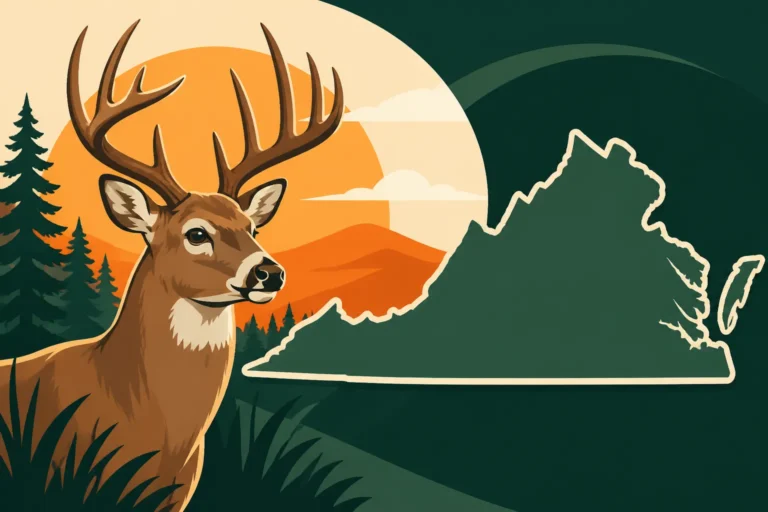
It’s a familiar frustration for many hunters across the Commonwealth: you spend countless hours scouting, setting up stands, and braving the elements, only to wonder if you’re truly understanding the white-tailed deer you’re pursuing. Virginia’s diverse landscapes mean deer behavior, population dynamics, and even hunting regulations can shift dramatically from one county to the next. This comprehensive guide will equip you with the deep knowledge needed to truly understand white-tailed deer in Virginia, helping you adapt your strategies for more consistent success and a richer hunting experience.
The Resilient Story of Virginia's White-Tailed Deer Population
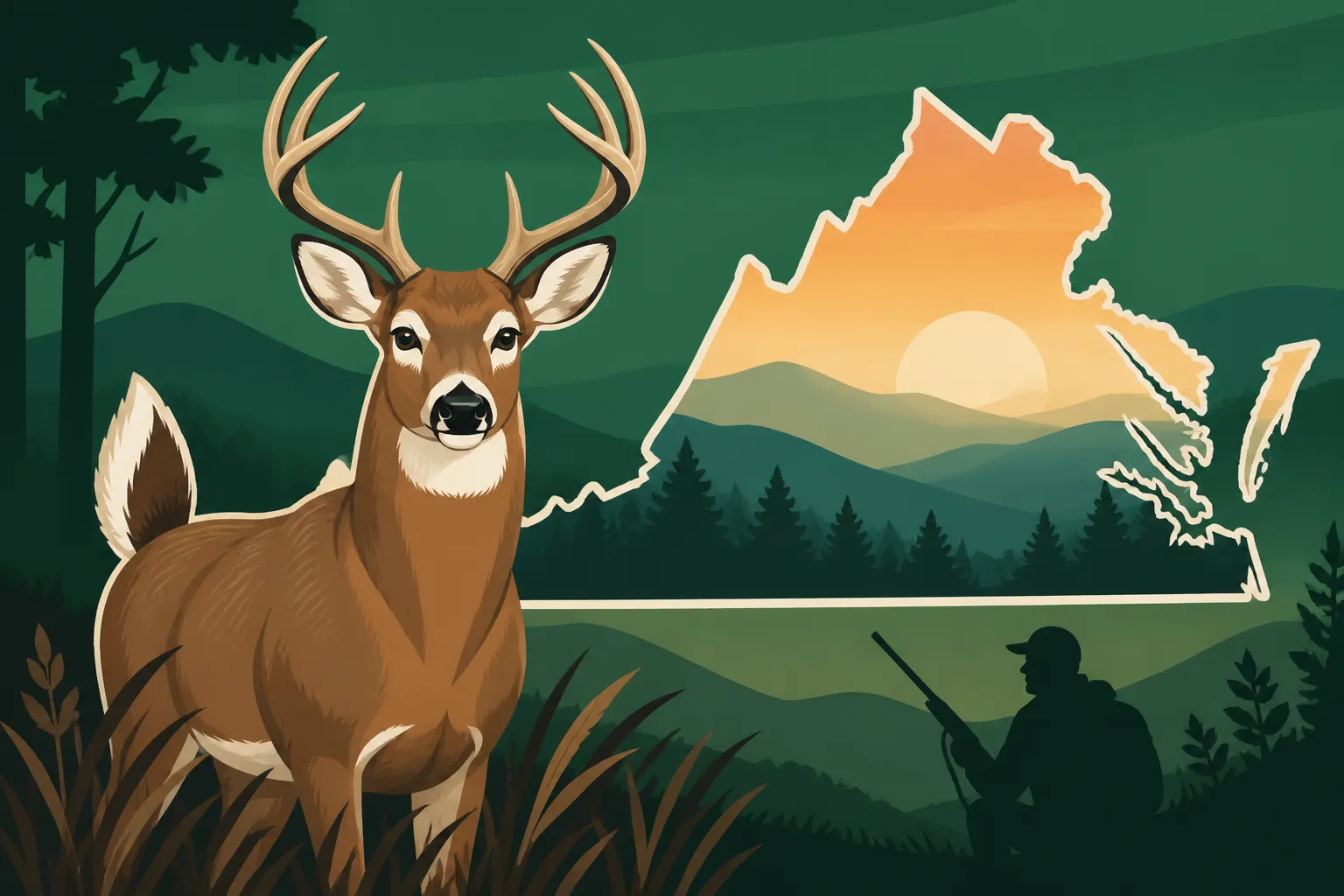
Virginia’s white-tailed deer herd is a testament to successful wildlife conservation, but it wasn't always this way. Understanding their journey from near-extinction to widespread abundance, along with current population trends, is crucial for any hunter hoping to connect with a whitetail.
From Scarcity to Abundance: A Conservation Triumph
Imagine a time when seeing a white-tailed deer in Virginia was a rare, almost mythical event. That was the reality in the late 19th and early 20th centuries. Unregulated hunting, coupled with widespread habitat destruction from logging and agriculture, decimated deer populations across the state. In some areas, deer were completely extirpated, meaning they were locally extinct. It was a bleak picture for Virginia's iconic big game animal.
However, thanks to the tireless efforts of early conservationists and the establishment of agencies like the Virginia Department of Wildlife Resources (DWR), a remarkable recovery began. Restocking programs, funded by hunting license sales and excise taxes on sporting goods through the Pittman-Robertson Act, reintroduced deer to suitable habitats. Strict hunting regulations, including closed seasons and limited harvests, allowed these reintroduced populations to take root and flourish. It truly is one of the greatest conservation success stories in North America.
Today, Virginia boasts a thriving white-tailed deer population, estimated to be well over a million animals. This abundance provides unparalleled hunting opportunities, supports a robust wildlife-viewing industry, and contributes significantly to the state's economy. The deer herd's overall health is generally good, though local challenges like disease and habitat fragmentation certainly exist, which we'll delve into later. For now, it's worth appreciating the incredible comeback these animals have made, largely due to the dedication of hunters and conservationists.
The sheer numbers mean that hunters have a solid chance of encountering deer across most of the state, but it also means that managing such a large herd comes with its own set of complexities, influencing everything from bag limits to season lengths.
Regional Deer Density and Harvest Trends
While deer are found in every county in Virginia, their density and the dynamics of their populations vary significantly by region. A buck in the rugged mountains behaves differently than one in the agricultural Piedmont or the swampy Tidewater. Knowing these regional nuances can dramatically influence your scouting and hunting efforts.
The western part of the state, encompassing the Blue Ridge and Allegheny Mountains, generally has lower deer densities compared to the central and eastern regions. Here, deer rely more heavily on forest mast crops like acorns and natural browse. Hunting success in these areas often hinges on finding concentrated food sources or key travel corridors through vast timber. Harvest numbers tend to be lower per square mile, but the bucks can be older and more challenging to pursue in the rugged terrain.
Contrast that with the Piedmont region, characterized by its rolling hills, mixed hardwoods, and extensive agricultural lands. This area consistently boasts some of the highest deer densities and harvest numbers in the state. The abundant food sources—corn, soybeans, clover, and acorns—allow deer to thrive and reach larger body weights and antler growth. Hunters often find success patterning deer movement between bedding cover in woodlots and feeding areas in fields. This is why the Piedmont is often recognized for its potential to grow large, mature bucks, offering hunters some of the best opportunities for quality deer.
Further east, in the Coastal Plain and Tidewater, deer densities remain high, particularly in areas with a mosaic of dense cover, wetlands, and agriculture. Here, deer are masters of concealment, utilizing thick swamps and dense pine plantations for bedding, venturing out into fields for food. Harvests are consistently strong, with many hunters focusing on antlerless deer to help manage localized populations. The DWR carefully monitors these regional differences, using biological data and hunter harvest reports to set appropriate bag limits and season structures that reflect local herd health and habitat capacity. This regional management is critical to maintaining a healthy and sustainable deer population for all Virginians.
Understanding Virginia's Diverse Deer Habitats and Their Influence
Virginia is a state of remarkable geographical diversity, and each distinct region presents its own unique challenges and rewards for deer hunters. To truly understand the white-tailed deer here, you need to understand the landscapes they inhabit.
Mountainous Terrain: The Challenge and Reward
For many, the mention of deer hunting in Virginia conjures images of the rugged Blue Ridge and Allegheny Mountains. These western reaches of the Commonwealth are defined by their steep slopes, deep hollows, and vast expanses of hardwood and conifer forests. Hunting here is a physically demanding endeavor, a true test of endurance and woodsmanship. The sheer scale of the terrain and the often-dense undergrowth can make finding deer a formidable task, but the reward of a hard-earned mountain buck is unparalleled.
Deer in mountainous areas move differently than their flatter-land cousins. They are masters of using topography to their advantage, often traveling along benches, saddles, and ridge lines to conserve energy and avoid detection. Thermals, the rising and falling air currents, play a critical role in how deer detect predators and how hunters should approach their stands. Understanding the nuances of Wind and Thermals on a Blue Ridge Slope is paramount, as a shifting breeze can betray your presence in an instant. Deer will often bed on lee sides of ridges, out of the wind, and use thickets along slopes for security cover.
Food sources in the mountains are primarily natural mast crops. Acorns from various oak species, hickory nuts, and natural browse are the lifeblood of mountain deer. When a mast crop is abundant, deer can be widely dispersed, making them harder to pattern. Conversely, a poor acorn year can concentrate deer in areas with more limited food, making scouting for these pockets crucial. If you're wondering how deer adjust, diving into Hunting After a Poor Acorn Year can provide invaluable insights. This natural variability means hunters must be adaptable, constantly scouting for fresh sign and understanding the seasonal availability of different forage types.
Ultimately, hunting the mountains requires a specific mindset: patience, physical fitness, and a deep appreciation for the wild. It's about earning your deer, navigating the vast public lands of the George Washington and Jefferson National Forests, and often walking miles to reach unpressured pockets where mature bucks roam.
The Productive Piedmont: Agriculture and Woodland Mix
Moving east from the mountains, we enter the Piedmont region, a land of rolling hills, meandering rivers, and a mosaic of agricultural fields interspersed with expansive woodlots and timber company lands. This is arguably Virginia's deer hunting breadbasket, where abundant food and cover allow deer populations to thrive and often reach impressive sizes.
Piedmont deer benefit from an incredibly diverse diet. They regularly feed on row crops like corn and soybeans, graze on winter wheat and clover fields, and still heavily utilize acorns and other natural browse from the surrounding forests. This consistent, high-quality nutrition contributes directly to the region's reputation for producing large-bodied deer with impressive antler growth. Deer here will often shuttle between secure bedding cover in thick woods and easily accessible feeding grounds. Learning how to hunt these diverse food sources, such as Hunting a Standing Cornfield in Farm Country, is a fundamental skill in the Piedmont.
The land ownership pattern in the Piedmont is predominantly private, consisting of farms, timber tracts, and residential properties. This creates a dynamic where deer can experience varying levels of hunting pressure. While securing private land permission is often key, many parcels of public land, including numerous Wildlife Management Areas (WMAs), offer excellent hunting opportunities. The challenge lies in navigating these mixed landscapes, understanding how deer react to farming operations, and identifying travel corridors between scattered cover and food. Mature bucks, in particular, become adept at using subtle terrain features and dense cover to avoid detection.
The consistent nutritional base is a primary reason Why the Piedmont Grows Big Bucks is a frequently asked question. It's not just about age, but also about the readily available calories and protein that fuel both body growth and antler development. Hunters who focus on scouting food sources, identifying natural funnels between bedding and feeding, and understanding the impact of agricultural cycles will find consistent success in Virginia's productive Piedmont.
Coastal Plain and Tidewater: Unique Challenges
Venturing further east, you encounter Virginia's Coastal Plain and Tidewater regions. This landscape is distinctly different from the mountains or the Piedmont, characterized by its flatter topography, extensive wetlands, dense pine and hardwood swamps, and proximity to large bodies of water. Hunting here presents its own unique set of challenges and demands a specific approach.
Deer in these regions are incredibly adapted to their environment. They utilize the dense cover of swamps, thick canebrakes, and pine plantations for bedding and security. Their travel routes are often dictated by dry ground, subtle elevation changes, and the edges of water features. Food sources are still diverse, including agricultural crops, acorns (where available), and abundant natural browse from the moist soils. However, access can be difficult, with many areas requiring specialized gear like waders or even boats to reach prime hunting spots.
A truly unique aspect of hunting in the Tidewater is the influence of water levels and tides, particularly along rivers and estuaries. Deer movement can be heavily impacted by high tides that flood low-lying areas, forcing deer onto higher ground. Understanding how deer react to these hydrological changes, such as by Reading a Tidal Creek for Deer Movement, is essential for predicting their presence and travel patterns. Hunters might find themselves setting up along a narrow strip of dry land that becomes a deer highway during high water.
Due to the dense cover, hunting methods in the Coastal Plain and Tidewater often lean towards still-hunting, slow drives, or hunting from elevated stands that overlook small openings or travel corridors. Visibility can be extremely limited, making close-range shots more common. Hunters need to be prepared for mosquitoes, ticks, and wet conditions. Despite these challenges, the Coastal Plain holds robust deer populations, offering plenty of opportunity for those willing to embrace the unique environment and adapt their tactics accordingly.
Navigating Virginia's Deer Season Structure and Regulations
Understanding Virginia's deer hunting regulations can sometimes feel like deciphering a complex puzzle, especially with regional distinctions and varying season dates. However, grasping the core structure is fundamental to a safe, legal, and successful hunt.
Understanding East vs. West Blue Ridge Divisions
One of the most critical regulatory distinctions in Virginia's deer hunting landscape is the geographical split between the East and West of the Blue Ridge Mountains. This isn't just a scenic divide; it dictates fundamental aspects of how you can hunt deer, most notably the antlered buck limits and antlerless deer opportunities.
Generally, the counties designated as "West of the Blue Ridge" (which includes the entire western mountain range) operate under a more conservative antlered buck limit. Historically, this has been a two-buck limit per hunter per license year, with specific restrictions on antlered deer harvested during different seasons. The rationale behind these limits often relates to lower deer densities, slower habitat regeneration, and a management goal of allowing bucks to reach older age classes in the more rugged terrain. Hunters pursuing deer in these western counties are often focused on the challenge of harvesting an mature animal in a vast, wild landscape.
Conversely, the "East of the Blue Ridge" counties typically have a more liberal buck limit, often allowing for three antlered bucks per hunter per license year. This reflects the higher deer densities, abundant food sources from agriculture and mixed forests, and the need to manage populations more aggressively to prevent overbrowsing and reduce deer-vehicle collisions. Additionally, antlerless deer opportunities are generally more extensive east of the Blue Ridge, with longer doe seasons and more bonus antlerless tags available. To get a full grasp of these differences, exploring East Versus West of the Blue Ridge Bag Limits is a must.
This regional approach means that a hunter's strategy must inherently change depending on which side of this natural divide they are hunting. A hunter in Botetourt County, west of the Blue Ridge, will likely be more selective with their buck harvest than a hunter in Southampton County, east of the Blue Ridge, where ample antlerless opportunities might be prioritized for herd management. This nuanced system allows the DWR to tailor regulations to specific ecological and social conditions, ensuring the health and sustainability of Virginia's deer herd across its diverse geography. Always double-check the current DWR regulations for the specific county you plan to hunt, as boundaries and rules can occasionally be adjusted.
Key Seasons: Archery, Muzzleloader, and General Firearms
Virginia offers a progression of deer seasons, each with its own character, challenges, and opportunities. Understanding this sequence is key to planning your hunting year.
The deer hunting calendar in Virginia kicks off with the archery season, usually beginning in early October. This season offers a unique experience, allowing hunters to get into the woods before the heavy pressure of firearm seasons. Archers often enjoy milder weather, more predictable deer patterns focused on early fall food sources, and the intimate challenge of hunting deer at close range. Whether you’re a seasoned bowhunter or considering taking it up, our guide to Bowhunting Virginia's Statewide Archery Season provides a deep dive into what to expect. This early start also includes the increasingly popular Urban Archery Hunting in Virginia Cities, which helps manage deer populations in suburban areas and provides extended opportunities.
Following archery, the muzzleloader season typically opens in early November. This period often coincides with the pre-rut or early stages of the rut, making it a highly anticipated time for many hunters. Muzzleloaders offer a blend of traditional challenge and modern accuracy, providing a distinct hunting experience. The unique rules and equipment considerations for Muzzleloader Deer Hunting in Virginia require careful preparation, but the rewards can be significant, as deer activity is often ramping up.
The crescendo of the deer season is undoubtedly Virginia's General Firearms Deer Season, which typically opens on the third Saturday of November. This is when the majority of Virginia hunters take to the woods, and it often coincides with the peak of the rut in many areas. Deer movement becomes more erratic and daylight activity increases, making for exciting hunting. However, it also means significantly increased hunting pressure. Planning for opening weekend tactics and understanding deer behavior under pressure is critical during this period.
It’s absolutely vital to remember that while statewide dates exist, county firearms dates can sometimes differ from the statewide range. Some counties might have slightly shorter or longer firearms seasons, or even specific restrictions. This is especially true for some western counties or urban/suburban zones. Always consult the current Virginia DWR hunting regulations for the exact county you plan to hunt to ensure you are compliant. These details can be easily checked on the DWR website or through a comprehensive mapping application like GoHunt.
Tagging, Reporting, and Special Opportunity Hunts
Beyond understanding season dates, knowing how to properly tag and report your deer is not just a legal requirement but a crucial contribution to Virginia's wildlife management efforts.
When you successfully harvest a deer in Virginia, the immediate priority after ensuring the animal is dispatched safely and humanely is to attach your appropriate tag. Virginia mandates that you immediately tag the deer with a transportation tag from your license or permit. This tag must remain with the deer until it reaches its final destination for processing or storage. The specific method for tagging—whether it's a physical tag from your license or a tag generated through the DWR's Go Outdoors Virginia app—is clearly outlined in the regulations.
Following tagging, you are required to report your deer harvest. Virginia utilizes a mandatory online or phone-in reporting system. This means you must report your deer within 24 hours of harvest and before the deer is processed for consumption or leaves the state. The DWR's mobile app or their website are the primary tools for this. This data is incredibly valuable for biologists, helping them track harvest numbers, monitor herd health, and make informed decisions about future regulations. Accurate reporting ensures that the DWR has the most up-to-date information on the state's deer population dynamics.
Virginia also offers several special opportunity hunts designed to help manage deer populations and provide unique experiences for specific groups of hunters. These include youth and apprentice weekends, which give younger or new hunters a chance to hunt during periods of reduced pressure. Another significant opportunity is Urban Archery Hunting in Virginia Cities, often extending from early fall into late winter, allowing archery hunters to pursue deer in designated suburban areas. These special seasons typically have their own specific rules regarding dates, bag limits, and legal weapons, so always check the regulations carefully.
Furthermore, bonus antlerless tags are often available for purchase, particularly in regions with high deer populations (primarily East of the Blue Ridge). These tags allow hunters to harvest additional does beyond their standard license limits, playing a vital role in population control. Keeping track of all these options, and especially their respective opening and closing dates, can be a lot. Tools like the DWR website and resources found through mapping apps like GoHunt are invaluable for real-time updates and clarification on these important rules.
Deer Behavior, Rut Dynamics, and Hunting Strategies
Understanding the patterns and instincts that drive white-tailed deer is perhaps the most significant advantage a hunter can have. Their behavior changes with the seasons, impacting everything from their preferred food sources to their daily routines.
Seasonal Movement and Food Preferences
Deer are creatures of habit, but their habits are constantly shifting in response to environmental factors, especially food availability and weather. Recognizing these seasonal movements is crucial for staying ahead of the game.
In the early season, typically September and early October, deer are often highly food-focused. Acorns, particularly white oaks, are a major draw, as are lush green fields of clover, alfalfa, or early winter wheat. Deer will also be hitting soft mast like persimmons and wild grapes. During this time, patterning deer often involves scouting for these prime food sources and identifying the quickest, safest routes deer use to travel between bedding cover and these feeding areas. Their movements can be quite predictable, especially during the last hour or two of daylight.
As the season progresses into late October and November, food remains important, but deer behavior starts to be heavily influenced by the approaching rut. Movement becomes more erratic, especially for bucks. Later in the season, as natural food sources diminish and temperatures drop, deer will shift their focus to remaining hard mast (like red oak acorns), agricultural waste grains, and browse that offers high nutritional value. Understanding the transition in food preferences is key to adapting your stand locations.
Weather patterns, particularly strong cold fronts, can dramatically influence deer activity. A sudden drop in temperature or the approach of a significant weather system will often trigger increased movement as deer feed heavily in anticipation. Conversely, prolonged warm spells or heavy rain can suppress daylight activity. For example, if you're experiencing a sudden cold snap, insights from Hunting Deer After a Cold Front could guide your decision on where and when to hunt. This constant need for adaptation means that while historical scouting helps, always being aware of current conditions and making adjustments on the fly is paramount for consistent success.
The Virginia Rut: Timing and Tactics
The rut is often considered the most exciting time of year for deer hunters. It's when bucks throw caution to the wind in search of does, leading to increased daylight movement and thrilling encounters. However, the timing and intensity of the rut can vary across Virginia, demanding different tactical approaches.
While external factors like moon phase and temperature can play a role, the primary trigger for the rut is photoperiod – the decreasing length of daylight. In Virginia, the peak of breeding activity, where the majority of does are bred, typically occurs in early to mid-November across most regions. However, there can be slight regional variations. For a more precise understanding of when to expect peak activity in your area, learning When the Virginia Rut Peaks by Region is incredibly valuable for planning your hunts. During this period, bucks are actively seeking does, chasing, fighting, and leaving tell-tale signs.
During the rut, bucks become significantly more active, covering vast amounts of ground. This is the prime time to capitalize on strategies like rattling and grunting, which mimic the sounds of bucks fighting or communicating, often drawing curious or aggressive bucks into range. Understanding the nuances of Rattling and Grunting in Virginia – when to be aggressive, when to be subtle – can make all the difference. Scrape lines, which are pawed-out areas where bucks deposit urine and scent, become highly active signposts during this period, indicating current buck movement and communication hubs. Hunting near these scrape lines along a logging road or field edge can be incredibly effective.
The rut is a period of heightened senses and constant observation. Bucks might cruise through an area scanning for does, responding quickly to calls or visual cues. Hunters need to be patient, often spending long hours on stand, knowing that a mature buck could appear at any moment. It's about exploiting those brief, intense windows of opportunity when a buck's primary focus is on breeding rather than self-preservation. Staying informed about the latest rut forecasts and understanding regional nuances will give you an edge during this thrilling time.
Pressure, Sanctuaries, and Public Land Tactics
One of the most persistent challenges for any deer hunter, especially those on public land, is navigating hunting pressure. Deer quickly learn to associate human presence with danger, altering their behavior and making them incredibly difficult to find.
On heavily hunted public lands, deer quickly adjust their routines. They become largely nocturnal, moving predominantly under the cover of darkness. During daylight hours, they seek out the densest, most difficult-to-access cover available, often called "sanctuaries." These sanctuaries might be deep in a swamp, on the steepest side of a mountain, or in a thicket just over a property line that hunters can't access. The reality of Hunting Pressure on Virginia Public Land means you often need to think differently about your approach.
To find success on public ground, the key is to anticipate where deer will retreat to escape pressure and then figure out how to access or intercept them. This often means walking further than other hunters are willing to go, exploring less obvious access points, or focusing on terrain features that naturally deter human traffic, such as steep ravines, dense laurel thickets, or creek bottoms. Hunting overlooked spots where others walk past, or literally Finding Ground Others Walk Past, can yield surprisingly good results.
Modern mapping tools, such as those offered by GoHunt, are invaluable for this strategy. They allow you to meticulously scout public land from home, identifying potential bedding areas, subtle travel corridors, and those challenging-to-reach pockets that might hold unpressured deer. By overlaying property lines, topo maps, and aerial imagery, you can identify natural funnels between bedding and feeding, or pinpoint thick cover that bucks might use as a sanctuary when pressure builds. Understanding Scouting Virginia Public Land Before Season with these tools can give you a significant advantage, helping you locate the precise spots where deer feel safe enough to move during daylight, even during periods of heavy hunting pressure.
Managing Disease and Ensuring Herd Health: CWD in Virginia
The health of Virginia's white-tailed deer herd is a paramount concern for hunters and wildlife managers alike. One disease, in particular, has garnered significant attention and requires ongoing vigilance: Chronic Wasting Disease (CWD).
The Threat of Chronic Wasting Disease
Chronic Wasting Disease (CWD) is a fatal neurological disease that affects cervids, including white-tailed deer, elk, and moose. It's caused by abnormal proteins called prions, which slowly damage the brain and nervous system, leading to emaciation, abnormal behavior, loss of bodily functions, and ultimately, death. The disease is highly contagious within deer populations and can spread through direct contact or indirectly through environmental contamination (e.g., infected soil or vegetation). There is currently no vaccine or cure for CWD.
The presence of CWD in Virginia is a serious concern for the long-term health and sustainability of our deer herd. Since the first positive case was detected, the disease has slowly spread, primarily concentrated in certain regions of the state. Understanding how CWD has moved through Virginia, and which specific counties are affected, is critical for all hunters. The DWR regularly updates its list of Virginia's Eighteen CWD Counties, which are subject to special regulations aimed at containing the spread.
The implications of CWD are far-reaching. For the deer herd, it can lead to population declines and reduced overall health in heavily infected areas. For hunters, it raises concerns about herd health, future hunting opportunities, and the safety of consuming venison from infected areas. While there's no evidence of CWD transmitting to humans, health agencies generally advise against consuming meat from CWD-positive animals. This makes hunter cooperation in monitoring and mitigation efforts absolutely essential for the future of deer hunting in Virginia.
DWR's Response and Hunter Responsibilities in DMAs
In response to the spread of CWD, the Virginia Department of Wildlife Resources (DWR) has implemented comprehensive management strategies, most notably through the establishment of Disease Management Areas (DMAs). These designated areas are subject to specific, enhanced regulations designed to contain and slow the spread of the disease.
Within a DMA, hunters face particular responsibilities that differ from general statewide regulations. Key rules often include mandatory CWD testing for harvested deer, especially during specific sampling periods, and strict carcass movement restrictions. For example, hunters are typically prohibited from transporting certain parts of a harvested deer (such as the brain, spinal cord, or lymph nodes) out of a DMA, unless the animal has been caped, deboned, or processed at a facility within the DMA. Additionally, supplemental feeding of deer is typically banned within DMAs to prevent the unnatural concentration of deer, which can facilitate disease transmission. Our article on Virginia's Four Chronic Wasting Disease Areas offers a deeper dive into the specifics of these zones.
Hunter cooperation is the cornerstone of effective CWD management. By submitting tissue samples from harvested deer at designated CWD testing stations, hunters provide invaluable data that helps the DWR track the disease's prevalence and geographic spread. Reporting any deer observed exhibiting CWD-like symptoms (e.g., emaciation, stumbling, drooling) to the DWR is also vital. Adhering to all DMA rules, even if they seem inconvenient, directly contributes to the collective effort to protect Virginia's deer herd.
Staying informed about these regulations, which can change as new scientific information emerges or the disease spreads, is critical. Resources like the DWR website and mobile apps, along with comprehensive hunting information platforms like GoHunt, play a crucial role in disseminating the most up-to-date information on CWD zones, testing locations, and specific hunter responsibilities.
Other Health Concerns and Their Impact
While CWD rightly receives significant attention, it's important for Virginia hunters to be aware of other health concerns that can affect the white-tailed deer population. These issues, though often localized and less widespread than CWD, can still impact deer numbers and hunting success in specific areas.
Epizootic Hemorrhagic Disease (EHD) is another significant deer disease that can cause localized die-offs. EHD is a viral disease transmitted by biting midges (often called "no-see-ums" or "gnats"). Outbreaks typically occur in late summer and early fall, particularly during periods of drought followed by heavy rains, which create ideal breeding conditions for the midges. Deer infected with EHD often develop high fevers, swelling of the head, neck, and tongue, and may seek water to cool down, often dying near ponds or streams. While EHD can cause dramatic, localized mortality events, it does not typically persist in the environment like CWD and outbreaks are often cyclical. For more information, you can read about EHD Die-Offs in Virginia Deer.
Deer are also susceptible to various parasites, including lungworms, liver flukes, and external parasites like ticks. While these typically don't cause widespread mortality in healthy populations, severe infestations can weaken individual deer, making them more susceptible to other diseases, predation, or harsh environmental conditions. The presence of ticks, in particular, is a common concern for hunters, carrying risks of diseases like Lyme disease to humans.
The DWR maintains a vigilant watch over the overall health of Virginia's deer herd. They monitor disease prevalence, track reports of sick animals, and conduct various surveys to assess population trends and body condition. This ongoing biological monitoring is essential for making informed management decisions, ensuring that regulations are in place to support a healthy, sustainable deer population that provides ample hunting opportunities. A healthy deer herd is not just good for hunting; it's a vital component of the state's ecological balance and biodiversity.
The Future of Virginia's Deer Hunting
Looking ahead, the landscape of Virginia deer hunting will continue to evolve. Hunters, as stewards of the land and wildlife, play an indispensable role in shaping this future.
Conservation and Ethical Stewardship
For generations, hunters have been the backbone of wildlife conservation in North America, and Virginia is no exception. It's a truth that often gets overlooked by those outside the hunting community: hunters are the primary funders of wildlife management through license fees and excise taxes on hunting equipment. This financial contribution, coupled with direct involvement in habitat improvement projects and advocacy, makes hunters the original and ongoing conservationists.
Ethical hunting is not just about following the rules; it's about respecting the animal, the land, and the traditions of the hunt. This includes practicing fair chase principles, striving for quick and humane kills, and ensuring that harvested game is fully utilized. It also means adhering to all regulations, even when no one else is watching, because every hunter's actions reflect on the entire community. Passing on this strong ethical foundation to new hunters is paramount. Mentoring newcomers, teaching them not only how to hunt but why we hunt and our responsibilities to the resource, is one of the greatest contributions we can make.
Beyond the harvest, conservation involves a commitment to habitat preservation and improvement. This can range from supporting organizations that acquire and manage public lands to participating in local projects that enhance deer habitat on private or public tracts. It’s about understanding that healthy habitat leads to healthy deer, and healthy deer lead to sustainable hunting opportunities for years to come. The future of Virginia's white-tailed deer depends directly on the continued dedication and ethical stewardship of its hunting community.
Adapting to Change: Challenges and Opportunities
Virginia, like many states, faces ongoing challenges that will shape the future of deer hunting. Urbanization and sprawling development lead to habitat fragmentation, reducing available hunting land and increasing human-deer conflicts in suburban areas. This changing landscape necessitates adaptability from both wildlife managers and hunters.
One significant adaptation has been the growth of Urban Archery Hunting in Virginia Cities. This program is a prime example of how the DWR is creatively addressing deer management challenges. By allowing archery hunting within city limits in designated zones, it helps control burgeoning deer populations in areas where traditional firearms hunting is impractical. For hunters, it represents a new and exciting opportunity, often providing access to deer that are less pressured than their rural counterparts, albeit with unique challenges related to stealth and public perception.
The need for flexibility extends to individual hunters. As landscapes change and regulations evolve (often influenced by factors like CWD), hunters must be willing to adapt their strategies, explore new areas, and stay educated on the latest information. This might mean embracing new hunting techniques, learning to scout and hunt smaller parcels of land, or making greater use of technological tools like the DWR app or GoHunt to navigate complex regulations and identify new hunting opportunities.
Despite the challenges, the future of Virginia deer hunting remains bright, thanks to a robust deer population, dedicated wildlife management, and a passionate community of hunters committed to its preservation. By continuing to uphold ethical practices, engaging in conservation, and adapting to change, we can ensure that future generations will enjoy the thrill and tradition of pursuing white-tailed deer across the Old Dominion.
| Virginia Deer Regions | Dominant Habitat | Typical Deer Density | Antlered Buck Limit (East/West of Blue Ridge) | Primary Hunter Challenges |
|---|---|---|---|---|
| Mountains | Vast Forests, Steep Slopes, Hollows | Moderate to Lower | 2 (West of Blue Ridge) | Physical demands, large area, low visibility, dispersed deer |
| Piedmont | Mixed Agriculture, Woodlots, Rolling Hills | High | 3 (East of Blue Ridge) | Private land access, patterning between varied food/cover |
| Coastal Plain/Tidewater | Swamps, Wetlands, Pine Forests, Agriculture | High | 3 (East of Blue Ridge) | Dense cover, water access, insect pressure, heat |
Disclaimer
Disclaimer: Hunting regulations and conditions can change. Always consult the most current Virginia Department of Wildlife Resources (DWR) regulations before planning or engaging in any hunting activities. This guide is for informational purposes only and does not supersede official DWR regulations.