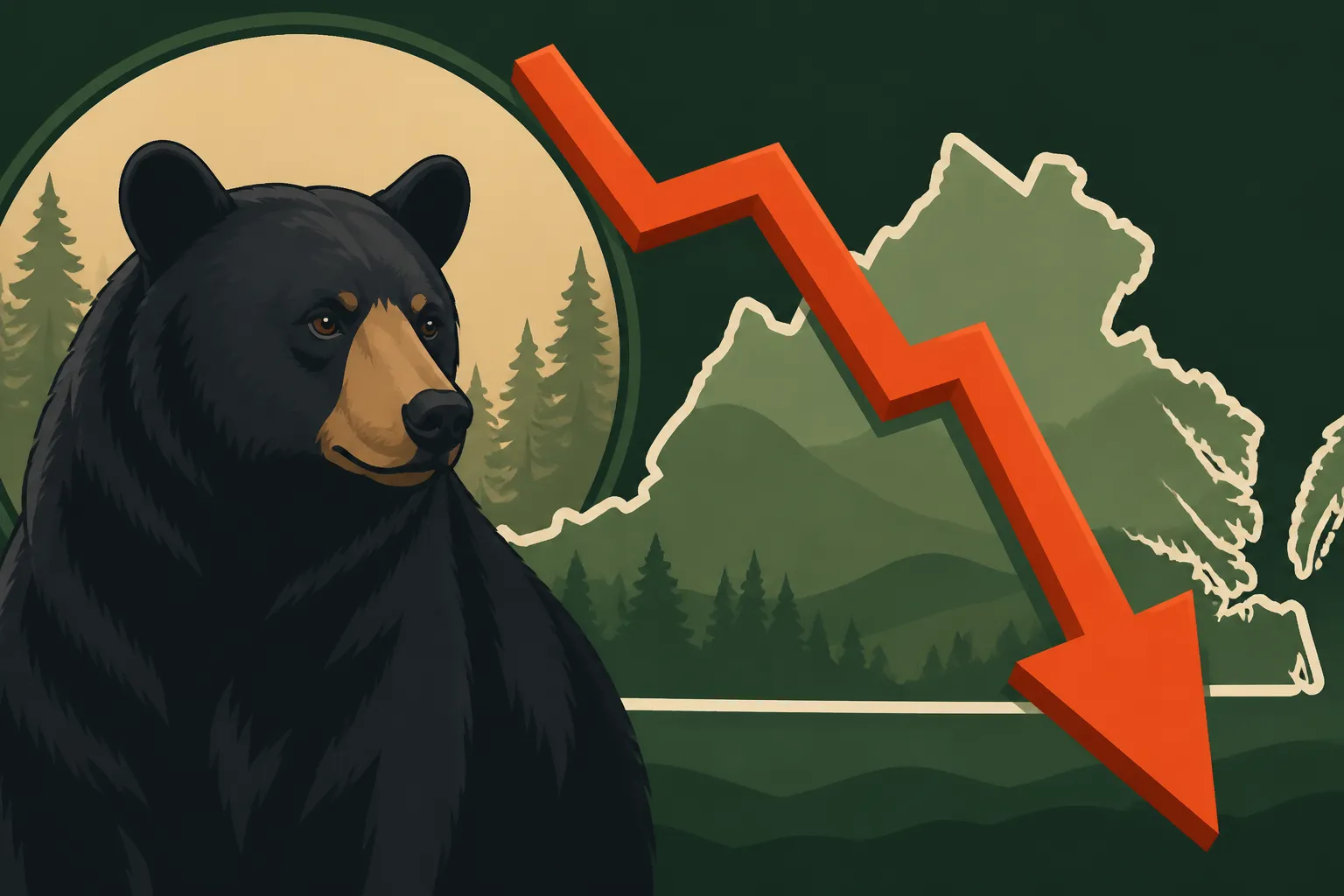
Why Virginia’s Bear Harvest Fell in 2025-26
If you've been following Virginia's black bear seasons recently, you might have noticed some chatter about a dip in the overall bear harvest during a particular hunting year. It's frustrating when you put in all that scouting time, prepare your gear, and dedicate yourself to the hunt, only to find the numbers on the statewide harvest report just aren't adding up to expectations. Many hunters have felt that shift, wondering why the bears seemed fewer and farther between. This guide dives deep into the multifaceted reasons behind a recent decline in Virginia's bear harvest, helping you understand the complex biological, environmental, and human factors at play and what it might mean for your future hunts.
Tracing the Decline: Why Virginia's Bear Harvest Numbers Shifted
For many years, Virginia has seen a remarkable success story in its black bear population. From historical lows, these incredible animals have rebounded significantly, expanding their range from the western mountains eastward into the Piedmont and even some coastal plain areas. This expansion brought about increased hunting opportunities and steadily rising harvest numbers, which became the norm. So, when there's a noticeable dip, it raises eyebrows and makes hunters question what's truly going on in the woods.
Analyzing Recent Harvest Data and Trends
When we look at harvest data, it's never just a single number; it's a tapestry woven from many threads. A decline in a recent season isn't necessarily a sign of a collapsing population, but rather a snapshot of complex interactions. The Virginia Department of Wildlife Resources (DWR) meticulously tracks these figures, and for a specific recent hunting year, the harvest did indeed show a decrease compared to previous peak seasons. This wasn't isolated to just one region but was observed across different areas of the Commonwealth.
Think about the feeling you get when you review your trail camera footage from one year to the next. Sometimes it's booming with activity, other times it feels like a ghost town. State-level harvest data is a much grander version of that. It reflects everything from the number of hunters participating, to the weather conditions on critical hunting days, to the health and abundance of the bear population itself. A reduction in harvest often sparks immediate concern, and rightfully so, because it impacts not only hunter success but also speaks to the overall health of the species. Understanding Virginia Bear Harvest Trends requires looking beyond a single season and considering the broader patterns over several years.
The Natural Ebbs and Flows of Bear Populations
Black bears are incredibly resilient animals, but their populations are far from static. They experience natural fluctuations driven by a multitude of factors, much like any other wildlife species. These cycles are often tied to resource availability, breeding success, and environmental conditions. Good mast years, for example, meaning abundant acorns, hickory nuts, and other natural foods, can lead to healthier bears, higher cub survival rates, and an overall increase in the population in subsequent years. Conversely, a poor mast year can stress sows, reduce cub production, and even lead to higher mortality rates as bears are forced to travel farther and expend more energy searching for food, sometimes pushing them into less safe areas.
Furthermore, factors like denning success play a huge role. Virginia Bear Denning Behavior dictates that pregnant sows need secure, undisturbed dens to give birth and raise their cubs through the winter. If harsh winters or human disturbance impact denning sites, it can directly affect the number of new bears entering the population. Bears also have varying dispersal rates, especially young males, moving to establish new territories, which can shift local population densities even if the overall statewide population remains robust. These are all moving parts in a very intricate biological machine.
Environmental Pressures and Habitat Changes Affecting Bears
Virginia is a dynamic state, constantly undergoing changes that inevitably impact wildlife. While black bears are adaptable, they still rely heavily on specific habitat features and a consistent food supply. When these elements are disturbed, even subtly, it can have ripple effects that influence their health, reproduction, and ultimately, hunter success.
The Role of Food Sources and Mast Crops
One of the most critical drivers of bear population health and movement is food availability, particularly the annual mast crop. Acorns from oak trees, hickory nuts, and soft mast like berries and grapes are absolutely essential to bears, especially in late summer and fall when they're trying to pack on pounds for winter denning. A boom-and-bust cycle in mast production is natural. Some years, the forests are carpeted with acorns; other years, it's noticeably sparse.
When a poor mast year hits, bears become more desperate. They travel longer distances, often moving out of typical remote forest habitats and into agricultural areas or even suburban fringes in search of food. This increased movement can make them more susceptible to vehicle collisions or encounters with humans. More importantly for hunters, bears might not be concentrated in traditional hunting areas, making them harder to locate. A localized mast failure can drastically alter where bears are found, affecting harvest numbers in areas that might normally be productive. For hunters planning their strategy, understanding these food sources is paramount, perhaps using tools like GoHunt to analyze habitat maps or consult DWR mast crop reports if available. Scouting for Late-Season Food Sources for Virginia Whitetails can often lead you to bear sign as well.
Human Development and Habitat Fragmentation
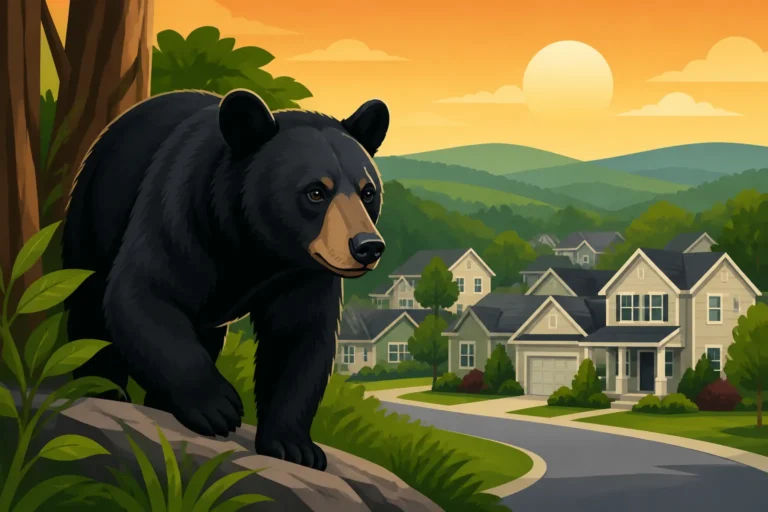
Virginia is a growing state, and with growth comes development. New housing, roads, and commercial areas chip away at continuous stretches of forest and wildlands that bears rely on. While bears have shown remarkable adaptability to living closer to humans—sometimes surprisingly close—habitat fragmentation does pose long-term challenges. When large tracts of habitat are broken up, it isolates bear populations, making it harder for them to find mates, access diverse food sources, and move safely through their home range.
Consider a mature bear living in a large national forest, like the George Washington National Forest. Their movements are relatively unrestricted. Now, imagine a bear trying to make a living in a smaller woodlot surrounded by farms and subdivisions. Their world is much smaller, with more potential dangers from roads and human conflict. While How Many Black Bears Virginia Has has seen consistent growth over the decades, the quality and connectivity of their habitat are crucial. As we see more roads, more fences, and more human activity, it changes where bears can safely live and travel, which can impact where and how hunters encounter them. This doesn't mean fewer bears overall, but perhaps a shift in where they reside and how accessible they are to hunters.
The Persistent Challenge of Mange in Bear Country
Of all the factors that can impact a bear population and, by extension, the annual harvest, disease is perhaps the most concerning for hunters and wildlife managers alike. Sarcoptic mange, in particular, has emerged as a significant threat to black bears in Virginia, playing a direct role in observed declines in some areas and impacting the overall health of the herd.
Understanding Sarcoptic Mange and Its Spread
Sarcoptic mange is a highly contagious skin disease caused by microscopic mites that burrow into a bear's skin. It leads to intense itching, hair loss, and the formation of thick, crusty scabs. As the disease progresses, bears can become emaciated, suffer from secondary infections, and eventually die from exposure, starvation, or complications. It's a truly terrible thing to witness in a wild animal. The spread of mange can be devastating in localized populations, reducing their numbers and making affected bears less likely to survive through harsh winters or successfully reproduce.
You might be wondering, how does this affect hunting? Well, simply put, a bear suffering from advanced mange is often sick, lethargic, and less active. They might not move as much, or they might seek out secluded areas away from competition. This makes them significantly harder for hunters to encounter. Furthermore, in areas where mange is prevalent, DWR might implement specific regulations or ask hunters to take particular actions to help manage the disease, which could influence harvest numbers. The increasing prevalence of mange is a complex issue, directly addressed by DWR, which monitors How Mange Affects Virginia's Bear Population very closely.
Hunter Contributions to Disease Monitoring and Management
Hunters play an absolutely critical role in helping the DWR monitor and manage the spread of diseases like mange. You, out there in the woods, are often the first line of detection. If you see a bear that appears to have mange – usually identifiable by patchy hair loss, raw skin, or obvious lesions – it's incredibly important to report it to the DWR. They use this information to track the disease's distribution and severity. GoHunt mapping technology can be used to mark locations of observed sick animals, helping to coordinate efforts.
In some Virginia's Mange-Affected Bear Counties, DWR has even implemented special regulations or requested specific actions from hunters, such as mandatory checking of harvested bears or restrictions on moving carcasses, to prevent further spread. By providing biological samples, noting observations, and adhering to reporting guidelines, hunters become essential partners in wildlife health. When you report your harvest through the Virginia Bear Checking Requirements, you're not just tagging your animal; you're contributing vital data to understanding the population's health, including disease prevalence. This collective effort informs future management decisions, aiming to mitigate the impact of mange and ensure a healthy bear population for generations to come.
Hunter Behavior, Regulations, and Future Outlook
While environmental factors and disease play a massive role, human actions, including hunting pressure and regulatory changes, also contribute to shifts in harvest numbers. The way hunters approach the season, combined with how DWR adapts its management strategies, shapes the future of bear hunting in Virginia.
Impact of Hunting Pressure and Management Adjustments
Hunting pressure can have a noticeable effect on harvest numbers, especially in accessible areas. If a specific area sees a surge in hunter activity, the bears might become more nocturnal, move to denser cover, or simply vacate the area. This isn't necessarily a bad thing for the bear population, as it encourages dispersal and can lead to a more even distribution of hunting pressure. However, it can certainly make it harder for individual hunters to find success. Think about how deer change their patterns on public land after opening day; bears can be similarly affected.
The DWR is constantly evaluating Virginia Bear Season Rules and making adjustments based on population data, harvest numbers, and public input. These adjustments might include changes to season dates, bag limits, or hunting methods in specific regions. For example, if a localized bear population shows signs of stress due to disease or overharvest, the DWR might reduce season length or restrict certain hunting methods to allow that population to recover. Conversely, if populations are thriving, they might expand opportunities. These management decisions are data-driven and aim to balance hunter opportunity with sustainable wildlife conservation.
Preparing for Future Virginia Bear Seasons
So, what does this mean for you, the Virginia bear hunter? It means being adaptable, informed, and dedicated to ethical hunting practices. While a dip in harvest in one season might feel discouraging, it's often part of a larger, complex picture. Don't let it deter your passion. Instead, use it as motivation to sharpen your skills and deepen your understanding of these incredible animals.
- Stay Informed: Keep up-to-date with DWR reports, regional biologists' recommendations, and changes in Virginia Wildlife Disease Monitoring. These resources provide invaluable insights into bear populations, health concerns, and specific regulations that might affect your hunting plans.
- Scout Smart: Focus your scouting efforts not just on finding bear sign, but on understanding current food sources and areas with minimal human disturbance. Tools like GoHunt can help you analyze terrain, identify potential bedding and feeding areas, and even locate areas with less pressure. Consider Hunting Mountain Bears in November with a renewed focus on natural food sources.
- Adapt Your Tactics: If bears are more dispersed due to poor mast crops or increased pressure, you might need to adjust your approach. This could mean more mobile hunting, employing Spot-and-Stalk Tactics for Mountain Bears, or spending more time in remote, less-pressured areas.
- Practice Ethical Harvest: Always aim for clean, humane shots. If you observe a bear that appears sick or has obvious signs of mange, exercise your judgment. Report your observations to DWR regardless of whether you harvest.
Ultimately, bear hunting in Virginia remains a challenging and rewarding pursuit. By understanding the intricate factors that influence bear populations and harvest numbers – from environmental shifts and disease pressures to management decisions and hunter behavior – you can better prepare yourself for success and contribute to the ongoing conservation of Virginia's impressive black bears.
| Factor Contributing to Harvest Shift | Potential Impact on Bear Harvest | Hunter Adaptation/Consideration |
|---|---|---|
| Poor Mast Crop (Acorns, Nuts) | Bears disperse widely for food, less concentrated, harder to locate in traditional areas. | Focus scouting on alternative food sources (berries, soft mast, agricultural edges); be more mobile. |
| Sarcoptic Mange Prevalence | Sick bears are less active, may die, leading to fewer bears available or encountered. | Report sightings of sick bears to DWR; adhere to any specific DWR guidance for affected areas. |
| Increased Hunting Pressure | Bears become more nocturnal or move to denser, less accessible cover. | Hunt remote areas, adapt to earlier/later activity patterns, use quieter entry/exit routes. |
| Harsh Winter Conditions | Reduced cub survival rates, delayed emergence from dens. | Understand bear biology and timing; focus on late-season food when bears are trying to put on weight. |
| Habitat Fragmentation | Restricted movement, increased human-bear conflict, changes in localized densities. | Utilize mapping tools like GoHunt to identify remaining contiguous habitat and travel corridors. |
| Regulatory Adjustments | Changes to season dates, bag limits, or allowed hunting methods. | Stay updated on current DWR regulations for your specific hunting zone. |
Disclaimer
This article is for general informational purposes only and does not constitute professional advice. Laws, prices and regulations vary by location and change over time. Consult a qualified professional for guidance on your specific situation.