Crop Damage Costs From Virginia Hogs
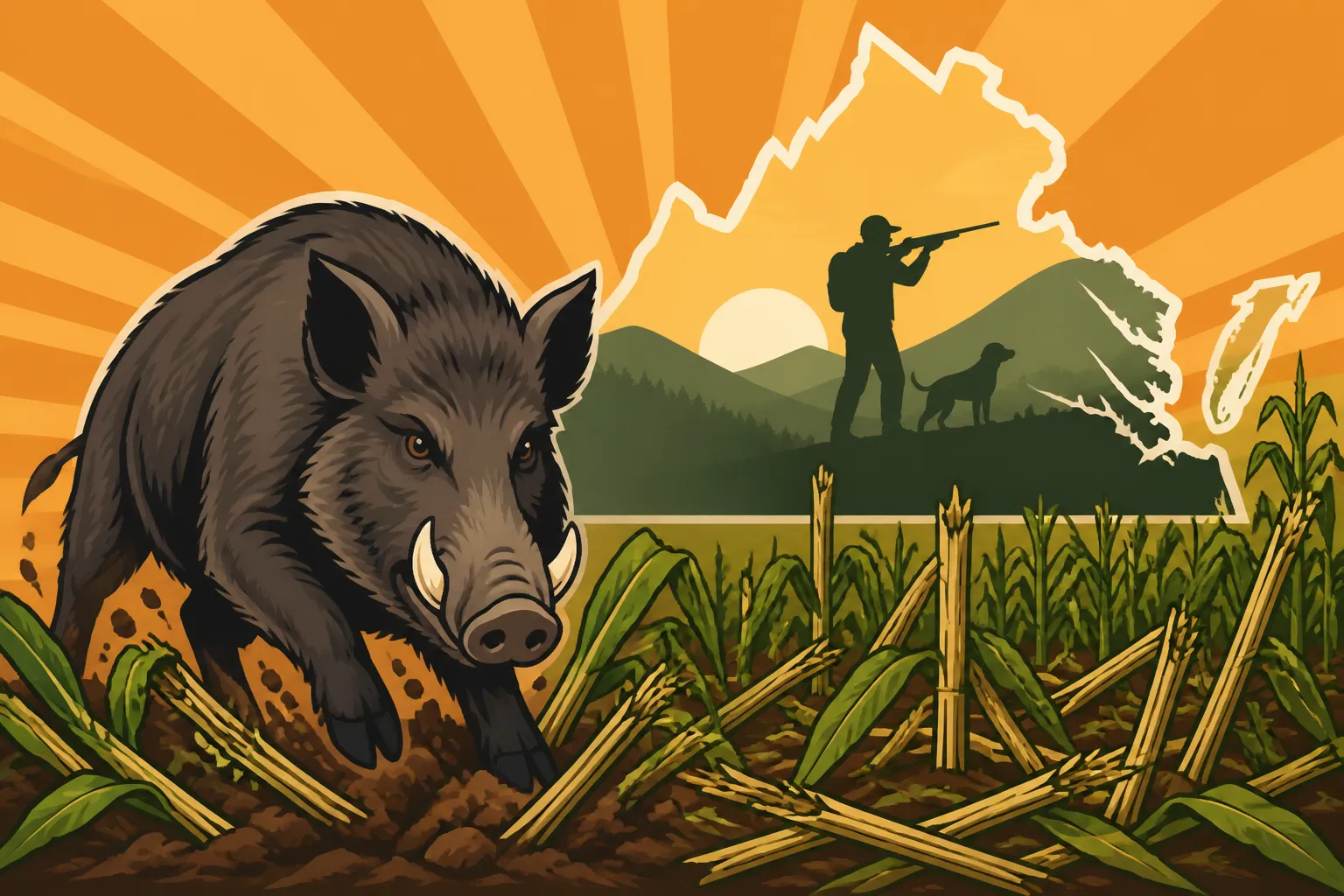
It’s a heartbreaking sight for any farmer: waking up to find a perfectly planted field ripped to shreds, rows of young corn flattened, or peanut crops rooted out and scattered. This isn't just an eyesore; it's a direct attack on their livelihood, and in Virginia, feral hogs are increasingly the culprits behind this devastating crop damage. This guide aims to shed light on the true financial costs of this invasive species for Virginia's agricultural community and explore the efforts to mitigate their impact.
The Silent Scourge: Understanding Virginia's Feral Hog Problem
Feral hogs aren't native to Virginia, but they've made themselves at home, expanding their range and numbers at an alarming rate. These destructive animals reproduce incredibly fast, making their populations explode in a short amount of time. Farmers across the Commonwealth are facing an uphill battle against these relentless foragers, and the damage isn't just cosmetic; it hits them right in the wallet.
Widespread Devastation Across the Commonwealth
While certain areas, particularly the southeastern and south-central parts of Virginia, have seen more concentrated populations, these resilient animals are now being spotted in counties where they were previously unheard of. How Wild Hogs Spread Across Virginia is a testament to their adaptability and destructive potential. They thrive in agricultural areas, where abundant food sources like corn, soybeans, wheat, and peanuts provide an irresistible buffet. But it’s not just cash crops that suffer; hayfields, pastures, and even timber plantations can be significantly impacted. Imagine investing months of labor, countless dollars in seeds, fertilizer, and equipment, only to have a sounder of hogs lay waste to acres overnight. It's a demoralizing experience that many Virginia farmers are now facing.
From Rooting to Trampling: How Hogs Destroy Crops
Feral hogs are perhaps best known for their "rooting" behavior. With their strong snouts, they churn up soil in search of roots, tubers, and insects, leaving behind a scarred, uneven landscape that looks like it's been rototilled by a giant. This rooting directly destroys crops, but the damage doesn't stop there. Young plants are trampled underfoot as hogs move through fields, often leaving behind a messy trail of broken stems and ruined produce. They'll eat mature crops, especially corn and peanuts, devouring what they can and spoiling much more than they consume. Furthermore, their wallowing in muddy areas can contaminate water sources and create eroded pockets, leading to long-term soil degradation that can affect future yields.
The Staggering Financial Toll on Farmers
The costs associated with feral hog damage are multifaceted, extending far beyond the immediate loss of crops. Farmers incur both direct and indirect expenses, creating a significant economic burden that often goes unnoticed by those outside the agricultural community.
Quantifying the Direct Losses
The most obvious financial hit comes from the direct destruction and consumption of crops. A farmer might see a percentage of their corn yield completely wiped out in a single night. This means less product to sell, leading to a direct reduction in income. Beyond the immediate harvest loss, there are the costs of replanting damaged areas, which means additional expenses for seeds, fuel, and labor. In some cases, the damage is so extensive that replanting isn't feasible, forcing farmers to simply absorb the loss. Equipment can also suffer: combine headers and tillage equipment can be damaged by the uneven terrain left by rooting hogs, leading to costly repairs and downtime during critical planting or harvesting periods. While specific figures can fluctuate wildly based on crop type, acreage, and hog density, studies from other states with similar agricultural profiles show that losses can range from hundreds to thousands of dollars per farm annually, and for large operations, even tens of thousands.
Indirect Costs and Lingering Headaches
Beyond the tangible crop losses, there's a host of indirect costs that chip away at a farmer's profitability and peace of mind. Soil erosion, exacerbated by rooting, can lead to nutrient loss and reduced soil fertility, requiring additional inputs down the line. Water quality can be compromised by hog waste in streams and ponds, which not only affects livestock but can also lead to regulatory issues. Feral hogs are also vectors for numerous diseases, including pseudorabies and brucellosis, which can be transmitted to domestic livestock, necessitating costly veterinary care, testing, or even herd culling. The sheer stress of constantly battling an intelligent, rapidly multiplying pest takes a toll on mental health. Farmers are often forced to spend countless hours monitoring fields, setting traps, or engaging in hunting efforts, diverting time and resources from other crucial farm operations.
| Type of Damage | Affected Crops/Areas | Economic Impact |
|---|---|---|
| Rooting | Corn, Soybeans, Peanuts, Pastures, Hayfields | Direct yield loss, replanting costs, soil degradation, equipment damage |
| Trampling | Young plants, any row crop | Direct yield loss, reduced plant vigor |
| Consumption | Corn, Peanuts, Small Grains | Direct yield loss, reduced market value |
| Wallowing/Waste | Water sources, pastures | Water contamination, disease risk to livestock, aesthetic damage |
| Fence Damage | Any fenced area | Repair costs, livestock escape risk |
| Disease Transmission | Livestock, humans (rare) | Veterinary costs, culling, health risks |
Strategies to Combat Crop Damage and Their Associated Costs
Addressing the feral hog problem is not a simple task; it requires a multi-pronged approach and a significant investment of time and resources. Farmers often find themselves balancing the cost of mitigation with the cost of inaction.
Trapping: A Cornerstone of Control
Trapping is widely considered one of the most effective methods for reducing feral hog populations, especially when done systematically. Large corral traps, often equipped with remote trigger mechanisms, can capture entire sounders at once. The initial investment in these traps can be substantial, ranging from several hundred to a few thousand dollars per unit. However, the long-term payoff, particularly for a diligent farmer, can be immense. Trapping also requires a significant time commitment for baiting, monitoring, and dispatching captured animals. Farmers often work closely with wildlife agencies or private trappers to implement these strategies. Learning effective trapping techniques and understanding hog behavior is crucial, and resources like Trapping Virginia Feral Hogs can provide valuable insights.
Hunting and Removal Efforts
Hunting, particularly through organized efforts, plays a vital role in managing feral hog populations and reducing crop damage. Virginia's regulations are favorable for private landowners and their invited guests, allowing for hunting of feral hogs year-round on private land, with no bag limits. This means farmers can leverage hunters as a valuable asset in their fight. Modern technology can even aid in these efforts; for instance, a hunter using a reliable hunting app like GoHunt can easily identify property boundaries and access points, ensuring they are hunting legally and effectively to help landowners. Night Hunting Hogs With Lights on Private Land is another highly effective method permitted in Virginia on private land, often proving more successful due to hogs' nocturnal habits. While hunting alone rarely eradicates a population, it significantly supplements trapping efforts and helps to keep numbers down, reducing the pressure on valuable crops.
Fencing and Exclusion: Pros and Cons
For some farmers, particularly those with high-value crops or smaller fields, exclusion fencing can be a viable, albeit costly, option. Electric fences, often multi-strand systems with low wires close to the ground, can deter hogs. Woven wire fencing, buried slightly below ground level, can also be effective. The initial expense for materials and installation for such fencing can be considerable, easily running into thousands of dollars per acre-foot depending on the type and length required. While effective, fences require constant maintenance to ensure they remain functional and that hogs don't find weak spots or dig underneath. For large-scale agricultural operations, fencing off entire fields might be cost-prohibitive, making trapping and hunting more practical solutions.
Navigating Regulations and Seeking Assistance
Understanding the legal framework surrounding feral hogs and knowing where to turn for help are critical steps for any Virginia landowner dealing with this issue. The good news is that Virginia recognizes the severity of the problem and provides avenues for action.
Virginia's Approach to Feral Hog Management
The Commonwealth of Virginia considers feral hogs an invasive species, and their management falls under the purview of the Virginia Department of Wildlife Resources (DWR). The DWR actively works to control and monitor feral hog populations, viewing them as a threat to native wildlife, agricultural interests, and forest health. The regulations reflect this aggressive stance, allowing for liberal hunting opportunities. For example, Virginia Feral Hog Regulations permit the take of feral hogs year-round with no bag limit on private land during daylight hours, and with landowner permission, night hunting with lights is also allowed. This flexibility is crucial for farmers seeking to protect their crops, as it allows for immediate and ongoing response to hog incursions. Knowing these rules is paramount, and tools like GoHunt can provide readily accessible information on current regulations, helping hunters and landowners stay compliant while maximizing their efforts.
Resources for Affected Landowners
If you're a Virginia landowner struggling with feral hog damage, you're not alone, and help is available. The Virginia DWR offers guidance and technical assistance to landowners regarding effective control methods. Your local extension office, often affiliated with Virginia Tech, can also be an invaluable resource, providing research-backed advice on integrated pest management specific to your region and crops. These resources can help you understand the best strategies for your specific situation, whether it's setting up effective traps or coordinating with local hunters. In counties like those detailed in Which Virginia Counties Have the Most Hogs, where hog populations are particularly dense, connecting with a broader community of affected landowners and hunters can also prove beneficial for shared strategies and coordinated efforts.
The Hunter's Role in Mitigation
Hunters are undeniably a significant part of the solution to Virginia's feral hog problem. By actively pursuing hogs, they contribute directly to population reduction, thereby alleviating pressure on agricultural lands. Encouraging ethical and responsible hunting by providing access to your land can be a mutually beneficial arrangement. Hunters gain an opportunity, and you gain assistance in managing a destructive pest. It's a true partnership, and platforms like GoHunt can even help facilitate these connections by enabling landowners to share information about hog activity or connect with responsible hunters who are eager to help. The more hunters participate in the year-round effort to reduce these invasive populations, the less damage farmers will ultimately face from these prolific and destructive animals.
Disclaimer
This article is for general informational purposes only and does not constitute professional advice. Laws, prices and regulations vary by location and change over time. Consult a qualified professional for guidance on your specific situation.