Virginia Waterfowl Banding Programs
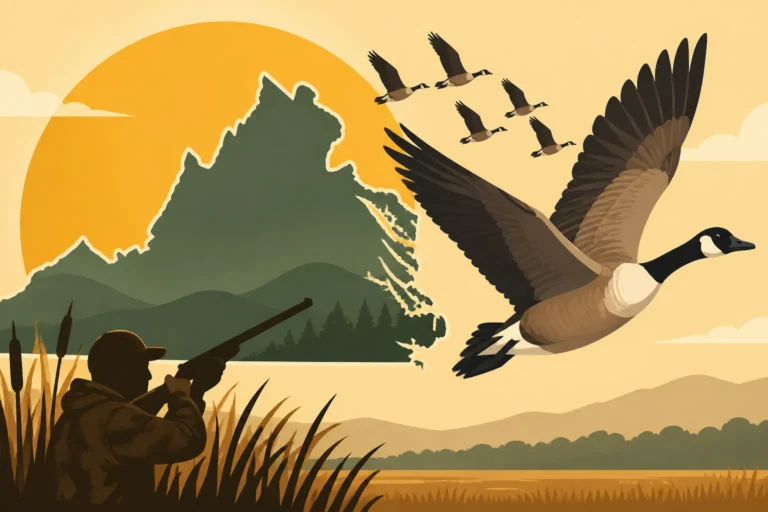
There’s nothing quite like the rush of a flock of mallards circling low over your decoys, or the distant honking of geese growing louder as they approach your spread on a frigid morning. For Virginia waterfowl hunters, these moments are often the culmination of planning, scouting, and a deep appreciation for the natural world. But did you know that every once in a while, you might harvest a bird that carries a secret – a small metal band on its leg – that connects you directly to a massive, ongoing scientific endeavor? This guide is all about Virginia's waterfowl banding programs, explaining why they're so vital, how they work, and most importantly, what you should do if you're lucky enough to find one of these tiny pieces of data.
The Critical Role of Waterfowl Banding in Conservation
When you pull that trigger, you're not just harvesting a duck or a goose; you're often interacting with a population that spans continents, following ancient migration routes down the Atlantic Flyway. Ensuring these populations remain healthy and abundant for future generations of hunters and wildlife enthusiasts isn't just a hope, it's a dedicated scientific effort. That's where waterfowl banding comes into play, serving as a cornerstone of migratory bird management.
Think of bird banding as a vast, long-term census and tracking system. Biologists, working for state agencies like the Virginia Department of Wildlife Resources (DWR) and federal partners like the U.S. Fish and Wildlife Service (USFWS), attach lightweight, numbered metal bands to the legs of wild waterfowl. These bands are like tiny, unique ID tags. The data collected from these tags, especially when a bird is later recovered (usually by a hunter), provides an incredible wealth of information. It helps us understand migration patterns, survival rates, breeding success, and the impact of hunting pressure across different regions. Without this direct, individual bird data, managing these migratory species would be like trying to navigate a dense fog – you'd be guessing at best. It's a critical tool that informs the Virginia Waterfowl Zones and Seasons and ultimately helps set the Virginia Duck and Goose Bag Limits we abide by each year, ensuring sustainable hunting opportunities.
This isn't just about a cool souvenir for your lanyard, though that's certainly a perk. Each band recovered and reported adds another crucial dot to a massive biological map. It helps conservationists understand the health of specific duck and goose populations, identifying trends that might signal a need for changes in habitat protection, harvest regulations, or even disease monitoring efforts. For example, if a particular population of mallards shows consistently low survival rates based on band returns, biologists can investigate whether it's due to habitat loss on their breeding grounds up north, increased predation, or perhaps too much harvest pressure in certain areas they pass through, including states like Virginia.
How Waterfowl Banding Programs Operate in Virginia
Waterfowl banding isn't a random occurrence; it's a highly organized, often labor-intensive process carried out by dedicated professionals and trained volunteers. In Virginia, these efforts are primarily led by the DWR in cooperation with federal agencies. The timing is crucial, typically occurring during the summer months or early fall before the major migration pushes begin. This allows biologists to capture birds when they are flightless (during molting periods) or congregating in specific areas, making capture more feasible and less stressful for the birds.
Specific locations across Virginia are chosen for their high concentrations of waterfowl. These might include remote marshes along the coast, managed impoundments on Wildlife Management Areas (WMAs), shallow ponds, or sections of rivers that serve as important staging grounds for ducks and geese. The methods vary depending on the species and location. For ducks, biologists might use specialized bait traps or drive traps, where birds are gently herded into large enclosures. For Canada geese, especially during their flightless molt, cannon nets (also known as rocket nets) are often employed, deploying a large net over a flock to capture many birds simultaneously. Safety and minimizing stress for the birds are always paramount during these operations.
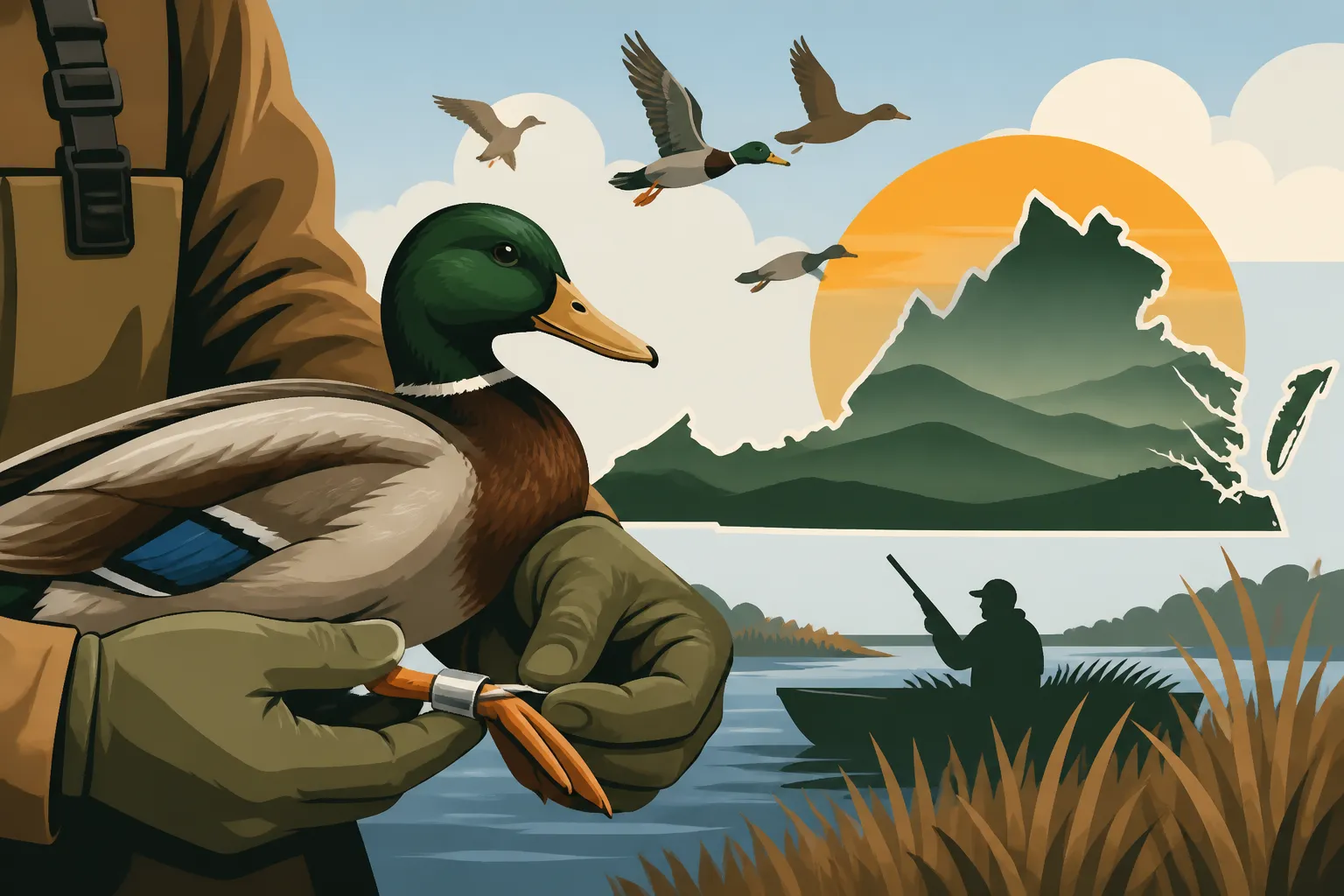
Once captured, each bird is carefully handled. A small, uniquely numbered metal band is attached to one of its legs. This band is designed to be durable, non-constricting, and to remain on the bird for its lifetime without hindering movement or flight. Before release, biologists record vital data for each individual bird: its species, its age (e.g., juvenile, adult), its sex, and the precise date and location of the banding. This information is meticulously entered into a central database maintained by the Bird Banding Laboratory (BBL) of the USFWS Patuxent Wildlife Research Center. This federal repository holds records for millions of banded birds across North America, creating a comprehensive picture of migratory bird populations. Imagine trying to research prime Hunting the Virginia Rut in November locations or scout for deer without good data; it's the same for waterfowl management, and banding provides that critical baseline.
Your Role as a Hunter: Reporting Banded Birds
You've done all the hard work – scouted your spot using tools perhaps like GoHunt's detailed maps, set up your decoys perfectly, braved the cold, and made a clean shot. Now, as you retrieve your bird, you notice it: a small, shiny metal band on its leg. This isn't just a rare find; it's a direct invitation to become a citizen scientist and contribute directly to waterfowl conservation. Reporting that band is absolutely critical. It's the "return" half of the equation that makes the entire banding program work. Without hunters reporting their recoveries, the data loops remain incomplete, and biologists lose valuable insights into survival, migration, and harvest impacts.
Here's what you need to do if you harvest a banded bird:
- Secure the Band: The most important thing is to keep the band itself. Don't lose it.
- Locate the Band Number: Each band will have a unique 7- to 9-digit number printed on it. This is the primary piece of information needed.
- Note the Details: Before you get home and start thinking about dinner, make sure you write down or make a mental note of:
- The species of bird you harvested (e.g., Mallard, Green-winged Teal, Canada Goose).
- The exact date you harvested the bird.
- The precise location where you harvested it. Think about the nearest landmark, county, water body, or GPS coordinates if you have them. For example, was it in a flooded timber stand in Wood Ducks in Virginia Swamps or over decoys on Mallards and Divers on the Chesapeake Bay?
- Report the Band: The easiest and most recommended way to report a band is online at reportband.gov. You can also call the toll-free number printed on most bands. The website is intuitive and guides you through the process. You'll enter the band number, the species, date, and location of recovery.
- Provide Your Contact Information: You'll be asked for your name and address. This is so the Bird Banding Lab can send you a Certificate of Appreciation, which will include details about when and where your bird was originally banded. It’s a neat way to learn the history of your bird and connect your hunt to a larger journey.
It can be tempting to just keep the band as a memento and forget about reporting, but please resist that urge. Each unreported band represents a lost data point that could have helped inform future Virginia Waterfowl Migration Timing studies or adjustments to Virginia Duck Harvest Numbers. Your participation is what makes this program a success, connecting hunters directly to the science of conservation.
Unpacking the Data: What Bands Tell Us About Virginia's Waterfowl
The moment you report a band, that unique number goes into a massive database, linking your recovery to the original banding record. This seemingly small action contributes to an immense pool of scientific knowledge that helps manage migratory birds across North America. The data gleaned from these banding programs is incredibly powerful and paints a detailed picture of waterfowl populations.
One of the most immediate insights from band returns is understanding migration routes. When a duck banded in Saskatchewan is recovered in Virginia Beach, it confirms a specific flyway pathway. Over thousands of such reports, biologists can map out the precise corridors different populations use, where they stop to rest and feed, and their ultimate wintering grounds in Virginia and beyond. This information is crucial for habitat conservation efforts, ensuring critical wetlands and stopover points are protected along these routes. Imagine the power of seeing a map showing where individual birds, like the one you harvested, traveled from its birthplace all the way to your hunting grounds!
Banding also provides vital information on survival rates and harvest distribution. By knowing how many banded birds are harvested year after year, and where they're taken, biologists can estimate the annual survival rates of different age and sex classes within a population. They can determine if harvest rates are sustainable or if they are impacting the long-term health of a particular population. For example, if many birds banded in the breeding grounds are harvested in a specific Hunting the Eastern Shore Marsh area of Virginia, that helps managers understand the hunting pressure in that region and how it relates to the overall population. GoHunt and similar platforms often aggregate publicly available harvest data, but the banding program underpins the accuracy of these figures.
Furthermore, banding helps in determining age structure and sex ratios within populations. This is particularly valuable for understanding breeding success. A high proportion of juvenile birds among band returns suggests a successful breeding season, while a low proportion might indicate challenges on the breeding grounds. This data, combined with other surveys, helps DWR and USFWS fine-tune regulations. For instance, if a species shows declining recruitment (fewer young birds), biologists might recommend more conservative Virginia Duck and Goose Bag Limits for that species to allow the population to recover.
The table below summarizes the key pieces of information collected and why they are so vital:
| Information to Collect | Why It's Important |
|---|---|
| Band Number (7-9 digits) | Unique identifier for the bird, links to its banding record. |
| Species of Bird | Confirms the target population being studied. |
| Date of Harvest | Establishes timing of migration and survival. |
| Location of Harvest | Pinpoints migration pathways and wintering areas in Virginia, or specific Layout Blind Hunting Eastern Shore Fields zones. |
| Hunter Contact Info | Allows for certificate mailing and follow-up if needed. |
These programs are a testament to how science, conservation, and hunting can intertwine to create a robust management system. Every reported band helps maintain the health of Canada Geese on Virginia Farmland and Hunting Chesapeake Bay Diving Ducks, ensuring these incredible resources are available for future generations of Virginia hunters. It also underpins the science behind requirements like your Virginia Federal Duck Stamp Requirement and Virginia HIP Certification for Bird Hunters, which directly fund habitat conservation. So, the next time you're in the blind, keep an eye out for that tiny bit of metal – it’s your chance to directly contribute to the legacy of waterfowl hunting.
Disclaimer
This article is for general informational purposes only and does not constitute professional advice. Laws, prices and regulations vary by location and change over time. Consult a qualified professional for guidance on your specific situation.