Virginia Hog Trapping Success Rates
Feral hogs are a growing headache for landowners and hunters across Virginia, leaving a path of destruction in their wake. Their elusive nature and rapid reproduction can make controlling them feel like an uphill battle, often leaving folks wondering if their efforts to trap these destructive animals are even worth it. This guide will dive deep into the factors that influence Virginia hog trapping success rates, helping you understand how to maximize your chances of removing these problematic critters from your property.
Understanding the Challenges of Feral Hog Trapping in Virginia
Before we even talk about success, it's important to acknowledge just how tricky feral hogs can be. These aren't your average barnyard pigs; they're wild, intelligent, and incredibly adaptable creatures that have learned to survive and thrive in a variety of Virginia's landscapes, from the dense woods of the Piedmont to the river bottoms of the Tidewater region. Their nocturnal habits, wariness of new objects, and uncanny ability to avoid detection contribute to the complex challenge of effective trapping. It's a game of wits, patience, and strategy, and expecting instant results often leads to frustration.
The Elusive Nature of Feral Hogs
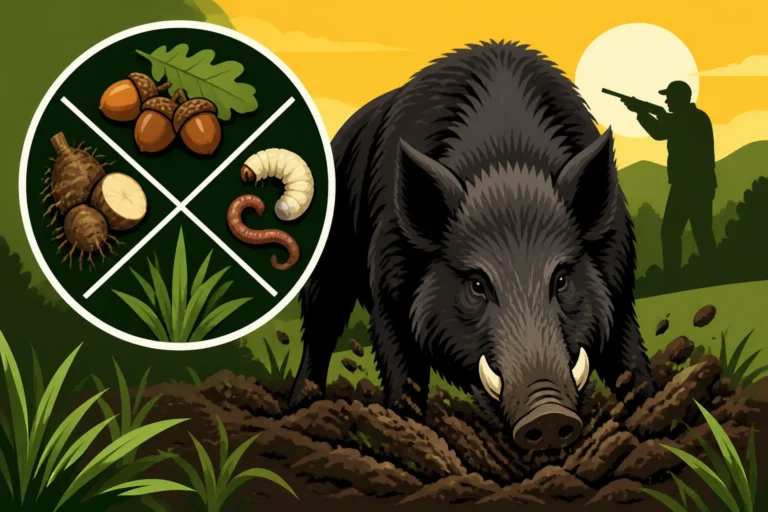
One of the biggest reasons trapping success can feel like a moving target is the sheer evasiveness of feral hogs. They operate largely under the cover of darkness, making daylight scouting and observation less effective. You might find significant rooting or wallows, but rarely see the culprits themselves. This stealthy behavior means that placing a trap randomly in an area with sign might not be enough to entice them. You need to understand their travel patterns, feeding habits, and bedding areas, which can shift with seasons, food availability, and even hunting pressure.
Imagine setting up a perfect snare in a mature oak stand, only to check it day after day with no luck. Meanwhile, the hogs have shifted their primary feeding to a distant cornfield, completely bypassing your setup. This is a common scenario, and it highlights the need for continuous scouting and adaptability. Using trail cameras, particularly those with night vision capabilities, can be invaluable in pinpointing their exact movements and preferred times of activity, giving you a much clearer picture of when and where to focus your trapping efforts. Reading Virginia Mud for Fresh Deer Movement can also offer clues, as hog tracks are quite distinct.
Rapid Reproduction and Population Dynamics
Another critical factor that heavily impacts overall success rates, even with effective trapping, is the astonishing reproductive capacity of feral hogs. A sow can become reproductively active as early as six months old and can have two litters of four to ten piglets per year. Do the math, and you'll quickly see how a small group can explode into a massive problem in a very short time. This means that even if you catch a few hogs, the remaining population can quickly replenish its numbers, making sustained, aggressive trapping efforts absolutely essential.
Think about it: you spend weeks, maybe months, perfecting a trap setup and catch 15 hogs. You feel a sense of accomplishment, and rightly so! But if you've only removed a fraction of the sounder, or if other sounders move into the vacant territory, the problem hasn't truly gone away. For long-term success, you need to aim for near-total eradication of a sounder rather than just picking off individuals. This often requires larger traps, prolonged pre-baiting, and a commitment to ongoing monitoring. You're not just reducing a population; you're battling a biological phenomenon. Why Piedmont Hogs Reproduce So Fast sheds more light on this issue.
Key Factors Influencing Trapping Success Rates
So, with these challenges in mind, what does make for successful hog trapping in Virginia? It boils down to a combination of strategic planning, understanding hog behavior, and deploying the right tools and techniques. It's not just about setting a trap; it's about setting the right trap in the right place at the right time, consistently.
Trap Type and Design
The type of trap you choose plays a huge role in your success. Small box traps might catch a single hog, but they are rarely effective for removing an entire sounder. To achieve significant population reduction, you need traps that can hold multiple animals.
| Trap Type | Advantages | Disadvantages | Ideal Scenario |
|---|---|---|---|
| Box Trap | Portable, easy to set up, good for single problem hogs | Low capacity, hogs can become trap-shy quickly | Small-scale issues, new hog sightings, urban areas |
| Snare Trap | Inexpensive, low visibility, effective for travel lanes | Single-catch, requires skill to set, non-target risk | Specific trail intercepts, careful monitoring |
| Corral Trap | High capacity, can catch entire sounders | Requires significant materials/labor, less portable | Large properties, persistent hog problems |
| Gate Trap (Panel) | High capacity, adaptable, often remote-triggered | Initial investment, setup time, might need a trailer | Long-term control, targeting wary sounders, remote areas |
For serious hog control, corral or gate traps are often the way to go. These large, robust traps are designed to capture an entire sounder at once. They typically involve multiple panels forming a large enclosure, often with a rooter or guillotine-style gate that can be triggered remotely or by the hogs themselves. Investing in a good quality, well-designed trap is paramount, as flimsy construction can lead to escapes and trap-shy hogs. For comprehensive guidance on setting these up, refer to Trapping Virginia Feral Hogs.
Strategic Placement and Pre-Baiting
Location, location, location! Just like real estate, trap placement is critical. You can have the best trap in the world, but if it's not where hogs are actively feeding or traveling, it's useless. Look for fresh rooting, tracks, wallows, and rubs on trees. Think about natural funnels, creek crossings, field edges, or areas where timber meets open ground. These are all prime locations for hog activity. Using mapping tools like GoHunt can help you analyze terrain, identify potential travel corridors, and even locate property lines to ensure your trapping efforts are legal and effective.
Once you've identified a promising spot, pre-baiting is non-negotiable for high success rates, especially with larger corral traps. This involves baiting the area without setting the trap for several days, or even weeks. The goal is to habituate the hogs to feeding at that specific spot, allowing them to overcome their natural wariness of the trap structure. Start by scattering bait outside the trap, then gradually move it inside the trap, eventually placing it under the trigger mechanism. Once they are comfortable entering and feeding regularly, then you set the trap. This patience pays off exponentially.
Bait Selection and Consistency
Hogs are opportunists, but certain baits are more effective than others. Corn, especially fermented or soured corn, is a universal favorite. The smell carries far and attracts them consistently. Other effective baits include fruits, vegetables, stale bread, dog food, or even commercially available hog attractants. The key is to use a bait they are accustomed to and that is readily available in your area. Feral Swine Genetics and Origin might offer some insight into their dietary preferences.
Consistency in baiting is crucial during the pre-baiting phase. Hogs are creatures of habit, and they'll quickly learn to visit your bait site if it's regularly replenished. If you're inconsistent, they might move on to another food source. Make sure you're distributing enough bait to keep them coming back, but not so much that they clean it out immediately and lose interest. The goal is to build their confidence in the feeding site before you ever engage the trap.
Maximizing Your Chances: Best Practices for Hog Trapping
Achieving high success rates in Virginia hog trapping isn't a one-and-done deal; it's an ongoing process that requires dedication and a strategic approach. It's about understanding the nuances of hog behavior and adapting your methods to their patterns.
Monitoring and Timing
Regular monitoring of your trap site is essential. Trail cameras are your best friend here. They allow you to observe hog activity without disturbing the area, showing you exactly when they visit, how many are in the sounder, and if they're entering the trap confidently. This intelligence is invaluable for deciding when to set the trap. If you have a remote-controlled gate, cameras enable you to wait until the entire sounder is inside before triggering it, dramatically increasing your catch.
Timing your trap sets can also make a difference. Hogs are often most active during cooler parts of the day, particularly dawn, dusk, and throughout the night. Setting traps in the late afternoon and checking them early the next morning can be effective. After a significant rain, hogs might be more active in searching for food, making it a good time to freshen your bait. Pay attention to local agricultural cycles; when crops are harvested, hogs often concentrate in smaller, unharvested areas or move to new food sources, which can present excellent trapping opportunities.
Group Trapping for Sounder Eradication
As mentioned before, targeting the entire sounder, not just individual hogs, is the pinnacle of effective hog trapping. This strategy is critical because if you only catch a few, the remaining hogs will become incredibly trap-shy, making future trapping efforts nearly impossible. They learn from their mistakes and the distress calls of captured companions. That's why large, multi-catch traps and remote trigger systems are so valuable.
When you capture an entire sounder, you're removing not only the adults but also the future generations, which has a much greater impact on the local population. It requires patience during the pre-baiting phase, but the payoff is significant. Imagine the satisfaction of removing twenty or more destructive hogs in one go, knowing you've made a real dent in the problem. How Many Feral Hogs Virginia Has and Crop Damage Hogs Cause in Virginia highlight why sounder eradication is so important for the state's ecosystem and agriculture.
Dealing with Trap-Shy Hogs
It's inevitable: at some point, you'll encounter trap-shy hogs. These are the ones that have either been caught and escaped, or have witnessed others being caught. They're incredibly wary and will often skirt around your trap, even if there's tempting bait inside. This is where your ability to adapt becomes crucial.
- Change the bait: Try a new attractant. Sometimes a different smell or taste can pique their curiosity.
- Relocate the trap: Move the trap to a completely new area where hogs might feel more secure, even if the sign isn't as fresh.
- Camouflage: Naturalize the trap by brushing it in with local vegetation, making it blend into the surroundings. Over time, the hogs might become less suspicious.
- Remove the gate: For extremely wary hogs, remove the gate entirely during an extended pre-baiting period, allowing them to freely enter and exit the trap. Once they are completely comfortable, reintroduce the gate, but keep it open for a few more days before finally setting it. This can often trick them into feeling safe.
Remember, persistence is key. Even the smartest, most trap-shy hog can eventually be outsmarted with enough patience and strategic adjustments. Night Hunting Hogs With Lights on Private Land offers another control method for those particularly challenging individuals.
Legal Considerations and Reporting for Virginia Hog Trapping
While trapping feral hogs on your own private land is generally encouraged in Virginia due to their destructive nature, there are still important regulations to be aware of. Staying within the law protects you and ensures your efforts are aligned with state wildlife management goals.
Virginia's Year-Round Hog Regulations
One of the great things about tackling feral hogs in Virginia is that they are not considered game animals. This means there's generally no closed season or bag limit on private land, and you can pursue them year-round. This flexibility is crucial for effective management, as it allows you to trap whenever and wherever the opportunity arises. However, this freedom comes with responsibility.
Always double-check local ordinances and any specific restrictions in your county. While the statewide regulations are permissive, individual counties or municipalities might have rules regarding trap placement near residences, discharge of firearms if you're dispatching captured hogs, or other localized concerns. It’s also vital to ensure you have permission to trap on any land you don't own. Virginia's Year-Round Hog Rule on Private Land provides a full breakdown of these regulations.
Importance of Landowner Permission
This should go without saying, but trapping on land you do not own absolutely requires explicit permission from the landowner. Even if you see hogs on adjacent property that are causing issues on yours, you cannot set traps on their land without their consent. Trespassing with traps can lead to legal issues and tarnish the reputation of hunters and trappers. Always ask, always get clear permission, and ideally, have it in writing if you're establishing a long-term trapping presence.
If you are working across property lines or need to access a neighbor's property to retrieve a trapped hog, make sure those conversations happen before you ever set a trap. Clear communication and good neighborly relations are essential, especially when dealing with a problem species that doesn't respect property boundaries. Utilizing tools like GoHunt or onX Layers for Virginia Land Status can help you clearly delineate property lines and understand who owns adjacent parcels, making it easier to seek permission. Virginia Trespass and Permission Law outlines the specifics of land access.
Reporting Hog Catches to DWR
While not always mandatory, reporting your hog catches to the Virginia Department of Wildlife Resources (DWR) can be incredibly helpful for statewide management efforts. The DWR uses this data to track population trends, identify problem areas, and assess the effectiveness of different control strategies. By sharing your success (and even your failures), you contribute valuable information to the broader understanding of feral hog distribution and impact in Virginia.
Often, the DWR might even provide resources or advice on trapping if you reach out to them. They are a great source of information on best practices and might be able to connect you with other landowners or programs in your area. Think of it as a community effort: the more data they have, the better equipped the state is to combat this invasive species. While there isn't a specific "hog reporting app," keeping good records of your catches can be beneficial for everyone involved.
Conclusion
Successfully trapping feral hogs in Virginia is certainly achievable, but it's far from a simple task. It demands patience, careful planning, and a deep understanding of hog behavior. By choosing the right trap, employing strategic placement and consistent pre-baiting, and adapting your methods to trap-shy animals, you can significantly increase your success rates. Remember, the goal isn't just to catch a hog or two, but to make a lasting impact on their population, ideally by removing entire sounders. Stay diligent, stay informed about DWR guidelines, and keep at it – every hog removed is a win for Virginia's natural resources and agricultural lands.
Disclaimer
This article is for general informational purposes only and does not constitute professional advice. Laws, prices and regulations vary by location and change over time. Consult a qualified professional for guidance on your specific situation.