Virginia Opossum and Skunk Trapping
Virginia wildlife regulations, licensing rules, and effective trapping methods help residents manage nuisance opossums and skunks.
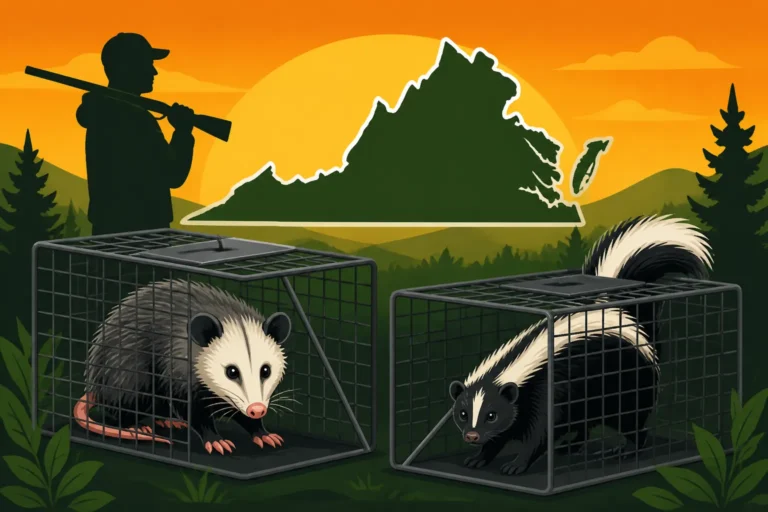
Virginia wildlife regulations, licensing rules, and effective trapping methods help residents manage nuisance opossums and skunks.
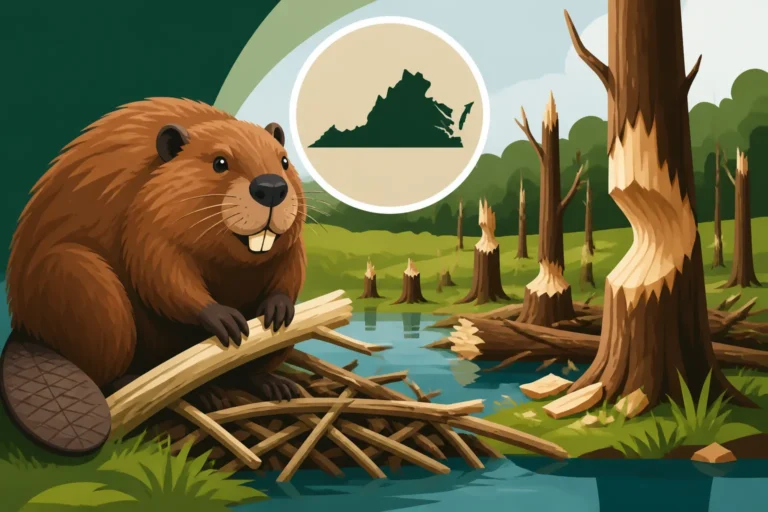
Virginia beaver populations and their property damage are explained alongside management strategies for affected landowners.
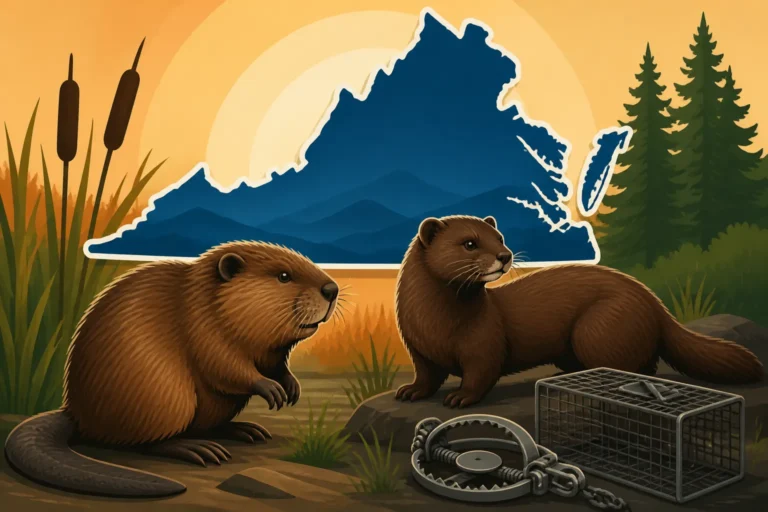
Virginia muskrat and mink population trends, habitat factors, and historical status help trappers track furbearers successfully across the Commonwealth.
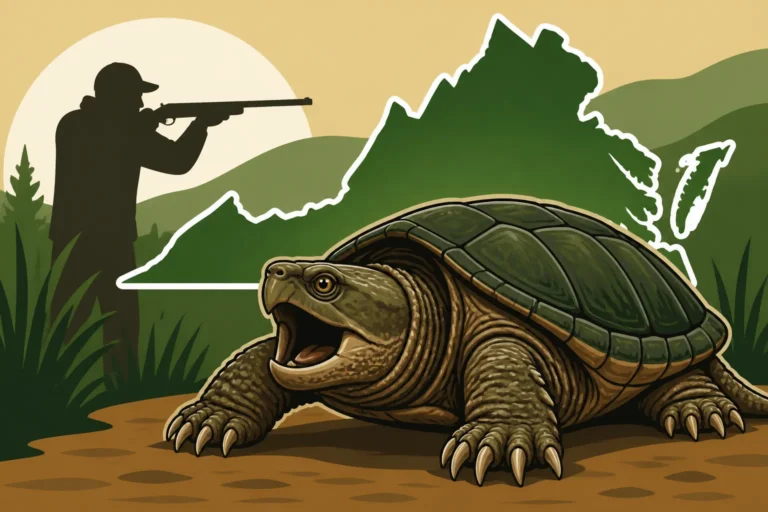
Virginia Department of Wildlife Resources regulations for legally harvesting snapping turtles explain legal methods, limits, and sustainability.
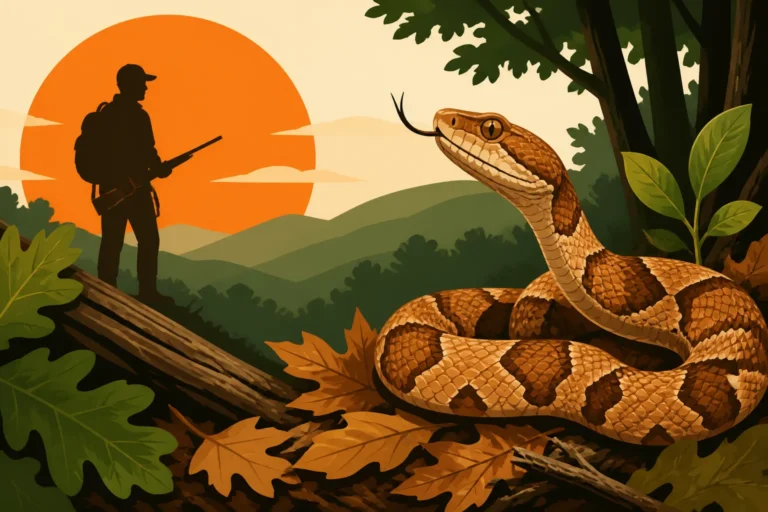
Virginia copperhead identification, habitats, and safety rules help hunters avoid dangerous snake encounters in the woods.
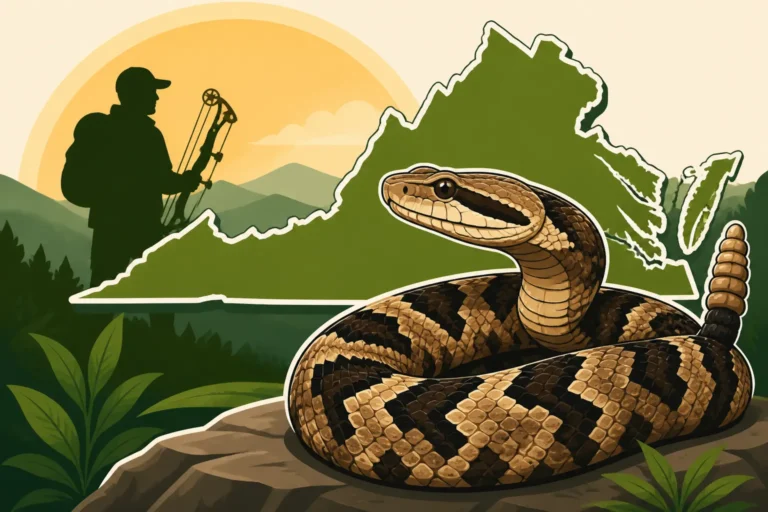
Virginia timber rattlesnake range details, physical identification, and their ecological role controlling rodents across local forests.
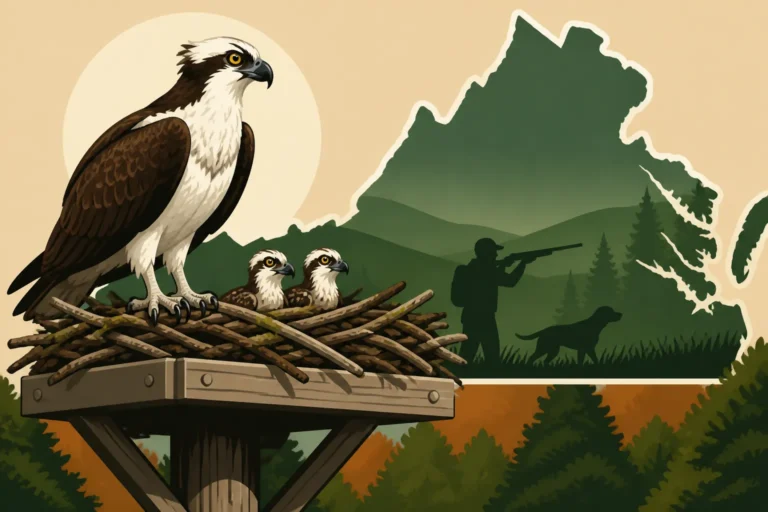
Virginia osprey nesting platforms provide artificial sites that support local raptor recovery and maintain healthy aquatic ecosystems.
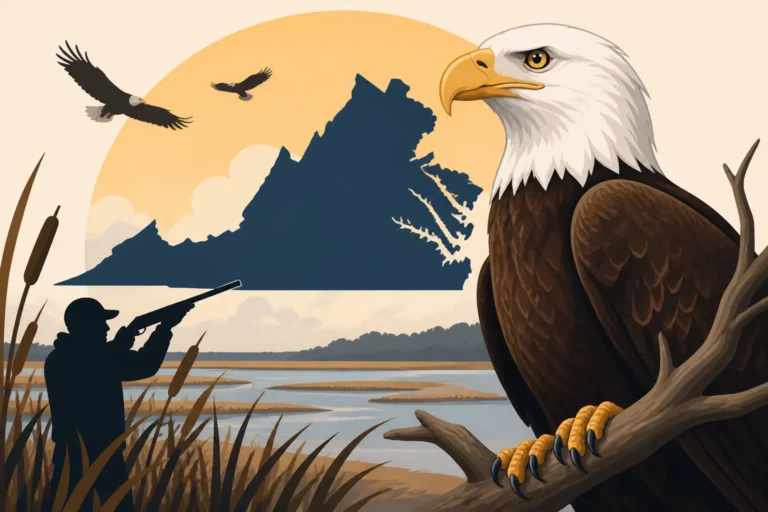
Virginia bald eagle recovery near the Chesapeake Bay explains how conservation and reduced pesticide use saved the national bird.
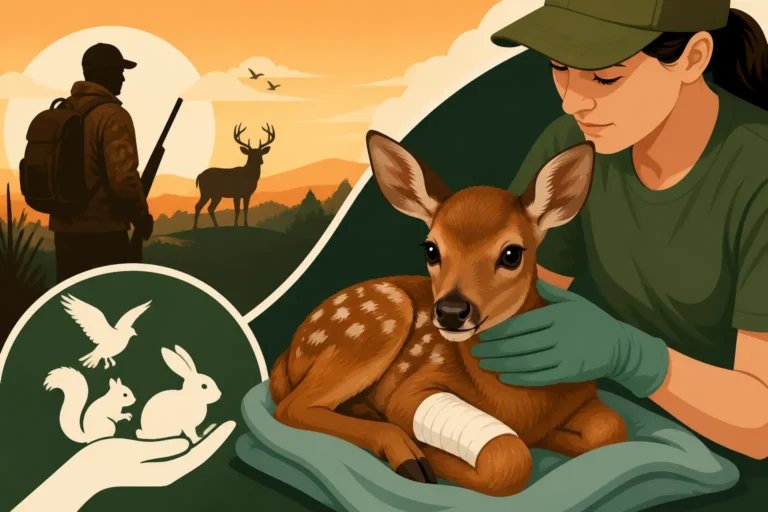
Virginia wildlife rehabilitation procedures explain how to contact the Department of Wildlife Resources and help injured animals safely.
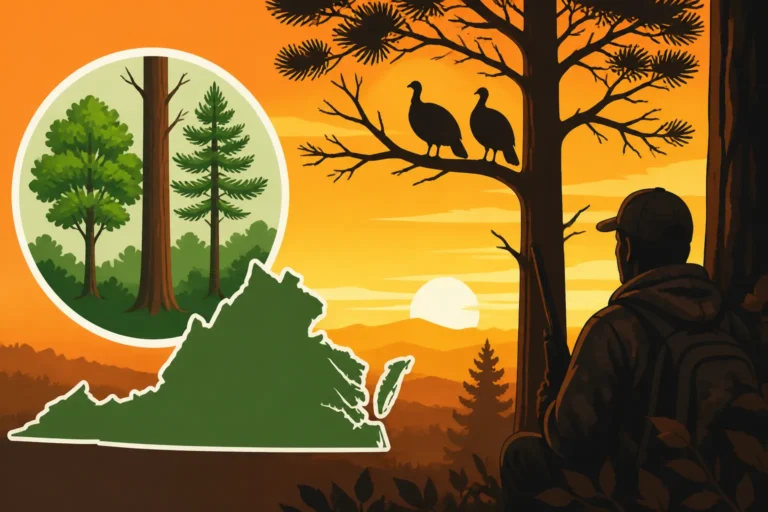
Virginia turkey roost tree preferences include mature hardwoods like oaks, poplars, and hickories, offering safety, height, and unobstructed views.