Donating Venison in Virginia
Hunters for the Hungry connects Virginia hunters with meat processors to supply nutritious venison to food banks and soup kitchens.
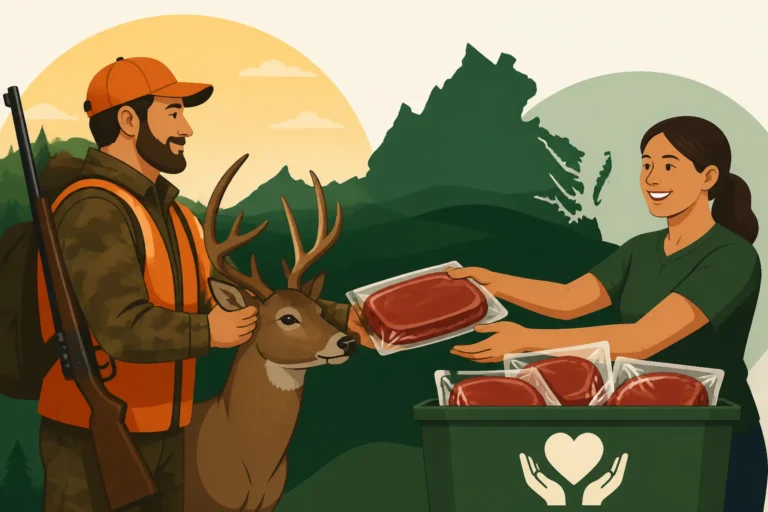
Hunters for the Hungry connects Virginia hunters with meat processors to supply nutritious venison to food banks and soup kitchens.
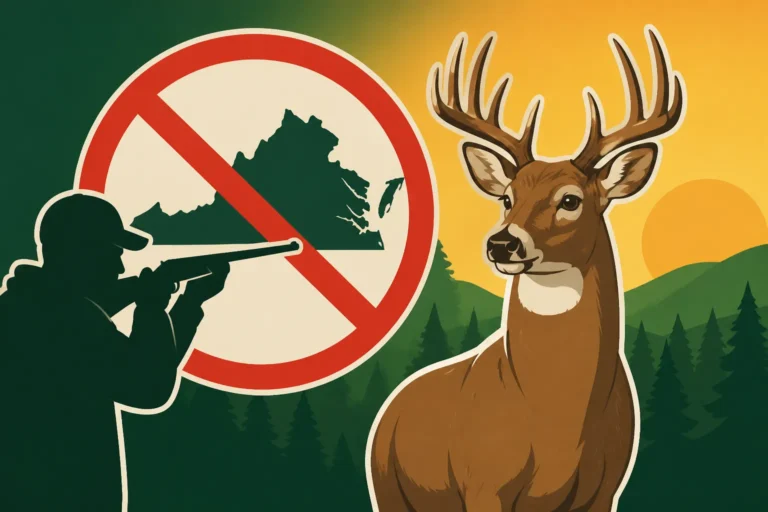
Virginia wildlife regulations identifying protected animals, endangered species, and elk that hunters cannot legally shoot.
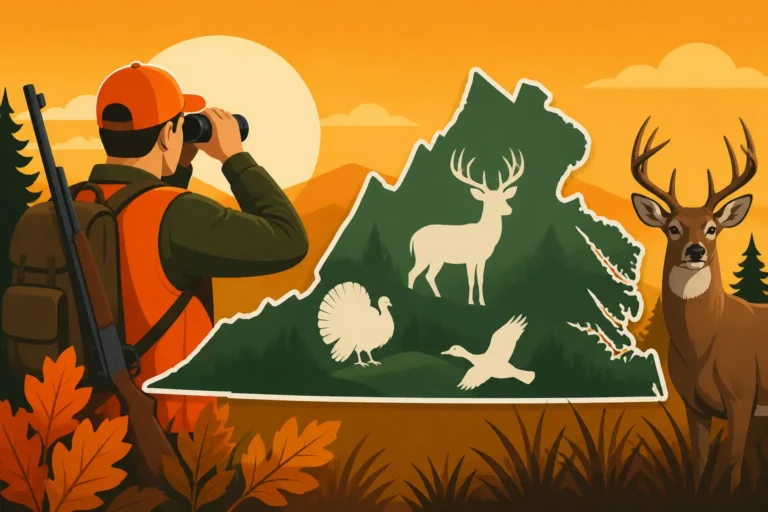
Virginia harvest reports from the Department of Wildlife Resources provide data on deer, bear, and turkey populations for hunters.
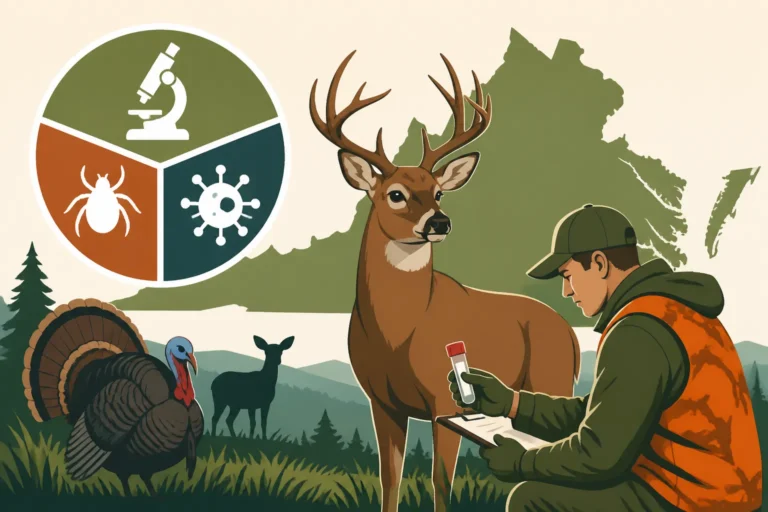
Virginia wildlife disease monitoring explains how biologists track conditions like Chronic Wasting Disease to protect game species and hunters.
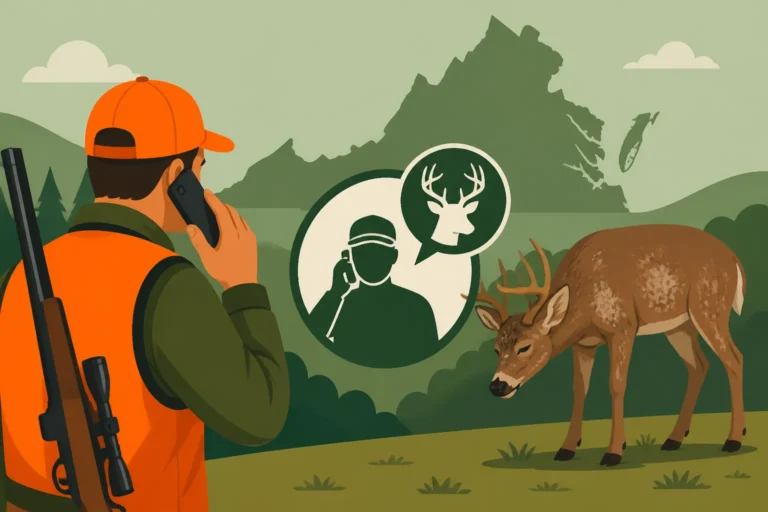
Reporting sick or injured wildlife in Virginia helps officials monitor diseases and protect animal, human, and domestic health.
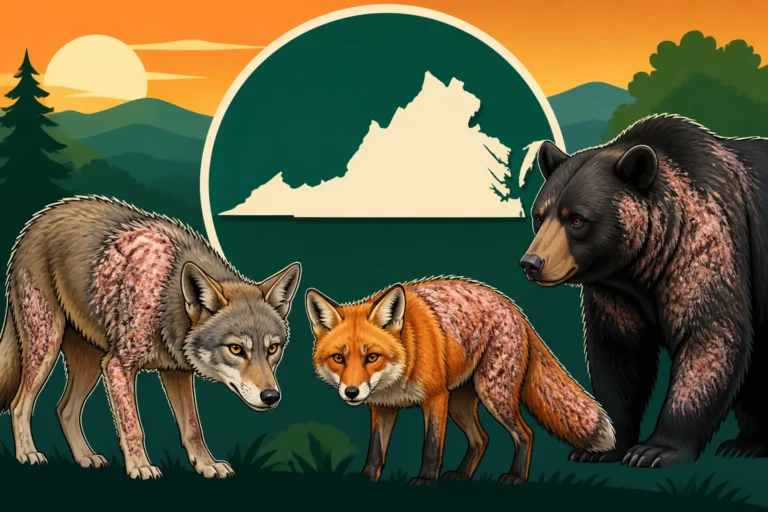
Sarcoptic mange in Virginia coyotes and foxes is a parasitic skin disease causing intense itching, severe hair loss, and crusty scabs.
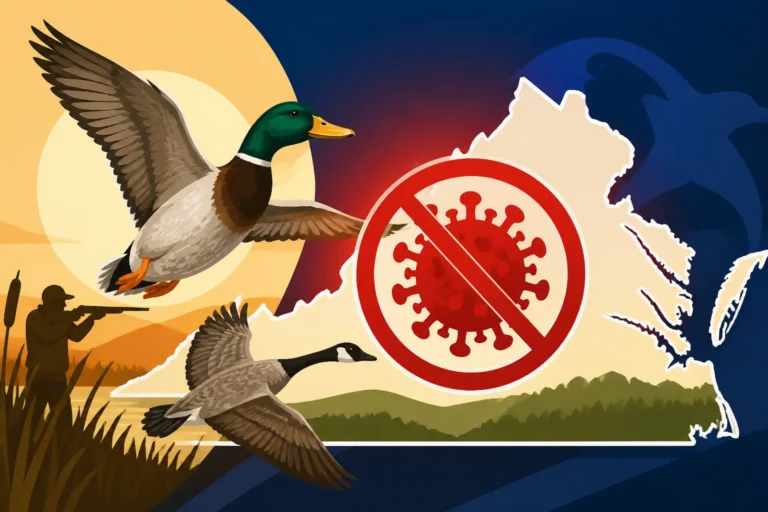
Avian influenza affects Virginia birds through highly and low pathogenic strains spread by wild waterfowl and migratory species.
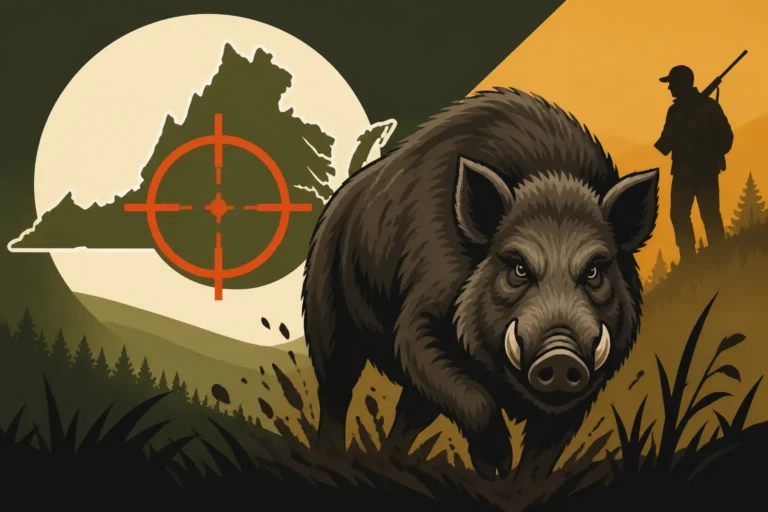
Feral swine sightings in Southwest Virginia explain how invasive wild hogs spread, reproduce rapidly, and damage local ecosystems.
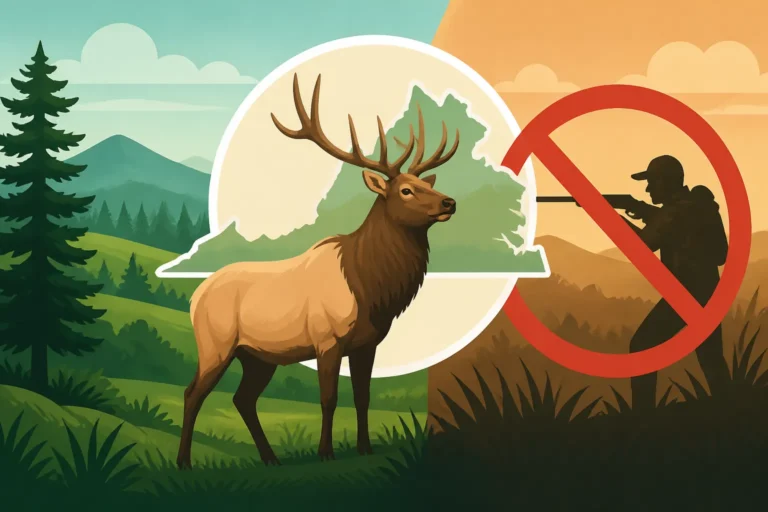
Virginia elk hunting remains closed as the Department of Wildlife Resources carefully monitors and grows this recovering herd.
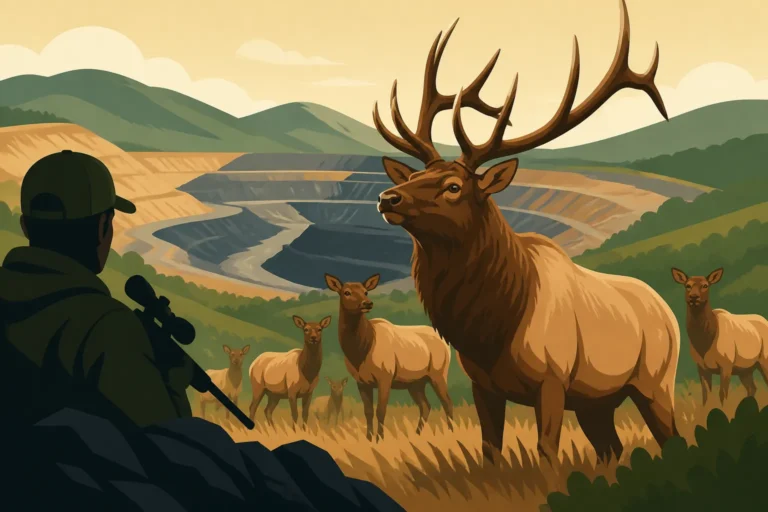
Elk population estimates in the Virginia Coalfields and details of how the Department of Wildlife Resources tracks the herd.