Public Ground Near Fredericksburg
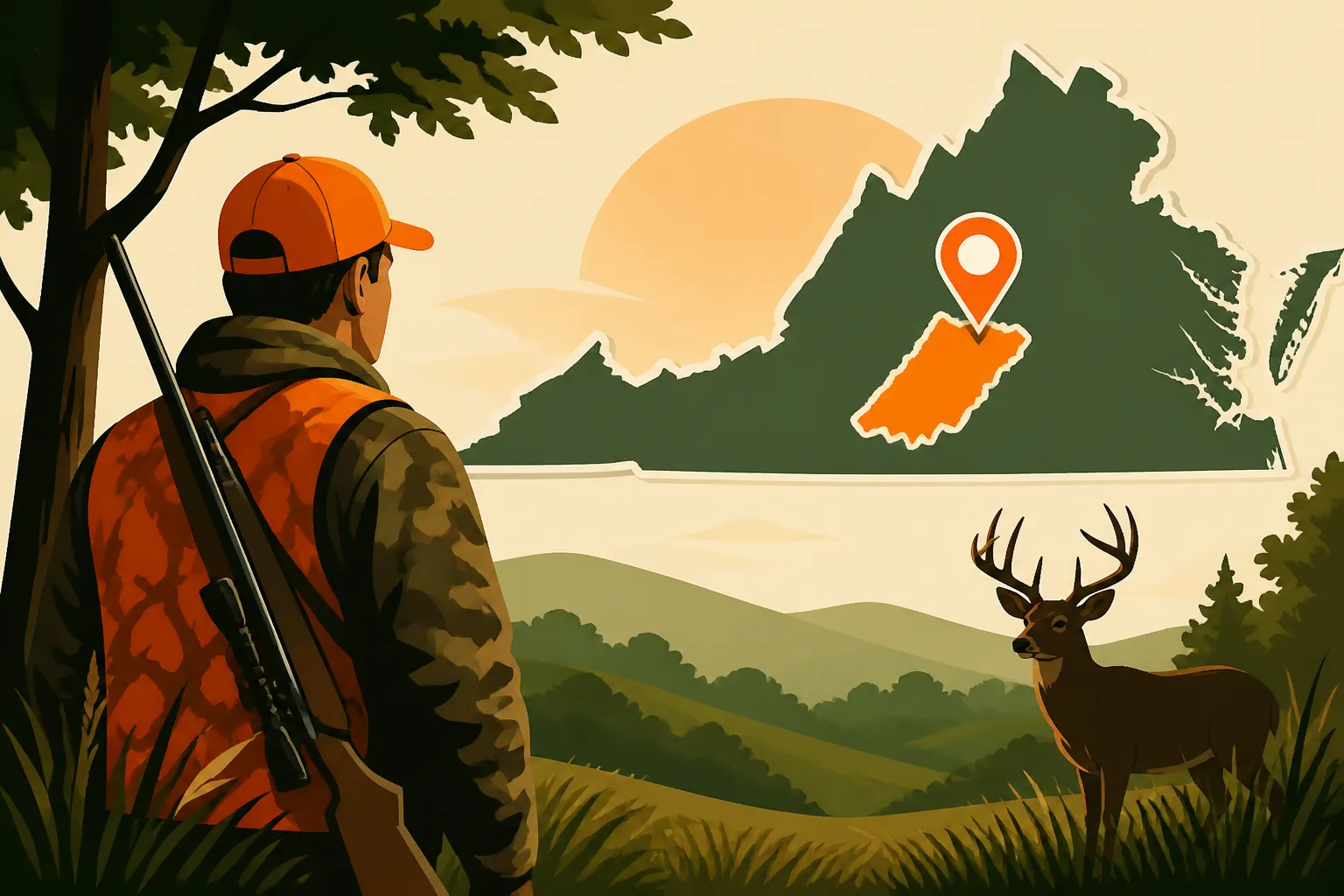
It's no secret that finding good hunting ground in Virginia can be a real challenge, especially when you're situated near a growing area like Fredericksburg. With increasing development and the scarcity of private land access, many hunters feel squeezed, wondering where they can even throw a line or chase a whitetail without bumping into a housing development or "No Trespassing" sign. This guide is here to cut through that frustration, helping you navigate the options for public hunting land within a reasonable striking distance of Fredericksburg, laying out where to go, what to expect, and how to make the most of your time afield.
Understanding the Public Land Landscape Around Fredericksburg
Fredericksburg, nestled in the heart of Virginia's Piedmont region, offers a unique blend of historical charm and modern growth. This means that while you're close to amenities, prime, sprawling tracts of untouched public hunting land aren't always right on your doorstep like they might be in the deeper mountains. However, that doesn't mean you're out of luck. The key is knowing where to look and understanding the characteristics of the public lands available, which often means shifting your expectations from vast wilderness to more managed, accessible tracts.
The Piedmont Challenge: Balancing Development and Opportunity
The Piedmont is characterized by rolling hills, mixed hardwoods, pine plantations, and agricultural fields. It's also where much of Virginia's population growth has occurred, leading to a patchwork of private land ownership. This makes finding continuous, unfragmented public land more difficult than in the western mountains. Hunters often lament the loss of traditional hunting spots or the increasing competition for remaining public parcels. But with a strategic approach, these challenges can be overcome. It's about being adaptable and recognizing that the deer, turkey, and small game populations here are often quite robust, thriving in the mosaic of habitats.
A common frustration is driving past seemingly ideal woodlots or fields only to find them posted. This is why focusing on designated public hunting areas becomes even more crucial. These spots, though they might see more pressure, are your guaranteed access points, and with smart scouting, you can still find pockets of unpressured game. Understanding the lay of the land, using mapping tools like onX Hunt to identify property boundaries and access points, becomes absolutely invaluable here. This isn't the wilderness where you can just wander; it's a place where precision scouting and understanding human movement are just as important as reading deer sign.
Types of Public Land Available
Around Fredericksburg, your public hunting opportunities primarily fall into two main categories: Wildlife Management Areas (WMAs) managed by the Virginia Department of Wildlife Resources (DWR), and potentially some national forest land if you're willing to drive a bit further west. Each offers a different experience and comes with its own set of rules and characteristics.
WMAs are specifically managed for wildlife habitat and public recreation, including hunting. They often feature a mix of timber stands, open fields, and wetlands, tailored to support various game species. They can range from hundreds to thousands of acres. Because they are designed for hunting, they tend to have better access infrastructure like parking areas and sometimes marked trails. However, they also tend to see higher hunter numbers, especially on opening days or during peak rut.
National forests, like the George Washington National Forest, are massive, multi-use lands. While offering a truly expansive, wild experience, they typically require a longer drive from Fredericksburg. Their sheer size means less hunter density in many areas, but they also present more rugged terrain and fewer amenities. For the purposes of hunting near Fredericksburg, WMAs are generally the most accessible and practical option for a day hunt or a quick trip. Later in this guide, we'll dive into specific WMAs that are within reach.
Key Public Hunting Areas Near Fredericksburg
When you're looking for public hunting close to Fredericksburg, the focus naturally shifts to Virginia's excellent network of Wildlife Management Areas (WMAs). These areas, managed by the DWR, are specifically designed to provide public access for hunting, fishing, and other outdoor recreation. They are often a mosaic of habitat types, offering opportunities for deer, turkey, small game, and sometimes waterfowl, depending on their unique features.
Local Wildlife Management Areas (WMAs)
Several WMAs offer viable hunting opportunities within a reasonable drive of Fredericksburg. While none are literally in your backyard, a drive of 30 minutes to an hour and a half can put you on quality public hunting ground.
- Ragged Island WMA (Stafford County): This WMA is often a go-to for those in the Fredericksburg area, being relatively close. It's about 1,500 acres and offers a diverse habitat, including tidal marshes, open fields, and mixed hardwood forests. It's particularly known for waterfowl, but also holds deer and turkey. Access can sometimes be challenging due to its tidal nature, requiring careful planning around tides if you're targeting waterfowl or trying to navigate the marshy areas for deer. Expect to share the space with other hunters, especially on weekends. It's a great spot for those willing to put in the effort to explore its unique environment.
- Caroline State Forest (Caroline County): While technically a state forest, it functions similarly to a WMA for hunting purposes and is managed in part by DWR. It's a fantastic option, encompassing over 2,000 acres, and it's quite accessible from Fredericksburg. The forest primarily consists of loblolly pine plantations interspersed with hardwood drains and small clearings. This habitat mix is excellent for white-tailed deer, wild turkeys, and various small game like squirrels and rabbits. The pine plantations can be dense, offering great cover for deer, but also challenging hunting conditions. Hunters here might find success still-hunting or setting up stands along the edges of different timber types or near food sources. You'll often find logging roads and fire breaks that can provide good access and travel corridors for game.
- Oak Hill WMA (Fauquier County): A bit further afield but still manageable for a day trip, Oak Hill WMA offers over 1,700 acres of prime Piedmont habitat. It's a mix of mature hardwood forests, open fields, and brushy areas, providing excellent cover and food for deer and turkey. This WMA often gets less attention than some closer options, which can sometimes translate to slightly lower hunter pressure, especially away from main access points. The varied terrain and timber types make it a great place to Reading Aerial Photos for Piedmont Deer and scout for different game patterns. You might find deer utilizing the thicker brush for bedding and moving into the mature hardwoods for acorns.
- Fort A.P. Hill (Caroline County): This is a unique option as it's a military installation, but it does offer public hunting opportunities through a quota hunt system. You'll need to check their specific hunting regulations, application periods, and base access requirements, which can be quite stringent. However, it can offer some fantastic, less pressured hunting due to the controlled access. Deer, turkey, and small game are available. Don't just show up; research their specific hunting program well in advance. Fort A.P. Hill Public Hunting Rules would be an essential read.
Quick Overview of Local WMAs
To help you visualize your options, here's a quick table summarizing some key characteristics of these public hunting areas near Fredericksburg:
| Public Area | County | Approx. Acres | Primary Game Species | Key Features | Distance from Fredericksburg (approx.) |
|---|---|---|---|---|---|
| Ragged Island WMA | Stafford | 1,500 | Waterfowl, Deer, Turkey | Tidal marsh, mixed forest, coastal influence | 30 minutes |
| Caroline State Forest | Caroline | 2,000+ | Deer, Turkey, Small Game | Loblolly pine, hardwood drains, logging roads | 45 minutes |
| Oak Hill WMA | Fauquier | 1,700+ | Deer, Turkey, Small Game | Mature hardwoods, open fields, brushy areas | 1 hour |
| Fort A.P. Hill | Caroline | Large | Deer, Turkey, Small Game | Diverse habitat, military reservation | 30 minutes (but quota-controlled) |
Remember, these are just starting points. Each area has its own nuances, and conditions can change year to year based on habitat management, weather, and harvest pressure.
Navigating Access and Regulations for Public Land
Hunting public land in Virginia, especially on WMAs, isn't as simple as just showing up with your gear. There are specific access requirements, permits, and a whole host of regulations you need to be aware of. Getting this right is crucial to avoid fines, stay safe, and ensure a successful hunt.
Required Licenses and Permits
First and foremost, you'll need the appropriate Virginia hunting licenses. This typically includes a basic state hunting license and a big game license if you're pursuing deer or bear. For hunting on WMAs, you'll also almost always need a Virginia WMA Access Permit Sign-In Process. This permit is often an annual pass that grants you access to these managed lands. It's a small fee that goes directly back into maintaining these valuable resources.
Make sure you understand Virginia Hunting Licenses and What They Cost and purchase them well in advance. The DWR has a convenient online system, Go Outdoors Virginia, where you can buy and manage your licenses digitally. This also allows you to Carrying Proof of License on Your Phone, which is incredibly handy when you're deep in the woods and don't want to risk losing a physical card.
Using DWR Resources and Mapping Tools
The DWR website is an invaluable resource for public land hunters. They provide detailed maps, boundary information, and specific regulations for each WMA. Don't just glance at it; dig deep. You can often find information on habitat projects, gate closures, and even past harvest data that can give you insights into game populations. The Using the Go Outdoors Virginia Map Tool online mapping system is particularly helpful for getting a lay of the land, identifying parking areas, and understanding WMA boundaries before you ever set foot in the field.
Beyond the official DWR resources, I highly recommend using a robust GPS mapping application like onX Hunt. This app is a game-changer for public land hunters. It clearly delineates public and private land boundaries, shows landowner names, and allows you to drop waypoints for deer sign, rubs, scrapes, or potential stand locations. It integrates topo maps and aerial imagery, which is critical for Reading Aerial Photos for Piedmont Deer and understanding terrain features. Knowing exactly where that WMA boundary ends and private property begins is not just good practice, it's essential for avoiding trespass issues. Another tool, GoHunt, offers similar mapping capabilities and often includes research features that help you dive deeper into hunt units, though for specific WMA boundaries, onX is typically the go-to.
WMA-Specific Rules and Season Dates
Each WMA can have specific rules beyond the general statewide regulations. These might include:
- Hunting Hours: While statewide rules exist, some WMAs might have unique hours, especially for certain species or during specific periods.
- Vehicle Access: Roads within WMAs are often unpaved, and some may be closed seasonally or permanently to motorized vehicles. Always check signs at entrances.
- Blaze Orange/Pink Requirements: While Virginia Blaze Orange Requirements apply statewide during certain seasons, some WMAs may have additional requirements or recommendations, especially during periods of high hunter density. Always err on the side of caution and wear more, rather than less.
- Treestand and Ground Blind Rules: Treestand Rules on Virginia Public Land apply generally, but WMAs might have specific nuances regarding how long stands can be left up, whether screw-in steps are allowed, or if ground blinds need identification. Always tag your stands with your DWR ID number.
Before any trip, consult the DWR's annual hunting regulations booklet and the specific WMA page on their website. Things can change from year to year, so don't rely on old information. It's your responsibility as a hunter to know and follow the rules.
Practical Tips for Hunting Public Ground Near Fredericksburg
Hunting public land, especially in a region like the Piedmont, requires a slightly different mindset and strategy than hunting private land. You're dealing with varying habitat, potential hunter pressure, and the need to truly earn your success through diligent scouting and smart tactics.
Pre-Season Scouting and e-Scouting
This cannot be stressed enough: success on public land begins long before opening day. Scouting Virginia Public Land Before Season is absolutely paramount. Since Fredericksburg is in the Piedmont, you're not always dealing with vast, unbroken wilderness. Deer often key into specific food sources, cover, and travel corridors, and these can be influenced by adjacent private land.
- Aerial Maps: Use tools like onX Hunt or the DWR map portal to e-scout from home. Look for hidden pockets of cover, thickets, swamps, or topography that creates natural funnels. Identify pinch points where deer would be forced to travel through, even on public land. Look for changes in timber type – the edges where pines meet hardwoods, or where a clear-cut meets mature timber, are often highways for deer.
- Boots on the Ground: Nothing replaces getting out there. Walk the property lines you identified from your maps. Look for old logging roads, creek bottoms, and ridge lines. Search for sign from previous seasons – old rubs, scrapes, or heavily used trails. Pay attention to bedding areas. Often, these will be in the densest, nastiest cover that other hunters are less willing to penetrate. Remember, the deeper you go, or the tougher the terrain, the less likely you are to encounter other hunters.
Managing Hunter Pressure
One of the biggest realities of public land hunting is dealing with other people. Hunter pressure can push deer into nocturnal patterns or into the thickest, most inaccessible cover. The good news is, you can use this to your advantage.
- Hunt Mid-Week: If your schedule allows, hunting on a Tuesday or Wednesday instead of a Saturday can drastically reduce the number of other hunters you encounter.
- Go Deeper: Most hunters don't venture more than a quarter to a half-mile from their vehicle. If you're willing to walk further, often through some challenging terrain, you can find untouched pockets where deer feel safe. This might mean investing in a good pack and being physically prepared for a long haul.
- Hunt "Unattractive" Areas: Look for areas that might seem less appealing at first glance – a small, swampy corner of a WMA, a dense pine thicket, or an area with very little open ground. Deer often gravitate to these spots specifically because they offer escape cover from human activity.
- Use Pressure to Your Advantage: Other hunters moving through the woods can actually push deer towards you. If you know where the main access points are, consider setting up downwind from those areas, especially in a funnel or escape route. Deer will often try to skirt around human disturbance. This is a common tactic when Deer Drives With Three or Four Hunters are in play on larger tracts, but can also work passively.
Diverse Hunting Strategies for Piedmont Game
The varied habitat around Fredericksburg means you can employ a range of hunting tactics for different species.
- Deer: For deer, still-hunting through varied timber types, especially where hardwoods meet pines, can be effective. Setting up a treestand or ground blind along a Scrape Lines Along a Logging Road or a well-used trail between bedding and feeding areas is also a solid approach. Pay close attention to food sources, whether it's acorns in the hardwoods, persimmons, or browse in a younger clear-cut. Hunting the Virginia Rut in November can be especially productive on public land if you've done your scouting.
- Turkey: Spring turkey hunting on WMAs near Fredericksburg can be excellent. Focus on areas with mature hardwoods for roosting, and adjacent open fields or clearings for feeding. Learn to locate birds on the roost before dawn and then try to call them in. Patience is key with public land birds, as they often get pressured. Consider Run-and-Gun Turkey Tactics on Public Land if birds aren't responding, moving until you strike a gobbler.
- Small Game: Squirrels and rabbits are abundant in many of these areas. Hardwood bottoms are ideal for squirrel hunting, especially during years with good acorn crops. Rabbit hunting can be productive in thick brush, fencerows, and overgrown fields. It’s a great way to introduce new hunters to the sport or to spend a day in the woods when deer and turkey are scarce. Squirrel Hunting Virginia Bottomland Hardwoods is a classic Piedmont pursuit.
By combining thorough e-scouting with boots-on-the-ground reconnaissance, understanding hunter dynamics, and adapting your tactics to the specific conditions of each WMA, you can absolutely find rewarding hunting opportunities near Fredericksburg. It might take a little more effort, but the satisfaction of success on public ground is truly unmatched.
Disclaimer
This article is for general informational purposes only and does not constitute professional advice. Laws, prices and regulations vary by location and change over time. Consult a qualified professional for guidance on your specific situation.