Hunting Bears With Hounds Where Virginia Allows It
Trying to figure out where you can even legally hunt bears with hounds in Virginia can feel like trying to solve a puzzle with half the pieces missing. The Old Dominion’s bear hunting regulations are complex, varying significantly not just by region but sometimes by county. This guide is here to untangle those complexities, helping you understand precisely where and how you can engage in the rich tradition of bear hunting with hounds, what you need to know to do it legally and ethically, and how to maximize your chances for success.
Understanding Virginia's Bear Hunting Landscape and Regulations
Virginia boasts a thriving black bear population, a testament to successful wildlife management and conservation efforts. However, the methods allowed for hunting these magnificent animals are carefully regulated, especially when it comes to utilizing hounds. It's not a free-for-all, and understanding the nuances is absolutely critical to staying within the law and respecting the resource.
The Legal Framework: Where Hound Hunting is Permitted
Virginia's Department of Wildlife Resources (DWR) delineates specific areas where bear hunting with hounds is permitted, largely based on county ordinances, bear population densities, and human population encroachment. Generally, the more rural, mountainous, and heavily timbered regions of Virginia are where you'll find hound hunting to be a long-standing and legally supported method. This primarily includes much of the western part of the state, especially within and adjacent to the George Washington and Jefferson National Forests, and many counties within the Piedmont.
However, many counties, particularly those east of the Blue Ridge or with higher population densities, have explicit prohibitions or severe restrictions on the use of dogs for bear hunting. These regulations are often a response to concerns about public safety, conflicts with landowners, and the potential for dogs to trespass or disturb non-target wildlife. For example, some counties may allow still-hunting for bears but explicitly forbid running bears with dogs. You absolutely must check the current DWR regulations for each specific county you plan to hunt. A quick check of the Virginia DWR website or a call to a local game warden before you head out can save you a lot of trouble and potential fines. There's nothing more frustrating than arriving at your hunting spot, only to realize your chosen method is illegal there. It’s always best to be informed and prepared rather than risk a run-in with the law.
Key Regulations and Season Dates for Houndsmen
Beyond knowing where you can hunt with hounds, understanding when is equally important. Virginia's bear seasons are structured with specific dates for different hunting methods, and hound hunting typically falls into a later period, often overlapping with or immediately following the general firearms deer season in many areas. For example, while early muzzleloader and statewide archery seasons might be underway, the hound season for bears often kicks off a bit later, typically in November and running through December, depending on the zone.
The season length and bag limits also vary, so always consult the latest DWR hunting regulations annually. These aren't static; they can change based on bear population data, harvest numbers from the previous year, and specific management objectives for different regions. For the most up-to-date details, pay close attention to the DWR's annual digest. This comprehensive document outlines everything from license requirements to specific county-by-county regulations. Don't forget that you'll need a Virginia Bear Season Rules license in addition to your general hunting license, and possibly a bear-specific big game license. Knowing these dates and requirements like the back of your hand is fundamental for any successful and legal hunt.
| Region | Hound Hunting Status | Typical Season Dates | Bag Limit | Special Considerations |
|---|---|---|---|---|
| Western Mountain Counties | Generally Permitted | Nov – Dec (Check DWR) | 1 Bear Annually | Requires good physical conditioning; dogs need specialized training for mountainous terrain. |
| Piedmont Counties | Often Permitted (Select) | Nov – Dec (Check DWR) | 1 Bear Annually | Mixed public/private land, landowner permission crucial; requires diligence on county-specific rules. |
| Eastern Counties (Coastal Plain/Tidewater) | Largely Prohibited | N/A | N/A | Focus on still-hunting or specific quota hunts if available. |
| Mange-Affected Counties | Permitted, but may have reduced seasons/quotas | Check DWR annually | 1 Bear Annually | Specific reporting/carcass movement rules may apply. |
Navigating Mange-Affected Counties and Reduced Seasons
A critical factor for Virginia bear hunters, especially those using hounds, is the ongoing challenge of mange within certain bear populations. Mange, caused by parasitic mites, can severely impact bear health and survival, leading to reduced reproductive success and localized population declines. In response to this, the DWR has designated certain Virginia's Mange-Affected Bear Counties where special regulations, including reduced seasons or modified bag limits, may be implemented to protect the bear population.
If you plan to hunt in or near one of these designated counties, it’s imperative to be aware of any changes. The DWR monitors these populations closely, and adjustments to hunting seasons are made to help the bears recover. This might mean a shortened season for hound hunting, or even temporary closures in specific areas if the mange outbreak is particularly severe. It's not just about compliance; it's about being a responsible conservationist. By adhering to these adjusted regulations, hunters play a vital role in supporting the long-term health and stability of Virginia's bear population. Always check the DWR website or call your local game warden for the most current information regarding these areas before planning your hunt.
Preparing for a Successful Houndsman Hunt
Bear hunting with hounds isn't just about showing up with a few dogs and a rifle. It's an intricate dance of preparation, training, and strategic planning. A successful hunt, and more importantly, a safe and ethical one, begins long before you ever set foot in the woods with your pack.
Training Your Hounds for Bear
The heart and soul of any houndsman's operation are their dogs. Training hounds to track, tree, or bay a bear is a dedicated, year-round commitment that requires immense patience and specialized knowledge. These aren't just pets; they are highly skilled working animals. Effective bear dogs need to be physically fit, possessing incredible stamina to run for miles over rugged terrain, and mentally tough enough to stay on a hot track. They must learn to discriminate between a bear track and other scent trails, to push a bear relentlessly, and to "bay" or "tree" it until the hunter arrives, all while staying safe themselves.
Many houndsmen start their dogs on training exercises with caged bears or through controlled chases on private lands, gradually building their confidence and skill. This foundational training teaches them to honor the track, ignore deer or other game, and to understand the specific commands and expectations of the hunt. Beyond formal training, dogs also learn invaluable lessons from experienced pack mates in the field. Remember, Virginia Bear Hound Training Season Rules also exist, allowing for certain periods outside of the regular hunting season for training purposes. This ensures dogs are kept sharp without impacting the hunting season itself. A well-trained pack is not just an asset; it's a non-negotiable requirement for a safe and effective bear hunt.
Essential Gear for the Hunter and the Dogs
Outfitting yourself and your canine companions for a bear hunt is a significant undertaking. For the hunter, rugged, weather-appropriate clothing is paramount. You'll be traversing challenging terrain, often in cold or wet conditions, so durable boots, layered insulation, and reliable rain gear are a must. Navigation tools are also critical; whether it's a traditional GPS unit or a modern mapping app like GoHunt on your smartphone, knowing where you and your dogs are at all times is essential, especially when you're deep in the George Washington National Forest Hunting or other vast public lands.
For the dogs, the gear list is even more specialized. High-quality GPS collars are non-negotiable. These allow you to track your pack's every move, even when they're miles away and out of earshot. Brands like Garmin and Alpha are popular choices among houndsmen, providing real-time location updates and often two-way communication features. These collars also allow you to see when your dogs have a bear "treed" or "bayed," indicated by a stationary position and a distinct bark sequence. Additionally, protective vests can be crucial for dogs in rugged terrain, guarding against punctures from briars, sharp rocks, or even defensive actions from a cornered bear. A reliable first-aid kit for both humans and dogs is also essential, as injuries can happen in the backcountry. For a more general overview of what to carry, check out a guide on Bear Hunting Gear in the Mountains.
Scouting and Locating Bear Habitat
Bear hunting with hounds, while dynamic, still benefits immensely from strategic scouting. You can't just release dogs anywhere and expect them to find a bear. Understanding bear behavior and identifying prime habitat before the season even starts significantly increases your chances of success. Bears, being omnivores, are constantly on the move, seeking out food sources. In Virginia, this means focusing on areas rich in mast crops like acorns and various berries, especially in the late summer and early fall. Look for signs of their presence: scat, claw marks on trees, and tracks around water sources or along old logging roads.
Areas with a mix of dense cover for bedding and open foraging areas, particularly near mountain laurel thickets or along creek bottoms, are often prime bear country. Utilize mapping tools, like the public land layers available through GoHunt, to identify promising remote areas and potential escape routes a bear might take. Pay attention to features such as dense thickets, steep slopes, and rocky outcroppings where bears might seek refuge. Even during the off-season, you can learn a lot about bear movement patterns by simply hiking and observing. The more you know about where bears are likely to be, the more effectively you can deploy your hounds, setting them up for a hot track rather than a cold trail.
On the Trail: Tactics and Challenges of Hound Hunting
Once the season opens and your preparation is complete, the real adventure begins. Hunting bears with hounds is a test of endurance, skill, and intuition, demanding quick decisions and an understanding of both your dogs and the wild.
Releasing the Hounds and Tracking the Chase
The moment of release is a jolt of pure adrenaline. Once fresh bear sign is located – often from a "cold-nose" dog that picks up an old scent trail – the hounds are released. The initial challenge is for the dogs to "strike" a fresh track, meaning they find a scent that's recent enough for them to follow effectively. This can happen from a road, a two-track, or by carefully working dogs through an area of known bear activity. Once a dog hits a hot trail, its excited barks signal to the rest of the pack, and the chase begins.
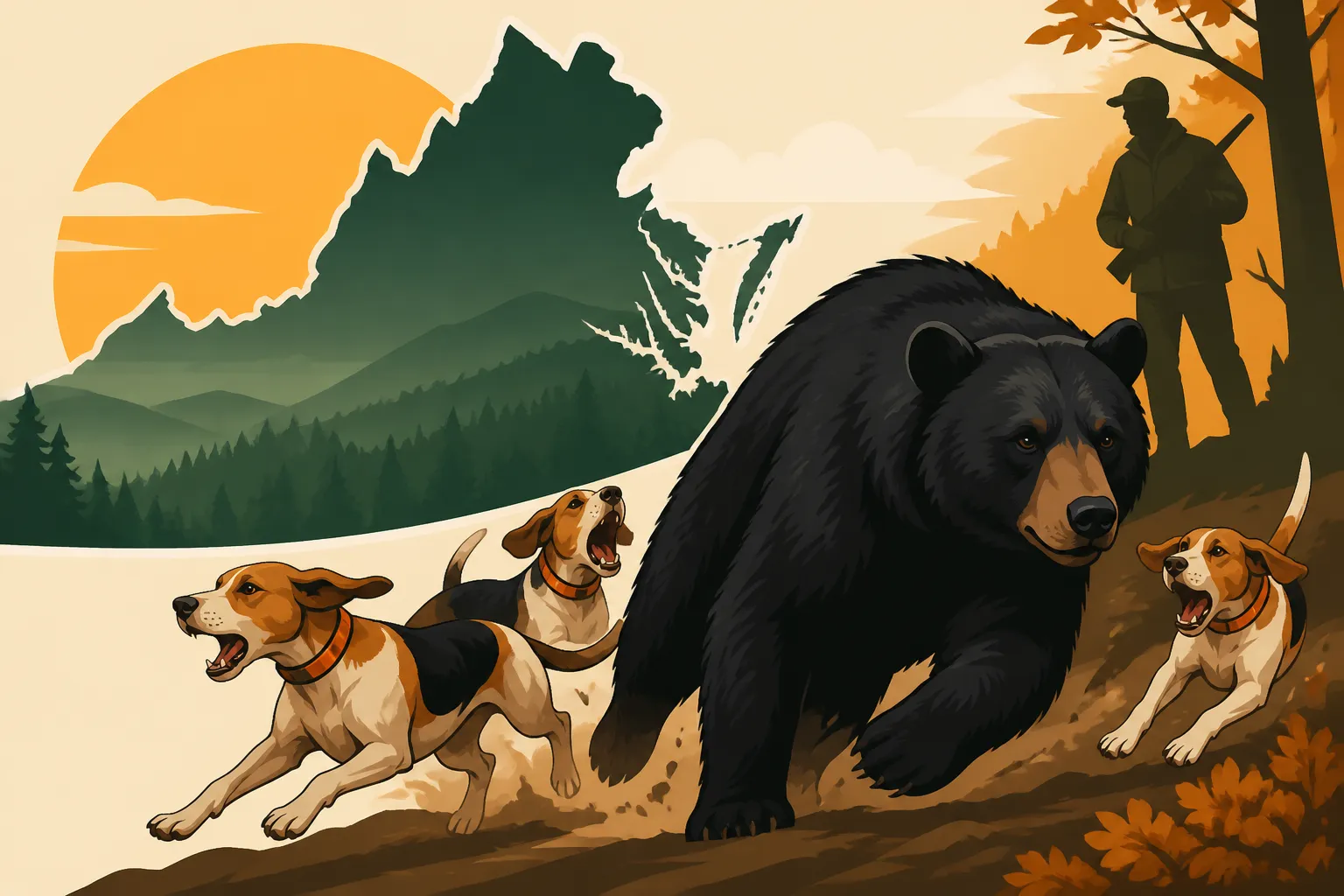
The sound of a full pack in pursuit is unmistakable – a cacophony of bays, chops, and howls that echoes through the timber. As the hounds push the bear, the hunters follow, using their GPS collars to monitor the pack's location and direction of travel. This is where the physical demands of hound hunting become apparent. You might be navigating steep terrain, crossing creeks, and pushing through thick brush, all while trying to keep pace with dogs that can cover ground far faster than a human. The chase can last minutes or hours, sometimes covering many miles. It's a true wilderness experience, where you're immersed in the primal energy of the hunt.
Reading the Dogs and the Terrain
A skilled houndsman doesn't just blindly follow the GPS signal; they learn to read their dogs and the terrain. The pitch and cadence of a dog's bark can tell you if the bear is running hard, if it's slowed down, or if it's finally been treed or bayed. A continuous, rapid chop often means the bear is moving fast, while a more consistent, stationary bay indicates the bear has stopped. Different dogs in the pack might have distinct barks that experienced handlers recognize, providing additional clues.
Understanding the terrain is equally important. Bears are masters of their environment and will often use dense cover, rocky cliffs, or water to try and shake the dogs. They might run uphill to gain an advantage, or try to lose the scent in a creek. As hunters, you'll need to anticipate these movements, predicting where the bear might lead the dogs. Sometimes, this means hustling to cut off the bear at a known crossing point or positioning yourself to intercept the chase. This strategic thinking, combined with interpreting your dogs' communication and the landscape, is what truly defines a seasoned houndsman. It’s not uncommon to hike for miles through challenging conditions, much like those faced when Still-Hunting Jefferson Forest Ridges, but with the added urgency of a moving target.
The Bay Up and the Shot Opportunity
The climax of a hound hunt occurs when the bear is finally "bayed" or "treed." A bayed bear is one that has been brought to a standstill on the ground, usually in a thicket, against a rock face, or in a den, with the dogs surrounding it, barking aggressively but maintaining a safe distance. A treed bear, as the name suggests, has climbed a tree to escape the dogs. In both scenarios, the dogs hold the bear's attention, allowing the hunters to approach cautiously.
Once the hunters arrive, the priority is safety – for themselves, for the dogs, and for making a clean, ethical shot. The houndsman will assess the situation, calm the dogs if necessary, and identify a clear shot opportunity. This isn't a long-range endeavor; shots are often at close quarters. It’s crucial to wait for the bear to present a broadside shot, aiming for the vitals. Taking your time, ensuring a clear background, and making a precise shot are paramount. After the shot, dogs are typically called off or leashed to prevent them from interfering with the fallen bear or getting injured. The moment of truth, the culmination of all the training, scouting, and chasing, demands absolute focus and a commitment to a swift, humane harvest. If you want to learn more about the specifics of Hunting Mountain Bears in November, this type of close-quarters engagement is often a core component.
Ethical Considerations and Responsible Practices
Bear hunting with hounds is a deeply rooted tradition for many, but it comes with a significant responsibility. Ethical considerations and adherence to responsible practices are non-negotiable, ensuring the welfare of the animals, the integrity of the hunt, and the public perception of this unique method.
Ensuring Dog Safety and Welfare
The welfare of your hounds should always be a top priority. These dogs put their lives on the line during a bear hunt, traversing harsh terrain and confronting a powerful wild animal. It's incumbent upon the hunter to ensure their dogs are well-trained, physically fit, and properly equipped with protective gear like cut vests and GPS collars. After a grueling chase, dogs need immediate attention, including hydration, nourishment, and a thorough check for injuries. Paws can get cut, muscles can be strained, and occasionally, a dog might sustain a more serious injury from the bear itself or from the terrain.
Responsible houndsmen carry a comprehensive dog first-aid kit and know how to administer basic care in the field. They also understand when to pull a dog off a chase if it's showing signs of exhaustion or injury. Furthermore, managing the pack during and after the bay-up is crucial to prevent dogs from directly engaging with a potentially dangerous bear or getting injured by its teeth or claws. The bond between a houndsman and their pack is profound, and that relationship is built on mutual trust and the hunter's unwavering commitment to their dogs' safety and well-being.
Respecting Landowners and Public Access
Virginia's hunting landscape is a patchwork of public and private lands, and hound hunting for bear often involves navigating both. While large tracts of public land like the National Forests are open to hunting, much of the chase can inadvertently lead hounds onto private property. This is where respecting landowners and understanding Virginia's Virginia Posted Land Rules becomes critical. Even if your dogs pursue a bear onto private land where you don't have permission, it is your responsibility to know the laws regarding game retrieval. You cannot simply trespass to retrieve your dogs or a harvested bear.
Prior to hunting in an area, responsible houndsmen proactively seek permission from private landowners bordering public hunting grounds. This pre-emptive communication builds trust and can smooth over potential issues if a chase leads dogs off public property. Ignoring property lines or failing to get permission not only jeopardizes your hunt but can also give all hunters a bad name and lead to stricter regulations. Using mapping apps like GoHunt that clearly delineate property lines can be a huge asset here, helping hunters stay aware of their location relative to private holdings. The tradition of hound hunting relies heavily on the goodwill and cooperation of landowners, so upholding that respect is paramount.
Hunter Conduct and Fair Chase Principles
The principle of fair chase is a cornerstone of ethical hunting, and it applies as rigorously to hound hunting as to any other method. Fair chase means giving the animal a reasonable chance to escape and avoiding tactics that give the hunter an unsporting advantage. For hound hunting, this typically means allowing the dogs to work naturally, pursuing the bear without undue interference from vehicles or deliberate "short-cutting" in a way that negates the chase.
A core tenet is to make every effort to recover any game shot. Tracking a bear, especially one that has been wounded, is an absolute moral obligation. This may involve long, arduous hours in the dark or in difficult terrain. Responsible hunters also understand the importance of making a quick, humane kill. They know their firearm's capabilities, practice their shooting, and wait for a clear, ethical shot. Furthermore, practicing good sportsmanship, respecting other hunters, and positively representing the hunting community are all part of ethical hunter conduct. The DWR continually monitors populations and adjusts seasons; understanding and respecting these frameworks, which aim for sustained populations as covered in How Virginia's Bear Population Grew So Large, is also a part of this responsibility.
Post-Hunt Responsibilities and Carcass Handling
The hunt doesn't end when the bear hits the ground. A responsible hunter understands that several crucial steps follow the harvest, from legal reporting to proper meat care and ensuring the well-being of the dogs.
Checking Your Bear and Mandatory Reporting
In Virginia, all harvested bears, like deer and turkeys, must be reported to the DWR. This is not optional; it's a legal requirement that provides critical data for wildlife management. The DWR uses this information to monitor bear populations, track harvest trends, and make informed decisions about future seasons and bag limits. Failing to report a harvested bear within the specified timeframe can result in penalties.
Reporting is typically done through the DWR's online system or its mobile app, making it quite convenient even from remote locations. You'll need to provide details such as the date and county of harvest, the bear's sex, and sometimes its weight. Make sure you have your license and big game tag handy, as the system will walk you through assigning the tag to your harvested bear. It's a quick process, but an essential one for conservation. Keeping a clear record of your hunt and adhering to Virginia Bear Checking Requirements helps the DWR maintain healthy bear populations for future generations of hunters.
Field Dressing and Meat Care in Remote Areas
Harvesting a bear in the backcountry, especially after a long hound chase, often means you're miles from easy vehicle access. This presents significant challenges for field dressing and meat care. Bears are large animals, and their body heat can quickly spoil the meat, particularly in warmer early season conditions. Prompt field dressing is critical to cool the carcass down. This involves eviscerating the bear as quickly and cleanly as possible to allow heat to escape.
Given the remoteness, many hunters opt for the "gutless method," quartering the bear in the field and packing out the meat rather than trying to drag the entire carcass. This significantly reduces the weight and makes for a more manageable pack-out, but it requires knowing how to effectively butcher in the field. Game bags are indispensable for protecting the meat from dirt, insects, and flies. If you're in a Chronic Wasting Disease (CWD) management area, there might be specific Virginia Carcass Movement Restrictions you need to be aware of, particularly regarding the transport of brain and spinal cord material. Good meat care ensures that your hard-earned harvest translates into delicious, high-quality table fare. More detailed advice can be found in a guide on Handling a Bear After the Shot.
Recovering Your Hounds After the Harvest
After the bear is harvested and secured, the final task is to ensure all your hounds are accounted for and safely recovered. Even if they were leashed or called off at the bay-up, some dogs may wander, especially if the chase was long and they're excited or disoriented. This is where those GPS collars and your familiarity with the GoHunt app truly shine. You can track each dog's location, ensuring no one is left behind.
It's common for dogs to be tired and hungry after a hard run, so having water and dog food readily available is important. Check each dog for injuries, especially their paws, and administer any necessary first aid. Loading tired dogs into vehicles can also be a task, so having a system in place is helpful. The dedication of houndsmen extends beyond the kill, encompassing the full cycle of the hunt, including the responsible care and recovery of their loyal canine partners who made the hunt possible. Sometimes, the trek out to retrieve a dog can be as challenging as the pursuit itself.
Disclaimer
Always consult the most current Virginia Department of Wildlife Resources (DWR) regulations before engaging in any hunting activity. Hunting laws and seasons can change annually, and local ordinances may apply. This guide is for informational purposes only and should not be considered a substitute for official DWR publications or direct consultation with game wardens.