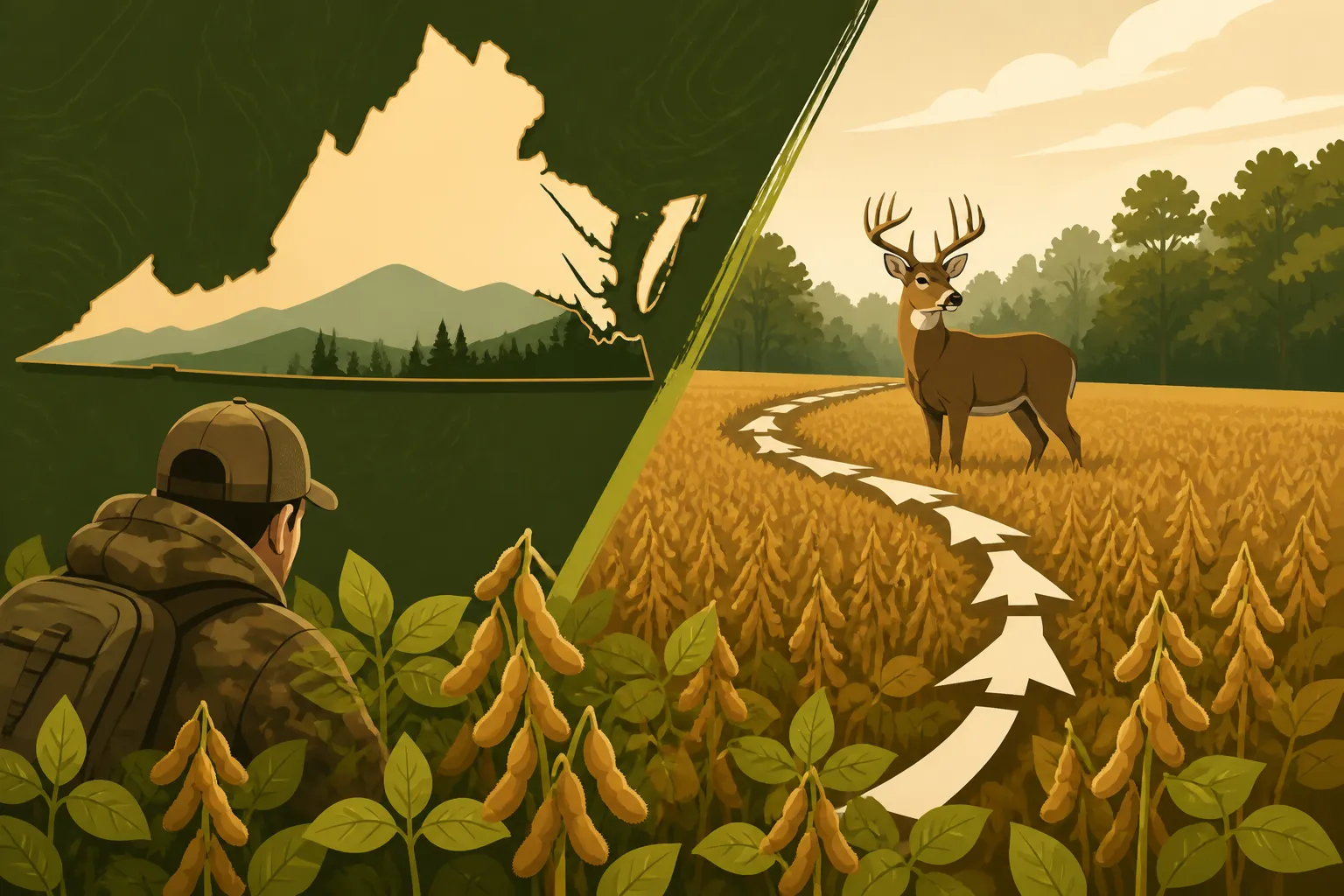
Entry Routes Through Standing Soybeans
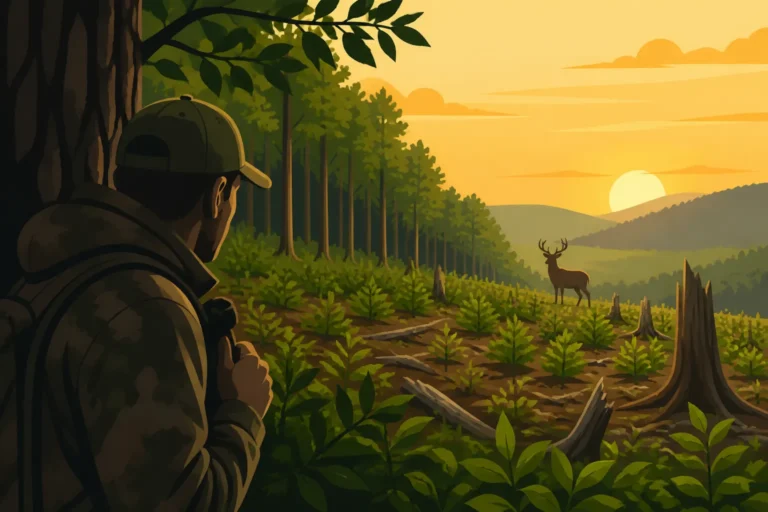
Hunting deer in standing soybean fields can feel like trying to find a needle in a haystack, or worse, walking through a minefield of potential deer-spooking noise. The sheer density of the vegetation makes silent entry a nightmare, and the thought of bumping a mature buck before you even get to your spot is enough to make anyone reconsider. But fear not, fellow Virginia hunters! This comprehensive guide will walk you through proven strategies for navigating these challenging environments and getting into position undetected.
Understanding Deer Behavior in Standing Soybeans
When you look at a vast field of towering green soybeans, it’s easy to feel overwhelmed. Where do you even begin? The trick is to understand why deer love these fields so much and how they utilize the dense cover to their advantage.
Why Deer Love Soybeans
Soybeans are an absolute magnet for deer, especially during the early and mid-seasons here in Virginia. They offer a potent, irresistible combination of high-protein forage and incredible security cover. Imagine you’re a deer; you've got an endless buffet of tasty, nutritious beans and leaves right where you live, providing all the energy you need to pack on fat for the coming colder months and grow those impressive antlers. What’s not to love about that?
Beyond the nutritional value, the dense canopy of a mature soybean field offers unparalleled security, hiding deer from predators, including us hunters. This isn't just a place they visit for a quick bite; it's often where they spend their entire day, bedding down right in the middle, only emerging at the very edges to feed more openly or move to water. Understanding this dual function – food and shelter – is the first step in unraveling the mystery of hunting them effectively.
How Deer Use the Cover
Deer don't just randomly wander through soybeans. Oh no, they're far too smart for that. Instead, they create intricate networks of trails, much like tiny highways, threading their way through the dense rows. These trails are often established early in the growing season and become well-worn as deer repeatedly use them for feeding, bedding, and moving between different parts of the field or to adjacent woodlots.
During daylight hours, bucks and does alike will often bed deep within the field, feeling incredibly secure from prying eyes. You could walk right past them on the edge and never know they were there. They'll only move out as dusk approaches, or if they feel pressured. Knowing these established travel patterns and understanding that the field itself is both their dining room and their bedroom is absolutely key to planning your approach and finding a successful entry route.
Scouting for Effective Entry Points
Trying to barge into a standing soybean field is a recipe for disaster. You’ll spook every deer within earshot, and all your hard work will be for nothing. Instead, smart hunters spend significant time scouting to find the natural weak points in a soybean field’s defenses.
Identifying Natural Lanes and Funnels
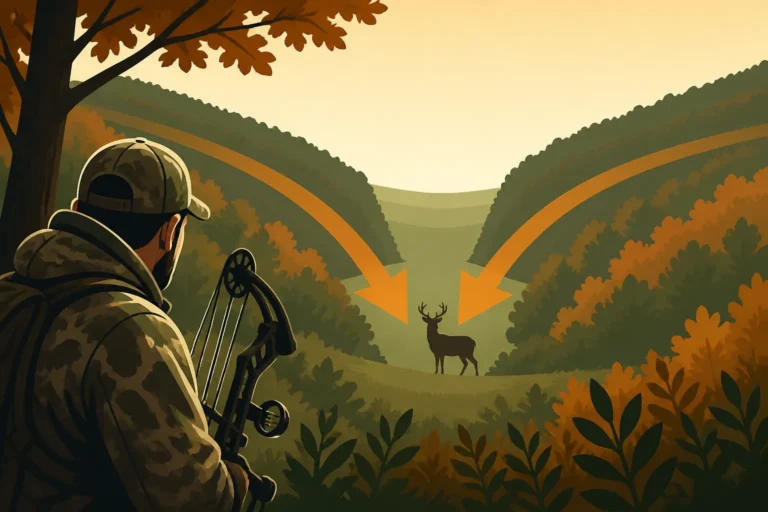
Forget crashing through the middle of the field; that's a surefire way to send every deer within a quarter-mile running for the next county. Instead, you need to find the "paths of least resistance" that deer already use, or subtle features that allow you to move quietly and undetected. Look for drainage ditches, slight depressions in the terrain, or even old, overgrown farm roads that might cut through or alongside the field. These natural breaks in the canopy offer much better concealment and significantly quieter footing than trying to push through the leafy rows.
Sometimes, a property line, a line of utility poles, or even a fence row might create a natural funnel where deer are accustomed to moving. These are goldmines for entry points. Spend ample time glassing the field edges from a distance during different times of the day, using good binoculars or a spotting scope, to pinpoint exactly where deer are entering and exiting. This reconnaissance is absolutely crucial for your success. You might find some helpful insights into identifying these key movement corridors by looking at Reading a Ridge for Blue Ridge Deer, as similar principles of natural funnels apply across different terrains.
Using Technology for Remote Scouting
Modern hunting has been revolutionized by technology, and scouting standing soybeans is no exception. Tools like GoHunt or the Scouting With the Virginia DWR App are invaluable here. Use their detailed aerial photos and topographical maps to identify those subtle elevation changes, drainage patterns, or strips of timber that might offer a hidden approach. Look for bottlenecks where the soybean field narrows, or where it meets a thicker patch of woods. These are often high-traffic areas for deer, providing natural places for you to intercept them.
You can even use these sophisticated apps to measure distances, mark potential stand locations, and meticulously plan your exact route in and out, ensuring you stay downwind and out of sight. Remember, the less time you spend physically stomping around the edges of the field, leaving your scent and potentially disturbing deer, the better your chances of encountering that mature buck. Checking for Reading Aerial Photos for Piedmont Deer can offer more insights into this type of remote scouting and how to interpret what you see from above.
Executing Your Entry Plan
Once you've done your homework and picked your spot, it's time for the real test: getting there without being detected. This requires a combination of smart planning and flawless execution.
Wind and Thermal Considerations
This is probably the most critical factor when hunting standing soybeans, or really, any deer hunt in Virginia. Deer depend on their noses more than anything else; it’s their primary defense mechanism. You absolutely must plan your entry and exit routes based on the prevailing wind direction. If the wind carries your scent into the field where deer are bedded, your hunt is over before it even begins, plain and simple. Always, always approach from downwind.
In the morning, this means considering thermals, which tend to draw scent downhill as the air cools after sunrise. In the evening, thermals rise as the air warms, carrying scent upwards. This can be complex, especially in rolling terrain or areas with significant elevation changes. For those hunting in the mountains, understanding Wind and Thermals on a Blue Ridge Slope can provide a good foundation, and while soybean fields are often flatter, the fundamental principles of scent movement still apply. A slight crosswind can sometimes be your friend, allowing you to approach parallel to the edge without blowing your scent directly into the heart of the field. Don't forget your Scent Control Gear for Urban Archery Hunts – minimizing your human odor is always a good idea, regardless of the wind.
Stealth and Movement Techniques
Once you've got your entry point and wind figured out, it's all about moving like a ghost. This often means slow, deliberate steps, picking up your feet rather than dragging them through the rustling leaves, and using any available cover to break up your silhouette. If you're walking along a drainage ditch or a slight rise, stay low and use the terrain to your advantage. Wearing quiet clothing is paramount; think wool or fleece, not noisy synthetics that loudly announce your presence with every movement.
If you’re utilizing a ground blind, setting it up well in advance, even weeks before the season, allows deer to get accustomed to its presence, making them less wary. For those looking for more detail, Using a Ground Blind on Virginia Public Land provides excellent advice on proper deployment and concealment. Even with the best planning, the rustling of soybean leaves can be surprisingly loud, so try to time your movements with gusts of wind, passing vehicles, or other ambient noises that can mask your approach. Sometimes, the best entry is no entry at all – setting up on the edge of the field, especially where it meets a dense woodlot or a creek, can be far more effective than trying to sneak deep inside the green labyrinth.
Entry Route Comparison for Standing Soybeans
Here’s a quick overview of common entry strategies and when they might be most effective in a standing soybean field:
| Entry Strategy | Pros | Cons | Ideal Conditions |
|---|---|---|---|
| Natural Drainage/Ditch | Quiet, offers concealment, often used by deer | May be muddy, limited availability, can be strenuous | Light rain, calm mornings, established deer runs |
| Field Edge/Woodlot Transition | Minimal intrusion into main field, good vantage | Deer may be aware of movement on edges, less concealed | Evening hunts, transition periods, wind blowing away from field |
| Old Farm Road/Mowed Path | Easiest walking, significantly less noise | Very exposed, deer may avoid during daylight | Low hunting pressure, foggy mornings, distant approach |
| Through Adjacent Timber | Maximizes concealment until field edge | Requires extensive pre-scouting, can be slow and loud | Dense woods adjoining field, strong crosswind |
| Property Line/Fenceline Cover | Provides linear concealment, natural deer corridor | May not always be downwind, can be noisy in spots | Any time with favorable wind, moderate deer pressure |
Utilizing Natural Obstacles and Cover
Deer are creatures of habit and efficiency. They'll often take the path of least resistance, which can work to your advantage if you know where to look. Seek out hedgerows, thickets, or fencerows that border the soybean field. These natural barriers often act as preferred travel corridors for deer and can provide excellent cover for you to sneak along.
Imagine a scenario where a long fencerow runs parallel to the field for a few hundred yards before turning into the woods. Deer will often use the safety and concealment of that fencerow to move from their bedding area to the field, or vice versa. You can use that same cover to get into position, staying just inside the timber line or using the fencerow itself for concealment. The goal is always to minimize your time exposed in the open, and these natural features are your best friends. Think about how deer move along Scrape Lines Along a Logging Road and apply similar principles to how they utilize linear features like fencerows and field edges.
Adapting to Changing Conditions
Hunting standing soybeans isn't a static game; conditions can change rapidly, and a successful hunter knows how to adapt their strategy.
Handling Harvested vs. Standing Fields
The dynamic of hunting soybeans shifts dramatically once the combine rolls through and the field is harvested. A standing field offers dense cover and bedding, a sanctuary. But a harvested field becomes a different beast entirely. Now, deer are exposed, and their focus often shifts immediately to gleaning leftover beans from the stubble or moving quickly through the open field to adjacent, thicker cover.
Your entry routes will change completely. Instead of sneaking into the field, you'll likely be setting up on the edges, focusing on how deer enter or exit the field from nearby woodlots or creek bottoms. Often, in a recently cut field, deer will only venture out at last light or after dark due to their increased vulnerability. This is when paying attention to Late-Season Food Sources for Virginia Whitetails becomes paramount, as they might switch their primary feeding pattern from the beans themselves to other available forage or mast. Your ground blind or treestand locations will need to adapt accordingly, moving from an interior position to one that commands a view of the transition zones.
Post-Front Tactics
Weather fronts, particularly cold fronts, can significantly impact deer movement and, by extension, your entry strategy. After a cold front pushes through, especially in early season, deer often become more active, moving earlier and more predictably to feed. This can be a double-edged sword: more active deer mean more opportunities, but also a higher chance of being busted if your entry isn't flawless. Strong winds accompanying a front can help mask your noise, but they can also make it difficult to shoot accurately or hear approaching deer.
Always pay close attention to how the wind shifts post-front; it might be significantly different from the forecast you checked the day before. Always re-evaluate your wind direction on-site. If you notice deer are moving more heavily in certain areas after a front, adjust your approach to intercept them along those refreshed travel routes. For instance, knowing how to interpret Reading Virginia Mud for Fresh Deer Movement can tell you if deer activity has recently picked up in a particular spot after a weather event, guiding your next move.
Maximizing Success in Soybean Country
Ultimately, success in the soybean fields comes down to preparation, patience, and smart decision-making. These fields offer incredible potential, but they demand a refined approach.
Strategic Stand and Blind Placement
When hunting standing soybeans, your setup is everything. If you plan to hunt from a treestand, look for a mature tree that offers a commanding view of a known deer trail or a pinch point where deer are forced to travel. The edge of the field, especially where it meets a creek bottom or a dense woodlot, is often a prime spot. You want to be close enough to intercept deer moving in and out, but far enough back that your silhouette isn't sky-lined against the open sky.
For ground blinds, consider brushing them in meticulously, as described in Brushing In a Blind on a Field Edge, blending them seamlessly into the natural surroundings. A properly brushed-in blind can be almost invisible to wary deer. If you're lucky enough to have permission on a property where a deer green field or clover plot is planted nearby, consider how deer transition from the security of the soybeans to these more open food sources. Setting up between these two can be deadly, catching deer as they move from bedding to feeding.
Patience and Persistence
Hunting standing soybeans is not for the impatient, fair-weather hunter. Deer can seemingly vanish into the green sea, and it often takes a significant amount of time for them to reveal themselves. Don't get discouraged if your first few sits are quiet. The sheer volume of cover means deer might be moving just out of sight, deep within the field. Remember, it's a long season, running from Virginia's Statewide Archery Season in the fall all the way through general firearms.
Continue to observe, listen, and learn from every outing. Even if you don't see deer, pay attention to the subtle cues: the faint sound of rustling leaves, the distant glimpse of an antler tip, or fresh tracks in the mud near a ditch you're using as an entry route. Each piece of information helps you refine your strategy for future hunts. GoHunt can also be used to track weather patterns and historical deer movements, giving you an edge in understanding when and where deer might be most active. And sometimes, just being in the right place at the right time, with the wind in your favor, is all it takes to connect with a big Virginia whitetail that thought it was perfectly hidden. Don't be afraid to adjust your strategy mid-hunt if the conditions or deer movement dictate.
Disclaimer
Hunting is an inherently dangerous activity. Always prioritize safety, follow all Virginia Department of Wildlife Resources (DWR) regulations, and obtain appropriate licenses and permits before heading afield. The information provided in this guide is for educational purposes only and should not replace professional safety instruction or local regulations.