Run-and-Gun on Virginia Public Land
Finding success on Virginia's public lands can feel like trying to catch smoke, especially when those elusive deer or gobblers seem to vanish the moment you step out of the truck. The truth is, static hunting from a fixed stand often leaves you waiting for game that's already moved on due to pressure or changing food sources. This comprehensive guide is all about embracing mobility – the "run-and-gun" method – to actively pursue game and dramatically increase your odds of filling a tag on our beautiful, yet challenging, public hunting grounds.
Understanding the Run-and-Gun Philosophy for Virginia Public Land
The idea of run-and-gun hunting isn't about aimlessly wandering; it's a strategic, mobile approach designed to cover ground, locate active game, and capitalize on opportunities as they arise. It’s particularly effective on the vast and diverse public lands Virginia offers, where game patterns can be transient and pressure from other hunters can push animals into unexpected areas.
Why Run-and-Gun Makes Sense in Virginia's Varied Terrain
Virginia's hunting landscape is a patchwork of mountains, rolling Piedmont hills, and dense swampy lowlands. This diverse terrain presents unique challenges and opportunities. On public lands, especially during peak seasons like Virginia's General Firearms Deer Season or Spring Turkey Hunting in Virginia, game is constantly on the move, responding to acorn crops, browsing pressure, or simply escaping human presence.
Think about it: setting up a treestand and waiting for hours can be incredibly frustrating if the deer are feeding half a mile away or have been bumped by another hunter. The run-and-gun method frees you from a single spot, allowing you to adapt to real-time conditions. If you're not seeing sign, hearing gobblers, or encountering fresh tracks, you don't just sit there hoping; you move. This agility is crucial, allowing you to scout and hunt simultaneously. It's about being proactive rather than reactive, putting you in the driver's seat of your hunt. This is especially true in areas like the George Washington National Forest Hunting or Jefferson National Forest Hunting, where expansive timber means game can be anywhere, and covering ground is often the only way to find them consistently.
Identifying Suitable Public Lands for Mobile Tactics
Not all public land is created equal for a run-and-gun approach, though with the right mindset, most can be effectively hunted this way. Generally, you're looking for larger tracts of public land that offer room to roam, diverse habitat, and areas that might be less accessible to the casual hunter.
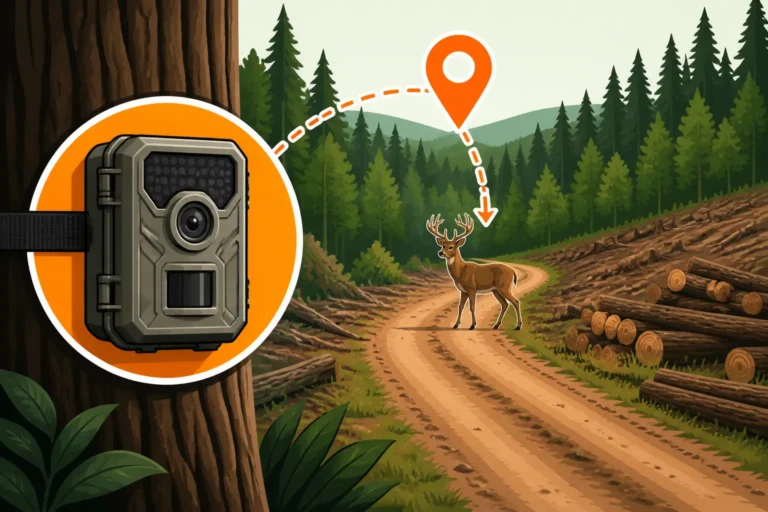
Consider areas within our National Forests, such as the ridges and hollows that define much of the western part of the state. These vast, rugged areas often see less intense pressure deeper in, away from roads and popular access points. Wildlife Management Areas (WMAs) managed by the Virginia Department of Wildlife Resources (DWR) are also excellent choices, but you’ll need to do your homework. Some WMAs are smaller and more heavily pressured, while others, like the huge Amelia WMA or James River WMA, provide ample space for mobile tactics. Tools like the GoHunt app are invaluable here, allowing you to overlay public land boundaries, topo maps, and satellite imagery to identify potential travel corridors, pinch points, and remote bedding areas before you even set foot in the woods. You can scout remotely, marking potential routes and escape cover, saving precious in-field time. Understanding the nuances of Virginia Wildlife Management Areas and their regulations is also key.
Essential Gear and Mindset for Effective Run-and-Gun Hunting
Embracing the run-and-gun lifestyle means rethinking your typical hunting setup. You need to be fast, light, and self-sufficient. This isn't the hunt for a bulky climbing stand and a cooler full of snacks; it's about efficient movement and making the most of every step.
Lightweight Gear for Maximum Mobility
Every ounce counts when you're covering miles on foot. Your gear selection should prioritize functionality and minimal weight.
- Pack: A small, lightweight daypack (15-25 liters) is ideal. It should be comfortable for long walks and carry only the essentials: water, a few high-energy snacks, a first-aid kit, game bags, a knife, and maybe a lightweight rain shell. Brands like Kifaru or Mystery Ranch offer excellent options designed for backcountry hunting that prioritize lightweight durability.
- Firearm/Bow: For deer, a lightweight rifle like a modern bolt-action in a common caliber (e.g., .308 or 6.5 Creedmoor) is perfect. For turkeys, a 20-gauge shotgun is lighter and often just as effective as a 12-gauge. If you're Bowhunting Virginia's Statewide Archery Season, a streamlined bow setup without unnecessary accessories will reduce bulk.
- Optics: Ditch the heavy spotting scope. A good pair of 8x or 10x binoculars is usually sufficient for scanning ahead or checking distant sign. Combine them with a lightweight rangefinder. Look for compact models from brands like Vortex or Leupold. You're not sitting in one spot glassing for hours; you're using them to quickly verify details as you move.
- Calls: For turkeys, a mouth call is a must – it's hands-free and takes up almost no space. Supplement with a small slate or box call if you prefer, but keep it light. For deer, a grunt tube and a small bleat can be incredibly effective and weigh next to nothing.
- Navigation: While your phone with a mapping app like GoHunt is a powerful tool, always carry a backup, even if it's just a small compass and a printed map. You don't want to get caught deep in the George Washington National Forest Hunting with a dead phone battery.
- Clothing: Layering is key, allowing you to shed or add clothing as your exertion level changes. Avoid heavy, bulky outerwear. Look for breathable, moisture-wicking base layers and a quiet, packable outer shell. Consider a good pair of sturdy, comfortable hiking boots designed for varied terrain – waterproof is a bonus, especially in Virginia's often damp woods.
Developing a Dynamic Hunting Mindset
Beyond the gear, the true essence of run-and-gun lies in your mental approach. This isn't a passive activity; it demands constant engagement, critical thinking, and a resilient attitude.
- Patience and Persistence: While it's called "run-and-gun," it's not a sprint. It involves bursts of movement interspersed with periods of quiet observation and careful listening. You might walk a mile, sit for 15 minutes, then move another half-mile. Don't get discouraged if you don't find immediate action. The reward comes from covering more ground and increasing your chances.
- Reading the Land: This is perhaps the most crucial skill. As you move, you need to constantly analyze the terrain, identify potential travel routes (ridge lines, creek bottoms, saddles, logging roads), and recognize areas that provide food, water, or cover. A saddle on a ridgetop, a thick cedar patch next to a clear-cut, or a small stream cutting through a dense hillside can all be hotspots. This kind of intuitive Reading a Ridge for Blue Ridge Deer or understanding how deer use terrain is developed over time and through careful observation.
- Interpreting Subtle Signs: Fresh tracks, droppings, rubs, scrapes, and feeding sign are your breadcrumbs. A run-and-gun hunter needs to be constantly looking down, scanning ahead, and listening. A subtle snap of a twig, the faint rustle of leaves, or the distant caw of a crow can all be clues. The GoHunt app can help you mark these signs, building a picture of game activity over time.
- Adaptability: Be ready to change your plan on a dime. If you hit a fresh track, follow it. If you hear a distant gobble, shift your direction. If you find an unexpected food source, investigate. The ability to adapt to what the woods present is the hallmark of a successful mobile hunter. It's about being flexible and always having a "Plan B."
Executing the Run-and-Gun Strategy in the Field
Now that you're geared up and mentally prepared, let's talk about putting this strategy into action on Virginia's public grounds. It’s a dance between aggressive movement and stealthy observation, always with your senses dialed in.
Covering Ground and Interpreting Sign
The core of run-and-gun is purposeful movement. You're not just taking a hike; you're actively hunting every step of the way.
Start by identifying a broad area you want to investigate – perhaps a specific watershed in the National Forest, a section of a WMA with varied habitat, or even a smaller public parcel you've identified with GoHunt. Begin moving slowly and deliberately, pausing frequently to scan and listen. Your eyes should be constantly searching for sign:
- Fresh Tracks: Look for crisp, well-defined tracks, especially those that haven't been washed out by rain or obscured by falling leaves. Deer and turkey tracks can tell you a lot about recent activity.
- Droppings: Fresh droppings indicate recent presence. For deer, look at the consistency and color; for turkeys, the shape and size can even hint at the bird's sex.
- Rubs and Scrapes: While rubs and scrapes are most common during the pre-rut and rut, finding fresh ones at any time indicates a buck's travel route. A logging road with a fresh scrape line can be a high-traffic area.
- Food Sources: Are the acorns dropping? Are there browse lines on saplings? Is there an old apple tree in an abandoned homestead? Game animals are slaves to their stomachs, and finding food sources, particularly late-season food sources for Virginia whitetails, will put you where the animals are.
- Visual Observation: Constantly sweep your eyes through the woods. Don't just look for an entire animal; look for a horizontal line in a vertical world, a flicker of an ear, or an unnatural color against the natural background.
Use your GoHunt mapping application to mark every piece of significant sign you find. This creates a real-time "heatmap" of activity. If you find a cluster of fresh sign in a particular area, that's where you slow down, become extra stealthy, and prepare for an encounter. This kind of digital scouting and in-field marking can be a game-changer.
Calling and Setup Tactics
Once you've located active sign or heard a distant gobble or grunt, your next move is critical. This is where the "gun" aspect of run-and-gun comes into play, but it's often more about smart positioning than blind aggression.
- For Turkeys: If you hear a gobble, use the terrain to close the distance quietly. Get as close as you dare without being seen, aiming for a spot that offers good cover and a clear shooting lane in the direction you expect the bird to come from. Then, set up quickly against a large tree, get your gun up, and initiate your calls. Start soft, mimicking hens subtly inviting him in. You might use a locator call to pinpoint him further. If he's hot, be ready. If he hangs up, you might need to adjust your setup or push a little further. Being able to quickly move and Calling a Virginia Gobbler Off the Roost as soon as you hear him can be incredibly effective during the spring season.
- For Deer: If you jump a deer, or if you're working a hot sign line, stop and listen. Sometimes a deer will circle back, especially if it didn't clearly identify you. For active deer, especially during the Hunting the Virginia Rut in November, blind calling with a grunt tube or rattling antlers (if appropriate for the cover, consider Rattling Volume in Thick Mountain Cover) can sometimes pull a curious buck in. Your setup needs to be quick and concealed. Use natural cover like blowdowns, dense cedars, or the backside of a ridge to break up your outline. The key is to be ready to shoot as soon as you stop moving. If you're still-hunting Jefferson Forest ridges, you might pause on a bench or at a saddle, grunting softly every 15-20 minutes, ready for a response.
A crucial aspect of calling and setting up is understanding wind and thermals. In Virginia's mountains, wind and thermals on a Blue Ridge Slope can dictate how and where deer move, and more importantly, how your scent travels. Always try to set up with the wind in your favor, especially when working a known travel corridor or a fresh scrape.
Overcoming Common Challenges on Virginia's Public Lands
Hunting public land in Virginia is rarely without its hurdles. From crowded woods to unpredictable weather, a run-and-gun hunter needs to be prepared for anything.
Dealing with Hunting Pressure
Public land, by its nature, is accessible to everyone. This means you're almost guaranteed to encounter other hunters, especially on opening day or weekends. High Hunting Pressure on Virginia Public Land is a reality, but it doesn't have to ruin your hunt.
The run-and-gun method is an excellent counter to pressure. While other hunters sit in their stands, you're actively moving and seeking game that's been displaced.
- Go Deeper, Harder, Smarter: Most hunters stick close to roads and easy trails. Use your GoHunt app to identify areas that are a mile or more from the nearest access point, or those separated by difficult terrain like steep climbs, dense thickets, or creek crossings. These "hard to get to" spots often hold less-pressured game.
- Hunt Mid-Week: If your schedule allows, hunting on a Tuesday or Wednesday can significantly reduce the number of other hunters you encounter.
- Utilize Off-Peak Hours: While many hunters focus on first and last light, deer and turkeys can move throughout the day, especially when pressured. A midday run-and-gun session through a secluded drainage or a dense bedding area can often yield results when others have gone back to camp.
- Hunt "Nasty" Weather: A light drizzle, snow, or cold, blustery conditions will send many hunters home. For the prepared run-and-gun hunter, these are often ideal conditions, offering quiet movement and reduced competition. Just make sure you're properly dressed in quality cold-weather gear and have appropriate rain gear.
Adapting to Changing Conditions and Game Behavior
Virginia's weather can be notoriously unpredictable, and game animals are masters of adapting. Your run-and-gun strategy needs to be equally fluid.
- Weather: A cold front can trigger increased deer movement, while a sudden warm spell might make gobblers quieter. Heavy rains can wash away fresh sign but also encourage deer to seek higher, drier ground. Pay attention to forecasts and adjust your tactics. If it's warm and early in the season, focusing on creek bottoms and shaded north-facing slopes might be productive. If it's truly Hunting Deer After a Cold Front, then focusing on sunny south-facing slopes or food sources becomes paramount.
- Time of Day: Early morning and late evening are classic hunting times, but pressured animals on public land might shift their patterns. Midday hunts often involve still-hunting through thick cover or investigating remote bedding areas.
- Season Progression: What works in early archery season when acorns are falling might not work during the late season when deer are focused on remaining green browse or cut fields. For turkeys, early season gobblers are often more responsive, while late season birds can be "henned up" and harder to call. A run-and-gun approach allows you to quickly shift your focus based on these seasonal changes. For instance, in the late season, working a creek bottom for late-season deer can be a very productive run-and-gun tactic, as deer often gravitate to these areas for food and cover when other areas become barren.
The key is constant observation and a willingness to learn. Every hunt is a lesson. Use your GoHunt app to record not just where you saw game or sign, but also the weather conditions, time of day, and specific habitat. Over time, you'll build a valuable database that informs your future run-and-gun adventures.
Run-and-Gun vs. Static Hunting: A Quick Comparison
To further illustrate the strengths of the run-and-gun method, here’s a quick comparison with more traditional static hunting approaches. While both have their place, understanding their differences can help you decide which strategy is best for your specific situation.
| Feature | Run-and-Gun Hunting | Static Hunting (e.g., from a stand) |
|---|---|---|
| Mobility | High: Constantly moving, adapting to game and conditions. | Low: Fixed position, waiting for game to come to you. |
| Adaptability | Excellent: Easily change locations, tactics, and targets. | Limited: Success heavily depends on pre-scouting accuracy. |
| Pressure | Effective counter: Can seek out unpressured pockets. | Vulnerable: Highly impacted by other hunters' movements. |
| Gear Weight | Minimalist, lightweight, essential-focused. | Can be heavier (stands, multiple layers, more comfort items). |
| Stealth | Requires constant attention to quiet movement. | Emphasis on quiet entry/exit and remaining still. |
| Energy Output | High: Physically demanding, covers significant ground. | Low-moderate: Patience-based, less physical exertion during hunt. |
| Scouting | Integrated: Hunt and scout simultaneously. | Primarily pre-season, focused on finding specific stand locations. |
| Game Species | Excellent for active, mobile species (turkeys, deer). | Good for patterned game, or specific food/travel corridors. |
| Public Land | Often superior due to unpredictability of game and pressure. | Can be effective in low-pressure areas or well-scouted private land. |
As you can see, the run-and-gun strategy truly shines in dynamic environments like Virginia’s public lands, where flexibility and active pursuit can be the keys to success.
Disclaimer
Hunting is an inherently dangerous activity. Always prioritize safety, follow all Virginia Department of Wildlife Resources (DWR) regulations, and obtain appropriate licenses and tags. Be aware of your surroundings, know your target and what is beyond it, and never hunt alone without informing someone of your plans. This guide is for informational purposes only and does not substitute for proper hunter education and field experience.