Hunting a Green Field Planted for Deer
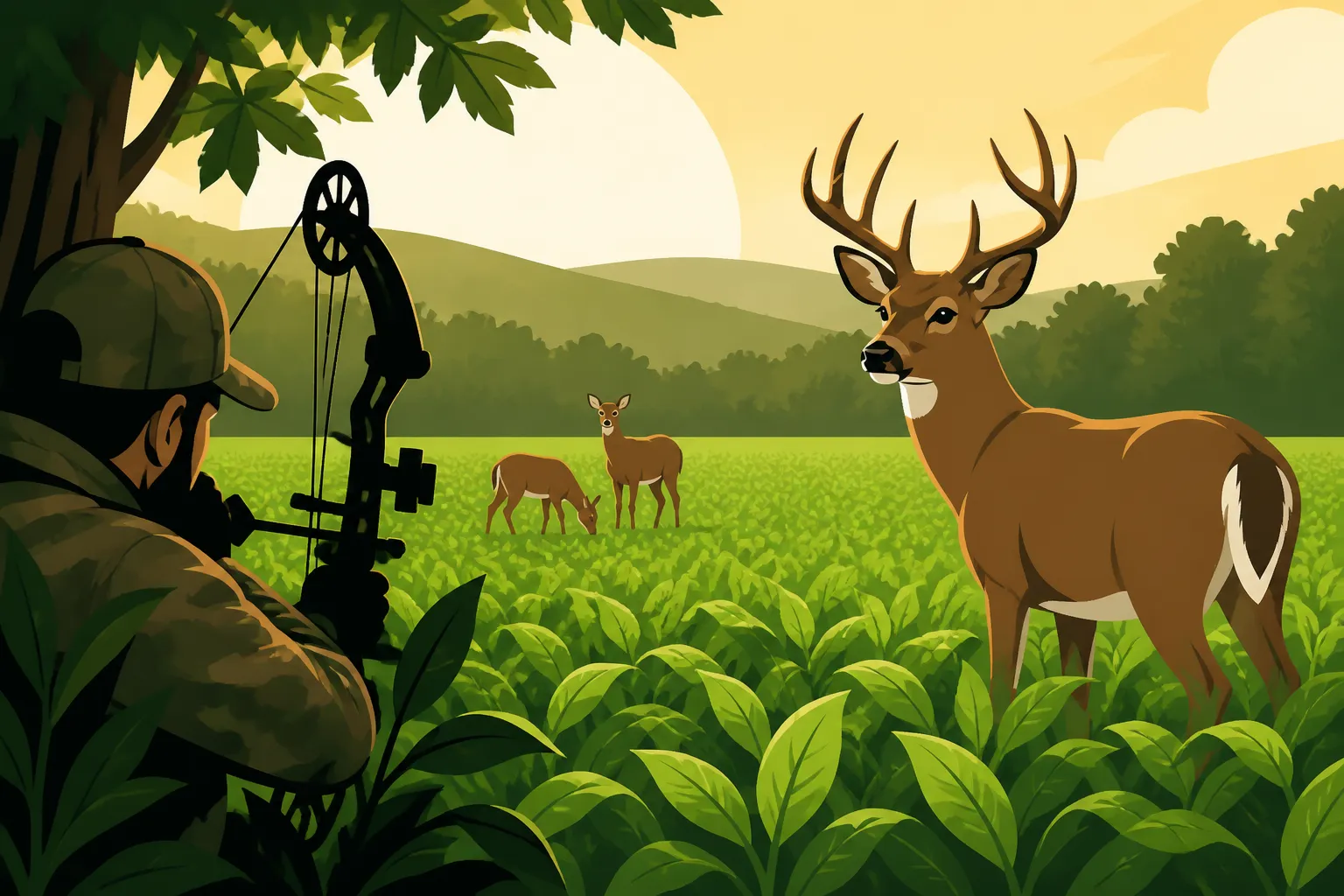
Hunting a green field planted for deer in Virginia can be incredibly rewarding, but it’s far from a guaranteed success. Many hunters struggle to convert these seemingly perfect food plots into harvest opportunities, often finding that deer either feed exclusively under the cover of darkness or simply never appear when they’re sitting in the stand. This guide will walk you through the nuances of effectively hunting a green field, helping you understand deer behavior, strategize your approach, and adapt to changing conditions to boost your chances in the Old Dominion.
Understanding the Allure of Green Fields for Deer
Green fields, often called food plots, are intentionally planted agricultural areas designed to attract and hold deer by providing a concentrated, high-quality food source. For deer in Virginia, especially when natural mast crops like acorns are scarce or after heavy hunting pressure, these plots can be absolute magnets. They offer a nutritional boost, visibility, and often serve as social hubs where deer gather. The types of forage planted can vary widely, from clover and alfalfa to brassicas, cereal grains like winter wheat or rye, and even annual blends specifically formulated for deer. Each type has its own appeal and attracts deer at different times of the year, meaning your approach needs to be as dynamic as the plants themselves.
Nutritional Hotspots and Deer Behavior
Deer are constantly seeking out the best nutrition available, especially during critical periods like antler growth, gestation, and before the cold bite of winter truly sets in. A well-maintained green field provides this in spades, acting as a crucial part of their diet. During the spring and summer, plots rich in clover and alfalfa offer high protein content essential for does nursing fawns and bucks developing antlers. As fall approaches and temperatures drop, brassicas like turnips and radishes, along with cereal grains, become incredibly attractive, offering crucial carbohydrates and energy needed to pack on fat for winter.
Understanding the specific nutritional value of what you’ve planted, or what’s growing in a public land green field, is key to predicting when and why deer will use it. Deer don’t just randomly walk into a field; they have established patterns, often entering from bedding areas at predictable times. Using tools like GoHunt can help you analyze the surrounding terrain, identify potential bedding cover, and even overlay historical weather data to start building a picture of likely deer movement patterns. By recognizing these patterns, you can better anticipate when deer will be most active and which parts of the field they’ll frequent.
The Seasonal Appeal of Different Forages
The deer’s palate changes with the seasons, and so too should your hunting strategy for green fields. What’s a hotspot in early fall might be ignored entirely by late season, and vice-versa.
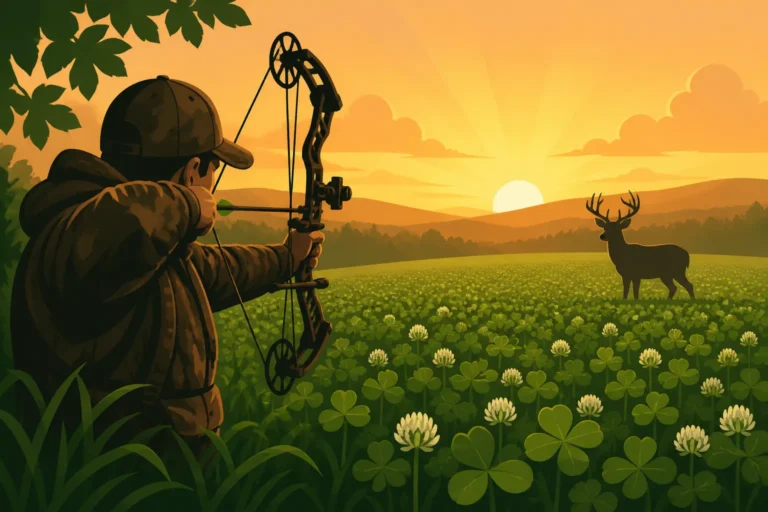
- Early Season (September-October): During the archery season, especially in Virginia’s warm early fall, deer are still recovering from summer and building up reserves. Lush clover, chicory, and alfalfa plots are incredibly appealing. These provide essential protein and minerals. You’ll often see does and fawns, and younger bucks, hitting these fields regularly in the late evenings and early mornings. Mature bucks might skirt the edges or make brief appearances, often just before dark. This is a great time to implement strategies for Bowhunting Virginia's Statewide Archery Season.
- Rut (Late October-November): As the rut heats up, deer activity around fields can intensify, but it's often less about feeding and more about searching for does. Fields planted with brassicas (once the first hard frost sweetens them) or cereal grains become popular. Bucks will cruise field edges, scent-checking for does, and chasing. The timing of the rut can vary, but knowing Hunting the Rut East of the Blue Ridge or Hunting the Rut West of the Blue Ridge will inform your strategy.
- Late Season (December-January): This is where green fields truly shine. With natural forage depleted and temperatures plummeting, deer are desperate for calories. Winter wheat, rye, oats, and standing brassicas (especially those with bulbs like turnips) are prime Late-Season Food Sources for Virginia Whitetails. During this brutal time, deer will often hit fields in daylight, particularly during mid-day cold fronts, making it an excellent time to hunt. They need to replenish energy, and these fields offer easily accessible, high-energy meals.
Understanding these seasonal shifts helps you match your hunting efforts to what the deer are prioritizing, ensuring you’re not hunting a protein-rich clover plot in January when deer are craving carbohydrates.
Scouting and Setup Strategies for Green Fields
Successfully hunting a green field is less about the field itself and more about everything around it. Your ability to scout effectively and set up strategically, minimizing your intrusion, is paramount. Deer in Virginia, whether on private land or within a Wildlife Management Area, are wise to human presence, especially around popular food sources.
Pre-Season Reconnaissance and Sign Reading
Before you even think about hanging a stand, extensive pre-season scouting is crucial. Start by observing the field from a distance, using good binoculars or a spotting scope. Look for common entry and exit points, funneling terrain features, and areas where deer seem to linger before entering or after leaving the main plot. Pay attention to the surrounding cover—where are the nearest thickets, clear-cuts, or mature timber stands that might serve as bedding areas?
Trail cameras are your best friend here. Set them up on established trails leading into the field, not directly on the field edge where they might spook deer or get attention from other hunters if on public land. Look for patterns: what time are deer using the field? Are certain age classes (does, young bucks, mature bucks) using it differently? Are they predominantly nocturnal? GoHunt, with its mapping tools, can be invaluable for identifying property lines, access routes, and topographical features that might influence deer movement even before you step foot in the woods. This helps you develop a comprehensive picture of deer activity without putting excessive pressure on the actual field. You'll also want to be aware of the Trail Camera Rules on Virginia Public Land if you're on a WMA or National Forest.
Masterful Stand Placement and Wind Management
This is where many green field hunts go wrong. Placing your stand directly on the field edge with no regard for wind or entry/exit routes is a recipe for disaster. Deer will bust you every time.
Wind Direction is Non-Negotiable: Your number one priority for stand placement around a green field should be the prevailing wind. Always choose a stand location that keeps your scent blowing away from where you expect deer to approach and feed. If the wind isn't right for your chosen stand, don't hunt it. It's better to stay home than to educate deer. Virginia's often swirling winds, especially in hilly or mountainous terrain, make this a constant challenge. Always consider how topography, even subtle dips and rises, can affect wind currents.
Strategic Stand Locations: Instead of right on the edge, consider these spots:
- Pinch Points and Funnels: Look for narrow strips of cover, brushy ditches, or subtle topographical features that naturally funnel deer towards a specific entry point of the field. Placing a stand in these funnels can be incredibly effective. For example, Hunting a Funnel Between Two Hollows can apply to a green field setup.
- Transition Zones: Deer often stage in dense cover just before entering a field. A stand set up 50-100 yards back in the woods, overlooking a known staging area or a primary travel corridor, can catch deer moving in daylight before they commit to the open.
- Field Corners and Irregularities: Deer feel safer entering fields at corners or where there's an irregularity in the tree line that offers more cover. These can be prime locations. Consider Setting Up on a Piedmont Field Edge with these principles in mind.
- Inside Turns: If the field has a large, sweeping turn, deer often cut the corner from the woods. This "inside turn" can be a fantastic ambush point.
Entry and Exit Routes: This is often overlooked. You need to be able to get to and from your stand without alerting deer. Use terrain features, ditches, thick cover, or even waterways to conceal your movement. Walk slowly, quietly, and use a headlamp on its lowest setting in the dark. Your entrance and exit are just as important as your time in the stand.
In-Season Tactics and Adaptations
Once you've done your scouting and set up your stand, the real hunting begins. Green fields require patience, flexibility, and a willingness to adapt your tactics based on what the deer are telling you. What works one day might fail spectacularly the next.
Timing Your Hunts for Peak Activity
Knowing when to hunt a green field is often more critical than knowing where. Deer are creatures of habit, but those habits can shift based on various factors.
- Dawn and Dusk: These are the classic peak feeding times. Deer feel safest under the low light conditions of morning and evening. For evening hunts, plan to be in your stand well before sunset, allowing time for the woods to settle. For morning hunts, be in your stand before legal shooting light.
- Mid-day During Cold Snaps or the Rut: Don't write off mid-day hunting, especially in the late season or during the peak of the rut. When temperatures drop drastically, deer need to feed more to maintain their body temperature, and they might break cover during the warmest part of the day. Similarly, rutting bucks are on their feet almost constantly, scent-checking and chasing does, making mid-day encounters a real possibility around fields where does frequently gather.
- Weather Patterns: Approaching cold fronts or the first calm period after a significant rain or snow can trigger intense feeding activity. Deer know bad weather is coming or has passed, and they capitalize on the opportunity to gorge themselves. Pay close attention to the forecast and try to be in your stand when these conditions hit.
Always remember that deer activity is greatly influenced by hunting pressure. If a green field is hammered by hunters, deer will quickly go nocturnal or abandon it for more secure food sources.
Calling, Decoying, and Pressure Management
While not always necessary, calling and decoying can sometimes give you an edge, especially around green fields.
- Calling: During the rut, soft grunt calls or a doe bleat can draw a cruising buck into the field or stop one on the edge. Rattling antlers can also be effective if you know bucks are in the area and are feeling aggressive. Use calling judiciously and realistically. Loud, aggressive calls near a field where deer are wary can have the opposite effect. Consider practicing your Grunt Calls in Mature Virginia Timber so you can be subtle and effective near a field.
- Decoying: A single doe decoy, especially in the pre-rut and rut, can act as a visual attractant, drawing in curious bucks looking for a receptive female. Place it facing away from your stand, as if it's heading towards you, making approaching bucks feel more comfortable. Always ensure your decoy is visible but not easily spotted by other hunters.
- Pressure Management: This is perhaps the most critical aspect of hunting green fields. Every time you enter, exit, or hunt a field, you exert pressure. Too much pressure, and deer will stop using the field during daylight hours.
- Rotate Stands: If you have multiple stand options around a field, rotate them to allow areas to cool off.
- Hunt Smart: Only hunt a stand when the wind is absolutely perfect.
- Minimize Disturbance: Be as quiet and stealthy as possible on your way in and out. Avoid walking directly across the field unless absolutely necessary for retrieval, and even then, do it quickly.
- Know When to Back Off: If deer consistently go nocturnal on your cameras or you're not seeing deer, it's time to back off and let the field rest. This might mean hunting a nearby bedding area or transition zone instead, or switching to another food source altogether.
Common Pitfalls and Troubleshooting Green Field Hunts
Even with the best intentions and meticulous planning, green field hunting can present unique challenges. Deer are incredibly adaptable, and what works one season might not work the next, especially in areas with significant hunting pressure. Recognizing common pitfalls and knowing how to troubleshoot them can make all the difference.
Avoiding Common Mistakes
It’s easy to get excited about a lush green field and fall into habits that ultimately deter deer. Here are some of the most common mistakes hunters make:
- Over-Pressuring the Field: This is the biggest killer of green field success. Hunting the same stand on the same field too frequently, regardless of conditions, will quickly teach deer to avoid it during daylight. Think of it like a favorite restaurant – if it’s always crowded and noisy, you might start looking for quieter spots. Deer will do the same. If you hunt a field more than once or twice a week, or consecutively for several days, you're likely overdoing it.
- Ignoring Wind Direction: We’ve already stressed this, but it bears repeating. Hunting with a less-than-ideal wind is not just risky; it’s disrespectful to the deer and unproductive for you. Deer rely on their nose more than any other sense. If your scent blows into their travel corridor or the feeding area, they will know you’re there and they will avoid it. Period.
- Poor Entry and Exit: Crashing through the woods, making noise, or walking directly across the field to get to your stand is a surefire way to educate deer. Every time you alert a deer, you teach it to be warier. Even subtle movements or sounds can be enough. Plan silent, concealed routes to and from your stand.
- Not Adapting to Deer Behavior: Deer patterns change throughout the season due to food availability, breeding activity, and pressure. Sticking rigidly to one strategy when deer are clearly showing different preferences (e.g., going nocturnal, shifting to another food source) will lead to frustration. Regularly check your trail cameras, observe from afar, and be ready to move your stand or change your tactics.
Adapting When Deer Go Nocturnal or Shift Away
What happens when your meticulously scouted and prepared green field suddenly goes cold? Or worse, your trail cameras show big bucks hitting it only in the dead of night? Don't despair; it's a common scenario, and it calls for adaptation.
- Shift to Transition Zones: If deer are feeding at night, they're likely bedding nearby and moving to the field at dusk. Instead of hunting the field edge, back off 50-150 yards into the cover, focusing on the primary travel corridors between known bedding areas and the green field. Look for pinch points, saddles, or dense cover lines that deer will naturally use as they transition from bed to feed. This might involve Reading a Ridge for Blue Ridge Deer or identifying Where George Washington Forest Bucks Bed.
- Hunt the Bedding Area (Carefully): This is a high-risk, high-reward strategy. If you can identify the exact bedding area, a very careful, wind-perfect hunt on the downwind side, perhaps during a blustery day or a rain event that masks your approach, might catch a buck leaving its bed early. This requires extreme stealth and an exit strategy that won't spook deer still in their beds. This is often better suited for the late season when deer are locked into smaller thermal cover.
- Scout for Alternative Food Sources: If deer completely abandon a green field during daylight, they might have found a more secure or preferred food source elsewhere. This could be a new acorn drop, a different type of agricultural field, or even native browse. Get out and scout for fresh sign in other areas.
- Increase Surveillance: Set up more trail cameras on the trails leading to and from the field, or on other potential food sources. The goal is to gather more intelligence to understand why the deer patterns have changed.
- Rest the Field: Sometimes, the best strategy is no strategy at all. Give the green field a break. Stay out of it for a week or two, letting deer feel comfortable enough to return during daylight. The longer you let it rest, the more likely deer are to resume daylight activity.
By understanding these nuances and being willing to adapt, your green field hunts in Virginia can become far more productive, turning those frustrating nocturnal photos into daylight encounters.
| Green Field Forage Type | Primary Appeal | Peak Hunting Seasons | Best Hunt Timing |
|---|---|---|---|
| Clover/Alfalfa | Protein, Minerals | Early Archery (Sept-Oct) | Late Afternoon, Early Morning |
| Brassicas (Turnips, Radishes) | Carbohydrates | Late Archery, Muzzleloader, Firearms (Oct-Jan) | Mid-day, Late Afternoon (especially after first hard frost) |
| Winter Wheat/Rye/Oats | Carbohydrates | Late Archery, Muzzleloader, Firearms (Nov-Jan) | Mid-day, Late Afternoon (critical late-season food) |
| Chicory | Protein, Minerals | Early Archery (Sept-Oct) | Late Afternoon, Early Morning |
| Annual Blends (mixed) | Varied | Depending on blend (Sept-Jan) | Adapt to dominant forage |
Disclaimer: Hunting regulations and seasons can change frequently. Always consult the Virginia Department of Wildlife Resources (DWR) official regulations manual before planning any hunting trip. This guide is for informational purposes only and does not supersede state or federal hunting laws.