Virginia Public Land Hunting Hours
One of the most common head-scratchers for us hunters in Virginia is figuring out exactly when we can legally hunt on public land. It's not always a straightforward sunrise-to-sunset rule across the board, and getting it wrong can lead to a lot of frustration, or worse, a visit from a game warden. This guide aims to clear up all that confusion, detailing the specific hunting hours you need to know for various game and land types across our beautiful Commonwealth.
Understanding the Basics of Virginia's Hunting Hours
Navigating the rules and regulations can feel like trying to track a mature buck through a briar patch sometimes. You think you’ve got it, then a subtle change in terrain (or in this case, regulations) throws you off. Knowing the fundamental rules for hunting hours on public land in Virginia is your first step to a successful and legal hunt.
General Statewide Rules for Public Land
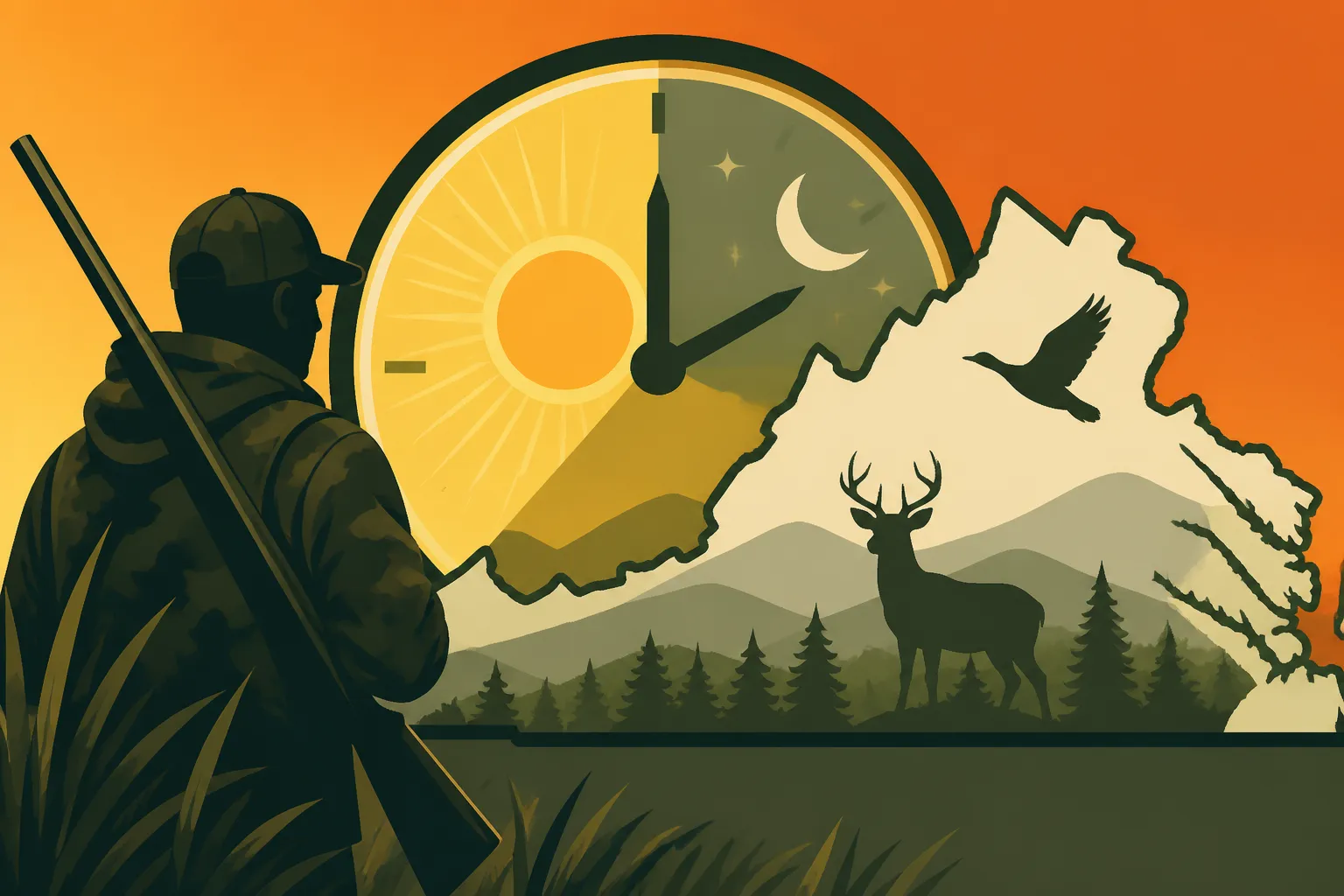
Generally speaking, for most game animals in Virginia, legal hunting hours on public land run from one-half hour before sunrise to one-half hour after sunset. This isn't just a suggestion; it's a hard and fast rule set by the Virginia Department of Wildlife Resources (DWR). It means you need to be out of the stand or blind, unloaded, and ready to pack up before that half-hour after sunset mark, and you can't load your firearm or nock an arrow until that magical half-hour before sunrise. This applies to your typical deer, bear, and most small game pursuits.
It's easy to lose track of time when you're immersed in the woods, especially as the days get shorter in late fall and winter. You might be watching a beautiful sunset, completely forgetting that legal shooting light is rapidly fading. Always keep a close eye on your watch or, better yet, use a reliable app that displays real-time sunrise and sunset, accounting for your exact location. This simple practice can save you a lot of grief. Remember, these times are calculated based on your local horizon, not necessarily just a general time zone.
There are, of course, exceptions to this general rule, which we'll dive into shortly. These typically apply to specific species like migratory birds, and sometimes for furbearers that might be hunted at night. But for the vast majority of our big game and common small game animals, stick to that half-hour before sunrise to half-hour after sunset window, and you'll be on the right side of the law.
How Time Zones and Daylight Saving Affect Things
Virginia, thankfully, is mostly within one time zone, Eastern Time, which simplifies things considerably compared to states that straddle multiple zones. However, that doesn't mean you can just look up "sunrise Richmond" and apply it to a hunt deep in the George Washington National Forest. Sunrise and sunset times vary depending on your specific longitudinal position within the state. For example, the sun will rise and set a few minutes earlier on the Eastern Shore than it will in the far western counties of the Appalachian Plateau. While these differences might seem minor, a few minutes can matter when you're trying to maximize legal shooting light or avoid a citation.
Daylight Saving Time is another factor that can trip hunters up, especially around the changeover periods. When the clocks "spring forward" or "fall back," it directly impacts when sunrise and sunset occur according to your clock. It's crucial to be aware of these shifts and adjust your hunting schedule accordingly. Most modern hunting apps and even basic smartphone weather apps will automatically account for Daylight Saving Time, but it's always good to double-check, especially if you're using an older device or a printed sunrise/sunset table. Always use a current, location-specific source for your sunrise and sunset times.
This is where having a reliable tool becomes incredibly helpful. Many hunters use apps that pull precise, location-based sunrise and sunset data, often right down to the minute. This takes the guesswork out of it and ensures you're always operating within legal hours, no matter if you're hunting in the Piedmont or up on a remote mountain bench.
Specific Regulations by Game Type and Land Category
Just like different game animals have their own seasons and bag limits, they often have specific rules about when you can hunt them. And where you hunt them – whether it's a vast national forest or a smaller Wildlife Management Area (WMA) – can also introduce unique considerations for hunting hours. It's never a bad idea to review the Virginia DWR hunting regulations annually, as small changes can occur.
Deer and Bear on National Forests and WMAs
For our beloved white-tailed deer and the majestic black bear, the standard legal hunting hours of one-half hour before sunrise to one-half hour after sunset generally apply across all public lands, including the sprawling George Washington National Forest and Jefferson National Forest, as well as the numerous Virginia Wildlife Management Areas. This consistency helps simplify things for big game hunters, allowing you to focus more on scouting and strategy, like finding the best places for Treestand Setups in George Washington National Forest or figuring out prime travel corridors.
However, even within WMAs, there can be nuances. Some WMAs might have specific managed hunts or quota hunts with slightly different regulations, which could include variations in hunting hours for very specific reasons. Always consult the DWR’s website or a comprehensive hunting app like GoHunt for the specific WMA you plan to visit. While rare for general hours, it's not unheard of for a WMA to have an earlier closure on certain days or for certain species, often for safety or management reasons during special events. Don't assume that just because it's a WMA, all rules are identical to statewide regulations; always check.
For instance, during early archery seasons, you might find yourself perched in a stand, listening to the woods wake up long before legal light. Knowing that precise "half-hour before sunrise" mark is critical for knowing when you can nock an arrow. Similarly, in the fading light of a late general firearms season, when you're trying to figure out Late-Season Food Sources for Virginia Whitetails, every minute of legal light counts, and knowing your exact end time helps you plan your shot and recovery.
Waterfowl and Other Migratory Birds
Waterfowl hunting, which is incredibly popular on the Chesapeake Bay and other Virginia wetlands, operates under a slightly different set of rules when it comes to shooting hours. These regulations are primarily governed by federal guidelines, which Virginia adopts. For ducks, geese, and other migratory birds, legal shooting hours are from one-half hour before sunrise to sunset. Notice the difference? No half-hour after sunset for migratory birds.
This distinction is important and strictly enforced by state and federal game wardens. Missing that detail can lead to a violation. When you're out there in a layout blind or a marsh boat, surrounded by decoys, it's easy to get caught up in the action, but always be mindful of that sunset cutoff. Planning your Waterfowl Hunting the Chesapeake Bay trip means not just understanding the Virginia Waterfowl Zones and Seasons, but also having a reliable time-telling device that shows you when the sun officially dips below the horizon.
Beyond ducks and geese, other migratory birds like doves and woodcock also fall under these federal guidelines. So, whether you're working a dove field or trying to catch a glimpse of a woodcock, remember that sunset is your hard stop. Always verify these specific migratory bird regulations each season, as they can sometimes see minor adjustments based on flyway councils and federal frameworks.
Small Game and Furbearers
For most resident small game species, such as squirrels, rabbits, and grouse, the general hunting hours of one-half hour before sunrise to one-half hour after sunset still apply. This keeps things relatively consistent for hunters pursuing these animals on public land, which is great for those who enjoy a diverse hunting calendar. You can be Squirrel Hunting a Virginia Oak Ridge or chasing rabbits along fencerows with the same general time constraints as deer hunting. You can find more specific information in the Virginia Small Game Season Rules.
However, furbearers introduce a notable exception to the daylight-only rule. Specifically, coyotes, which are an unclassified species in Virginia and can be hunted year-round, can often be pursued at night on private land under specific conditions. On public land, however, night hunting is typically restricted. The regulations around Night Hunting Rules for Virginia Coyotes are complex and vary greatly depending on the land type, specific county ordinances, and whether you're using lights or calling. It is absolutely critical to check the very latest DWR regulations and any specific rules for the public land you intend to hunt if you are considering night hunting for furbearers. Do not assume general rules apply to night hunting.
For trapping furbearers, the rules are different again, often allowing trappers to check their lines outside of typical hunting hours. But for active hunting, always default to the half-hour before sunrise to half-hour after sunset rule for most small game on public lands, with special attention to migratory bird regulations and the very specific, limited, and often private-land-only allowances for night hunting furbearers.
Tools and Best Practices for Staying Compliant
Knowing the rules is one thing, but actually implementing them in the field can be another challenge. The Virginia woods can be thick, the weather unpredictable, and the excitement of the hunt consuming. Thankfully, modern technology and smart planning can be your best friends for staying within legal hunting hours.
Essential Apps and Resources for Hunters
In today's hunting world, your smartphone can be one of your most valuable tools, right alongside your binoculars and rifle. The Virginia DWR website is always your official source for regulations, but accessing it deep in the woods isn't always practical. That's where dedicated hunting apps come into play. Many hunters rely on these apps to provide precise, location-based sunrise and sunset times, which automatically adjust for Daylight Saving Time. These apps often integrate DWR regulations, public land boundaries, and even your current location on a map, making it incredibly easy to confirm you're on public land and within legal hours.
For example, apps like GoHunt are invaluable for displaying real-time sunrise and sunset, often with a countdown to legal shooting light. They can also show you property boundaries, so you know exactly where you stand, literally. These features are critical when you're hunting complex areas like the edges of a Hunting a High Elevation Mountain Bench or navigating the irregular boundaries of some WMAs. Beyond dedicated hunting apps, even basic weather apps on your phone can provide accurate local sunrise and sunset times. Just be sure your phone is charged and you have a backup plan (like a printed table or a traditional watch) in case of signal loss or battery drain.
The DWR's own "Go Outdoors Virginia" platform and associated app are also fantastic resources. They allow you to purchase licenses, report harvests, and often contain maps and specific regulations for WMAs. Familiarize yourself with these resources before you head out. Don't wait until you're in the stand at zero-dark-thirty to figure out if you're legal.
Planning Your Hunt to Maximize Legal Hunting Time
Effective planning goes beyond just knowing the hours; it's about strategizing how to use those hours to your advantage while remaining safe and legal. Before you even set foot on public land, take the time to review the specific regulations for that area and species. Scouting Virginia Public Land Before Season isn't just about finding deer sign; it's also about identifying safe entry and exit routes that allow you to get to your spot before legal shooting light and pack up after. Walking in the dark requires a reliable headlamp and a clear understanding of the terrain to avoid injury and minimize disturbance to game.
Consider what you're hunting and the conditions. If you're using a ground blind, plan your setup and brushing in well in advance. If you're Using a Ground Blind on Virginia Public Land, you want to be settled and quiet long before the deer start moving at first light. For archery hunting, which often begins earlier in the year when days are longer, you might have more leeway, but as the season progresses into the general firearms seasons, those minutes of legal light become precious. Always wear your Virginia Blaze Orange Requirements during applicable seasons, especially when walking in or out in low light conditions, to ensure you're visible to other hunters.
| Game Type | Legal Hunting Hours (General) | Key Exceptions/Notes |
|---|---|---|
| Deer, Bear, Small Game | 1/2 hour before sunrise to 1/2 hour after sunset | Check WMA-specific rules; no night hunting generally allowed. |
| Waterfowl, Migratory Birds | 1/2 hour before sunrise to sunset | Federal regulations apply; strictly enforced sunset cutoff. Consult Virginia Waterfowl Zones and Seasons. |
| Furbearers (e.g., Coyote) | Generally 1/2 hour before sunrise to 1/2 hour after sunset | Night hunting for coyotes typically only on private land with specific permits/rules. Consult Night Hunting Rules for Virginia Coyotes. |
Always plan to be in your stand or blind, quiet and ready, well before legal shooting light begins. Likewise, start packing up shortly after legal shooting light ends. This isn't just about avoiding a ticket; it's about respecting the animals and other hunters. A clear understanding of the Virginia Deer Season Structure Explained and specific dates helps tie all these elements together for a truly prepared hunt. For instance, if you're Reading Aerial Photos for Piedmont Deer, you might identify a perfect funnel, and knowing the exact sunrise/sunset times will inform how early you need to leave your truck to silently slip into position there.
Disclaimer
Please note: Hunting regulations can change. While this guide provides comprehensive information based on current Virginia Department of Wildlife Resources (DWR) regulations, it is your responsibility to consult the most up-to-date DWR regulations prior to any hunting activity. Always confirm season dates, bag limits, and specific hunting hours for your chosen game species and hunting location directly with the Virginia DWR.