Thermal and Night Vision Rules in Virginia
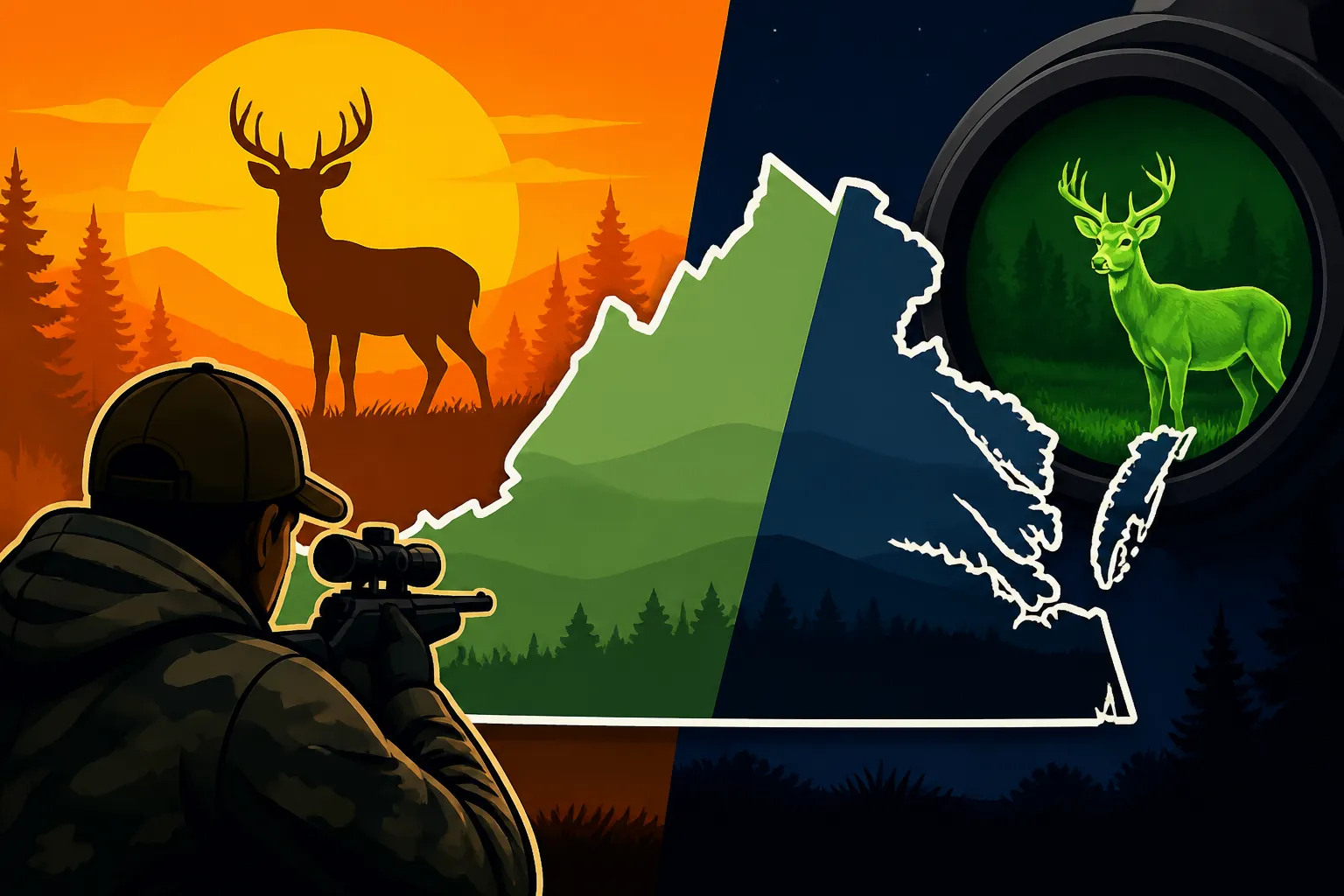
You've heard the buzz around thermal and night vision optics, haven't you? It's easy to get swept up in the incredible capabilities these devices offer, making the dark seem like twilight and revealing the hidden world of nocturnal animals. But for us hunters in Virginia, the cutting-edge allure often comes with a hefty dose of confusion about what's actually legal when we're out in the woods. This guide is here to clear the air, breaking down Virginia's rules for thermal and night vision so you can hunt smart, stay legal, and make informed gear decisions without any costly surprises.
The Allure and the Confusion: Why Thermal and Night Vision?
There’s no denying the magnetic pull of thermal and night vision technology. For generations, hunters have relied on their eyes, ears, and perhaps a good set of binoculars to navigate the pre-dawn darkness or the fading light of evening. But these new optics? They promise to turn night into day, giving us an undeniable advantage.
The Edge They Promise: Spotting in Low Light
Imagine sitting in your stand, the woods are still, and the last sliver of natural light is just about gone. You know deer are moving, but your conventional binoculars are just showing you shadows. Now, picture being able to scan that same landscape with a thermal imager, and suddenly, the heat signature of a deer, hidden behind a thicket or tucked away in a shadowed creek bottom, pops into clear view. It's truly transformative. Night vision, on the other hand, amplifies ambient light, allowing you to see objects and animals with surprising clarity even on a moonless night. These devices offer an almost unfair advantage, helping you identify game, assess its size, and understand its movement patterns in conditions where traditional optics are utterly useless. This ability to extend your effective scouting and hunting hours, or simply to see what’s truly out there after sunset, is incredibly appealing.
Misconceptions and the Regulatory Minefield
With such advanced technology, it's natural for a lot of misinformation and misunderstanding to circulate, especially concerning their legality. Many hunters hear about their effectiveness for species like feral hogs in other states and assume the same rules apply to all game, everywhere. This simply isn't the case, and diving into the regulatory landscape without clear guidance can feel like navigating a minefield. The frustration is real: you might invest a significant amount of money in a high-tech scope, only to find out that its use is strictly prohibited for the deer or bear hunting you primarily do in Virginia. Laws vary wildly from state to state, and even within a state, they can differ significantly based on the species, whether it's private or public land, and even the time of day. It’s crucial to understand these nuances to avoid hefty fines, license revocation, or even confiscation of your valuable equipment.
Virginia's Stance: Legalities for Hunting Game Animals
When it comes to hunting Virginia’s most popular game animals, the rules regarding thermal and night vision are pretty clear-cut, and they often lead to disappointment for those hoping to gain an edge. Virginia's Department of Wildlife Resources (DWR) maintains regulations designed to promote fair chase and prevent undue advantage, particularly with deer, bear, and turkey.
Big Game: Deer, Bear, and Turkey
For white-tailed deer, black bear, and wild turkey, the use of thermal or night vision devices while hunting is generally prohibited in Virginia. This isn't just about shooting; it extends to using these devices for locating, observing, or otherwise aiding in the taking of these animals during hunting activities. The DWR's stance is rooted in the principle of fair chase, ensuring that hunters rely on traditional skills, scouting, and ethical methods rather than technological superiority that could tip the scales too heavily in their favor.
Consider this scenario: You're out during Bowhunting Virginia's Statewide Archery Season and you’ve spotted a great buck just before dark. While it might be tempting to pull out a thermal monocular to keep track of its movements until the very last legal minute, doing so could put you in violation. The law isn't just about pulling the trigger; it's about the entire act of hunting. Possessing such a device on your person or in your stand, especially if it's attached to a weapon or being actively used to observe game, could lead to trouble. It's important to remember that these restrictions apply throughout the various seasons, whether it’s Virginia's General Firearms Deer Season in November or Muzzleloader Deer Hunting in Virginia in the late season. The intent is to keep the playing field as level as possible for all hunters and to preserve the challenge inherent in pursuing these wary game animals.
Waterfowl and Upland Birds
The regulations for waterfowl and upland game birds largely mirror those for big game. Using night vision or thermal imaging for hunting ducks, geese, quail, grouse, or other migratory and resident game birds is typically not allowed. These prohibitions are often tied into federal migratory bird laws for waterfowl, which have strict rules about hunting hours (typically ending at sunset) and methods to ensure sustainable populations and ethical hunting practices. For upland species like grouse in the mountains or quail in managed habitats, the DWR wants to ensure that hunters are actively engaging in traditional methods, such as flushing birds with dogs or working cover, rather than relying on technology to locate birds in low light. This helps maintain the sporting aspect and prevents overharvesting. So, while a thermal scanner might show you where a flock of ducks is roosting on a cold evening, using it to set up for a morning hunt could still be problematic if it's considered part of the hunting process, or if you're attempting to hunt them outside of legal shooting hours. Always refer to the Virginia Waterfowl Zones and Seasons and Virginia Small Game Season Rules for specific hunting hour regulations.
General Restrictions and Important Definitions
It's crucial to understand how Virginia defines "night vision" and "thermal imaging" in a legal context. Generally, these terms refer to any device that enhances the user's ability to see in low light or darkness by amplifying available light or detecting infrared radiation (heat). This includes monoculars, binoculars, and rifle scopes designed for these purposes. The legal definition of "hunting" and "taking" in Virginia is broad, encompassing not just the act of shooting but also pursuing, capturing, trapping, snaring, or killing any wild bird or animal. This means even using a device to locate an animal with the intent to hunt it, even if you don't fire a shot, could be considered a violation.
Furthermore, Virginia has strict laws against "spotlighting" deer at night. This refers to shining a light from a vehicle or on foot into areas where deer are likely to be found, typically with the intent to locate or harass them. While separate from thermal or night vision, it falls under the umbrella of using artificial means to overcome darkness for hunting game animals and carries its own set of penalties. The DWR is serious about these rules, emphasizing safety and fair chase across the board. Always double-check current regulations on the DWR website or through a reliable app like GoHunt to ensure you're compliant before heading afield.
Night Vision and Thermal for Non-Game Species and Specific Scenarios
While the rules are quite restrictive for big game and migratory birds, Virginia takes a more liberal approach to thermal and night vision for certain non-game or nuisance species. This is where the technology really shines for those who want to put it to practical use.
Feral Hogs and Coyotes: Where the Rules Change
This is the sweet spot for thermal and night vision enthusiasts in Virginia! Because feral hogs and coyotes are often considered nuisance species, causing significant damage to crops, livestock, and native wildlife populations, the DWR has different regulations regarding their harvest. For these species, especially on private land, the use of night vision and thermal imaging devices is generally permitted. This makes perfect sense when you consider their nocturnal habits. Hogs, in particular, are notorious for moving primarily after dark, rooting up fields and causing immense agricultural losses.
Imagine the frustration of a farmer in southeastern Virginia trying to protect their freshly planted cornfield from a sounder of feral hogs. Traditional methods are often ineffective when the pigs are only active under the cloak of night. This is where thermal optics become a game-changer. You can scan large fields from a distance, pick up the heat signatures of hogs long before they know you're there, and execute an effective control strategy. The same goes for coyotes, which are cunning predators that often operate under the cover of darkness. Using thermal or night vision for Predator Calling Virginia Farm Country can dramatically increase your success rate, helping to manage populations that can impact deer fawns or small game.
It's crucial to remember that while the state allows thermal and night vision for these species, you still need to adhere to all other local laws and ordinances, especially regarding firearm discharge and obtaining explicit landowner permission for Night Hunting Hogs With Lights on Private Land or any other activity on private property. Always confirm that you are not in a prohibited zone or violating any noise ordinances. A good mapping app like GoHunt can be invaluable here, helping you identify property lines and plan your approach safely.
Scouting, Recovery, and Landowner Assistance
Beyond directly hunting nuisance species, there are other legitimate uses for thermal and night vision devices that don't involve harvesting regulated game animals.
First, simple observation and scouting are generally permitted. You can use these devices to watch deer, bear, or turkey at night, provided you are not armed and have no intent to hunt or kill these specific game animals. This can be a fantastic way to learn about animal movement patterns, bedding areas, and food sources without disturbing them or putting yourself in legal jeopardy. For example, if you're scouting new public land for Scouting Virginia Public Land Before Season, using a thermal handheld unit to observe deer movement from a distance without a weapon is a great way to gain intel.
Secondly, game recovery is another area where these optics can be incredibly useful and, under specific conditions, permissible. If you've made a legal shot on a deer or bear during daylight hours and the animal runs off into dense cover as darkness falls, a thermal imager can greatly assist in locating the downed animal. Many states, including Virginia, allow for the use of lights or other aids to track and recover legally wounded game after legal hunting hours, often with the condition that the weapon used to take the game is cased or secured, and you notify DWR officials if needed. The primary goal is to minimize lost game and prevent spoilage. Always confirm the exact procedure with the DWR beforehand; a phone call can save a lot of headaches.
Finally, landowners and their agents may use these devices as part of their efforts to mitigate damage caused by nuisance wildlife or under specific depredation permits issued by the DWR. If you're assisting a landowner with managing overpopulated deer, for instance, and they have a special permit, the rules for your involvement might be different. However, this is a very specific situation, and you must operate strictly within the bounds of any permits issued.
Beyond the Hunt: Other Considerations and Best Practices
Navigating the world of thermal and night vision in Virginia isn't just about what's legal; it's also about staying informed, practicing ethical hunting, and ensuring safety for yourself and others.
Staying Informed with Virginia DWR Resources
The world of wildlife regulations is rarely static. What's true today might be slightly amended next season, especially as technology evolves and wildlife populations shift. This is why it's absolutely paramount to regularly consult the official resources provided by the Virginia Department of Wildlife Resources. Their website is a treasure trove of information, hosting the most current hunting and trapping regulations. Make it a habit to download the latest DWR hunting guide each year. It's available online and at many license vendors.
The DWR also offers a mobile app that can be incredibly helpful. Much like a third-party mapping solution such as GoHunt, the DWR app can provide access to regulations, reporting tools, and even mapping features. While you'll definitely want to cross-reference with official print materials, having these digital resources at your fingertips can be invaluable when you're out in the field and need a quick clarification. Don't rely on hearsay or what a buddy thinks the law is. Take the responsibility to know the rules yourself; your hunting privileges depend on it.
Ethical Considerations and Safety First
Beyond the letter of the law, there's always the spirit of ethical hunting. Just because something might be technically permissible doesn't always mean it aligns with the values of fair chase or the image we want to project as responsible hunters. For instance, while it may be legal to scout with thermal after dark, using that detailed intel to set up an ambush the next morning needs to feel right in your gut. These powerful tools grant an unprecedented advantage, and with that comes a responsibility to use them wisely and respectfully.
Safety, especially when using advanced optics at night, cannot be overstated. When hunting coyotes or hogs with thermal or night vision, your primary concern must always be positive target identification. The enhanced vision can be a double-edged sword; while it clearly shows heat signatures or amplified light, it can sometimes obscure details crucial for confirming your target and its background. Never take a shot unless you are 100% certain of what you are shooting at and what lies beyond it. The risk of misidentifying a domestic animal, another person, or a non-target species increases significantly in low-light conditions. Always have a clear backstop and know your hunting area intimately. This is where tools like GoHunt's satellite imagery and topographic maps can help you visualize the terrain and potential hazards, even in the dark. Moreover, even when using night vision, adhere to all standard Virginia Legal Firearms for Deer Hunting safety rules, ensuring firearms are handled responsibly at all times.
General Ownership and Transport
It's important to differentiate between owning these devices and using them for hunting. In Virginia, it is generally legal to own thermal and night vision equipment. You can purchase them, have them in your home, or transport them in your vehicle. The restrictions primarily apply to their use in conjunction with hunting specific game species or during certain times.
When transporting these devices, especially if they are mounted on a firearm, ensure your weapon is unloaded and cased, following all state and federal guidelines for firearm transport. This is particularly important if you're traveling through areas where hunting with such devices might be restricted or if you're not actively engaged in a permitted night hunting activity. For instance, if you're taking your thermal scope to a shooting range, make sure it's clear you're not heading to a hunting ground to illegally take deer. Always be transparent and compliant with regulations, especially concerning Virginia Public Land Hunting Hours and where these devices might be prohibited entirely. When in doubt, always err on the side of caution and ensure both your weapon and optics are stored securely and separately.
Keeping up with these distinctions and continuously checking official DWR resources will help ensure your advanced optics enhance your outdoor experience, rather than land you in hot water.
Virginia Hunting with Thermal and Night Vision: A Quick Reference Guide
To help summarize Virginia's approach to thermal and night vision optics, here's a handy table outlining the typical legality for different species and scenarios. Always remember that this is a general guide, and specific local ordinances or changes in state law can occur.
| Species Category | Thermal/Night Vision for Hunting | Notes |
|---|---|---|
| White-tailed Deer | Generally Prohibited | Use for locating, observing, or taking prohibited. Applies during legal hunting hours. |
| Black Bear | Generally Prohibited | Use for locating, observing, or taking prohibited. Applies during legal hunting hours. |
| Wild Turkey | Generally Prohibited | Use for locating, observing, or taking prohibited. Applies during legal hunting hours. |
| Waterfowl (Ducks, Geese) | Generally Prohibited | Federal migratory bird laws and state fair chase principles apply. |
| Upland Game Birds (Quail, Grouse) | Generally Prohibited | Fair chase principles apply. |
| Feral Hogs | Permitted on Private Land | Often considered nuisance species. Check local ordinances for night hunting rules on private land. |
| Coyotes | Permitted on Private Land | Often considered nuisance species. Check local ordinances for night hunting rules on private land. |
| Other Predators (Fox, Bobcat) | Generally Prohibited for Hunting | Unless specific depredation permits exist; always confirm with DWR. |
| Scouting / Observation | Permitted (No Hunting) | Legal to observe without a weapon and no intent to kill game. Great for intel gathering. |
| Game Recovery | Permitted (Conditions Apply) | For legally wounded game after legal hunting hours. Notify DWR, weapon cased/secured. |
This article is for general informational purposes only and does not constitute professional advice. Laws, prices and regulations vary by location and change over time. Consult a qualified professional for guidance on your specific situation.