Blaze Orange Jackets Versus Vests
Choosing the right blaze orange gear for your Virginia hunting trip can feel like a guessing game, especially when you're trying to balance legal requirements with comfort and practicality in ever-changing weather. It's not just about slapping on any orange; it's about making sure you're visible, comfortable, and not hindered by your gear, whether you're climbing a frosty Blue Ridge ridge or sitting patiently in a Piedmont field. This guide will walk you through the nuances of blaze orange jackets versus vests, helping you understand the pros and cons of each so you can make an informed decision that enhances your safety and hunting experience here in Virginia.
Understanding Virginia's Blaze Orange Requirements
Before we dive into the nitty-gritty of jackets versus vests, it's absolutely crucial to understand the legal mandate for blaze orange in Virginia. Getting this wrong isn't just a matter of a potential fine; it's a significant safety issue for everyone in the woods. Virginia's Department of Wildlife Resources (DWR) has clear guidelines designed to make hunters as visible as possible to other hunters, especially during firearms seasons.
Who Needs to Wear Blaze Orange and When?
The general rule of thumb in Virginia is that if you're out pursuing deer or bear with a firearm, or hunting during the special youth and apprentice deer hunting weekend, you need to be wearing blaze orange. This includes participants in the Virginia General Firearms Season, the Muzzleloader Deer Hunting in Virginia season when firearms are allowed, and of course, during the Hunting the Virginia Youth Deer Weekend. It's a non-negotiable safety measure. Even if you're not actively hunting but are accompanying a hunter, or simply walking through a designated hunting area during these times, it's wise to wear orange. The DWR's intent is to create a visible barrier between humans and game animals, making it easier for hunters to identify their targets and avoid accidents.
However, it's important to remember that not all hunting requires blaze orange. For instance, during the traditional Bowhunting Virginia's Statewide Archery Season or Urban Archery Hunting in Virginia Cities where only archery tackle is permitted, blaze orange isn't legally required for deer hunting. The same often goes for spring turkey hunting, where concealment is paramount. But here’s the kicker: if you're archery hunting during an overlap period with a firearms season, or in an area where firearms hunters are also present, wearing blaze orange becomes a smart, self-preservation choice, even if not strictly mandated by law for your specific method. Always check the current DWR regulations for the specific season and county you plan to hunt in, as rules can sometimes have localized exceptions or special conditions.
The Specifics: How Much Orange is Enough?
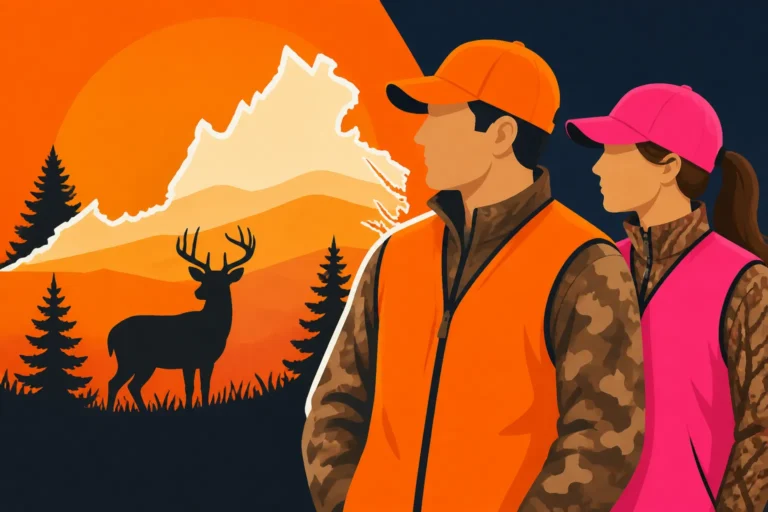
Virginia law requires hunters to wear "an outer garment that is solid blaze orange or blaze pink and visible from 360 degrees." This means a minimum of 100 square inches of blaze orange or blaze pink visible above the waist. This isn't just a vague suggestion; it's a specific measurement to ensure maximum visibility. Think about it: if you're sitting in a treestand, you want to be seen from all angles, not just from the front or back. A small patch on a hat might not cut it, especially if you're moving or if your body obscures part of it.
This 100 square inches needs to be solid blaze orange or blaze pink. This means no camo patterns with small orange accents. The goal is a stark, unmistakable block of color that stands out against natural backgrounds. While a blaze orange hat is almost universally recommended, it alone usually isn't enough to meet the 100-square-inch requirement. Most hunters will combine a hat with a vest or jacket to easily exceed this minimum. The key is visibility. You're trying to broadcast your presence to other hunters, especially in dense cover or during low-light conditions. Always err on the side of more visibility rather than less. Remember, you're not trying to hide from other hunters; you're actively trying to be seen by them. This is a crucial element of hunting safety, often covered in detail during Virginia Hunter Education Requirements courses.
The Case for Blaze Orange Jackets in Virginia
When the leaves are falling, the wind starts to bite, and the thought of an all-day sit makes you shiver, a blaze orange jacket starts to look mighty appealing. Many Virginia hunters, especially those of us who spend a good chunk of November and December in the woods, swear by them.
Advantages of a Jacket: Warmth, Storage, and Camo Integration
One of the most obvious benefits of a blaze orange jacket is the warmth it provides. As we move deeper into fall and winter, especially during the Virginia General Firearms Season, temperatures can plummet. A good insulated blaze orange jacket can be a game-changer, allowing you to stay on stand longer and remain comfortable. Imagine sitting in a treestand on a frosty morning in the George Washington National Forest Hunting – that extra layer of insulation makes a huge difference. You can layer a blaze orange jacket over your base layers and mid-layers, creating a comprehensive cold-weather system. For those long, cold sits, a jacket can be far more effective than just a vest over a non-insulated coat.
Beyond warmth, jackets often offer significantly more storage. Pockets, pockets, and more pockets! Think about all the little things you carry: calls, gloves, a rangefinder, a small snack, a compass, or even your hunting license. A jacket can often hold these essentials, keeping them accessible without needing a separate pack. This is incredibly handy when you're still-hunting or making a Deer Drives With Three or Four Hunters where you need quick access to gear.
Finally, a quality blaze orange jacket can integrate seamlessly with your existing camouflage. Many brands offer jackets that are primarily blaze orange but still have thoughtful camo patterns or textures that help break up your outline, while still meeting the legal visibility requirements. Some jackets are designed to be worn as your outermost layer, with ample space underneath for your preferred insulation and scent control layers. You can check out places like GoHunt for a wide selection of jackets that combine visibility with practical hunting features, ensuring you're both safe and prepared for the elements.
Disadvantages of a Jacket: Bulk, Heat, and Restricted Movement
While jackets offer many advantages, they're not without their drawbacks. One of the biggest complaints I hear, especially from more active hunters, is the bulk. A full blaze orange jacket, particularly an insulated one, can feel restrictive. If you're Still-Hunting Jefferson Forest Ridges or dragging a deer out of a hollow, that extra bulk can lead to fatigue faster. It can also make drawing a bow or shouldering a rifle feel less natural, potentially impacting your shot placement.
Then there's the issue of heat. Early season firearms hunting, especially in the Piedmont or Eastern regions of Virginia, can still be surprisingly warm. Wearing an insulated blaze orange jacket when the temperature creeps into the 50s or 60s can quickly lead to overheating and excessive sweating. Nothing makes a hunter more miserable than being too hot and sweaty, especially if those clothes then get cold and clammy when the temperature drops later in the day. Excessive sweating can also compromise scent control, which is a major factor for deer hunting.
Lastly, restricted movement is a genuine concern. Some jackets, particularly those not designed with hunting in mind, can limit your range of motion. This is particularly problematic if you need to quickly raise your rifle or twist in a treestand for a shot. The fabric might swish loudly, or the bulk might get caught on branches if you're moving through thick cover. When you’re trying to move silently through the woods during Scouting Virginia Public Land Before Season (even though orange isn't usually required then, this illustrates the movement issue), or stalk that last buck of the season, every little rustle counts. Always try on jackets with your full hunting layers underneath to ensure they allow for unhindered movement.
The Case for Blaze Orange Vests in Virginia
On the flip side, blaze orange vests are a favorite for many hunters, particularly those who prefer a more adaptable and less restrictive approach to their outer layers. They shine in situations where conditions might change rapidly or when maximum mobility is key.
Advantages of a Vest: Versatility, Airflow, and Layering Freedom
The biggest selling point for a blaze orange vest is its incredible versatility. You can throw a vest over almost any layer – a light shirt on a warm early fall day, a fleece jacket, or even a heavy insulated coat on a frigid December morning. This adaptability makes it a perfect choice for Virginia's unpredictable weather. One day in early November, you might be sweating at noon and freezing by sunset. A vest allows you to easily adjust your Clothing for a Virginia Late Season by simply adding or removing layers underneath without sacrificing your required visibility.
Airflow is another major advantage. Unlike a jacket that can trap heat, a vest allows for much better ventilation, especially around the arms and torso. This is fantastic for active hunting styles like still-hunting, Deer Drives With Three or Four Hunters, or if you're just hiking in to your stand on a mild day. You'll stay cooler and less sweaty, which can make a huge difference in comfort and scent control. This is especially true if you're on public land where you might have a long walk to get to your Treestand Setups in George Washington National Forest.
Because it's a separate outer layer, a vest offers ultimate layering freedom. You can select your base layers, mid-layers, and main insulating jacket based purely on warmth, moisture-wicking properties, and quietness, and then simply add the blaze orange vest on top. This means your primary hunting clothing can be fully optimized for stealth and comfort, and the vest takes care of the safety requirement. This flexibility is invaluable for hunters who want to fine-tune their system for specific conditions. GoHunt, for example, offers a range of lightweight, breathable vests designed for comfort and ease of layering, making it easy to find one that fits your setup.
Disadvantages of a Vest: Limited Warmth and Storage
Of course, vests have their limitations too. The most obvious one is limited warmth. A vest provides core warmth, which is great, but it leaves your arms completely exposed. While this can be a blessing for active hunting, it can be a significant drawback during really cold, stationary hunts. If you're trying a Cold-Weather Sitting Strategy in the Mountains and the wind is whipping, you'll feel that chill on your arms, no matter how good your base layers are. This means you'll need to rely heavily on your underlying jacket for arm insulation, which might not always be enough on the coldest days.
Secondly, vests typically offer much less storage compared to jackets. Most vests might have a couple of chest pockets or hand warmer pockets, but they often lack the abundance of specialized pockets found on jackets. This can mean you'll need to carry a separate pack or rely more heavily on pockets in your inner layers for essential gear. For hunters who like to keep everything on their person and easily accessible, this could be a minor inconvenience, forcing them to carry a Packs for a Jefferson Forest Day Hunt even for short jaunts. While some vests do try to incorporate more features, they generally can't compete with the carrying capacity of a full hunting jacket.
Making the Right Choice for Your Hunt
Deciding between a blaze orange jacket and a vest isn't a one-size-fits-all answer. It truly boils down to your personal hunting style, the conditions you expect, and what makes you feel most comfortable and effective in the field.
Considering Weather and Terrain
The first thing to consider is the weather you anticipate and the terrain you'll be hunting. Are you planning long, stationary sits in a treestand during the bitter cold of late season? A well-insulated blaze orange jacket might be your best friend. The added warmth and protection from wind can make those hours much more bearable, helping you stay focused on the hunt rather than shivering. If you’re Hunting a Funnel Between Two Hollows in December, a jacket will provide much-needed warmth.
On the other hand, if you're an active hunter who covers a lot of ground, still-hunting through thick timber, or if you plan to hunt during early season firearms hunts when temperatures can still be quite mild, a vest might be the superior choice. Its breathability and freedom of movement will prevent overheating and allow you to navigate challenging terrain with greater ease. For those days where the temperature fluctuates wildly, a vest allows you to shed or add layers underneath without ever compromising your required visibility.
Personal Preference and Hunting Style
Your personal hunting style and preference play an enormous role. Some hunters simply hate the feeling of a bulky jacket and prioritize unrestricted movement above all else. They might opt for a vest even on colder days, compensating with heavier base and mid-layers. Others prefer the all-in-one solution a jacket provides, appreciating the convenience of built-in warmth and storage.
Think about how you hunt. Are you primarily a stand hunter? A jacket might make sense. Do you stalk or still-hunt a lot? A vest might offer better mobility. Do you often participate in group hunts like deer drives? A lightweight vest over activewear could be ideal. There’s no right or wrong answer, only what works best for you. What matters most is that you're comfortable enough to remain focused and effective, and that you always meet the legal blaze orange requirements. Many hunters find themselves owning both a jacket and a vest, choosing whichever is most appropriate for the specific hunt they're embarking on that day.
Hybrid Solutions and Other Options
The market has also evolved, offering some excellent hybrid solutions that try to combine the best of both worlds. You can find jackets that are primarily camouflage but feature large, integrated blaze orange panels that meet the 360-degree visibility requirement. These offer the warmth and storage of a jacket with a more broken-up pattern. Conversely, some vests are designed with thicker, more durable materials, or even feature a bit of light insulation, providing a step up in warmth from a basic mesh vest while still maintaining good flexibility.
Don't forget the power of accessories. A blaze orange hat is almost always a good idea, legally required or not. You can also find blaze orange gaiters or armbands that, when combined, might help meet the square inch requirement if you're layering a regular hunting coat underneath. Ultimately, the goal is compliance and safety. Take a look at the offerings from reputable brands. GoHunt often features innovative gear that blends practicality with legal requirements, from full jackets to minimalist vests, ensuring you can find something that suits your specific Virginia hunting needs.
Here’s a quick comparison to help you weigh your options:
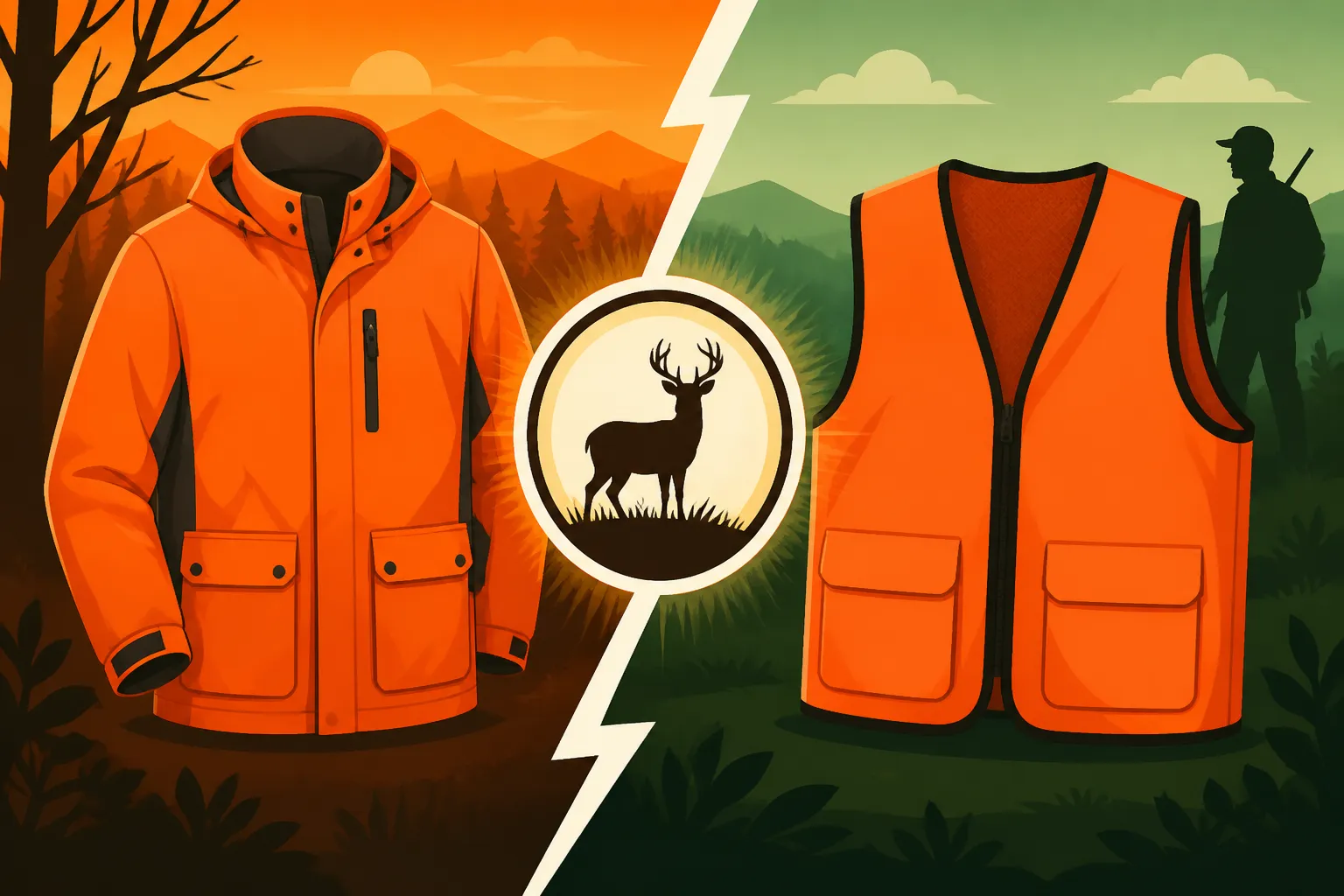
| Feature | Blaze Orange Jacket | Blaze Orange Vest |
|---|---|---|
| Warmth | Excellent, often insulated | Limited, relies on layers underneath |
| Storage | Ample pockets, often specialized | Minimal pockets, usually general purpose |
| Versatility | Less versatile, temperature-dependent | Highly versatile for layering |
| Airflow | Can be limited, potential for overheating | Excellent, promotes ventilation |
| Mobility | Can be bulky, may restrict movement | Excellent, allows full range of motion |
| Noise | Some materials can be noisy when moving | Generally quieter, less fabric to rustle |
| Weight | Heavier, especially insulated models | Lighter, minimalist design |
| Best For | Cold, stationary hunts; harsh weather | Mild to moderate weather; active hunting; layering |
Ultimately, the best choice ensures you are visible, safe, and comfortable enough to enjoy your time afield. Consider owning both, if your budget allows, so you can adapt to whatever the Virginia woods throw at you.
Disclaimer
This article is for general informational purposes only and does not constitute professional advice. Laws, prices and regulations vary by location and change over time. Consult a qualified professional for guidance on your specific situation.