Hunting the Morning-Only Early Turkey Period
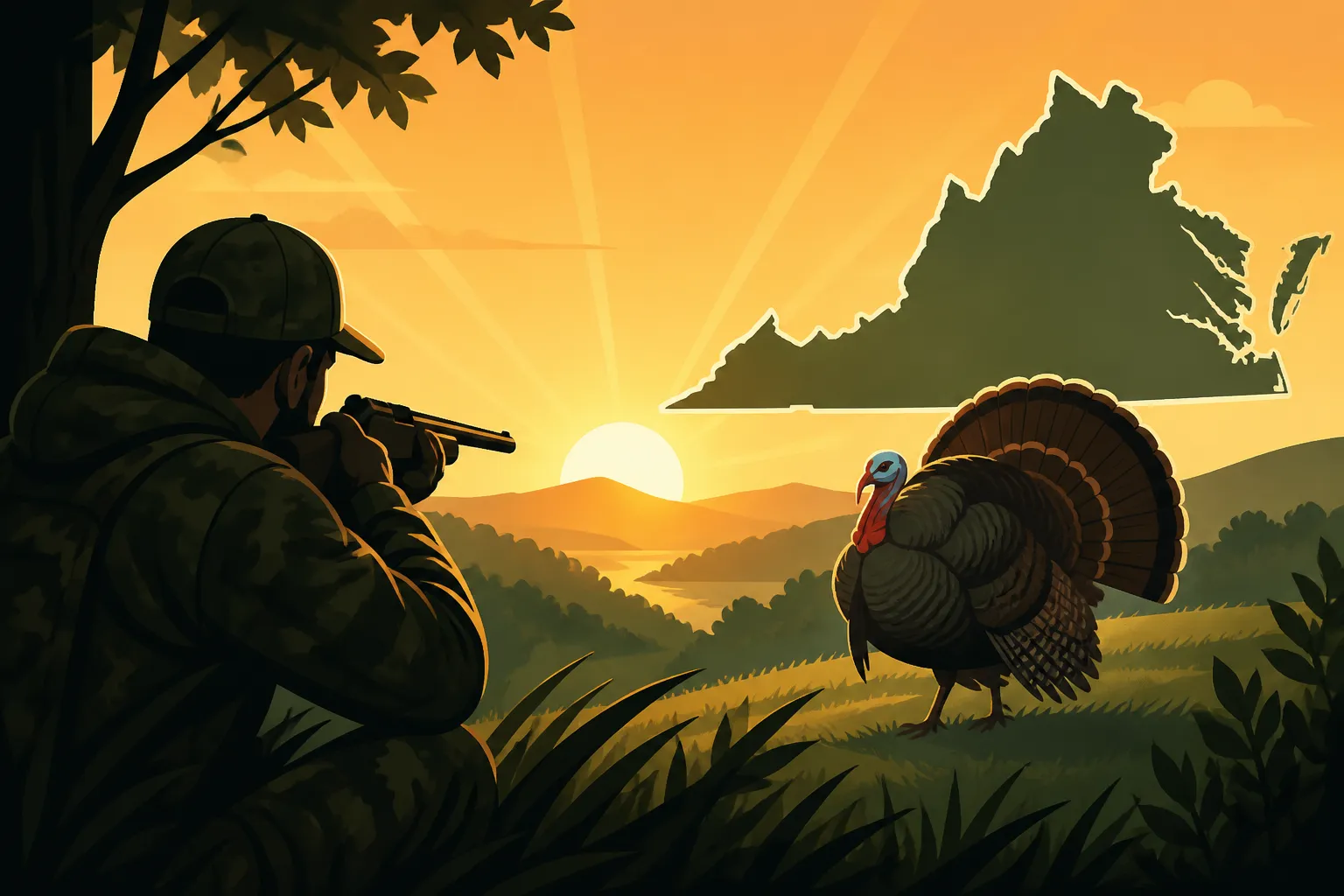
The Virginia spring turkey season offers some of the most thrilling moments in the woods, but that early "morning-only" period can be a real challenge for even the most seasoned hunters. You've been up since before dawn, hiked into your spot in the dark, and now you're waiting, hoping a gobbler sounds off. The frustration often hits when birds just won't commit or they fly down in the wrong direction, leaving you scratching your head as the clock ticks towards noon. This guide aims to arm you with the specific strategies and insights needed to successfully hunt those wary Virginia gobblers during those precious, limited morning hours.
Understanding the Morning-Only Rules
Before you even think about calling in a big tom, you absolutely have to know the rules specific to Virginia's spring turkey season, especially during this early period. Misunderstanding them can lead to a ruined hunt, or worse, legal trouble. It's not just about when you can shoot, but how you can behave in the woods, which makes all the difference for success and staying on the right side of the law.
Virginia Early Turkey Period Hours
During the initial phase of Virginia's spring turkey season, hunting is strictly limited to mornings. Typically, this means you can hunt from one-half hour before sunrise until noon each day. This short window compresses all your efforts into a few intense hours, making every minute count. It's a sprint, not a marathon, and you need to be at your peak performance and preparedness from the first gobble. You can't just linger in the woods all day hoping a bird will eventually slip up; your opportunities are finite and demand immediate, decisive action. This limited timeframe often leads to hunters feeling rushed or panicked if they don't get a response quickly, adding an extra layer of psychological pressure that needs to be managed effectively.
This restriction is a critical factor influencing everything from your scouting efforts to your calling strategies and even where you decide to set up. Unlike the later, all-day season, you don't have the luxury of waiting out a bird that's hung up or trying to reposition for an afternoon hunt. If a gobbler flies down the wrong way or moves off with hens, your chances are severely limited for that day. Knowing these specific hours, which are detailed in Virginia Early and Late Turkey Period Rules, helps you plan your approach, understand how much time you truly have to work a bird, and when it’s time to pack up and try again tomorrow. The clock is truly your adversary and your deadline in equal measure during this period.
Legal Equipment and Bag Limits
Virginia has specific regulations regarding the firearms and archery equipment you can use for turkey hunting, along with strict bag limits to ensure sustainable populations. For spring gobblers, shotguns no larger than 10-gauge and no smaller than 20-gauge, using shot sizes no larger than #2 and no smaller than #7.5, are common. You can also use archery equipment, including crossbows, within the defined rules for the spring season. Always verify the most current regulations directly with the Virginia Department of Wildlife Resources (DWR) before heading afield, as rules can change annually. The statewide bag limit is generally one bearded turkey per day, with a total of three bearded turkeys for the entire spring season. However, always check Virginia Spring Turkey Season Rules for any county-specific differences or temporary restrictions that might apply to your hunting area.
Understanding these equipment and bag limits is crucial for ethical and legal hunting. Carrying an illegal firearm or exceeding your bag limit not only puts you at risk of fines and penalties but also undermines conservation efforts. Make sure your shotgun is patterned correctly with your chosen turkey load – you want a dense, consistent pattern at 30-40 yards. For archery hunters, ensure your bow is tuned and you're confident in your shooting distance; turkeys present a small, vital target. It’s not just about having the gear, but making sure it's legal gear and that you know how to use it proficiently within the confines of the law and ethical hunting practices.
Scouting for Morning Gobblers
Successful early-morning turkey hunting isn't about luck; it's about preparation. You can't just wander into the woods and expect a gobbler to appear magically. Scouting, and doing it thoroughly, is your biggest advantage during the morning-only period. Knowing where birds are roosting and where they want to go first thing in the morning is half the battle. This critical step reduces guesswork and increases your chances of being in the right place at the right time when those limited hunting hours begin.
Locating Roosts and Fly-Down Areas
Finding where turkeys roost is paramount for early-season success. Gobblers will often use the same roost trees or general roosting areas night after night, especially if they feel safe and there are plenty of sturdy limbs. Before the season, or during the early days, spend your evenings listening from various access points on public and private land. Drive or walk quietly, stopping every few hundred yards to listen for "shock gobbling" just before dark or first thing in the morning. Use locator calls like an owl hooter or crow call to provoke a gobble that can help you pinpoint their exact location. If you can get close enough without disturbing them, try to identify the specific trees or clump of trees they are using. Using a powerful mapping tool like GoHunt can help you mark potential roosting ridges, identify water sources, and plan access routes, which is vital when you’re trying to be stealthy in the dark.
Once you've identified a roost, the next step is figuring out their probable fly-down area. Turkeys rarely fly directly off the roost into open danger. They'll often fly down to a ridge point, a slightly lower bench, or a small clearing where they can survey their surroundings before hitting the ground and gathering up. Look for fresh droppings, wing feathers, and tracks in these areas. You want to set up in a spot that intercepts them once they hit the ground, but before they hook up with hens or head off in a different direction. Knowing these fly-down zones, as discussed in Roost Hunting Virginia Gobblers, allows you to position yourself for a shot when they're still disoriented from the roost and potentially more vulnerable to a convincing call.
Identifying Morning Travel Routes and Food Sources
After flying down, gobblers often have a routine they follow. This might involve meeting up with hens, heading to a strutting zone, or moving towards a specific food source. During the early season, natural food sources like acorns, tender new green shoots, and insects emerging from the warming ground are critical. If you find an area with abundant mast from the previous fall, or fields where bugs are active, these are likely spots birds will head to first thing. Look for scratching in leaf litter, fresh tracks along logging roads, or dusting bowls in dry dirt patches—all signs of recent turkey activity.
Understanding these travel routes means looking beyond just the roost. Use aerial photos, which GoHunt integrates beautifully, to identify funnels, saddles, and terrain features that naturally concentrate turkey movement. A small creek bottom, a logging road, or a narrow ridge connecting two larger feeding areas can be prime travel corridors. If you can set up along one of these routes, you increase your chances of intercepting a bird that's on a mission. This early period often sees gobblers still searching for hens, making them slightly more susceptible to aggressive calling if you're in their path. Scouting for these travel patterns, as outlined in Scouting Virginia Public Land Before Season, means you're not just reacting to a gobble, but proactively anticipating where the bird wants to go.
Calling Strategies for Early Morning Success
The sound of a gobbler hammering from the roost is one of the most exciting things in nature, and how you respond with your calls can make or break your hunt during the morning-only period. It's not just about making noise; it's about communicating effectively and building anticipation. The limited timeframe means you need to be precise and convincing with every note.
Roost Calling and Fly-Down Tactics
When a gobbler is still on the roost, he's often feeling pretty confident and looking for hens to join him. This is your first major opportunity to engage. Start with soft, sleepy tree yelps, clucks, and purrs, mimicking a hen just waking up on the roost. You want to sound like you're nearby but not directly under him, and not overly eager. The goal is to get him to respond, but more importantly, to want to fly down to you. As the light breaks and he gets closer to flying down, you can increase the volume and urgency a little, maybe adding a fly-down cackle followed by wing beats (which you can simulate with your hat or hands). This can be a huge motivator to get him on the ground.
Once the gobbler flies down, the strategy shifts. If he flies down your way, great! Keep those soft, seductive calls going to pull him in. If he flies down with hens, or in the opposite direction, that's where the real challenge begins. Many hunters pack up too quickly. Instead, try to be patient. If he's with hens, you might need to try and "break up" the flock by calling aggressively to the hens, making them jealous, or trying to pull the gobbler away with more insistent yelps. This delicate dance of roost calling, which is effectively covered in Calling a Virginia Gobbler Off the Roost, requires keen listening and adaptability, as every bird and every morning is a bit different.
Mid-Morning Tactics for Hung-Up Birds
The clock is ticking, the sun is higher, and sometimes those early morning gobblers just won't commit. They might gobble their heads off, but they hang up 80-100 yards out, refusing to come closer. This is a common frustration during the morning-only period. When this happens, often it's because they're with real hens, or they've been pressured and are wary. Your aggressive, close-in calling might actually be working against you. Instead, consider shifting to softer, more subtle calling. Try light clucks, purrs, and soft yelps, mimicking a hen that's just contentedly feeding. The idea is to make him curious enough to come investigate, rather than trying to pull him away from hens.
Another effective mid-morning tactic, especially if you're on public land, is to try a subtle "run-and-gun" approach, as detailed in Run-and-Gun Turkey Tactics on Public Land. If a bird is truly hung up and won't budge, back out quietly, circle wide, and try to get ahead of him or reposition for a different angle. Sometimes, moving 100-200 yards and then calling again from a new location can trick a bird into thinking a different hen has moved into the area. Remember, during the morning-only period, you can't afford to waste too much time on a bird that's not cooperating. If a gobbler is completely shut down or committed to his hens, it's often better to quietly move on and try to find another bird that's more responsive before noon.
Setup and Decoy Tactics for Limited Time
Your physical setup and how you deploy decoys are just as crucial as your calling during the early morning period. With only a few hours to hunt, you need to maximize your chances by positioning yourself effectively and presenting a convincing visual to draw in a gobbler quickly. A poor setup can ruin a perfect calling sequence, sending a wary bird running before you even get a shot.
Ideal Setups Near Roosts and Travel Routes
The key to an ideal early-morning setup is being in place, hidden, and ready before the birds wake up. This means hiking in the dark, using a headlamp with a red or green light setting to preserve your night vision. Position yourself against a wide tree that breaks up your silhouette, or use natural brush to create a blind. Your back should be to the most likely approach route of a gobbler, allowing you to see his approach without significant movement. Ideally, you want to be within 100-150 yards of the roost tree, but not so close you risk bumping them or being spotted as they fly down. Consider terrain features like saddles, ridge points, or small clearings where birds might pause after flying down.
Make sure you have a clear shooting lane for where you expect the bird to appear. Even if you're calling a bird, they often stick to established travel routes or areas where they feel safe. If you're on public land, you're likely to be Setting Up Against a Big Oak or other large cover, utilizing existing features to your advantage. Ensure your gear is silent, your gun is pointed in a safe direction, and you can comfortably shoulder your firearm without excess movement. During this morning-only window, birds are often less pressured than later in the season, but they are still highly alert right off the roost. A solid, invisible setup is paramount for success.
Decoy Spreads for Early Birds
Decoys can be incredibly effective during the early season, especially when gobblers are still eager to find hens. The visual confirmation that there's a hen (or several) in the area can often be the final nudge a hung-up gobbler needs to commit. For the morning-only period, a simple but effective spread often works best. A single hen decoy or a pair (one feeder, one upright) placed 20-25 yards from your position can be very convincing. Position them facing you slightly, so an approaching gobbler will naturally present a broadside shot as he approaches the decoy. If you know there are multiple gobblers or if you want to provoke a fight, a jake or even a full strut tom decoy can be added, but be aware that jake/strutter decoys can also deter subordinate gobblers.
When placing decoys, consider the line of sight from the roost. You want them visible once the bird flies down, but not so exposed that they look unnatural. On windy days, avoid flimsy decoys that spin wildly, as this can look suspicious. Decoys can also serve to divert the bird's attention from your slight movements, allowing you to raise your gun more smoothly. However, be mindful of hunting pressure; if birds are heavily pressured, as discussed in Decoy Placement for Pressured Virginia Birds, sometimes no decoy or a very subtle spread is better. Always be aware of your surroundings, especially on public land, to ensure your decoys are not mistaken for real birds by other hunters.
Dealing with Hunting Pressure
Virginia's spring turkey season is popular, and even during the morning-only period, you're likely to encounter other hunters, especially on accessible public lands. This pressure can make already wary gobblers even more cautious, leading to birds that gobble but won't come in, or that simply go silent. Learning to adapt to and mitigate hunting pressure is a critical skill for consistent success.
Avoiding Crowds and Finding Unpressured Birds
The easiest way to deal with hunting pressure is to avoid it altogether, but that's often easier said than done. On public lands, this usually means walking farther, hiking into steeper, rougher terrain that other hunters might shy away from. While using a mapping application like GoHunt, look for areas with limited access points, deep hollows, or remote ridge systems. These "hard-to-reach" spots often hold less pressured birds. Consider hunting during weekdays if your schedule allows, as weekend pressure can be intense, especially on opening days. Arrive at your spot extra early to ensure you're the first one in, or consider finding new access points that aren't obvious from main roads.
Another strategy is to identify areas that might be less desirable to hunters who are looking for easy access or flat terrain. Sometimes, steep, nasty clear-cuts or thick laurel patches, while difficult to navigate, can be sanctuaries for turkeys because hunters don't want to push through them. Don't be afraid to put in the miles; a gobbler that hasn't heard three different calls before 8 AM is much more likely to respond to yours. Remember, turkeys aren't confined to easy walking areas, and neither should you be. Finding areas that others walk past, or getting there before them, can make all the difference, as hinted at in Finding Ground Others Walk Past.
Adapting to Educated and Shut-Down Birds
Even if you find relatively unpressured ground, turkeys, especially those that have been hunted for a few weeks, can become "educated." They learn to associate certain calls with danger and will become very quiet or "gobble-shy." When faced with a gobbler that's shut down or just not responding, trying to overpower him with aggressive calling usually won't work. Instead, try using softer, more subtle calls. Think light clucks, purrs, and soft yelps, mimicking a lone hen just going about her business. Sometimes, silence is the best call. Set up in a good location, call sparingly, and just listen. Let the bird's natural curiosity bring him in.
Another tactic for educated birds is patience and strategic movement. If a bird gobbles from a distance but won't budge, rather than sitting there for hours, try a long, wide circle to reposition yourself. Get ahead of where you think he's moving, or try to cut off his likely travel route to a strutting zone or feeding area. This means scouting during the season to learn their daily patterns. Sometimes, a "silent treatment" followed by a single, soft yelp 30 minutes later can be more effective than continuous loud calling. The limited morning window means you have to make these decisions quickly and confidently, as time is a luxury you don't possess.
Virginia Early Morning Turkey Hunting Tactics Timeline
| Time Segment | Typical Turkey Behavior | Recommended Calling Strategy | Decoy Strategy (if any) | General Action |
|---|---|---|---|---|
| 0.5 hr before sunrise | Still on roost, waking up, occasional sleepy gobbles | Very soft tree yelps, clucks, purrs; owl hooter/crow call to locate. | None (until fly-down) | Be in position, completely silent and hidden. Load gun, get ready. |
| Sunrise – 15 mins after | Gobblers sounding off frequently, looking for hens, preparing to fly down. | Increase call volume slightly, more insistent tree yelps, fly-down cackle. | None (until fly-down) | Focus intently on listening. Be ready for fly-down cackle/wingbeats. |
| 15 mins after sunrise – 30 mins after | Gobblers flying down. Hens meeting up. | If bird flies your way: soft yelps/clucks. If with hens: aggressive hen calls. | One or two hen decoys visible from fly-down location. | Maintain absolute stillness. Watch for birds on the ground. |
| 30 mins after – 9:00 AM | Birds on the ground, potentially strutting, moving towards food/strut zones. | Yelp sequences, cutting, clucks. If birds hang up, try softer calls. | Hen/jake spread in open areas, or subtle hen. | Work birds, be patient. If unsuccessful, consider slow repositioning. |
| 9:00 AM – 11:00 AM | Birds often quieter, might be with hens, moving to secondary feeding/strut areas. | More subtle, spaced-out calls (purrs, soft yelps). Patience. | Subtle hen decoy, or no decoy if birds are wary. | Patiently work birds, or quietly move to new locations/travel routes. |
| 11:00 AM – Noon | Activity might pick up again briefly, or birds become completely silent. | Soft clucks and purrs, or complete silence. Try to elicit a shock gobble. | Consider packing up decoys if moving. | Last chance to intercept a lone gobbler. Be vigilant for quiet approaches. |
Post-Hunt Considerations for Early Season
The hunt isn't truly over until your bird is properly tagged, cared for, and you've safely exited the woods. During the morning-only period, these post-hunt steps are just as important as the hunt itself, especially considering Virginia's regulations and the need for ethical game care.
Reporting Requirements and Meat Care
Once you've harvested a gobbler during Virginia's early morning turkey season, the very next step is to tag it immediately with your harvest tag. This is a non-negotiable legal requirement. After tagging, you must report your harvest to the Virginia DWR. This can typically be done through their Go Outdoors Virginia mobile app, online portal, or by phone. Make sure you report all the necessary information, including the date, county of harvest, and whether it was a male or female bearded turkey. These Virginia Turkey Checking Requirements are crucial for wildlife management and population monitoring, helping DWR set future seasons and limits.
Equally important, especially as spring mornings can sometimes get warm quickly, is proper meat care. Field dress your turkey as soon as possible to allow the carcass to cool down. Remove the entrails, and if you're far from your vehicle, consider skinning the bird to further aid cooling. Carry game bags to protect the meat from dirt and insects during the pack-out. If you have a long hike back, or if the temperatures are rising, consider taking ice packs in your vest or pack. The goal is to get that meat cooled down quickly to preserve its quality. A delicious wild turkey dinner is the ultimate reward for your early morning efforts, and proper care ensures it tastes its best.
Ethical Considerations and Future Planning
Beyond the legal requirements, there are ethical considerations that every responsible hunter embraces. Always ensure you have a clean, ethical shot, aiming for the head or neck whenever possible to dispatch the bird quickly and humanely. Never take a shot at a bird that is too far away, or through thick brush where you can't clearly identify your target. After the shot, give the bird time before approaching, especially if it's flapping or running, to avoid losing it. Track diligently, even if you think it's a clean kill. Our responsibility as hunters extends beyond the shot to ensuring the animal is recovered and not wasted.
Looking ahead, think about what you learned from your morning hunt. Did the birds roost where you expected? How did they respond to your calls? Where did they go after fly-down? Every hunt, successful or not, offers valuable lessons. If you were unsuccessful, consider what you could do differently tomorrow. Perhaps you need to move further, change your calling sequence, or adjust your decoy setup. Documenting these observations, perhaps with notes on the GoHunt app, can help you develop better strategies for the remainder of the season or for next year. Virginia's wild turkeys are a magnificent resource, and our ethical pursuit and careful planning help ensure they thrive for generations to come.
Disclaimer
Hunting is an inherently dangerous activity. This guide provides general information for educational purposes only and is not a substitute for professional instruction, adherence to all local and state laws, or sound judgment in the field. Always prioritize safety, understand and follow all Virginia Department of Wildlife Resources (DWR) regulations, and obtain appropriate licenses and permits before hunting. The author and publisher assume no responsibility for accidents, injuries, or legal infractions incurred as a result of following the advice in this guide.