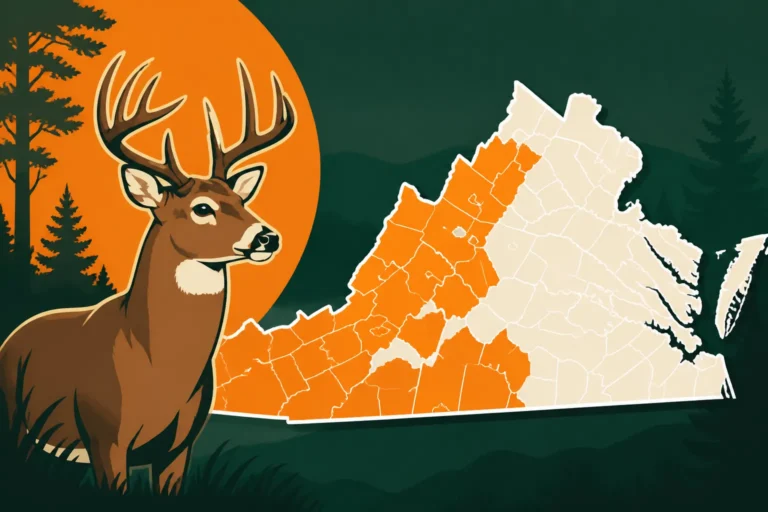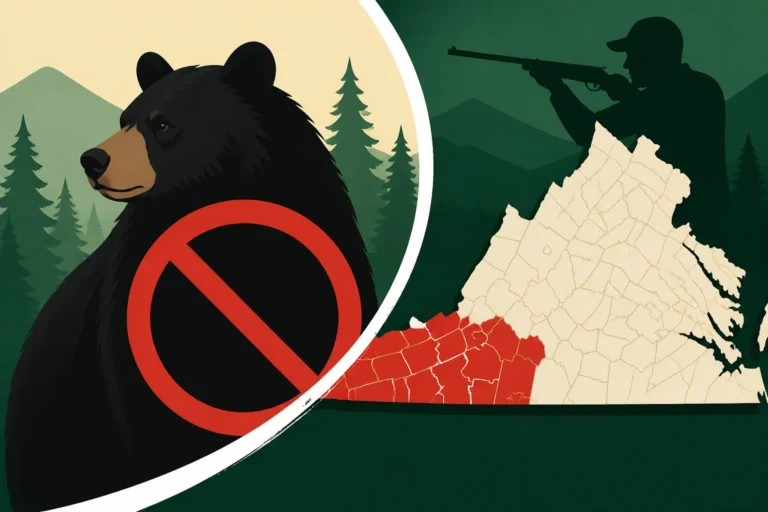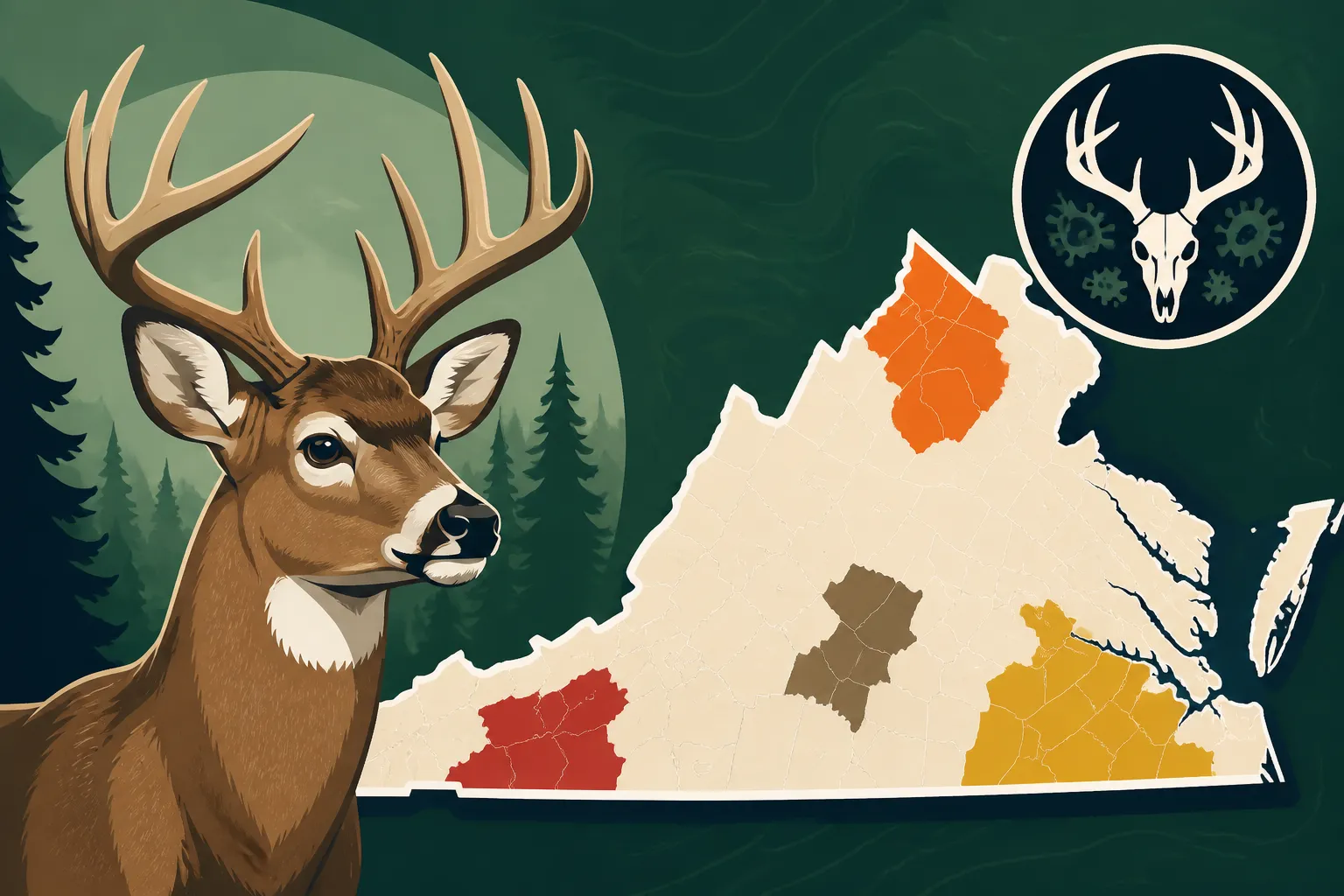
Virginia’s Four Chronic Wasting Disease Areas
Dealing with Chronic Wasting Disease (CWD) is one of the most pressing and frankly, heartbreaking, challenges facing deer hunters and wildlife managers in Virginia today. It's tough to navigate the ever-evolving regulations, understand the science, and cope with the uncertainty this disease brings to our beloved whitetail population. This comprehensive guide aims to demystify Virginia's four CWD Management Areas (DMAs), explaining why they exist, what they mean for your hunting plans, and how we, as a community, can actively participate in mitigating its spread.
What is Chronic Wasting Disease and Why Does it Matter?
For many of us who grew up in Virginia hunting deer, the idea of a disease slowly eating away at the brain of a majestic whitetail, leading to its eventual death, is a truly disturbing thought. Chronic Wasting Disease isn't just a concern for biologists; it's a very real threat to the future of our deer herds and, by extension, our hunting heritage. It’s natural to feel a mix of frustration and anxiety when discussing CWD, especially with the constant changes in regulations and the sheer weight of what it could mean for generations to come.
The Nature of the Disease
CWD is a neurological disease that affects cervids, which include deer, elk, and moose. It belongs to a family of diseases called transmissible spongiform encephalopathies (TSEs), similar to "mad cow disease" in cattle. The culprit isn't a bacteria or a virus, but rather abnormal proteins called prions. These prions accumulate in the brain and other tissues, causing severe damage that leads to characteristic symptoms and, inevitably, death. There is no vaccine or cure, making management incredibly challenging. Understanding the microscopic enemy we’re up against helps explain why the Virginia Department of Wildlife Resources (DWR) has had to implement such stringent, and sometimes inconvenient, measures.
Imagine a tiny, misfolded protein that, once introduced, starts a chain reaction, corrupting normal proteins in the animal's body. These corrupted proteins then build up, particularly in the brain, forming tiny holes that make the tissue resemble a sponge under a microscope. This gradual destruction leads to the debilitating symptoms we associate with CWD. The scariest part? These prions are incredibly hardy; they can persist in the environment – in soil, plants, and even on hunting equipment – for years, making eradication extremely difficult once established in an area. This environmental persistence is a major reason why preventing its spread is paramount.
How CWD Spreads
The primary way CWD spreads is through direct animal-to-animal contact, often via saliva, urine, and feces. Deer are highly social animals, so interactions at communal feeding sites, mineral licks, or even just during the rut can easily facilitate transmission. But it's not just direct contact; the environment plays a huge role. Infected animals shed these prions into the soil and vegetation, which can then be picked up by other deer. This means that an area where infected deer have lived can remain a source of infection for a long time, even after those specific deer are gone.
Think about a deer licking a branch, then another deer licking that same branch later. Or a buck rubbing its antlers on a tree, leaving behind not just scent but potentially infectious prions. This environmental contamination is why feeding deer is often restricted in CWD zones, as it concentrates animals and increases the chances of transmission. It's also why DWR is so concerned about hunters moving potentially infected carcasses, even seemingly healthy ones, from one area to another. It only takes one misstep to unknowingly introduce the disease to a pristine herd. The stakes are incredibly high, and it's a burden we all share in protecting our wildlife.
Symptoms and Impact on Deer
The symptoms of CWD are insidious because they develop slowly over months or even years. Initially, an infected deer might appear completely healthy, which is a major part of the problem – you can't tell just by looking. As the disease progresses, visible signs emerge. These often include severe weight loss (hence "wasting" disease), lethargy, staggering, tremors, excessive salivation, difficulty swallowing, and an insatiable thirst. The deer might stand with its head lowered, exhibit a vacant stare, or become unusually unafraid of humans.
It's a truly heartbreaking sight to witness. A deer suffering from advanced CWD is essentially starving to death, losing its coordination and awareness, making it vulnerable to predators, accidents, and ultimately, unable to survive. The disease is always fatal. While there's currently no scientific evidence that CWD can be transmitted to humans, experts advise against consuming meat from CWD-positive animals. This is why testing harvested deer in affected areas, like those described in the DWR's guidelines for Virginia CWD Testing for Hunters, is such a critical step for hunter safety and disease monitoring. The long-term impact on deer populations in heavily infected areas can be devastating, potentially leading to declining herd health and reduced deer numbers, which of course, affects hunting opportunities and the overall ecosystem.
Virginia's Proactive Response to CWD
When CWD was first detected in Virginia in 2009, it was a gut punch to the hunting community. We knew what it meant for other states, and no one wanted to see it here. But the Virginia Department of Wildlife Resources (DWR) didn't just stand by; they immediately launched a multi-faceted and ever-evolving strategy to monitor, contain, and manage the disease. Their approach isn't always easy for us hunters to deal with, but it's rooted in the best available science and a deep commitment to protecting our deer.
DWR's Monitoring and Surveillance
The DWR's CWD management really starts with intense monitoring and surveillance. They don't just wait for sick deer to be reported; they actively sample deer, especially in known CWD areas and surrounding counties. This includes targeted sampling during hunting seasons, road-kill collection, and even taking samples from deer displaying neurological symptoms reported by the public. This data is absolutely vital for understanding where the disease is, how prevalent it is, and if it's spreading.
Think of it like a meticulous detective investigating a complex case. DWR staff are out there, sometimes in terrible weather, collecting samples, sending them to labs for testing, and painstakingly mapping every positive result. This rigorous approach allows them to identify new areas where CWD might be emerging and to track the disease's progression within established zones. Without this constant vigilance, we’d be flying blind, and the disease could spread unchecked before anyone even realized it. Many hunters contribute to this effort, often without realizing it, by providing samples at check stations or by reporting suspicious deer.
Regulatory Framework and Goals
Based on their surveillance data, DWR establishes a regulatory framework designed to slow or stop the spread of CWD. This is where the CWD Management Areas, or DMAs, come into play. The overarching goals are clear: reduce the prevalence of CWD within affected areas, prevent its spread to new areas, and maintain healthy deer populations for current and future generations of Virginians. These goals, while simple to state, require complex and often inconvenient regulations for hunters.
These regulations often include things like mandatory CWD testing of harvested deer in certain areas, restrictions on how carcasses and certain deer parts can be moved out of a DMA, and sometimes even bans on feeding deer to prevent congregation. For example, Virginia's DWR has implemented a Virginia's Twenty-Five-Mile Feeding Ban in and around CWD zones, recognizing that concentrating deer around bait or supplemental feed increases the risk of transmission. The regulations are dynamic, meaning they can change based on new scientific understanding or new CWD detections. This can be frustrating for hunters who just want clear, consistent rules, but it’s a necessary flexibility in battling an adaptable disease.
Partnering with Hunters
The DWR understands that they can't fight CWD alone. We, the hunters, are their most important partners on the ground. From reporting sick deer to adhering to carcass movement restrictions and participating in mandatory testing, our actions directly impact the success of CWD management efforts. It's a team effort, even when it feels like we're just being handed more rules.
The DWR actively educates hunters through their website, social media, and local outreach programs, but it’s up to us to stay informed. They rely on hunters to voluntarily submit samples for testing and to be extra vigilant about observing deer for any signs of illness. When you see a deer acting strangely, remember that your report could be the key to early detection in a new area. Every hunter who checks a deer, who properly disposes of a carcass, or who even just cleans their boots before moving to a new hunting area is contributing to the collective effort to keep CWD at bay. It's a testament to the Virginia hunting community that despite the frustrations, most hunters understand the gravity of the situation and are willing to do their part.
Understanding Virginia's CWD Management Areas (DMAs)
The concept of a CWD Management Area, or DMA, can feel like an extra layer of complexity to an already complex sport. For years, we worried about property lines and county lines; now we have invisible lines on a map that dictate how we handle our hard-earned harvest. It's a challenge, to say the least, but these areas are crucial to the DWR's strategy.
Defining DMAs
A CWD Management Area (DMA) is essentially a designated geographic region where CWD has been detected or is considered to be at high risk for spread. The DWR establishes these zones to concentrate management efforts, implement specific regulations, and prevent the movement of potentially infected carcasses or deer parts out of the area. Think of it as a containment strategy, much like how you might cordon off an area in your home to stop a problem from spreading.
These aren't arbitrary lines on a map. Each DMA is carefully defined based on CWD surveillance data, deer movement patterns, and geographical features. The regulations within a DMA are specifically designed to address the unique challenges of that particular area, aiming to reduce the density of infected animals and minimize the chances of prion transmission. For instance, in areas with high CWD prevalence, you might see more aggressive antlerless harvest goals to reduce herd density. It’s an evolving landscape, and what applies in one DMA might not apply in another, which is certainly a headache for hunters who traverse multiple counties.
Purpose of Zone Restrictions
The restrictions within DMAs, like those detailed for Virginia Carcass Movement Restrictions, are designed with a singular purpose: to prevent the physical movement of CWD prions. Since prions can be found in various parts of an infected animal (especially the brain, spinal cord, lymph nodes, and spleen), limiting the movement of these high-risk materials is paramount. If you harvest a deer in a DMA and then transport its carcass or head across state or county lines into a CWD-free area, you could inadvertently introduce the disease to a new, vulnerable population.
This means that processing your deer within the DMA, leaving high-risk parts at the harvest site, or only transporting deboned meat, clean hides, and cleaned skulls are often mandatory. It’s a change of habit, for sure, and can be inconvenient, especially if your butcher or taxidermist is outside the zone. But these restrictions are a direct response to the scientific understanding of how CWD spreads and persists. It's a collective responsibility, and failing to adhere to these rules jeopardizes our wider deer population. Many hunters use tools like the DWR app or mapping software like GoHunt to visualize these zones and ensure they're compliant, which is highly recommended.
Evolution of Virginia's DMA Boundaries
The boundaries of Virginia’s DMAs are not static; they evolve as DWR gathers more data, detects new cases, or if the disease appears to be contained or expanding. This dynamic nature can be frustrating for hunters who want to plan seasons well in advance, but it reflects the DWR's responsiveness to the disease. A county might be added to a DMA, or restrictions might be adjusted based on the latest scientific findings or local prevalence rates.
For instance, the DWR might expand a DMA to include adjacent counties if CWD is detected near the existing boundary, or if deer movement studies suggest a high probability of spread into those areas. We saw this with Why Rockingham County Joined DMA2 in 2025, a decision driven by new detections and the need for broader containment. This constant reevaluation ensures that the DMAs remain relevant and effective, even if it means hunters need to check the latest regulations every season. It’s a testament to the DWR's commitment that they don't just set a boundary and forget it; they continually adapt their strategy to best protect our deer.
DMA1: The Shenandoah Valley Frontline
DMA1 is truly the frontline in Virginia's battle against CWD. It’s where the disease was first detected in the state, and unfortunately, it remains the area with the highest prevalence. This creates significant challenges for hunters and wildlife managers alike, as the disease is deeply entrenched in certain counties.
Geographic Scope and Key Counties
DMA1 primarily encompasses counties in the Shenandoah Valley, stretching from Frederick County down through the heart of the valley. Historically, Frederick County was the first to experience CWD detection in Virginia, and over the years, the disease has become most prevalent there. Other key counties within DMA1 include Clarke, Shenandoah, Warren, and parts of Augusta County. If you hunt in this region, you are in the thick of Virginia's CWD challenge.
This area is renowned for its beautiful landscapes and abundant deer populations, making the presence of CWD particularly disheartening. Hunters in counties like Frederick and Clarke have seen firsthand the impact of CWD and the necessary, albeit difficult, changes to hunting regulations. The DWR continues to monitor this area intensely, knowing that how we manage DMA1 will significantly influence the trajectory of CWD across the rest of the state. For a detailed list, check out Virginia's Eighteen CWD Counties.
Specific Hunting Regulations in DMA1
Given the higher prevalence of CWD in DMA1, the regulations here are typically the most stringent in the state. Hunters in this zone must be acutely aware of specific requirements, particularly regarding carcass movement and mandatory testing. The DWR's guidelines for DMA1 Shenandoah Valley Rules are essential reading for anyone planning to hunt these counties.
Often, mandatory testing of all harvested deer (or at least a high percentage) is in effect, particularly during the early days of firearm season when harvest numbers are highest. This means taking your deer to an official DWR sampling station or designated drop-off location. Additionally, strict carcass movement restrictions are always in place; usually, only deboned meat, clean hides, and skull plates with antlers can be transported out of the DMA. High-risk parts like the brain and spinal column must remain within the zone. These rules can be a hassle, especially if you have a favorite processor outside the DMA, but they are absolutely critical to preventing spread to CWD-free areas. Many hunters have adapted by learning to butcher their deer in the field, reducing the amount of material that needs to be transported.
Impact on Hunting Traditions
The presence of CWD and the associated regulations in DMA1 have undeniably impacted hunting traditions in the Shenandoah Valley. What used to be a simple harvest and drive home now involves extra steps, careful planning, and sometimes, long waits at check stations. Deer camps in this area have had to adjust their processing routines, and the overall mood can sometimes feel a bit more somber, knowing the threat that looms.
However, many hunters in DMA1 have risen to the occasion, understanding the long-term stakes. They've become more educated about CWD, more diligent in their adherence to regulations, and more active in supporting DWR's efforts. While it's a frustration to deal with, the collective determination to protect Virginia's deer is strong. The hope is that through these efforts, and with continued research, we can one day see a reversal of the disease's prevalence, allowing traditional hunting practices to return without the constant shadow of CWD. The hunting community here understands that a temporary inconvenience is worth preserving the future of the sport.
DMA2: Northern Virginia's Expanding Challenge
DMA2 represents a newer and, in some ways, more complex challenge for Virginia's CWD management. While DMA1 is characterized by a high prevalence in rural areas, DMA2 often involves counties that are more suburban or have a mix of rural and developed landscapes, making management and public cooperation even trickier.
Counties Included and Recent Expansions
DMA2 is primarily located in Northern Virginia, acting as a buffer zone and encompassing counties where CWD has either been detected more recently or is considered a significant threat due to proximity to established CWD areas. Counties like Loudoun, Fauquier, Culpeper, and more recently, Rockingham, are part of DMA2. The inclusion of Rockingham County in 2025, for instance, expanded the footprint and highlighted the disease's gradual creep.
The suburban nature of some of these counties adds a unique dimension. Hunting pressure can be lower in some developed areas, but deer populations can still be quite dense, increasing the risk of transmission. The challenge lies in educating a more diverse public, some of whom may not be hunters, about the importance of CWD management and carcass disposal rules. The DWR constantly evaluates the boundaries of DMA2, ready to expand it if new cases warrant, making it crucial for hunters to stay updated on the latest maps, perhaps using a reliable app like the one from GoHunt, which can show real-time DMA boundaries.
Specific Hunting Regulations in DMA2
Regulations within DMA2, while similar in principle to DMA1, can sometimes differ in their specifics, particularly concerning the intensity of mandatory testing or the exact scope of carcass movement restrictions. However, the core principles remain: prevent the spread of prions. Hunters should always consult the DWR's specific guidelines for DMA2 Northern Virginia Rules before hunting in this zone.
Typically, hunters in DMA2 can expect restrictions on carcass movement, meaning high-risk parts cannot be transported out of the DMA. Mandatory CWD testing might be required during certain periods, especially on the opening weekends of firearms season, or in specific counties within the DMA that have recent detections. Non-resident hunters, in particular, need to be extra cautious about bringing harvested deer across state lines, as Virginia's rules directly impact what can leave the state. It's a layer of complexity that requires diligent attention, but it's vital for protecting the wider deer population.
Challenges of CWD in Suburban Areas
Managing CWD in suburban counties presents a unique set of challenges that aren't as prevalent in the more rural DMA1. Dense human populations, smaller fragmented woodlots, and sometimes a higher proportion of non-hunting residents can make public education and regulation enforcement more difficult. Deer density in these areas can be very high due to less hunting pressure and abundant suburban forage, which creates an ideal environment for disease transmission.
Furthermore, obtaining landowner permission for hunting and managing deer populations can be more complicated in suburban settings. Many residents might not understand the ecological necessity of deer management, let alone the complexities of CWD. DWR must work to educate homeowners, landowners, and local governments about the disease and the importance of allowing responsible deer harvest to keep populations in check. It's a delicate balance, trying to protect the deer herd while navigating human-wildlife conflicts in a populated landscape.
DMA3 and DMA4: Southwest Virginia's Vigilance
While the bulk of Virginia's CWD cases have historically been concentrated in the northern part of the state, the recent emergence of CWD in Southwest Virginia created the need for DMA3 and DMA4. These zones highlight the DWR's rapid response efforts to contain the disease early and prevent it from becoming entrenched in a new region. For hunters in the rugged mountains and rolling hills of Southwest Virginia, it's a stark reminder that CWD is a statewide concern.
Early Detection Efforts and Counties
DMA3 and DMA4 were established as a direct result of CWD detections in extreme Southwest Virginia. These areas, particularly Buchanan County (DMA3) and Tazewell County (DMA4), were identified through DWR’s proactive surveillance efforts. The rapid establishment of these DMAs demonstrates the DWR’s commitment to early containment, hoping to nip the problem in the bud before it spreads throughout the critical deer habitat of the Appalachian region.
These detections serve as a crucial warning signal. Unlike the more established CWD prevalence in DMA1, the goal in DMA3 and DMA4 is to keep prevalence rates extremely low and, ideally, to prevent further spread. This requires even greater vigilance from local hunters and landowners to report any suspicious deer or adhere to new regulations. The DWR has invested significant resources in surveying deer populations in these specific counties, emphasizing the importance of preventing a widespread outbreak in this diverse landscape.
Specific Hunting Regulations in DMA3/4
Given that DMA3 and DMA4 are relatively new and represent critical early detection zones, the regulations are designed to be immediate and impactful. Hunters in these areas must pay close attention to the DWR's specific guidance for DMA3 and DMA4 Southwest Virginia Rules. The primary focus is preventing carcass movement out of the zones and intensifying surveillance.
Similar to other DMAs, mandatory CWD testing is often implemented for deer harvested within these boundaries, particularly during peak hunting seasons. Carcass movement restrictions are also a cornerstone of the management strategy, prohibiting the transport of high-risk deer parts outside the DMA. These measures are designed to act as a firebreak, stopping the flow of prions into neighboring counties. It's a proactive, aggressive approach aimed at preventing the deep establishment of CWD in a region that, up until recently, had been untouched by the disease.
Protecting Southwest Virginia's Deer
The establishment of DMA3 and DMA4 underscores the DWR's dedication to protecting the health of Southwest Virginia's deer herd. This region boasts robust deer populations and a strong hunting culture, contributing significantly to the state's outdoor heritage. Allowing CWD to spread unchecked here would be devastating, not just for the deer but for the communities that rely on hunting for recreation and economic activity.
Hunters in Southwest Virginia are now on the front lines, and their cooperation is paramount. By understanding and adhering to the DMA regulations, participating in testing, and reporting suspicious animals, they are actively safeguarding their local deer. It's about preserving a treasured resource and ensuring that future generations can continue to enjoy hunting in the beautiful mountains and valleys of this unique part of the Commonwealth. The stakes are high, but the collective effort of hunters and DWR can make a real difference in the long-term health of the region's deer.
Carcass Movement and Testing Requirements for Hunters
One of the most significant changes CWD has brought to Virginia hunting is the strict rules around carcass movement and mandatory testing. This isn't just bureaucratic red tape; it's a critical component of preventing the spread of a devastating disease. It can be a real headache, especially after a successful hunt, but understanding these requirements is non-negotiable for responsible hunters.
Mandatory Testing Inside a Virginia DMA
If you hunt within any of Virginia’s CWD Management Areas, you might encounter mandatory CWD testing requirements for your harvested deer. The specifics can vary by DMA, county, and even by hunting season, but the general principle is that DWR needs samples to monitor disease prevalence and spread. This means taking your deer to a designated sampling station or drop-off point.
These stations are usually set up at convenient locations during peak harvest times, like the opening weekend of firearms season. You’ll need to provide your license information and often the location where the deer was harvested (county and sometimes more specific details). DWR staff or volunteers will then collect tissue samples, typically from the lymph nodes in the neck. While it adds an extra step to your post-harvest routine, it's how DWR gets the vital data needed to track CWD. Knowing where to go and what to expect can save you a lot of time and stress. You can find up-to-date information on sampling locations and requirements through the DWR website or by using hunting apps that integrate DWR data, like GoHunt. The DWR has excellent resources on Mandatory Testing Inside a Virginia DMA.
Virginia Carcass Movement Restrictions
Perhaps the most impactful regulation for hunters is the restriction on moving deer carcasses out of a CWD Management Area. These rules are in place because the prions that cause CWD are concentrated in specific parts of the deer, particularly the brain, spinal cord, lymph nodes, eyes, and spleen. Moving these high-risk parts from an infected area to a clean area could easily introduce the disease.
Generally, if you harvest a deer in a DMA, you are only allowed to transport deboned meat, clean hides (without brain material), cleaned skull plates with antlers (without brain or soft tissue), and taxidermy-ready hides/skulls (fully cleaned and free of all brain and spinal cord tissue) out of that DMA. All other parts, especially the head and spinal column, must remain within the DMA or be disposed of in a DWR-approved manner. This often means quartering your deer in the field or at a local processing facility within the DMA. It’s a significant shift from how many of us learned to handle our deer, but it’s a necessary safeguard against spreading CWD.
Finding a Virginia CWD Sampling Location
Staying informed about CWD sampling locations and carcass disposal sites is crucial for any hunter operating within a DMA. The DWR works hard to provide accessible options, but it’s your responsibility to know where they are and how to use them.
Before you even head into the woods, especially if hunting in a DMA, check the DWR website for current information on sampling stations, drop-off locations, and approved disposal sites. These locations can change from year to year, or even within a season, so always get the latest details. Some areas might have self-serve drop boxes for heads, while others might have staffed stations open only during specific hours. Having this information handy on your phone, or even printed out, can save you a ton of grief after a successful hunt. Remember, proper disposal is just as important as proper sampling in the fight against CWD. You can find more details at Finding a Virginia CWD Sampling Location.
Here’s a summary table of Virginia’s current CWD Management Areas:
| DMA | Primary Region | Key Counties Included (Examples) | Typical Regulations | Status & Goal |
|---|---|---|---|---|
| DMA1 | Shenandoah Valley | Frederick, Clarke, Shenandoah, Warren, parts of Augusta | Mandatory CWD testing, strict carcass movement restrictions. | Established, higher prevalence. Goal: Reduce prevalence, prevent further spread. |
| DMA2 | Northern Virginia | Loudoun, Fauquier, Culpeper, Rockingham (since 2025) | Carcass movement restrictions, mandatory testing often during peak season. | Expanding, buffer zone. Goal: Prevent spread from DMA1, contain new detections. |
| DMA3 | Southwest Virginia | Buchanan | Carcass movement restrictions, mandatory testing during specific periods. | Newest, early detection. Goal: Containment, prevent establishment in Southwest. |
| DMA4 | Southwest Virginia | Tazewell | Carcass movement restrictions, mandatory testing during specific periods. | Newest, early detection. Goal: Containment, prevent establishment in Southwest. |
Note: Specific regulations within each DMA can vary by county and year. Always consult the latest Virginia DWR regulations before hunting.
Hunter's Role in CWD Management
As hunters, we are often the first line of defense and observation when it comes to wildlife health. While CWD regulations can feel burdensome, our active participation is not just helpful—it’s absolutely essential to the DWR’s ability to manage this disease. We have a profound impact, whether we realize it or not, on the future of Virginia's deer herd.
Reporting a Sick Animal in Virginia
One of the simplest, yet most critical, actions any hunter can take is to report a deer that appears sick or exhibits symptoms consistent with CWD. As mentioned earlier, CWD-affected deer might show severe weight loss, lethargy, drooling, or an unusual lack of fear. If you observe any of these signs, do not harvest the animal if possible. Instead, make note of the exact location and immediately contact the Virginia Department of Wildlife Resources.
Your report provides DWR with valuable information, potentially leading to the early detection of CWD in a new area or allowing them to monitor known affected zones more closely. It’s important to remember that not all sick deer have CWD, but every report helps DWR investigate and understand potential threats. You can find more information about how and when to report at Reporting a Sick Animal in Virginia. Early detection is our best defense against widespread outbreaks.
Best Practices for Hunters
Beyond reporting sick animals and adhering to specific DMA regulations, there are several best practices all hunters should adopt to minimize the risk of spreading CWD, regardless of whether they hunt in a designated DMA. These are common-sense measures that protect the resource we all cherish.
First and foremost, avoid using natural deer urine scents, as these can contain CWD prions if sourced from an infected animal. Opt for synthetic alternatives instead. Secondly, if you process your deer at home, ensure you properly dispose of all carcass waste in a landfill or by burying it deeply, especially if you hunt in an area with CWD risk. Do not simply leave high-risk parts like brains and spinal cords exposed in the environment where scavengers could spread them. Thirdly, thoroughly clean all your hunting equipment – knives, saws, boots, clothing, and vehicle interiors – after each hunt, especially if moving between different hunting areas or counties. Prions are tough, but basic cleaning can help reduce their presence. Lastly, consider using online mapping tools like GoHunt or the official DWR app to stay hyper-aware of DMA boundaries, even if you typically hunt outside a designated zone. This ensures you're always informed about the latest restrictions.
Looking Ahead: The Future of CWD Management
The battle against CWD is a long-term one, and its future management will undoubtedly continue to evolve. Scientists are constantly learning more about the disease, and DWR is adapting its strategies based on new research and on-the-ground observations. This means that hunters must remain flexible, informed, and proactive in their approach to CWD.
Future management might involve new testing technologies, refined population management strategies, or even different approaches to public land access in affected areas. The DWR will continue to rely heavily on hunter participation and cooperation. Our commitment to ethical hunting, adherence to regulations, and active communication with wildlife managers will be paramount in safeguarding Virginia's white-tailed deer population. While the challenges are immense, the spirit of conservation among Virginia hunters remains strong, and together, we can continue to strive for a future where CWD is effectively managed and minimized.
Disclaimer
Please remember that hunting regulations and CWD management guidelines can change frequently. Always consult the official Virginia Department of Wildlife Resources (DWR) website or the current Virginia Hunting & Trapping Regulations booklet for the most up-to-date information before planning your hunt. The information provided here is for general guidance and educational purposes only.