Adjusting to Reduced Seasons in Mange-Affected Counties
The news hits hard, doesn't it? You spend months, maybe even years, scouting, planning, and dreaming of your next Virginia bear hunt, only to find out that the season in your favorite stomping grounds has been significantly reduced. It's incredibly frustrating and can feel like all your hard work is for naught. This guide is here to walk you through why these changes are happening, how to understand the new regulations, and most importantly, how to adapt your hunting strategies to still have a successful and ethical bear season, even with a shorter window.
Understanding Virginia's Mange Crisis
For those of us who cherish Virginia's robust black bear population, the spread of sarcoptic mange has been a truly heartbreaking development. It's a cruel disease that significantly impacts the health and survival of these magnificent animals, and it’s been a major factor in the Virginia Department of Wildlife Resources (DWR) making tough, but necessary, decisions about hunting seasons.
The Impact of Sarcoptic Mange on Bear Populations
Sarcoptic mange is caused by microscopic mites that burrow into a bear's skin, leading to intense itching, hair loss, and the formation of crusts and lesions. Imagine having an itch you can never scratch, coupled with open sores and constant discomfort. It's devastating for the bears. As the disease progresses, they lose more and more fur, making them highly susceptible to hypothermia, especially during Virginia's colder months. The constant irritation and energy expenditure from itching also lead to severe weight loss and, ultimately, starvation in many cases. The weakened immune system leaves them vulnerable to other infections.
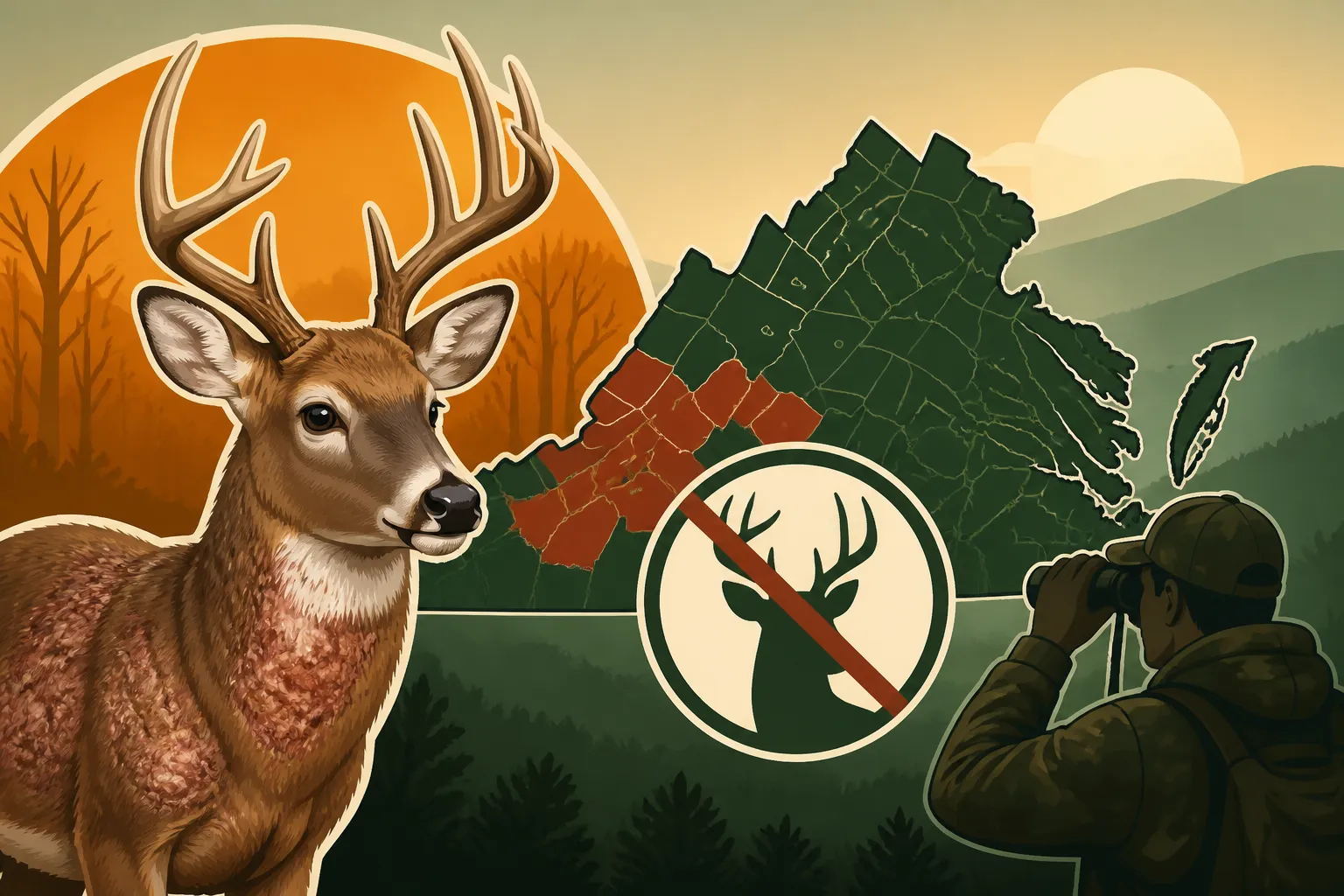
In Virginia, mange has been observed primarily in the western and southwestern regions, where bear densities are traditionally high. The disease spreads through direct contact between bears, making it particularly rampant in areas where bears frequently interact, such as around concentrated food sources or den sites. The DWR has been diligently monitoring the situation, and the data collected from observations, hunter reports, and necropsies paints a clear picture of a population under stress in affected areas.
Why the Virginia Department of Wildlife Resources Reduced Seasons
The DWR's primary mission is to conserve and manage Virginia's wildlife populations for current and future generations. When a disease like sarcoptic mange poses a significant threat to a keystone species like the black bear, the department has to act. Reducing hunting pressure in affected counties is a proactive, data-driven conservation measure. It’s not about taking away hunting opportunities for the sake of it; it's about giving the bear population a chance to recover and stabilize in areas where mange has taken a heavy toll.
These decisions are not made lightly. They involve extensive scientific research, population modeling, and public input. The DWR looks at factors like local bear density, observed mange prevalence, reproductive rates, and overall health indicators to determine where and how to adjust hunting seasons. The goal is to allow more bears to survive and reproduce, particularly healthy individuals, to help bolster the population against the impacts of the disease. While frustrating for hunters, it's a critical step to ensure we have a healthy bear population to hunt in the long run.
Historical Context of Bear Hunting in Virginia
It's worth remembering how far Virginia's bear population has come. For decades, through sound management practices and habitat improvements, the black bear population in Virginia has seen a remarkable resurgence. From being primarily confined to the vast mountain ranges, bears have expanded their range into the Piedmont and even some coastal plain areas. This growth led to expanded hunting seasons and bag limits in many parts of the state, reflecting a healthy and thriving population.
However, challenges like sarcoptic mange remind us that wildlife management is a dynamic process. Just as we've celebrated the growth and expansion of the bear population, we must also be prepared to adapt when new threats emerge. The current adjustments to seasons are a direct response to a significant biological threat, underscoring the delicate balance between sustainable hunting and wildlife conservation.
Identifying Mange-Affected Counties and Regulations
One of the biggest headaches for hunters is keeping up with constantly changing regulations, especially when they differ county by county. The DWR has been transparent about the counties impacted by mange and where season adjustments have been made, but it's crucial for every hunter to do their homework before heading afield.
Current List of Restricted Counties
While the specific list can fluctuate from year to year based on disease prevalence and population response, many of the counties in Virginia's western and southwestern mountain and valley regions have seen significant adjustments to their bear hunting seasons due to mange. These frequently include counties like Tazewell, Bland, Smyth, Buchanan, Wise, Dickenson, Russell, and parts of Carroll and Washington. These areas have been identified as having higher rates of mange and therefore require special management considerations.
It's not always a blanket statewide change; these are often hyper-local restrictions designed to target the areas most in need of population recovery. This means that while your usual spot in Augusta County might have a standard season, a quick drive west into Bland County could put you in a very different regulatory zone. Always, always check the current DWR regulations for the specific county you plan to hunt.
Specific Season Changes and Bag Limits
"Reduced season" usually translates to shorter periods available for hunting, especially during the early archery and muzzleloader seasons, which typically precede the general firearms season. For example, a county might have its early bear season completely closed, or significantly shortened, while the later general firearms season might see only minor adjustments or none at all, depending on the severity of mange impact and bear harvest objectives. Bag limits for bears in mange-affected counties may also be adjusted, though statewide the annual bear bag limit has remained fairly consistent.
For instance, in some counties, the archery bear season might be reduced from several weeks to just a few days, or eliminated entirely. Muzzleloader seasons might face similar cuts. These changes are implemented to reduce the overall harvest pressure on bear populations that are already struggling. Understanding these nuances is critical. It’s not enough to know Virginia Bear Season Rules generally; you need to dig into the county-specific details.
Navigating the Virginia DWR Regulations
Staying informed is your best defense against inadvertently violating regulations. The Virginia DWR website is your primary source for the most up-to-date hunting regulations. They release new regulations annually, typically in the late summer or early fall, which detail all changes for the upcoming hunting year. Don't rely on last year's regulations or hearsay from the camp.
The Go Outdoors Virginia platform is an excellent resource, not just for buying licenses but also for accessing the latest rulebooks digitally. Many hunters also find value in using mapping tools like GoHunt or onX Hunt, which can overlay current hunting zone boundaries and even provide links to county-specific regulations, helping you visualize where you can and cannot hunt under the new rules. It's always a good practice to download the regulation booklet to your phone before heading into areas with spotty cell service.
Tactical Adjustments for Shorter Seasons
A shorter season demands a sharper focus. You can't just rely on the same old tactics when your hunting window is condensed. It means being more efficient, more knowledgeable, and more precise in your approach.
Intensified Pre-Season Scouting
If your season is cut short, your pre-season scouting becomes absolutely paramount. You simply have less time to find bears during the actual hunt, so you need to know exactly where they are—or where they are likely to be—before opening day. Focus intensely on identifying consistent food sources. This means hitting the woods weeks, even months, beforehand to locate acorn crops (white oaks and red oaks), soft mast (persimmons, wild grapes, black gum), and beechnuts. Bears will pattern heavily around these resources.
Utilize trail cameras strategically to monitor active feeding areas, travel corridors, and even specific bear movements. Pay attention to rub trees and tracks, which can indicate mature bear activity. Understanding historical Virginia bear population trends can help, but localized, fresh sign is what you're really after. Don't just scout from the truck; get boots on the ground and learn the terrain, especially in areas of George Washington National Forest Hunting or Jefferson National Forest Hunting where public land can be vast. Tools like GoHunt can help you pinpoint areas with optimal habitat types, aiding in efficient scouting.
Maximizing Hunting Pressure Management
When the season is short and hunters are vying for limited time, there's a natural inclination to hunt hard. However, in mange-affected areas where bear populations are stressed, minimizing your impact can actually increase your chances of success. Avoid over-pressuring your best spots. If you blow a bear out of a prime feeding area on opening day, it might move miles away and never return during your abbreviated season.
Instead, try to implement a rotation of spots. If you have a few promising areas, hunt one lightly for a day, then move to another. This allows the woods to "rest" and bears to potentially settle back into their routines. Consider using low-impact entry and exit routes, especially when hunting close to bedding areas or key funnels. Think about Spot-and-Stalk Tactics for Mountain Bears if you're comfortable with that method, as it allows for a more fluid and less disruptive approach than setting up a permanent stand. Being stealthy and patient becomes even more critical when your opportunities are few.
Adapting Strategies to Bear Behavior
Bear behavior is heavily influenced by food availability and hunting pressure. In a shorter season, you might need to lean more heavily into strategies that capitalize on these factors. If the season is reduced to primarily earlier dates, focus on natural food sources like acorns. Bears will be actively foraging to put on weight for winter, making these food-rich areas magnets for activity. This is where Hunting Bears Over Natural Mast in the Mountains becomes a crucial tactic.
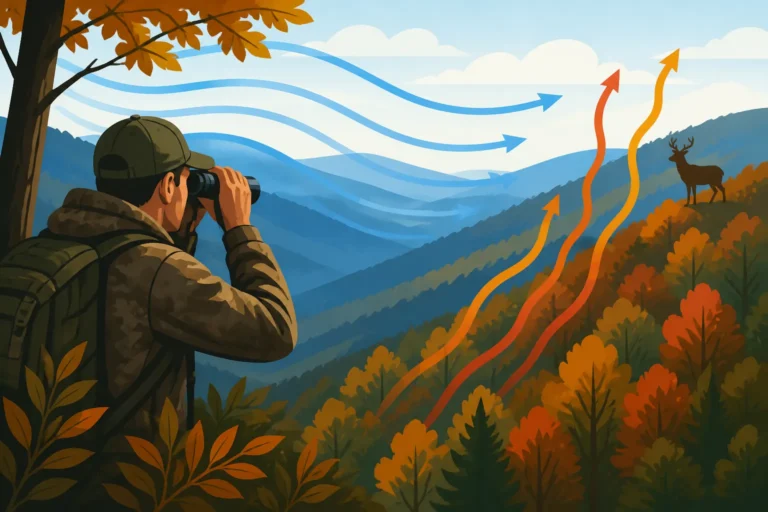
Conversely, if the reduced season still includes later dates, bears might be seeking out less obvious food sources or preparing for denning. Understanding the thermals and wind patterns in mountain terrain is vital, especially when bears are moving in and out of dense cover. Adapt your sitting times to peak activity periods—often early morning and late evening—but be prepared for midday movement if pressured.
Considerations for Different Hunting Methods
Each hunting method comes with its own set of adjustments when seasons are shortened:
- Still Hunting and Stand Hunting: These methods benefit greatly from intensified scouting. Knowing exactly where bears are feeding and traveling will allow you to place your stand or plan your still-hunt route precisely. For example, if you're still-hunting in the Virginia Mountains and Piedmont, focus on ridge lines and creek bottoms where bears travel between food and bedding. With limited time, minimizing unnecessary movement and staying put in a high-activity area becomes paramount.
- Hound Hunting (where permitted): If hound hunting is allowed in your specific mange-affected county (always check county-specific rules, as some areas have additional restrictions), the emphasis might shift to efficiency and careful dog management. Minimizing long chases that put undue stress on dogs and bears is important. Focus on fresh sign and clear weather windows to maximize success rates in a condensed season. Be especially aware of Virginia Bear Hound Training Season Rules if you plan to incorporate hounds.
| Bear Hunting Region | Typical Season Length | Potential Mange-Affected County Impact | Key Strategy Adjustments |
|---|---|---|---|
| Western Mountains | Long (Archery, Muzzleloader, Rifle) | Early Archery/Muzzleloader shortened or closed | Intensive pre-scouting for mast, maximize limited rifle season |
| Southwestern Valleys | Moderate (Archery, Muzzleloader, Rifle) | Early Archery/Muzzleloader shortened/closed, potentially limited rifle | Focus on undisturbed areas, report sick bears, use mapping tools |
| Piedmont/East | Shorter (Primarily Rifle, some Archery) | Less frequent direct impact, but monitor DWR news | Standard tactics, but stay updated as mange could spread |
Supporting Bear Health and Conservation Efforts
As hunters, we are often the first line of defense for wildlife. Our observations and actions on the ground are critical to understanding and responding to challenges like sarcoptic mange. Beyond simply adjusting our hunting tactics, there are active ways we can contribute to the health and recovery of Virginia's bear population.
Reporting Sick or Diseased Bears
This is perhaps one of the most important things a hunter can do. If you observe a bear exhibiting symptoms of mange—significant hair loss, crusty skin, lethargy, or visible lesions—do not hesitate to report it to the Virginia DWR. Your report provides invaluable data that helps biologists track the spread and prevalence of the disease. This information directly informs their management decisions, including where and when to implement season reductions or other interventions.
The DWR has specific protocols for Reporting a Sick Animal in Virginia. Typically, you'll need to provide the exact location of the sighting, the date and time, and a detailed description of the bear's condition. Photos or videos, if safely obtained, can also be extremely helpful. Remember, your vigilance in the field contributes directly to the DWR's ability to monitor and manage this serious wildlife health issue.
Understanding and Preventing Disease Spread
While mange spreads primarily through direct contact between bears, hunters can still play a role in minimizing potential human-mediated spread and general disease transmission. One critical aspect is avoiding the use of bait, even in areas where it might be legally permitted for other species, as it concentrates animals and facilitates disease transmission. Virginia has very strict rules against baiting for bears, but the principle applies more broadly to wildlife health.
Additionally, responsible carcass disposal is important. If you harvest a bear, especially one that showed any signs of illness (though healthy bears are the target), dispose of the carcass remains properly to prevent scavengers from potentially spreading pathogens. Cleaning your hunting gear, including boots and clothing, between hunts in different areas can also contribute to general biosecurity. Understanding Virginia Wildlife Disease Monitoring efforts helps put these precautions into context.
Financial Support for Research and Management
Every hunting license, bear tag, and fishing license purchased in Virginia directly contributes to wildlife conservation and management efforts. A significant portion of these funds goes towards research, disease monitoring, and population management programs, including those specifically addressing sarcoptic mange in bears. Your contribution as a license holder is vital.
Beyond license fees, consider supporting conservation organizations that partner with the DWR or conduct their own research into bear health. Groups focused on habitat preservation and scientific study often play a critical role in augmenting the state's efforts. These collective efforts, both governmental and private, are essential for tackling complex wildlife health challenges.
Leveraging Resources for Informed Decisions
In an era of dynamic wildlife management and increasingly localized regulations, staying informed is no longer just a good idea—it's a necessity. Hunters have more tools at their disposal than ever before to navigate complex regulations and make informed decisions about where and how to hunt.
Utilizing DWR Communication Channels
The Virginia DWR is committed to keeping hunters informed, and they use various channels to do so. Make it a habit to regularly check the official DWR website, particularly the "News" and "Wildlife" sections, for updates on bear management, disease outbreaks, and regulation changes. Subscribing to their email newsletters is another excellent way to get direct notifications about critical information.
Many DWR biologists and wardens are also active in local communities. Attending public meetings or local hunter forums can provide opportunities to hear directly from experts, ask questions, and gain insights into specific county-level issues. These direct interactions can often clarify nuances that might not be immediately obvious in the printed regulations.
Tools for Public Land Information
For those hunting on public lands like the George Washington and Jefferson National Forests or various Virginia Wildlife Management Areas, having robust mapping and information tools is invaluable. Digital mapping applications for your phone or tablet have revolutionized how we interact with the landscape.
Tools like GoHunt provide detailed topographical maps, satellite imagery, and crucial layers like public/private land boundaries, WMAs, and even potential habitat features. They often allow you to download maps for offline use, which is critical when Using Go Outdoors Virginia Without Cell Service or hunting in remote mountain hollows. These platforms can help you identify legal access points, avoid trespassing, and efficiently plan your scouting and hunting routes. They're particularly useful for visualizing how Virginia Public Land Hunting Hours apply to specific areas or for understanding the layout of different WMA units. Always cross-reference the digital maps with the official DWR regulations to ensure accuracy regarding specific rules, such as those for Treestand Setups in George Washington National Forest.
Connecting with Local Hunters and Biologists
While official channels are crucial, the value of local knowledge should never be underestimated. Connect with other experienced bear hunters in your region. Join local hunting clubs or forums where information and observations are often shared. These networks can provide practical, ground-level insights into bear movements, specific food sources, and even local responses to mange that might not be captured in statewide reports.
Furthermore, don't be shy about respectfully reaching out to your local DWR biologist or conservation police officer with specific questions. They are a wealth of knowledge and are often eager to engage with hunters who are genuinely interested in ethical hunting and wildlife conservation. Their insights can be particularly helpful when planning Scouting Virginia Public Land Before Season in areas with reduced opportunities. They can clarify confusing regulations or point you towards less-pressured areas that still offer good hunting potential.
Disclaimer
The information provided in this guide is intended for general informational purposes only and does not constitute legal advice. Hunting regulations in Virginia, especially concerning species affected by disease, can change frequently. It is the sole responsibility of each hunter to consult the most current Virginia Department of Wildlife Resources (DWR) hunting regulations and any county-specific ordinances before participating in any hunting activities. Always prioritize safety, ethical hunting practices, and compliance with all applicable laws.