Predator Hunting in Virginia
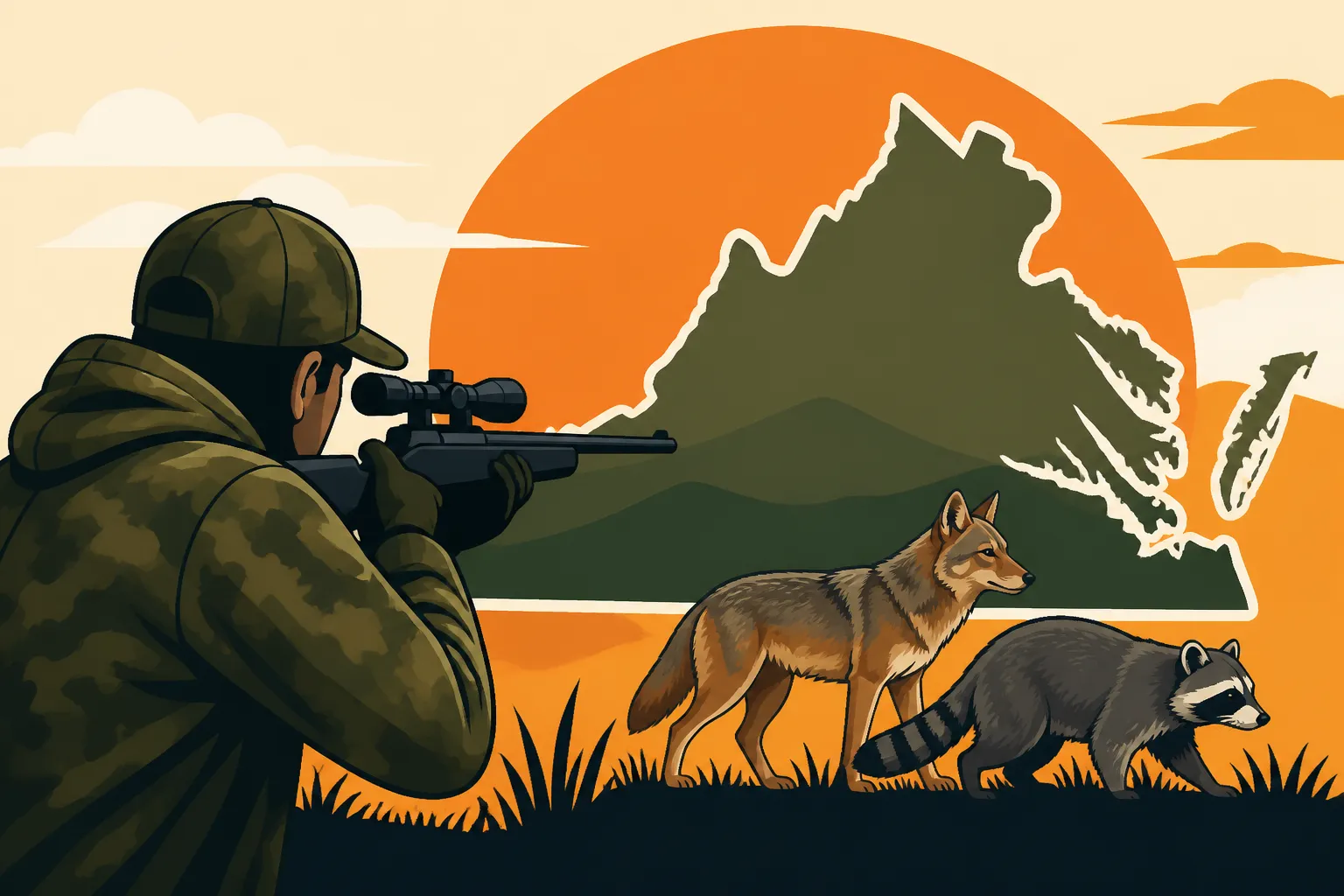
Dealing with persistent predators can feel like an uphill battle, especially when you're trying to manage game populations or protect livestock. It's frustrating to invest time and effort into your hunting pursuits, only to feel like coyotes, foxes, or even feral hogs are constantly one step ahead, impacting deer fawns, turkey poults, and other small game. This comprehensive guide is here to help, equipping you with the knowledge, strategies, and ethical considerations necessary to effectively and responsibly pursue predators across Virginia's diverse landscapes.
Understanding Virginia's Predators and Their Impact
Virginia is a state rich in wildlife, and while many species bring joy to observers and challenge to hunters, others play a more complex role in the ecosystem, often directly impacting other game populations. Understanding these predators, their behaviors, and their ecological footprint is the first step toward effective management and hunting.
Common Predator Species in Virginia
When we talk about predator hunting in Virginia, a few key species typically come to mind. Each has its own habits, preferred habitats, and level of impact on local wildlife and sometimes even domestic animals.
Coyotes are arguably the most prevalent and adaptable predators in the Commonwealth. They've expanded their range significantly over the decades and can now be found in nearly every county, from the remote mountains to the bustling suburban fringes. Their incredible adaptability means they thrive in a variety of environments, from dense forests and open farmlands to residential areas. They're opportunistic omnivores, meaning they'll eat just about anything – deer fawns, small mammals like rabbits and rodents, birds, insects, and even fruits and berries. Their presence is often felt through declining small game numbers or, heartbreakingly, the disappearance of a prime deer fawn crop.
Red foxes and gray foxes are also common across Virginia. Red foxes, with their distinctive rusty coats and bushy white-tipped tails, often prefer more open country, agricultural fields, and woodland edges. Gray foxes, usually smaller and with a grizzled gray coat, are more at home in dense woodlands and swampy areas, and are unique among canids for their ability to climb trees. Both species are primarily hunters of small prey like rabbits, squirrels, and voles, but they will readily take turkey poults and the eggs of ground-nesting birds. While not typically as impactful on deer populations as coyotes, their cumulative effect on smaller game and ground-nesting birds can be significant in localized areas.
It's also worth noting that while not traditionally thought of as predators in the same vein as coyotes or foxes, feral hogs have become a serious issue in parts of Virginia. These animals are highly destructive to habitats and crops, but they are also opportunistic predators, known to prey on fawns, turkey poults, and other vulnerable young wildlife. Their presence complicates wildlife management, and hunting them is often encouraged year-round on private land. You can learn more about Virginia's Year-Round Hog Rule on Private Land to understand the specific regulations for pursuing these destructive animals.
The Role of Predators in the Ecosystem
It's crucial to acknowledge that predators are a natural and necessary part of a healthy ecosystem. They play a vital role in natural selection, culling weak or diseased animals, and helping to regulate prey populations. In an ideal, balanced ecosystem, predators prevent prey species from overpopulating and devastating their food sources, thereby maintaining overall ecological health.
For instance, coyotes and foxes contribute to controlling rodent populations, which can be beneficial to agriculture and public health. They are part of the natural balance that has existed for millennia. However, the balance in many modern landscapes is often out of sync. Human-altered environments, habitat fragmentation, and the removal of apex predators (like wolves, which historically kept coyote numbers in check) can lead to an imbalance where mesopredators like coyotes and foxes thrive unchecked. This is where predator hunting can become a crucial tool in human-led wildlife management, mimicking some of those natural pressures that are now diminished.
Responsible predator hunting isn't about eradication; it's about localized management to restore balance where it's needed most. It's about understanding the complex web of life and stepping in when one strand begins to strain the others.
Predator Impact on Game Populations
The frustration felt by many Virginia hunters often stems from direct observations of predator impact on the game they pursue. It’s not just anecdotal; studies across the country, and indeed in Virginia, have shown that predators, particularly coyotes, can significantly affect fawn recruitment in deer and nesting success for turkeys and other ground-nesting birds.
For deer, fawns are incredibly vulnerable during their first few weeks of life. Coyotes are especially adept at finding and preying on these young animals. In areas with high coyote densities, a significant percentage of the annual fawn crop can be lost to predation, which directly impacts the overall deer population and the number of deer available for harvest. While Virginia's deer herd remains robust overall, localized impacts can be severe, especially for hunters striving to manage specific properties or seeing fewer young deer than they'd expect. Understanding Virginia Deer Population Estimate helps put this into perspective, but localized density can vary greatly.
Similarly, wild turkeys, especially the young poults, are highly susceptible to predation from both coyotes and foxes. Turkey hens and their nests are also vulnerable. A poor hatch, combined with high predator numbers, can lead to noticeable declines in local turkey populations. This is particularly concerning during the spring turkey season when hunters are keen to hear those gobblers sounding off. Small game like rabbits and squirrels also face constant pressure, and while their populations are often more resilient due to higher reproductive rates, localized spikes in predator numbers can certainly make for tougher hunting seasons for species like cottontails and gray squirrels. Learning about Virginia Turkey Population Trends can provide broader context, but the impact of predators is often felt most acutely on a local level.
Virginia's Predator Hunting Regulations and Seasons
Before you even think about hitting the woods with a call, it's absolutely paramount to understand Virginia's specific regulations regarding predator hunting. These rules are in place for safety, ethical hunting practices, and to ensure the proper management of wildlife resources. Ignoring them can lead to serious legal consequences and undermine the integrity of hunting.
General Rules for Hunting Coyotes and Foxes
In Virginia, coyotes can generally be hunted year-round, day or night, on private land with landowner permission. On public lands, however, the rules become more specific and often align with open deer or small game seasons for firearms, or fall under specific WMA (Wildlife Management Area) regulations. It’s always best to check the current DWR (Virginia Department of Wildlife Resources) regulations pamphlet or their website before heading out, especially if you're planning to hunt on public ground like a Virginia Wildlife Management Area.
Foxes are a bit different. While they are often considered predators, they also have a furbearer status, which means their hunting seasons are more restricted. Typically, there's an open season for hunting foxes that runs from around November 1st to late February or early March, depending on the specific county and method. Again, specific dates and restrictions, especially regarding night hunting or the use of dogs, can vary by county. For example, some counties might have specific days when foxes can be hunted with hounds. Always confirm these details for your exact hunting location.
When it comes to equipment, Virginia generally allows the use of rifles, shotguns, and archery equipment for both coyotes and foxes. There are no specific caliber restrictions for coyotes, but for foxes, it's advisable to use smaller calibers to minimize pelt damage if you plan to keep the fur. Electronic calls are generally permitted for both species, which is a huge advantage for predator hunters looking to maximize their effectiveness.
Night Hunting and Equipment Restrictions
Night hunting for predators, especially coyotes, is a popular and often effective strategy in Virginia, but it comes with stricter regulations to ensure safety and prevent conflicts. For coyotes, night hunting is typically allowed statewide on private land with written landowner permission. The key restrictions here usually revolve around the use of artificial lights. While some forms of artificial light are permitted, there are often rules about their intensity and how they are mounted. For example, general regulations often allow the use of a handheld light or a light attached to your firearm, but powerful spotlighting from a vehicle for hunting purposes is usually prohibited. Always check the latest DWR regulations for specific guidelines on Night Hunting Rules for Virginia Coyotes.
Thermal and night vision optics are becoming increasingly popular for night hunting, and Virginia generally permits their use for coyotes. This technology can be a game-changer for identifying and engaging predators in low-light conditions. However, it's critical to ensure you clearly identify your target and have a safe backdrop before taking a shot, as visibility is inherently limited at night. Always be aware of your surroundings and any potential structures or livestock beyond your target.
For foxes, night hunting can be more restricted or even prohibited in some areas, given their furbearer status. Again, verifying county-specific rules is essential. This nuanced approach reflects the DWR's efforts to manage both predator control and furbearer populations responsibly.
Important Licensing and Reporting Requirements
Just like with any other game animal, you'll need the appropriate hunting license to pursue predators in Virginia. A basic resident or nonresident hunting license is usually sufficient for coyotes. If you plan to hunt foxes during their open season, a basic hunting license will cover it, but if you intend to trap them, specific trapping licenses are required. It's always a good idea to secure your Virginia Hunting Licenses and What They Cost well in advance of your hunting season.
While deer and turkeys have mandatory checking requirements, there are generally no mandatory reporting requirements for harvested coyotes or foxes in Virginia, unless you are participating in a specific study or program. However, voluntarily reporting your harvest to the DWR, especially if you're seeing high numbers or unusual activity, can provide valuable data that helps wildlife managers track predator populations and their distribution. This helps the DWR understand the Virginia Coyote Range and Density and manage these populations more effectively. Remember to always carry your license and any necessary permits, like written landowner permission for private land hunting, with you while in the field. Digital licenses carried on your smartphone through the Go Outdoors Virginia app are perfectly acceptable.
Essential Gear for Virginia Predator Hunters
Having the right gear isn't just about comfort; it's about effectiveness and safety. Virginia's diverse terrain, from the dense cover of the Piedmont to the open farmlands, demands thoughtful gear selection for predator hunting. You don't need to break the bank, but investing in reliable equipment will significantly improve your chances of success.
Firearms and Ammunition Choices
When it comes to firearms for predator hunting in Virginia, versatility is often key. Most hunters opt for a flat-shooting, accurate rifle, as shots can sometimes be at extended ranges, especially in open country or across clear-cuts.
For coyotes, popular rifle calibers include the .223 Remington (5.56 NATO), .22-250 Remington, .204 Ruger, and 6mm Creedmoor. These calibers offer a good balance of speed, accuracy, and knockdown power for coyotes while minimizing pelt damage if you're interested in saving the fur. The .223 is a particularly strong choice due to its widespread availability and affordability of ammunition. For those hunting in thicker cover or areas where shots might be closer, a shotgun loaded with buckshot or heavy predator loads can be incredibly effective, especially if you're calling them in tight. Shotguns also offer the advantage of being useful for other small game like squirrels or rabbits, depending on the season, as detailed in Virginia Small Game Season Rules.
When targeting foxes, smaller calibers like the .17 HMR, .22 WMR, or .22 LR can be sufficient at closer ranges, especially if pelt preservation is a priority. These calibers are quieter and less destructive, making them ideal for areas where minimizing disturbance is important. If you anticipate longer shots or want more versatility, the .223 is still a solid option. Always consider the potential for over-penetration and a safe backstop, regardless of caliber.
Ammunition choice is also critical. For rifles, use rapidly expanding varmint-specific bullets (like V-Max or Ballistic Tip) that fragment quickly upon impact, ensuring a humane kill and reducing the risk of ricochet. For shotguns, choose loads designed for predators, such as Hornady Critical Defense or similar buckshot options, that offer tight patterns and reliable performance. Remember, ethical hunting demands a clean, quick kill.
Optics for Day and Night Hunting
Good optics are non-negotiable for successful predator hunting, especially given Virginia's varied hunting conditions. For daytime hunting, a quality rifle scope with appropriate magnification is essential. A variable power scope, such as a 3-9x or 4-12x, offers the flexibility to engage targets at both close and moderate distances. Look for scopes with good light-gathering capabilities and clear glass, as predators are often most active during dawn and dusk. Binoculars (8x or 10x) are also invaluable for scanning terrain, identifying movement, and spotting subtle details without constantly raising your rifle. Companies like Maven and Vortex offer excellent binoculars that provide clarity and durability for field use.
For night hunting, specialized optics are where things get exciting. Thermal imaging scopes and handheld monoculars have revolutionized night hunting. These devices detect heat signatures, allowing you to spot coyotes and other warm-blooded animals even in complete darkness, dense fog, or thick brush. They cut through camouflage and can reveal animals that would be invisible with traditional night vision. Brands like Pulsar and ATN are popular choices for thermal optics, offering various models for different budgets and needs. While these can be a significant investment, they provide a distinct advantage for night hunting.
Traditional night vision devices, which amplify ambient light, are another option, typically being more affordable than thermal. They work well on clear, moonlit nights but can be less effective in heavy cloud cover or dense woods. Whether you choose thermal or night vision, ensure you understand how to use them safely and effectively, remembering to always confirm your target before taking a shot, even with advanced optics.
Calls, Decoys, and Other Essential Accessories
The art of predator hunting heavily relies on attracting the animals, and for that, you'll need effective calls and sometimes decoys.
Calls: There's a vast array of predator calls available, broadly divided into mouth calls and electronic calls.
- Mouth Calls: These include distress calls (rabbit, mouse, bird), howler calls (coyote vocalizations), and even lip-squeaks. They require skill and practice but offer incredible realism and can be very effective, especially for wary predators. Carrying a variety of distress calls, like a Predator Calling Virginia Farm Country style rabbit distress and a fawn bleat, allows you to adapt to different situations.
- Electronic Calls: These are game-changers, especially for beginners or those wanting consistent sound. They can reproduce a huge library of sounds, from various distress cries to barks, howls, and pup distress. Most come with remote controls, allowing you to place the speaker away from your position, drawing the predator's attention away from you. Brands like Foxpro and ICOtec are leaders in electronic calls, offering programmable units with impressive volume and sound quality. The GoHunt app also often has resources and articles discussing how to best leverage these tools.
Decoys: Visual stimulants can sometimes seal the deal, especially on coyotes that hang up at a distance. Motion decoys, typically small furry animals that twitch or spin, mimic a wounded prey animal and draw the predator's focus away from your position, allowing for a better shot opportunity. Stationary decoys, like a full-body coyote decoy, can also be used to draw in other coyotes, though they require careful placement and understanding of coyote territorial behavior.
Other Essential Accessories:
- Shooting Sticks or Bipod: For steady shots, especially with a rifle.
- Headlamp with Red/Green Filter: For navigating in the dark without spooking animals.
- Camo Clothing: To blend into the environment. Layering is crucial for Virginia's unpredictable weather, as discussed in Clothing for a Virginia Late Season.
- Scent Control: While debated, minimizing human odor can only help, especially for wary coyotes.
- GPS Unit or Phone App (e.g., GoHunt): For navigation, marking stand locations, and understanding property boundaries. This is especially important when scouting or hunting unfamiliar public land.
- Knife and Gloves: For field dressing or handling harvested animals.
- Backpack: To carry all your gear comfortably.
Here's a quick comparison of common predator calls:
| Call Type | Primary Sounds | Best Use Case | Pros | Cons |
|---|---|---|---|---|
| Rabbit Distress | Wounded rabbit squeals, whimpers | Attracting coyotes, foxes, bobcats; universal | Highly effective, easy to learn (electronic) | Can be overused, might spook wary animals |
| Fawn Distress | Deer fawn bleats, bawls | Coyotes targeting deer fawns (spring/summer) | Very specific and effective for coyotes | Less universal, might attract deer |
| Coyote Howls | Lone howls, challenge howls, group yips | Locating coyotes, challenging territorial ones | Excellent for scouting and eliciting response | Requires knowledge of coyote vocalizations |
| Mouse Squeaks | High-pitched mouse distress | Foxes, bobcats, close-range coyotes in dense cover | Subtle, effective in tight situations | Limited range, requires quiet conditions |
| Electronic Calls | Wide range of all above, bird distress, etc. | Versatile, hands-free, remote placement | Huge sound library, consistent, high volume | Requires batteries, more expensive |
Effective Predator Calling Strategies and Techniques
Calling in a predator is a true test of hunting skill, requiring patience, understanding of animal behavior, and a good dose of strategic planning. It's not just about making noise; it's about telling a story that piques a predator's interest and brings them into range.
Locating Prime Predator Habitat
Before you even think about setting up a call, you need to be in the right place. Predators, like all wildlife, are driven by food, water, and cover. Understanding the Virginia Coyote Range and Density and where these needs intersect is crucial for finding prime predator habitat.
Start by scouting. Look for sign: tracks in the mud or snow, scat (droppings), and even den sites. Pay particular attention to areas where prey animals are abundant, such as dense rabbit briar patches, deer bedding areas, or fields frequented by rodents. Transition zones, where different habitat types meet (e.g., a forest edge bordering a field, a creek bottom next to a thicket), are often hotspots because they offer both cover and easy access to food.
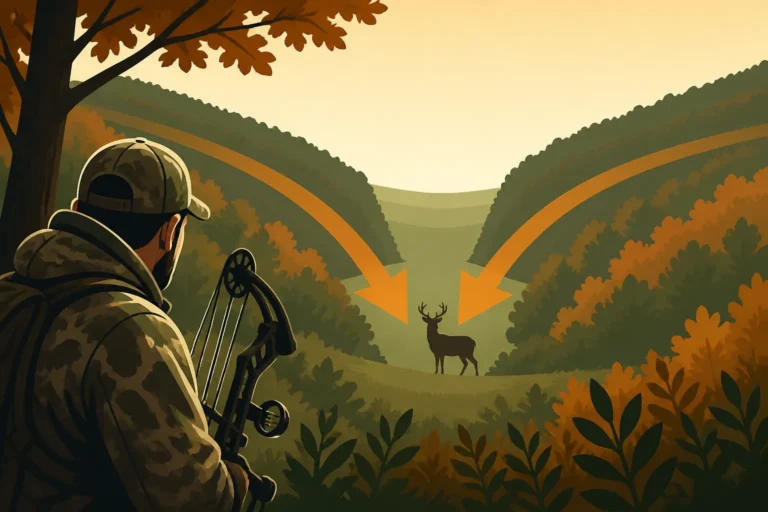
Also, consider topography. Ridges and saddles in the mountains offer excellent vantage points for predators, as do creek bottoms and drainages that provide travel corridors. In agricultural areas, fencerows, small woodlots, and overgrown field edges are prime locations. Areas around livestock farms, unfortunately, can also be high-traffic zones for coyotes looking for an easy meal. Using mapping tools like those offered by the GoHunt app or the DWR’s Go Outdoors Virginia map tool can help you identify these features and pinpoint potential ambush points before you ever step foot in the woods. Analyzing aerial photos for subtle terrain changes and potential travel routes can be a true game-changer in your scouting efforts.
Mastering Various Calling Techniques
Once you've found a promising spot, it's time to choose your calling strategy. The key is variety and responsiveness. Start with sounds that pique curiosity without immediately alarming.
Many hunters begin with a series of softer distress calls, like a mouse squeak or a subtle bird distress, especially if hunting wary foxes or in areas with high hunting pressure. If there's no response after 5-10 minutes, you can ramp up the intensity with a louder rabbit or fawn distress. The goal is to make the sound seem like a genuine, struggling meal that’s easy to catch. Vary the cadence and volume to make it sound realistic – a series of frantic cries followed by short pauses, then another burst.
Howler calls, mimicking coyote vocalizations, are incredibly effective for locating coyotes or challenging a territorial male. A series of lone howls can often elicit a response, letting you know there's a coyote in the area. Once you get a response, you can then switch to distress calls to try and bring them in, or use challenge howls or even pup distress calls to tap into their social instincts. It’s like a conversation you're trying to inject yourself into.
Remember to vary your setup and calling sequence based on the time of year. During denning season (spring), pup distress or a female invitation howl can be very effective, drawing out protective parents. During the fall and winter, general distress calls and howls are more universal. Consistency, practice, and a keen ear for how real animals sound are what truly differentiate a good caller.
Setting Up for Success on a Stand
Calling a predator is only half the battle; getting a shot is the other. Your setup is paramount. Always approach your stand location into the wind. Predators have an incredible sense of smell, and if they catch your scent, the hunt is over before it begins. Even on a still day, slight thermals can carry your scent, so be mindful of the subtle air currents.
Choose a spot that offers good visibility, ideally with a slightly elevated position to scan the landscape, but also with enough cover to break up your silhouette. Think about where a predator might approach from – they often try to circle downwind to get a scent check before committing. Plan your shooting lanes accordingly. Use natural cover like trees, brush piles, or rock formations to conceal yourself. A good ground blind can also be an excellent option, especially if you need to minimize movement or are hunting with a partner. For hunting on public lands, using a ground blind is a perfectly viable tactic, though you must adhere to WMA rules regarding temporary structures.
When you start calling, be absolutely motionless. Any twitch or movement can alert a keen-eyed coyote or fox. Scan constantly, not just directly in front of you, but to the sides and even behind. Predators can appear silently and from unexpected directions. If you're using an electronic call, place it 50-75 yards upwind from your position to draw the predator's attention away from you, giving you precious seconds to prepare for a shot. Patiently waiting and scanning for at least 20-30 minutes after your last call is often advised, as some predators may approach very slowly and cautiously. You might hear a quick tip on Calling Crows Over a Winter Feed Site which also applies, though crows are less wary.
Hunting Specific Virginia Predators
While the general principles of predator hunting apply across species, each predator in Virginia has unique behaviors and preferences that warrant tailored hunting tactics for maximum success. Understanding these nuances can significantly increase your harvest rates.
Coyote Hunting Tactics in Virginia
Coyotes are incredibly intelligent and adaptable animals, making them a challenging yet rewarding quarry in Virginia. Their populations are widespread, from the vast expanses of the George Washington National Forest in the west to the dense farmlands of the Piedmont and even increasingly into suburban green spaces.
One of the most effective strategies for coyotes in Virginia is calling. As discussed, a variety of distress calls, especially rabbit or fawn bleats, are potent attractants. In regions with higher deer densities, fawn bleats can be particularly effective during the late spring and summer when fawns are being born and are most vulnerable. During the breeding season (typically January-March), using howls and challenge barks can elicit a strong territorial response. Setting up in areas where you've seen deer activity, especially bedding areas or travel corridors, can be a great starting point, as coyotes are often following the deer herd. The GoHunt platform often highlights areas with high deer traffic which can indirectly point to coyote territories.
Daytime hunting often involves a "run-and-gun" approach, moving from stand to stand every 20-45 minutes if no coyote responds. For these rapid transitions, scouting routes and potential setups beforehand, perhaps using topographical maps to identify ridge lines and hollows, is vital. At night, especially on private land where it's permitted, thermal optics become invaluable. Coyotes are often more active after dark, and the ability to spot their heat signature from a distance gives you a significant advantage. Remember to always hunt with a partner at night for safety and to maintain proper communication. Learning how to identify Scrape Lines Along a Logging Road for deer can also clue you into coyote travel patterns.
Fox Hunting Strategies for Red and Gray
Foxes, while smaller than coyotes, are equally cunning and require a slightly different approach. Virginia has both red and gray foxes, each with distinct habitat preferences. Red foxes often frequent open fields, farm edges, and mixed woodlands, while gray foxes prefer thicker, denser cover, and are known for their tree-climbing ability.
For both species, smaller, higher-pitched distress calls tend to be more effective than the louder calls used for coyotes. Mouse squeaks, bird distress calls (like a cardinal or woodpecker distress), and voles are excellent choices. Setting up near brush piles, fencerows, or dense thickets where mice and small birds are abundant can draw foxes in. Pay close attention to wind direction, as foxes are incredibly wary.
During the fox hunting season, which typically runs through the colder months, pelt quality is at its peak. If you're hunting for fur, using smaller calibers like a .22 WMR or even a .17 HMR can minimize damage. A shotgun with fine shot (like #4 birdshot) can also be very effective at close range, especially if you're hunting in dense cover where shots are likely to be quick and close. Unlike coyotes, foxes are often less likely to respond to aggressive howls; a softer, more subtle approach is usually best. Understanding the Virginia Raccoon Season Dates can also provide insight into general furbearer seasons in your area, though foxes have their own specific rules.
Dealing with Feral Hogs as Opportunistic Predators
Feral hogs are not native to Virginia and represent a serious threat to agriculture, native wildlife, and habitats. While often considered a nuisance species due to their rooting behavior, they are also opportunistic predators that will readily consume deer fawns, turkey poults, and eggs. Because of their destructive nature, Virginia generally allows year-round hunting of feral hogs on private land with landowner permission, and often on public land during specific open seasons.
Hogs are often found in bottomland hardwoods, swampy areas, and near agricultural fields where food and water are abundant. They are largely nocturnal, making night hunting with thermal or night vision optics a highly effective method. Baiting with corn can also be extremely productive, though baiting regulations vary and must be checked carefully, especially on public land. Learn about Virginia Hog Hunting Permit Requirements if you plan to hunt them.
Still-hunting through river cane thickets or dense cover where hogs bed during the day can also yield results. Their wallows and rooting damage are tell-tale signs of their presence. When hunting hogs, a larger caliber rifle, such as a .308, .30-06, or even a 6.5 Creedmoor, is recommended due to their tough hide and dense bone structure. Shot placement is critical. Trapping, as detailed in Trapping Virginia Feral Hogs, is also a highly effective method for reducing hog populations, often more so than hunting alone, and is frequently used by landowners.
Public vs. Private Land: Access and Considerations
Hunting predators in Virginia offers opportunities on both public and private lands, but each comes with its own set of rules, challenges, and advantages. Navigating these differences effectively is crucial for a successful and legal hunt.
Finding Public Land for Predator Hunting
Virginia boasts a significant amount of public land accessible to hunters, primarily through the George Washington and Jefferson National Forests and the Virginia Wildlife Management Areas (WMAs). These areas offer vast stretches of wilderness perfect for predator hunting, particularly for coyotes.
The George Washington and Jefferson National Forests, covering over 1.6 million acres across Virginia, are prime hunting grounds for predators. The sheer size allows for extensive scouting and offers a greater chance of finding areas with less hunting pressure. While you might be hunting for deer or bear in these forests, don't overlook the opportunity to call in a coyote. Many of the same tactics used for Still-Hunting Jefferson Forest Ridges or Treestand Setups in George Washington National Forest can also put you in a good position for a predator. The challenge here often lies in locating productive areas and being willing to cover significant ground. A robust mapping app like GoHunt, combined with a good understanding of topography, will be your best friend.
Virginia's Wildlife Management Areas (WMAs) are another excellent option. These areas are specifically managed for wildlife and public access, often providing diverse habitats that hold healthy populations of coyotes and foxes. However, WMAs often have more specific rules regarding hunting seasons, allowed equipment, and even entry/exit times, so checking the individual WMA regulations is paramount. Some WMAs may have specific public hunt dates or restrictions on night hunting. Always consult the DWR's WMA page or the Go Outdoors Virginia app for the most current information. Obtaining a What a Virginia WMA Access Permit Covers is often required for hunting on these lands.
On any public land, remember to always adhere to general hunting regulations, including blaze orange requirements during firearms deer season, even if you are specifically targeting predators. Respect other users, practice leave-no-trace ethics, and scout extensively to find those hidden gems.
Navigating Private Land Permission
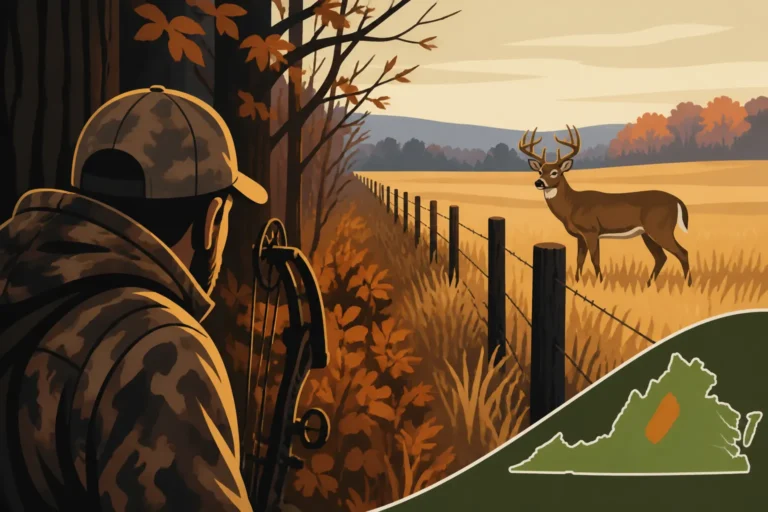
For many Virginia hunters, particularly those targeting predators, private land offers the most consistent and often the most productive opportunities. With over 80% of Virginia being privately owned, securing permission from landowners is a game-changer, especially for year-round coyote hunting or night hunting.
The key to private land access is respectful communication and building a good relationship with the landowner. Start by identifying potential properties, perhaps using online mapping tools to see areas with good habitat and limited public access. Then, the old-fashioned method of knocking on doors and asking permission, as described in Knocking on Doors in Piedmont Farm Country, remains one of the most effective.
When speaking with a landowner, explain why you want to hunt predators. Many farmers and landowners are actively looking for help controlling coyotes, foxes, or feral hogs that impact their livestock or damage crops. Emphasize your commitment to safety, ethical hunting, and respectful behavior. Offer to share any harvested game (if they're interested) or to help with other tasks around the property. Always get written permission, which is often legally required in Virginia and provides clarity for both parties. This helps clarify Do You Need Written Permission in Virginia?
Once you have permission, treat the property as your own, or better. Be clean, close gates, avoid driving on wet fields, and communicate your hunting schedule. A good relationship with one landowner can often lead to referrals to others. Private land often allows more flexibility in hunting methods, including night hunting, which is a huge advantage for targeting nocturnal predators.
Urban and Suburban Predator Challenges
Predators are not confined to rural areas; Virginia's urban and suburban landscapes are increasingly seeing coyote and fox activity. This presents both unique challenges and opportunities for predator hunters, though opportunities are often more limited and highly regulated.
In many urban and suburban areas, local ordinances strictly prohibit the discharge of firearms. However, some localities, particularly those participating in urban archery programs, may allow archery equipment for deer. In these specific "urban archery zones," as explained in Urban Archery Hunting in Virginia Cities, there might be limited opportunities for predator control with archery equipment, provided you have explicit landowner permission and adhere to all local rules. Such zones require extreme caution, precise shot placement, and a thorough understanding of all local regulations, which can vary significantly even between adjacent counties or cities.
The main challenge in these environments is safety. High population density, close proximity to homes, and strict firearm laws mean that traditional predator hunting methods are often not feasible. For landowners in these areas experiencing predator issues, non-lethal deterrents or professional wildlife control services are usually the first recommendations. However, for those with sufficient land and proper permits within specific zones, archery equipment can sometimes be a solution, focusing on precise, close-range shots. If you're considering hunting in these areas, your first call should always be to the local DWR office and local law enforcement to fully understand what is and isn't allowed. Access in these areas is often through special permits, which are very different from general hunting licenses, and requires a meticulous approach to Getting Landowner Access in an Urban Archery Zone.
Safety, Ethics, and Responsible Predator Management
Predator hunting, like all hunting, carries a profound responsibility. It's not just about the kill; it's about conducting yourself safely, ethically, and as a steward of Virginia's wildlife resources. These principles are non-negotiable and define us as hunters.
Prioritizing Safety in the Field
Safety is always the number one priority, especially when hunting predators. Given that much predator hunting can occur at night, in dense cover, or in less-than-ideal visibility, the stakes are even higher.
Firearms Safety: Always follow the four fundamental rules of firearm safety:
- Treat every firearm as if it were loaded.
- Always point the muzzle in a safe direction.
- Be sure of your target and what is beyond it.
- Keep your finger off the trigger until ready to shoot.
This third rule, "Be sure of your target and what is beyond it," is especially critical when calling predators. A fleeting glimpse of movement could be a domestic animal, a non-target species, or even another hunter. Never shoot at sound or movement alone. Use your binoculars or scope to positively identify your target before taking a shot.
Visibility: When hunting during daylight hours, especially during firearms deer season, wear plenty of blaze orange. Virginia law requires specific amounts of blaze orange or pink for hunters, and while predators may see it, your safety is paramount. Check How Much Blaze Orange Virginia Requires to ensure compliance.
Night Hunting Specifics: If you're hunting at night, always hunt with a partner. Communicate your location constantly. Have a safe shooting lane and a clear understanding of what's beyond your target. Never shine a light towards a house or road. Consider using a red or green filter on your headlamp for navigation, as these colors are less disruptive to night vision and less likely to spook animals at a distance. Be aware of your surroundings, potential hazards, and always have a way to contact emergency services if needed.
Ethical Considerations and Fair Chase
Ethical predator hunting adheres to the principles of fair chase, which means giving the animal a reasonable chance to escape and ensuring a humane harvest. This isn't just a suggestion; it's a cornerstone of responsible hunting.
Respect for the Animal: Predators are sentient beings, and they deserve our respect. This means striving for a clean, quick kill with appropriate firearms and ammunition. Avoid taking marginal shots that could wound an animal. After the shot, track and recover the animal quickly and efficiently. If you're tracking a deer through Virginia leaf litter, for example, remember those same tracking skills apply to predators, only often with less visible blood.
Calling Ethics: While electronic calls are highly effective, avoid "over-calling" or prolonged harassment of animals. The goal is to bring an animal in for a shot, not to torment it. Understand that once an animal is aware of your presence or senses danger, continuing to call often just educates it and makes it warier for future hunts.
Wounded Animals: If you wound a predator, make every effort to recover it. This may involve extensive tracking, even at night. Leaving a wounded animal in the field is unethical and goes against the principles of responsible hunting.
Contributing to Healthy Wildlife Management
Responsible predator hunting isn't just about individual success; it's about contributing to the broader goals of wildlife management in Virginia. Hunters play a crucial role as citizen scientists and conservationists.
Data Collection: While not mandatory, voluntarily reporting predator sightings and harvests to the DWR can provide valuable data. This helps biologists track populations, assess their impact on game species, and make informed management decisions. If you're in a county with a particularly high coyote density or seeing unusual fox behavior, sharing this information can be very helpful.
Habitat Stewardship: Recognize that healthy predator populations are part of a healthy ecosystem. Your hunting efforts should aim for localized population control where necessary, rather than indiscriminate eradication. Focus on areas where predators are genuinely impacting game populations or livestock.
Educating Others: Be an ambassador for hunting. Explain why you hunt predators – whether it's for game management, fur harvesting, or simply the challenge. Debunk misconceptions and promote a positive image of hunting as a tool for conservation. Your actions and words reflect on the entire hunting community. By embracing these principles, you ensure that predator hunting remains a respected and valuable component of Virginia's wildlife management efforts for generations to come.
Disclaimer
The information provided in this guide is for informational purposes only and is not a substitute for official Virginia Department of Wildlife Resources (DWR) regulations. Hunting laws and regulations can change frequently. It is the sole responsibility of the hunter to be aware of and comply with all current federal, state, and local hunting laws and regulations before engaging in any hunting activity. Always consult the latest DWR hunting regulations manual and local ordinances.